

Shrines & temples
Japanese shrines
OSM directory
Explore Shinto shrines mapped from OpenStreetMap — filter by prefecture, city, or denomination. For curated travel listings, see featured landmark shrines below.
756 shrines
黒駒神社
黒駒神社
Kyoto
The Kurokage Shrine in Kyoto is a Shinto temple dedicated to the kami of darkness and shadow, often associated with the spirit of a black horse. Located near the Nishiki River, the shrine's architecture reflects its historical connection to the Nijo Castle, another famous landmark in Kyoto.
大飯神社
大飯神社
Kyoto
Daito-in, located in the heart of Kyoto, is a historic Shinto shrine dedicated to the kami Daito. The shrine complex features traditional Japanese architecture, with main halls built during the Heian period (794-1185 CE). Daito-in is also famous for its beautiful garden and tranquil atmosphere. Visitors can explore the shrine grounds, which include several smaller shrines and temples, and experience a serene escape from the bustling city.
日枝神社
日枝神社
Kyoto
Dayo-jinsha, a Shinto shrine in Kyoto dedicated to the sun goddess Amaterasu, is one of Japan's oldest shrines. Located near the Kiyomizu-dera temple complex, it has played a significant role in local history and culture for centuries.
新鞍神社
新鞍神社
Kyoto
New Kamo Shrine is a Shinto shrine dedicated to the Kamo gods, specifically the twin deities Ōzozaki Kiyomaru and Sōshi-Ōsafusa. The shrine complex spans over 12 acres in Kyoto's western ward, Tadogawa, near the Kamo River. Its architecture reflects a mix of Heian and Edo periods styles, with the main hall dating back to 1627. Visitors can explore the serene gardens, traditional shops, and museums within the grounds.
熊野神社
熊野神社
Kyoto
Located in the city of Kumiyoto, in the former kingdom of Yamato, is Mount Kurama's most sacred Shinto site, Kumiyōno-dera. As one of Japan's oldest and most important shrines, it was originally a shrine dedicated to the Sun Goddess Amaterasu, but today Kumiyōno-dera honors the gods of heaven and earth, with a particular emphasis on its patron deity, the storm god Susanoo-no-Mikoto, who is said to have possessed supernatural powers. In recent years, the shrine's fame has been growing due to its unique architecture featuring a grand hall and several sub-temples with beautiful gardens.
伊射奈岐神社
伊射奈岐神社
Kyoto
Ishinaegi Shrine, located in Kyoto Prefecture, is dedicated to the Shinto deity Inari Okami. This shrine is famous for its thousands of vermilion torii gates that form a tunnel leading up the mountain. The shrine complex includes several shrines and temples, as well as a beautiful garden and a museum showcasing traditional Japanese art and culture. Visitors can experience the tranquil atmosphere of the shrine by strolling through the gardens and admiring the vibrant torii gates.
八幡神社
八幡神社
Kyoto
Located in the heart of Kyoto, Eight Horseshoe Shrine is one of Japan's most famous Shinto shrines, dedicated to the god Susanoo, often depicted with a horse's head. The shrine's striking architecture, featuring eight torii gates forming a horseshoe shape, reflects its name and symbolizes protection from evil spirits. Visitors can pray for good fortune, health, and happiness, as well as seek blessings for their children and new endeavors.
熊野神社
熊野神社
Kyoto
Kurama Shrine, located in the Yamasaka district of Kyoto, is a Shinto shrine dedicated to the god of the mountain Kurama, as well as other deities associated with the area. The shrine's architecture reflects its Heian and Edo periods history, featuring a five-story pagoda and numerous gardens. Visitors can walk through the beautiful forested grounds, exploring the many temples and shrines that dot the landscape.
姫宮神社
姫宮神社
Kyoto
Ise no Miyayoshi Himegami Shrine is a Shinto shrine located in the city of Kyoto, dedicated to Himegami, a kami believed to be the spirit of the sea and fertility. The shrine's architecture reflects its historical significance as a coastal temple, with a unique curved design inspired by the shape of the Japanese crescent moon. Visitors can pray for good luck, prosperity, and fertility, while also experiencing the serene atmosphere of the shrine's beautiful gardens.
熊野神社
熊野神社
Kyoto
Kumano Sanzan, a sacred pilgrimage site in Japan, is the spiritual home of Kumano-gu. This Shinto shrine in Kyoto's Nishiyama-ku ward is dedicated to the revered kami, Kumano Okami, a powerful deity associated with fertility, prosperity, and protection. The shrine's architecture reflects its historical significance as one of Japan's oldest and most important shrines, with influences from Buddhist and indigenous Ryukyu traditions.
依居神社
依居神社
Kyoto
Toshogu-style shrine dedicated to the deity of a small village in the Arashiyama area of Kyoto, believed to have originated during the Heian period (794-1185). The shrine is surrounded by a lush forest and features a traditional Japanese garden. Visitors can experience the serene atmosphere and rich history of the shrine.
愛宕神社
愛宕神社
Kyoto
愛宛神社 is a Shinto shrine located in the heart of Kyoto, dedicated to the god Amaterasu Omikami, the supreme deity of the Japanese pantheon. The shrine is renowned for its stunning architecture and beautiful gardens, making it a must-visit destination for anyone interested in Japanese culture. Built during the Heian period (794-1185 CE), the shrine's current structure dates back to the Kamakura era (1185-1333 CE). Visitors can admire the iconic vermilion torii gates and the majestic five-story pagoda, while strolling through the tranquil gardens and taking in the serene atmosphere. The shrine also hosts various festivals throughout the year, including the famous Akaduki Matsuri, which honors Amaterasu Omikami.
畑中神社
畑中神社
Kyoto
Located in the heart of Kyoto, Hakushinsha Shrine is a Shinto temple dedicated to the kami of fertility and prosperity. Built in 1636 during the Edo period, the shrine's main hall is a prime example of traditional Japanese architecture. Visitors can admire the beautiful garden, which features cherry blossom trees and a tranquil pond.
熊野神社
熊野神社
Kyoto
Kumano-san Shrine, located in the heart of Kyoto, is dedicated to the sacred mountain Kumano and its many deities. As one of Japan's most revered shrines, it attracts visitors from all over the world seeking spiritual guidance and enlightenment. The shrine's architecture is inspired by the traditional Heian-style buildings, with a majestic torii gate that marks the entrance to the complex.
静志神社
静志神社
Kyoto
静志神社, located in the heart of Kyoto, is a Shinto shrine dedicated to the kami of wisdom and enlightenment. The shrine's architecture reflects its historical significance as a center of learning and culture during the Heian period (794-1185 CE). The main hall's design, with its distinctive tile roof and elegant columns, is reminiscent of traditional Japanese temples.
熊野神社
熊野神社
Kyoto
Kumano Shrine, located in the heart of Kyoto, is one of Japan's most revered Shinto shrines. Built to honor the mythological Kumano deity, the shrine complex spans over 30 acres and boasts a stunning example of traditional Japanese architecture. Dedicated to the worship of various regional kami, including those associated with fertility, prosperity, and spiritual growth.
白山神社
白山神社
Kyoto
Located in the heart of Kyoto, White Mountain Shrine is a sacred Shinto site dedicated to the deity of Mount White, an inactive volcano with five peaks, revered for its spiritual significance and stunning natural beauty. The shrine's architecture reflects traditional Japanese design, featuring a vermilion torii gate and imposing wooden structures. Visitors can explore the serene gardens and tranquil forest surroundings, offering a peaceful escape from the bustling city.
八幡神社
八幡神社
Kyoto
Located in Kyoto, Eighteen Bridges Shrine is a Shinto temple dedicated to the god of prosperity and good fortune, Susanoo-no-Mikoto's brother Hachiman, known as Hachiman Okami. The shrine is famous for its 18 vermilion bridges that symbolize the 17 bridges of the Asuka period and one 'fake' bridge, built during the Heian period. Visitors can pray for success, love, or protection at this auspicious site.
八幡神社
八幡神社
Kyoto
Eight-Horsed God Shrine, dedicated to the god of wind, prosperity, and good fortune. Located in Kyoto, the shrine is one of Japan's most famous Shinto sites, attracting millions of visitors each year. The Eight Horsed God is often depicted riding a white horse, symbolizing speed, agility, and divine protection.
日足神社
日足神社
Kyoto
Dayatsu Jinja, a Shinto shrine in Kyoto, is dedicated to the deity of good luck and prosperity in agriculture and crafts. The shrine is known for its beautiful vermilion torii gate and traditional Japanese architecture. Its location near Kyoto's old city center makes it an attractive destination for tourists interested in history and culture.
長尾神社
長尾神社
Kyoto
Longer Shrine, located in the city of Kyoto, is a Shinto shrine dedicated to the goddess Kannon and the god Susanoo. The shrine's history dates back to the Heian period, with records of its existence during the reign of Emperor Ichijō (901-967 CE). The shrine is known for its striking architecture, which features a five-story pagoda and a large torii gate. Visitors can explore the shrine grounds, which include several small shrines and a museum showcasing traditional Kyoto crafts. The shrine is also famous for its beautiful gardens, including a serene bamboo forest and a tranquil pond with a waterfall.
宅原一宮神社
宅原一宮神社
Kyoto
Located in the heart of Kyoto, Tsukahara Shrine is a tranquil oasis that pays homage to the region's rich Shinto heritage. Dedicated to the worship of Inari Okami, the shrine is famous for its beautiful gardens and traditional wooden architecture. Visitors can explore the shrine grounds, which feature several intricately carved torii gates and stunning cherry blossom trees. The shrine's peaceful atmosphere makes it an ideal destination for those seeking a deeper connection with nature.
豊浦大歳神社
豊浦大歳神社
Kyoto
Located in the heart of Kyoto, 豊浦大歳神社 is a serene Shinto shrine dedicated to the worship of the god of longevity and prosperity, Toki no Okami. The shrine's tranquil atmosphere and beautiful gardens make it an ideal destination for those seeking peace and tranquility. With its rich history dating back to the 8th century, the shrine has played host to various historical events and has been an important cultural hub in Kyoto.
上津熊野神社
上津熊野神社
Kyoto
Upper津 Shrine, dedicated to the kami of Mount Kurama, is a Shinto shrine located in the Kyoto Prefecture. The shrine's history dates back to the Heian period and has been an important center for worship and rituals. Visitors can explore the shrine's peaceful grounds and enjoy the beautiful scenery surrounding the mountain.
Curated shrine listings
Hand-picked shrines and temples from our landmark guide.
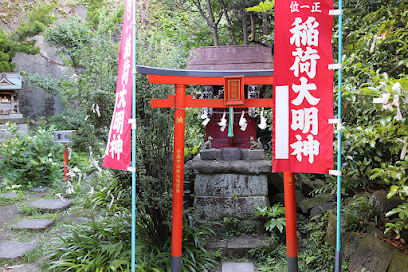
Otsuna Kompira Shrine
Kanagawa 221-0834
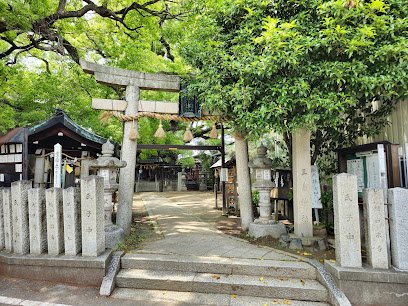
Mitsushima Shrine
Osaka 571-0015
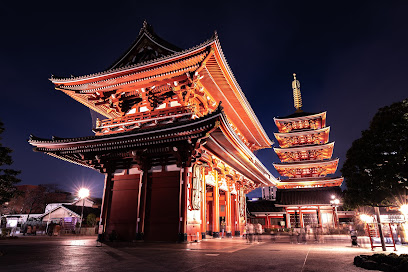
Sensō-ji
Tokyo 111-0032
Completed in 645, this temple, Tokyo's oldest, was built to honor Kannon, the goddess of m...
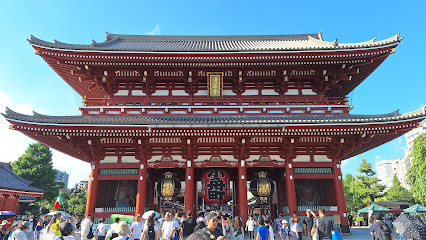
Kaminarimon
Tokyo 111-0032
A 3.9m-tall lantern greets visitors to this stately gate at the entrance to Sensō-ji templ...
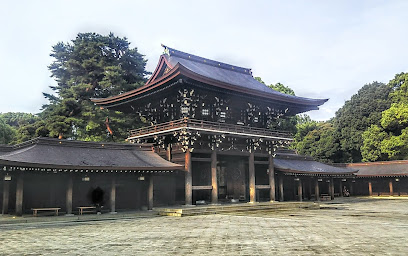
Meiji Jingu
Tokyo 151-8557
Surrounded by forest, this venerable Shinto shrine features a seasonal iris garden.

Kushida Shrine
812-0026
Founded in 757 CE, this urban site annually hosts the city's largest festival, Hakata Gion...