

Shrines & temples
Japanese shrines
OSM directory
Explore Shinto shrines mapped from OpenStreetMap — filter by prefecture, city, or denomination. For curated travel listings, see featured landmark shrines below.
838 shrines
胡子神社
胡子神社
Shimane
Located in the scenic Shimane Prefecture, 胡子神社 is a Shinto shrine dedicated to the kami of fertility and prosperity, believed to protect travelers and fishermen. The shrine's name 'Huzuki' roughly translates to 'mango spirit,' referring to the region's famous mango production. Built during the Heian period (794-1185 CE), the shrine showcases traditional Japanese architecture and has been a significant stop for pilgrims on their way to nearby Iwami Valley's sacred sites.
恵美須神社
恵美須神社
Shimane
恵美須神社, located in the town of Maita, Shimane Prefecture, is a Shinto shrine dedicated to the sun goddess Amaterasu and the storm god Susanoo. The shrine's architecture reflects its role as a key site for rice harvests and agricultural blessings in the region. Visitors can explore the main hall, which features an impressive vermilion torii gate, and experience traditional festivals such as the Maita Matsuri in October.
大判神社
大判神社
Shimane
Located in the mountains of western Shimane Prefecture, the Ōdaijin-sha is a historic Shinto shrine dedicated to Ōdaijin-tanaka-no-kami, the Shinto god of war and prosperity. The shrine's architecture reflects its strategic location as a crossing point between three regional districts. The main hall, constructed in 1847, features an impressive wooden gate adorned with intricately carved stones, symbolizing protection and good fortune.
竃神社
竃神社
Shimane
Tori-jinja Shrine, located in the town of Aki, Shimane Prefecture, is one of Japan's oldest and most historic Shinto shrines. Built in the Heian period (794-1185 CE), it is dedicated to Tori-no-kami, a local deity associated with rice and agriculture. The shrine's architectural style is characteristic of traditional Japanese Shintoism, with a majestic torii gate and a large main hall.
冠崎神社
冠崎神社
Shimane
Crown Saki Shrine is a Shinto shrine located in the city of Matsue, Shimane Prefecture, known for its beautiful gardens and traditional architecture. The shrine is dedicated to Inari Okami, the Shinto god of rice, prosperity, and fertility. The shrine's name, Crown Saki, refers to the crown-shaped stone at the entrance.
松尾神社
松尾神社
Shimane
Located in the beautiful Yamaguchi Plain of western Japan, Matsuo Shrine is one of the oldest Shinto shrines in Shimane Prefecture, dedicated to the kami of rice fields and fertility. The shrine's name 'Matsuo' refers to the Matsuo River that flows nearby, which was believed to be the dwelling place of the deity. Over time, the shrine has developed unique architectural features, including a distinctive gatehouse with curved roof tiles, characteristic of the 'goban-zukuri' style popular in the region during the Edo period.
洲崎神社
洲崎神社
Shimane
Located in the picturesque coastal town of Matsue, Shikoku-dō, and San'in Kaishin Road connected to Yoshino Park, Ōji Hachiman Shrine is a revered Shinto shrine dedicated to Hachiman, the god of war and patron deity of the Ashina clan. This shrine's architecture reflects its role as a guardian of the region's roads and trade routes.
住吉神社
住吉神社
Shimane
Located in the city of Matsue, Shimane Prefecture, 住吉神社 is a Shinto shrine dedicated to the sun goddess Amaterasu. The shrine's name,住吉, translates to 'sun deity,' reflecting its focus on the sun and its cultural significance. The shrine complex includes several buildings, including the main hall, the honden, which dates back to the 17th century.
延崎神社
延崎神社
Shimane
Located in the town of Sakaiminato, Shimane Prefecture, 延崎神社 is a Shinto shrine dedicated to the god of the sea, Sakaki, and the god of wealth, Umi-no-Kami. The shrine's architecture reflects its historical significance as a major port hub during the Edo period. Its unique design features a large, wooden torii gate adorned with intricate carvings, symbolizing the connection between the spiritual realm and the sea.
森添神社
森添神社
Shimane
Forest Treasure Shrine, located in the scenic Shimane prefecture, is dedicated to Inari Okami, the Shinto god of rice, fertility, and prosperity. As a major stopping point for travelers on the Japanese coast, the shrine boasts an impressive array of architectural styles spanning over 700 years. Its proximity to the Seto Inland Sea and surrounding forests has allowed it to flourish as a sacred site for centuries, attracting visitors seeking blessings and good fortune.
八咫鳥神社
八咫鳥神社
Shimane
Located in the scenic Shimane Prefecture, Eight-Footed Stork Shrine is a tranquil Shinto site dedicated to the revered Eight-Footed Stork kami. The shrine's architecture reflects traditional Japanese design with its tiled roof and wooden pillars. Its serene atmosphere makes it an ideal destination for nature lovers and those seeking spiritual connection.
伊勢名神社
伊勢名神社
Shimane
Ise-name-hikoboshi-jinja is a Shinto shrine located in Matsue City, Shimane Prefecture, Japan, dedicated to the deity Hikoboshi, a spirit said to guide souls to the afterlife. The shrine's main hall is adorned with a stunning vermilion torii gate and features a beautiful garden. Visitors can experience the serene atmosphere of the shrine by taking a stroll through its tranquil grounds.
堂元神社
堂元神社
Shimane
Shitennō-ji in Shimane is a Shinto shrine dedicated to the deity Susanoo-no-Mikoto and other kami, including Matsue no Okami. Located on the coast of Matsue City, the shrine's architecture reflects its proximity to the sea. The Hōjō clan, who ruled Matsue from 1598 until 1869, played a significant role in the shrine's development. Today, visitors can explore the shrine grounds and participate in traditional festivals like the Matsue Tenmangū Festival.
天応若宮神社
天応若宮神社
Shimane
Tenshukō ifu-miyashima Shrine is a Shinto shrine located in Nishinoshima, Shimane Prefecture. The shrine is dedicated to the god of the sea and agriculture, and its architecture reflects the traditional style of rural Shinto shrines in western Japan. Visitors can see a unique torii gate, known as 'ifu,' which stands on stilts over a stream. The shrine is also famous for its beautiful garden, designed to resemble a rural landscape.
姫宮神社
姫宮神社
Shimane
Located in the scenic Shimane Prefecture, Himeji-jinja Shrine is dedicated to a powerful and revered kami. This Shinto shrine is notable for its unique architecture, reflecting regional styles from the Edo period. Visitors can explore the shrine's impressive vermilion gates, tranquil gardens, and sacred forests.
祇園神社
祇園神社
Shimane
Prayer Park Shrine is one of the oldest Shinto shrines in Japan, with a history dating back to the Nara period (710-794 CE). Located on Mount Izumo in Shimane Prefecture, it enshrines the three primary kami: Izumo Takamori-hikoboshi no Kami, Ukanoe-no-Kamo-hime-no-Kami and Arawa-no-Taka-no-Kami. The shrine is famous for its unique architectural style, which combines traditional Shinto elements with Heian-period influences. Visitors can experience the tranquil atmosphere of the surrounding forest and participate in various festivals throughout the year, including the famous Takamatsu Matsuri.
堂風呂神社
堂風呂神社
Shimane
The Kotohira Taisha Shrine, located in the heart of Shimané, is a sacred Shinto site dedicated to the worship of the kami Inari Ōkami. Founded during the Heian period (794-1185 CE), the shrine has played a significant role in the region's history and mythology. Its majestic architecture, featuring traditional wooden structures and a serene garden, provides a tranquil setting for visitors to connect with nature and pay respects to the deity.
金比羅神社
金比羅神社
Shimane
Located in the city of Matsue, Gold Pavilion Shrine is dedicated to the Shinto deity Susanoo-no-Mikoto and Inari Okami. The shrine's current architecture is based on a design from the Kamakura period. Its name refers to the gold-colored roof tile that adorned its original wooden structure.
金比羅神社
金比羅神社
Shimane
Gold Goddess Shrine, located in the town of Matsue in Shimane Prefecture, is one of Japan's most famous Shinto shrines and a UNESCO World Heritage Site. The shrine is dedicated to the goddess of gold and prosperity, Mizuho, who is said to have been worshipped since ancient times. Visitors can admire the unique architecture, which blends traditional Japanese styles with Chinese influences, as well as see various artifacts from local industries such as textiles and ceramics.
荒神社
荒神社
Shimane
Located in the city of Matsue, Shimane Prefecture, Ōdaimyōjin-sha is a Shinto shrine dedicated to the sea god Ōdaimyōjin, as well as the kami of the ocean and rivers. The shrine's architecture reflects its historical connection to the nearby Matsue Castle, which was built during the Edo period. Visitors can explore the shrine's museum to learn more about its history and significance. The shrine is particularly famous for its beautiful gardens and traditional Japanese architecture.
石鎚神社
石鎚神社
Shimane
Located in the western part of Shimane Prefecture, Shiomachi Shrine is a Shinto shrine dedicated to Mii-Okami, a kami believed to be the spirit of the nearby Lake Tsumi. The shrine's architecture reflects the typical style of a rural Japanese shrine, with a main hall and several smaller shrines. The shrine has been well-preserved for centuries, offering visitors a glimpse into traditional Shinto architecture and culture.
南谷穀神社
南谷穀神社
Shimane
Nan Valley Grain Kami Shrine is a Shinto shrine located in the southern part of Shimane Prefecture, Japan. The shrine is dedicated to the god of agriculture and grain, Nan Valley Grain Kami. It is one of the oldest shrines in the region, with a history dating back to the Heian period (794-1185 CE). The shrine's architecture reflects its age, with a traditional Japanese-style main hall and several smaller structures.
黄幡神社
黄幡神社
Shimane
Kohagura Shrine, located in the city of Matsue in Shimane Prefecture, is a Shinto shrine dedicated to the god of fishing and the sea. The shrine's history dates back to the Heian period (794-1185 CE), making it one of the oldest shrines in the region. The shrine's architecture is typical of traditional Japanese Buddhist temples, with a distinctive vermilion torii gate and a large stone lantern. Visitors can experience the shrine's tranquil atmosphere by strolling along its scenic paths or by taking part in traditional festivals such as the Matsue Matsuri, which takes place every autumn.
稲荷神社
稲荷神社
Shimane
Located in the beautiful Shimane Prefecture, Inari Shrine is one of Japan's most famous Shinto shrines, dedicated to the god of rice and prosperity. The shrine's stunning architecture and picturesque surroundings make it a must-visit destination for anyone interested in Japanese culture and history.
Curated shrine listings
Hand-picked shrines and temples from our landmark guide.
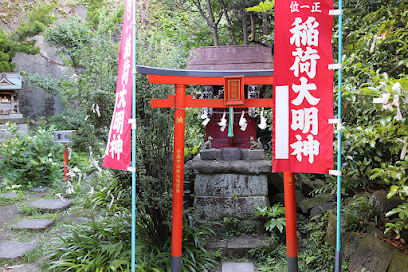
Otsuna Kompira Shrine
Kanagawa 221-0834
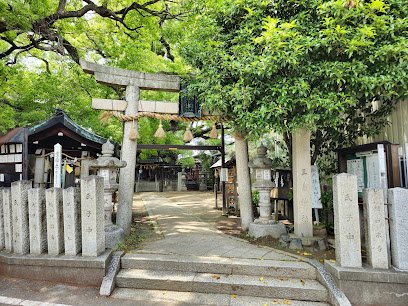
Mitsushima Shrine
Osaka 571-0015
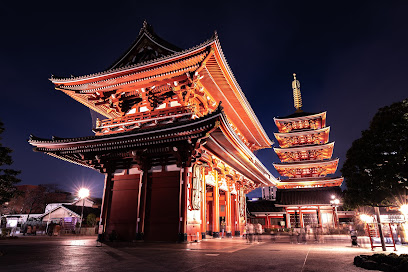
Sensō-ji
Tokyo 111-0032
Completed in 645, this temple, Tokyo's oldest, was built to honor Kannon, the goddess of m...
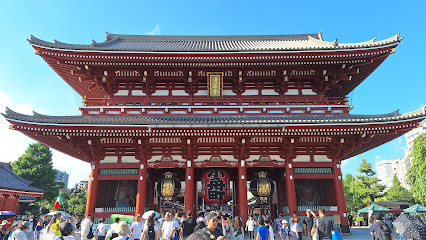
Kaminarimon
Tokyo 111-0032
A 3.9m-tall lantern greets visitors to this stately gate at the entrance to Sensō-ji templ...
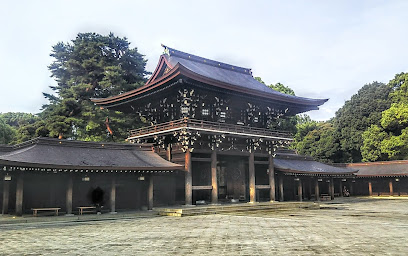
Meiji Jingu
Tokyo 151-8557
Surrounded by forest, this venerable Shinto shrine features a seasonal iris garden.

Kushida Shrine
812-0026
Founded in 757 CE, this urban site annually hosts the city's largest festival, Hakata Gion...