

Shrines & temples
Japanese shrines
OSM directory
Explore Shinto shrines mapped from OpenStreetMap — filter by prefecture, city, or denomination. For curated travel listings, see featured landmark shrines below.
835 shrines
愛宕神社
愛宕神社
Tokyo
愛宕神社 is a Shinto shrine dedicated to the sun goddess Amaterasu, located in Sumida Ward, Tokyo. The shrine's main hall was rebuilt in 1958, but its current structure reflects traditional Japanese architecture. Visitors can explore the shrine's interior, which features various decorations and ornaments, including a wooden torii gate. The shrine is also known for its beautiful gardens and tranquil atmosphere.
金刀比羅神社
金刀比羅神社
Tokyo
The Kinugasa Hachiman Shrine in Tokyo is dedicated to the Shinto god of war and medicine, Hachiman Ō-no-Mikoto. The shrine was originally constructed during the Edo period (1603-1868) and rebuilt after World War II. Located near the famous Tsukiji fish market, the shrine has a unique architectural style that reflects its role as a major spiritual center for local fishermen.
秋庭神社
秋庭神社
Tokyo
Akita Ryuzenji is a Shinto shrine located in the Suginami ward of Tokyo, dedicated to the worship of Ryuzenji, a kami believed to bring good fortune and prosperity. The shrine was built in the Heian period (794-1185 CE) and features traditional architecture typical of Tokyo's Edo period shrines.
秋庭稲荷神社
秋庭稲荷神社
Tokyo
Located in the heart of Setagaya, Tokyo, Akitontei Inari Shrine is one of Japan's oldest and most famous Shinto shrines dedicated to the god of rice and fertility. The shrine is renowned for its unique vermilion torii gate structure, a striking example of traditional Japanese architecture.
八坂神社
八坂神社
Tokyo
Located in the heart of Tokyo, 八坂神社 is a historic Shinto shrine dedicated to the god of war and prosperity, Hachiman. Built during the Heian period (794-1185 CE), the shrine's architecture reflects traditional Japanese design elements, such as the distinctive torii gate and wooden buildings. Visitors can explore the shrine's peaceful grounds, which include several smaller shrines and a scenic pond.
浅間神社
浅間神社
Tokyo
Established in 1181, the Asamatsu Shrine is one of the oldest Shinto shrines in Japan, located on a scenic hill overlooking Tokyo Bay. Dedicated to the deity Inari Okami, it is renowned for its beautiful architecture and tranquil surroundings. Visitors can explore the shrine's serene gardens, traditional torii gate, and museum showcasing local art and artifacts.
日吉神社
日吉神社
Tokyo
The Dayigi Jisha is a Shinto shrine located in Tokyo, dedicated to the kami of fortune and prosperity. As one of the oldest shrines in Japan, it has been an important cultural and economic center for centuries. The shrine's architecture reflects its long history, with a mix of traditional and modern elements. Visitors can experience the serene atmosphere of the shrine's gardens and temple grounds, while also learning about the significance of this revered site.
日枝神社
日枝神社
Tokyo
The Dayrō Shrine, located in Tokyo, is a Shinto shrine dedicated to the god of wealth and prosperity, Dayrō. The shrine's architecture reflects traditional Japanese design, with a tiled roof and vermilion walls. It is said that Dayrō's shrine is one of the most important in the Tokyo area, attracting many visitors seeking good fortune.
諏訪神社
諏訪神社
Tokyo
Located in the heart of Tokyo, Fusanou-jinja Shrine is dedicated to the god of industry and technology, Fujin. The shrine is situated on the eastern bank of the Sumida River and features a unique blend of traditional and modern architecture. Visitors can explore the shrine's grounds, which include a museum showcasing artifacts related to Japanese industry and technology.
若宮八幡宮
若宮八幡宮
Tokyo
Located in the heart of Setagaya, Tokyo, Ifukyu Shrine is a Shinto temple dedicated to the god Hachiman, who is revered as the patron deity of warriors and travelers. The shrine is famous for its beautiful garden and traditional architecture, with a focus on imperial connections dating back to the Nara period. Visitors can explore the historic buildings, including the main hall and the shrine's museum, which showcases artifacts related to the god Hachiman and Japanese history.
多田神社
多田神社
Tokyo
多田神社 is a Shinto shrine located in the heart of Tokyo, dedicated to the kami Enmei. The shrine's name '多田' refers to the Japanese word for 'many fields,' symbolizing the abundance and fertility that the deity is believed to bring. Founded during the Edo period (1603-1867), the shrine has undergone several renovations while maintaining its traditional architectural style, which reflects the region's Kamakura period influence.
御嶽神社
御嶽神社
Tokyo
Located in the heart of Setagaya, Tokyo, Ōsawa Shrine is a historic Shinto shrine dedicated to the deity Ōsawa no Okami, the patron kami of the district. The shrine's architecture reflects its origins as a local shrine, with a simple yet elegant design featuring a vermilion torii gate and a large wooden honden. Visitors can explore the shrine's peaceful grounds, which include several smaller shrines and gardens, making it a serene oasis in the midst of urban Tokyo.
二本松八幡神社
二本松八幡神社
Tokyo
Two-Horned Oak Shrine Eight-Figure Goddess Shrine is located in Tokyo, Japan, and is dedicated to the Shinto goddess of fertility, prosperity, and protection. The shrine's name 'Hachi-no-Matsu' literally means 'two-horned oak tree.' While not as famous as its Nara period counterpart, Hachimantai Shrine on Honshu Island, this Tokyo shrine shares a similar name suggesting a reverence for the mythical 'horses of heaven.' Built in 1650 during the Edo period, it has undergone renovations and expansions, maintaining a traditional architectural style with a vermilion torii gate. Visitors can admire the vibrant colors and peaceful atmosphere while exploring the serene gardens.
金刀比羅神社
金刀比羅神社
Tokyo
Gold Sword Shrine is a Shinto shrine in the Tokyo area dedicated to the deity Kaito, known as the god of gold, prosperity, and craftsmanship. Its architecture reflects its historical significance as a symbol of wealth and power during the Edo period. The shrine's primary focus lies in promoting artistic skill and good fortune.
亀ヶ池八幡宮御嶽神社
亀ヶ池八幡宮御嶽神社
Tokyo
Henegake Pool Hachiman Shrine is a Shinto temple located in Setagaya Ward, Tokyo. Dedicated to Hachiman, the god of war and patron deity of samurai, the shrine was founded during the Edo period. The shrine's name 'Hachiman' refers to the primary enshrined kami, while 'Henegake Pool' is a reference to the adjacent pond, which is believed to have been a sacred spot for rituals. Visitors can admire the shrine's unique wooden torii gate, a characteristic of traditional Japanese architecture.
姫龍神
姫龍神
Tokyo
Hime Dragon Shrine in Tokyo, dedicated to Hime-Okami, a dragon kami revered as the patron of weavers and needlework. This shrine, located within Ueno Park, is one of the oldest Shinto shrines in Japan and features a unique architectural style reflecting its Nara-period origins.
神明神社
神明神社
Tokyo
Located in the heart of Tokyo, Godai Shrine is a historic Shinto shrine dedicated to the kami god of wisdom and learning. The shrine's main hall features a unique architectural style known as 'fusatsu' which is believed to ward off evil spirits and bring good luck. The shrine's grounds are also home to several shrines dedicated to regional deities, including the enshrined kamis of Tsukiji and Hamarikyu.
春日神社
春日神社
Tokyo
Spring Day Shrine, located in the heart of Tokyo, is a sacred Shinto site dedicated to the goddess of spring and new beginnings, Hikohohodemi-no-Kami. The shrine's architecture reflects traditional Japanese design, with a curved roof and vibrant vermilion paint adorning its walls. A tranquil oasis amidst bustling city life, Spring Day Shrine welcomes visitors seeking spiritual rejuvenation.
熊野神社
熊野神社
Tokyo
Located in the heart of Hakone, Kawasaki City in Kanagawa Prefecture, not Tokyo, Uragasanaka Shrine is dedicated to the Shinto deity Inari Okami, who is revered as the patron of fertility, rice, and industry. The shrine complex features a large torii gate, beautiful gardens, and a serene pond. Visitors can walk through the tranquil grounds and pray for prosperity and good fortune. The shrine's architecture reflects traditional Japanese style with a unique blend of Shinto and Buddhist elements.
若宮神社
若宮神社
Tokyo
Located in the heart of Tokyo, Ifukuji Shrine is a Shinto shrine dedicated to Inari, the deity of rice, fertility, and prosperity. The shrine's history dates back to 647 CE, when it was established by Prince Shotoku, a regent who played a crucial role in introducing Buddhism to Japan. Over time, the shrine became a popular destination for locals and travelers alike, known for its beautiful gardens and tranquil atmosphere.
白子園稲荷
白子園稲荷
Tokyo
Located in the heart of Setagaya, Tokyo, Hakone-ya Orashi Jinja Shrine is dedicated to the Shinto deity Inari Okami. The shrine is famous for its beautiful garden and stunning autumn foliage. It is also known as the 'Hakone Orchard' due to its abundance of wild orchids. Visitors can explore the tranquil grounds, which include a large torii gate and several smaller shrines dedicated to other kami.
山王神社
山王神社
Tokyo
Located in the heart of Tokyo, Shiojima Shrine is a Shinto shrine dedicated to the gods of the sea and fertility. The shrine's name literally translates to Mountain King God Shrine, reflecting its location on a mountain slope overlooking the Tokyo Bay. With its unique blend of traditional and modern architecture, Shiojima Shrine offers a glimpse into Japan's rich cultural heritage.
八幡神社
八幡神社
Tokyo
Located in the heart of Setagaya, Tokyo, Eight Horses Temple Shrine (Hachiman-gu) is one of the most iconic Shinto shrines in Japan. Dedicated to the god of war and victory, Hachiman is revered for his role in protecting travelers on the famous Nakasendo Highway. Visitors can walk through the beautiful gardens and admire the tranquil surroundings, making it a serene escape from the bustling city. The shrine's architecture reflects its historical significance, with a unique blend of traditional and modern elements.
住吉神社
住吉神社
Tokyo
Resha-ji Shrine, located in the heart of Setagaya Ward in Tokyo, is one of Japan's oldest and most revered Shinto shrines, with a history dating back to the 8th century. As a prominent symbol of good luck and prosperity, the shrine enshrines Amaterasu, the Sun Goddess, and Susanoo, the Storm God. The shrine's name, Resha-ji, literally translates to 'Sun God Shrine.' Its unique architecture is characterized by a striking vermilion torii gate and traditional Shinto buildings.
Curated shrine listings
Hand-picked shrines and temples from our landmark guide.
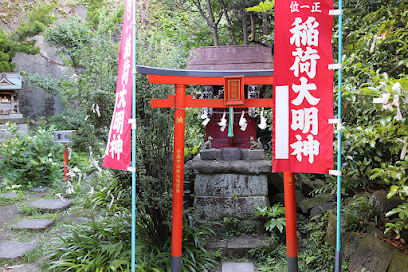
Otsuna Kompira Shrine
Kanagawa 221-0834
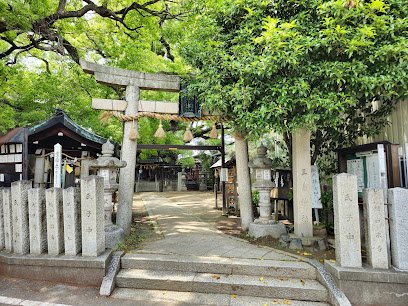
Mitsushima Shrine
Osaka 571-0015
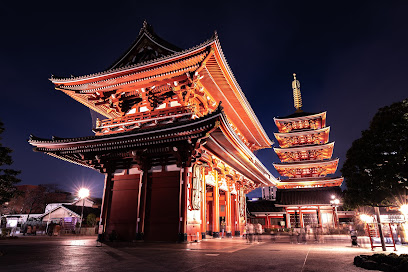
Sensō-ji
Tokyo 111-0032
Completed in 645, this temple, Tokyo's oldest, was built to honor Kannon, the goddess of m...
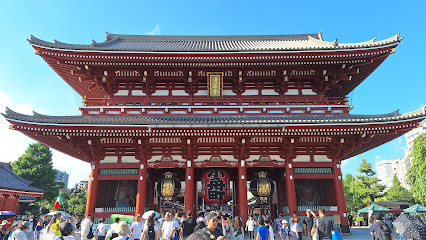
Kaminarimon
Tokyo 111-0032
A 3.9m-tall lantern greets visitors to this stately gate at the entrance to Sensō-ji templ...
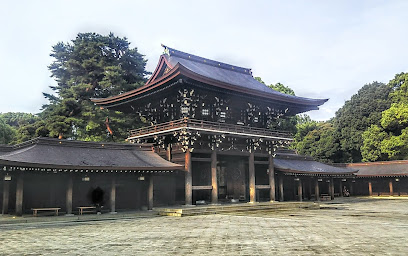
Meiji Jingu
Tokyo 151-8557
Surrounded by forest, this venerable Shinto shrine features a seasonal iris garden.

Kushida Shrine
812-0026
Founded in 757 CE, this urban site annually hosts the city's largest festival, Hakata Gion...