

Shrines & temples
Japanese shrines
OSM directory
Explore Shinto shrines mapped from OpenStreetMap — filter by prefecture, city, or denomination. For curated travel listings, see featured landmark shrines below.
975 shrines
白山神社
白山神社
Ishikawa
White Mountain Shrine is a Shinto shrine located in the Japanese Alps, dedicated to the kami of Mt. Haku and its surrounding area. The shrine is known for its beautiful gardens and traditional architecture. The shrine complex includes several smaller shrines, each enshrining a different aspect of nature. Visitors can enjoy hiking trails and scenic views of Mt. Haku, making it a popular destination for outdoor enthusiasts.
富貴龍神社
富貴龍神社
Ishikawa
The富貴龍神社 is a Shinto shrine dedicated to the deity Ryūjin, the Japanese god of dragons and the sea. Located in the city of Kanazawa, Ishikawa Prefecture, the shrine is known for its beautiful architecture and traditional festivals. The shrine's main hall was built in 1683 during the Edo period, featuring a unique blend of Japanese and Chinese architectural styles. Ryūjin, the primary kami enshrined at the shrine, is often depicted as a powerful dragon with the ability to grant good fortune and prosperity.
秋葉神社
秋葉神社
Ishikawa
Autumn Leaves Shrine, a serene Shinto site nestled in the picturesque town of Katsuyama, Ishikawa Prefecture, is dedicated to Inari Okami, the kami of rice and fertility. The shrine's elegant architecture reflects the region's rich cultural heritage, blending traditional and modern elements. Visitors can stroll through the tranquil gardens, taking in the vibrant autumn foliage and the iconic vermilion torii gate. Upon arrival, devotees are greeted by the shrine's friendly staff, who offer warm smiles and helpful guidance. As they explore the grounds, guests can learn about Inari's significance in Japanese mythology and the shrine's unique festivals, such as the annual Autumn Leaves Festival.
村社日枝神社
村社日枝神社
Ishikawa
Village Shrine Daye Shrine is a Shinto shrine located in the village of Daye, Ishikawa Prefecture. The shrine is dedicated to the god of agriculture and fertility, Daye Shrine is known for its beautiful gardens and traditional architecture. Visitors can experience the tranquility of nature at this serene shrine.
神明神社
神明神社
Ishikawa
The Godai Shrine, dedicated to the god of fertility and prosperity, is a historic Shinto shrine located in Kanazawa, Ishikawa Prefecture. Built in 1622 during the Edo period, the shrine's architecture reflects traditional Japanese design with its five-story pagoda and wooden torii gate. The primary deity enshrined here is Kofuku no Kami, the god of fertility and prosperity.
三輪神社
三輪神社
Ishikawa
Sanrei-jinja, located in the heart of Kanazawa, is a well-preserved Shinto shrine that dates back to the Muromachi period (1336-1573). The shrine's name translates to 'Three Wheels Shrine,' which refers to the three large stone wheels at its entrance. These wheels are believed to have been used as prayer wheels and are said to bring good luck and prosperity to those who ring them.
加茂神社
加茂神社
Ishikawa
Kamomozaku Shrine, located in Ishikawa Prefecture, is a Shinto shrine dedicated to the god of wisdom and education, Kamomozuku. The shrine's architecture reflects its historical significance as a center of learning, with a distinctive wooden pagoda and elegant garden. Visitors can explore the shrine's grounds, which include a museum showcasing local art and artifacts.
神明神社
神明神社
Ishikawa
Gōmin-gū Shrine is a Shinto shrine dedicated to the god of fertility and agriculture, Gōmin-gū, located in the city of Kanazawa, Ishikawa Prefecture. The shrine is renowned for its striking architecture and beautiful gardens. It was built in 1717 during the Edo period and is one of the most famous shrines in Japan.
津島神社
津島神社
Ishikawa
Tsushima Island Shrine, located in Ishikawa Prefecture, is dedicated to the Shinto kami of the same name, believed to be the spirit of Tsushima Island itself. The shrine's architecture reflects its humble origins as a sacred site for local residents, with a simple but charming torii gate and wooden shrine buildings.
北野神社
北野神社
Ishikawa
Located in the northern part of Kanazawa, Higashi Chaya District, North Country Shrine is one of the oldest and most revered Shinto shrines in Japan. The shrine's architecture is a mix of traditional and modern elements, reflecting its long history spanning over 1,100 years. As a significant cultural site, it offers insights into Japan's rich heritage.
新田天満宮
新田天満宮
Ishikawa
Located in the scenic town of Wakasa, Ishikawa Prefecture, 新田天満宮 is a charming Shinto shrine dedicated to the god of agriculture and prosperity, Inari Okami. The shrine's architecture is typical of Edo-period (1603-1868) style, with a single-tiered vermillion gate and a traditional torii entrance. Inside, visitors can admire the beautifully landscaped gardens and the shrine's historic wooden buildings. While Inari Okami is the primary deity enshrined here, several other kami are also worshipped at the shrine.
熱田神社
熱田神社
Ishikawa
Nagaoka-jo, the castle that once stood at the site of Hotaka-jinja Shrine in modern-day Kanazawa, was destroyed during a warlord battle in 1570. Later, after a fire devastated the area, the shrine was rebuilt and has since been restored to its former glory. Today, visitors can still see remnants of the original structure hidden beneath the current temple.
八幡神社
八幡神社
Ishikawa
Located in the city of Kanazawa, the Eight Humps Shrine is one of Japan's most famous Shinto shrines and a popular tourist destination. Dedicated to the storm god Susanoo-no-Mikoto, the shrine was originally built on an artificial island in the Asano River but was relocated to its current site in 1907 due to urbanization. The name 'Eight Humps' comes from the eight hills surrounding the shrine, which were believed to be formed by Susanoo's giant strides as he fought against the great serpent Yatagarasu.
神田神社
神田神社
Ishikawa
Godaiji Shrine is a Shinto shrine located in the city of Kanazawa, Ishikawa Prefecture, and is one of Japan's oldest shrines. The shrine is dedicated to Hachiman, the kami of war and patron deity of travelers. Visitors can explore the shrine's traditional architecture, including the main hall and torii gate. The shrine also houses a museum featuring artifacts related to the shrine's history and Hachiman mythology.
白山神社
白山神社
Ishikawa
The White Mountain Shrine, located in the Ishikawa prefecture, is a sacred site dedicated to the Shinto deity Susanoo-no-Mikoto and the goddess Omono, known as Hotei, or the god of luck and prosperity. The shrine is situated at the foot of Mount Katsuyama, one of Japan's 100 most sacred mountains, and is revered for its stunning natural beauty. Visitors can explore the tranquil gardens, admire the traditional wooden architecture, and experience the serene atmosphere that has captivated pilgrims for centuries.
八幡神社
八幡神社
Ishikawa
Located in the city of Kanazawa, Ishikawa Prefecture, Eight Hells Shrine is dedicated to the god Susanoo, a major Shinto deity. The shrine's primary enshrined deity is Susanoo, also known as Ō-no-Miya, and its secondary kami include the gods Yamato no Okami and Kagu-tsuchi. The shrine's architecture reflects traditional Japanese style, with a tiled roof and a vermilion torii gate. The site was once considered to be one of the Eight Hells, said to have been created by Susanoo's sister, Amaterasu.
八幡神社
八幡神社
Ishikawa
Located in the town of Hakusan, Ishikawa Prefecture, Eight Horseshoe Shrine is a Shinto shrine dedicated to Inari Okami, the deity of rice, fertility, and prosperity. The shrine's name 'Hakusansan-eight' literally translates to 'eight-horseshoe on Mount Hakusan.' Its unique architectural style features eight large torii gates at the base of Mount Hakusan, giving it its distinctive name.
八幡神社
八幡神社
Ishikawa
The eight-horned Hachiman Shrine, located in Kanazawa's Otemachi district, is one of Japan's most sacred Shinto shrines dedicated to the god of war and patron deity of samurai. With its unique architectural style reflecting regional Kamakura influences, the shrine welcomes visitors seeking blessings for victory, protection, and good fortune.
津島神社
津島神社
Ishikawa
Tsushima Shrine, located in the city of Kanazawa in Ishikawa Prefecture, is one of Japan's oldest and most revered Shinto shrines. Dedicated to the kami Inari Okami, Tsushima Shrine has played a significant role in the region's history and culture for centuries.
小野神社
小野神社
Ishikawa
Small, but picturesque small shrines are a common feature of rural Japanese landscapes. 小野神社, dedicated to the god of rice and fertility, is no exception. Built in 1601, during the Edo period, it stands as a testament to the enduring importance of agriculture and community. Today, visitors can still see the shrine's traditional red torii gate, a stunning example of Japanese architecture.
中島神社
中島神社
Ishikawa
中島神社 is a Shinto shrine located in the town of Hakusan, Ishikawa Prefecture. Dedicated to the kami of Mount Haku and its surrounding forests, the shrine is an important cultural and historical landmark in the region. The shrine's architecture reflects traditional Japanese design, with a simple yet elegant wooden torii gate and a large, tranquil courtyard.
金比羅神社
金比羅神社
Ishikawa
Kinhro Shrine in Ishikawa Prefecture is dedicated to the god of the sea, commerce, and prosperity. Located near the coast, it's believed to have been built during the Nara period (710-794 CE) to honor the local fishermen and traders. The shrine's architecture reflects its coastal location with a wooden torii gate that stands on pilings over the sea. Visitors can pray for a safe journey at sea or prosperity in business.
弥八地蔵本堂
弥八地蔵本堂
Ishikawa
Located in the city of Kanazawa, Ishikawa Prefecture, Mirai-ji Temple's main hall is dedicated to Benzaiten, the Shinto goddess of beauty, music, and poetry. The temple complex dates back to 1628 during the Edo period and features a mix of traditional Japanese architecture with Chinese influences. Visitors can enjoy beautiful gardens, a tranquil pond, and traditional tea ceremonies.
少彦名神社
少彦名神社
Ishikawa
少彦名神社 is a Shinto shrine located in Hakusan, Ishikawa Prefecture, dedicated to the god Hiko Mikoto, who is believed to have helped establish the city of Hakusan. The shrine's architecture reflects traditional Japanese styles, with a main hall built in the Heian period (794-1185 CE) and several smaller structures added later. Visitors can experience the serene atmosphere and rich history of this lesser-known shrine.
Curated shrine listings
Hand-picked shrines and temples from our landmark guide.
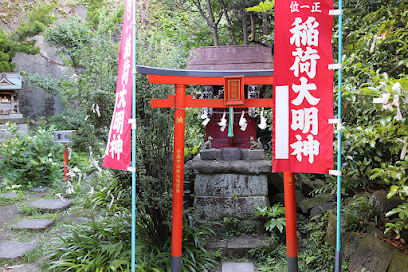
Otsuna Kompira Shrine
Kanagawa 221-0834
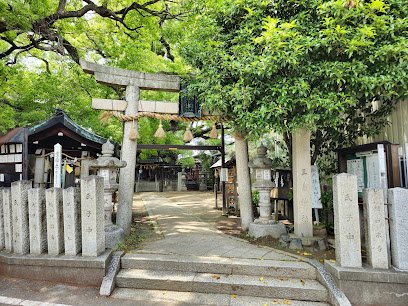
Mitsushima Shrine
Osaka 571-0015
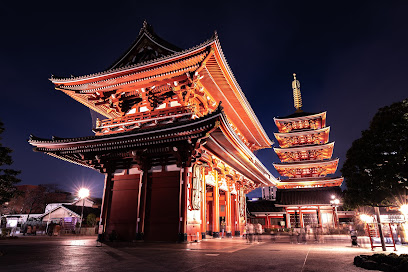
Sensō-ji
Tokyo 111-0032
Completed in 645, this temple, Tokyo's oldest, was built to honor Kannon, the goddess of m...
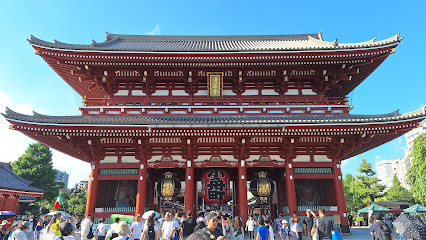
Kaminarimon
Tokyo 111-0032
A 3.9m-tall lantern greets visitors to this stately gate at the entrance to Sensō-ji templ...
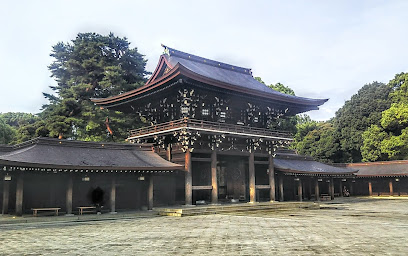
Meiji Jingu
Tokyo 151-8557
Surrounded by forest, this venerable Shinto shrine features a seasonal iris garden.

Kushida Shrine
812-0026
Founded in 757 CE, this urban site annually hosts the city's largest festival, Hakata Gion...