

Shrines & temples
Japanese shrines
OSM directory
Explore Shinto shrines mapped from OpenStreetMap — filter by prefecture, city, or denomination. For curated travel listings, see featured landmark shrines below.
835 shrines
石楯尾神社
石楯尾神社
Tokyo
Located in the heart of Tokyo, Tsuchi-no-Kami Shrine is a Shinto shrine dedicated to the kami of stone and mortar. The shrine is situated near the famous Tsukiji Outer Market, where locals come to pray for good luck and prosperity in their fishing endeavors. The shrine's architecture reflects its importance as a hub for fishermen and artisans, with wooden gates adorned with intricate carvings of fish and other sea creatures.
永福稲荷神社
永福稲荷神社
Tokyo
Located in the heart of Tokyo,永福稲荷神社 is a vibrant Shinto shrine dedicated to the god of rice and prosperity, Inari Okami. As one of Japan's most iconic shrines, it attracts millions of visitors each year. The shrine is famous for its thousands of vermilion torii gates, which symbolize the connection between heaven and earth. Visitors can explore the beautiful gardens, participate in traditional festivals, and learn about the rich history and mythology of this revered site.
不動明王
不動明王
Tokyo
The not-so-well-known Fudo Myo-o shrine in Tokyo, dedicated to the Buddhist deity of eternal existence and protector of the nation, brings a sense of serenity amidst the bustling cityscape. Its unique architecture and historical significance make it worth visiting for those interested in Shintoism and Japanese culture.
春日神社
春日神社
Tokyo
Spring Day Shrine, located in the heart of Tokyo, is a revered Shinto shrine dedicated to the sun goddess Amaterasu Omikami. Founded during the Edo period (17th century), the shrine has played a significant role in Japanese culture and history. Its beautiful architecture, adorned with vibrant vermilion accents, reflects the traditional styles of Japan's imperial era. Visitors can explore the serene gardens, peaceful walking paths, and historic buildings, offering a tranquil escape from the bustling city.
八幡神社
八幡神社
Tokyo
Hachiman Shrine, located in the heart of Mitaka Park in Tokyo, is dedicated to Hachiman Okami, the Shinto deity patron saint of warriors and travelers. The shrine's architecture reflects the Heian period style, with a large torii gate and a traditional Japanese garden. Visitors can enjoy various festivals and events throughout the year, including the annual Star Festival and the Hachiman Shrine Spring Festival.
八幡神社
八幡神社
Tokyo
Located in the heart of Setagaya, Tokyo, Eighteen Hara Shrine is a Shinto shrine dedicated to the god of wind and storms, Fujin, as well as the goddess of rice and fertility, Inazuka Okami. The shrine's architecture reflects its role as a protector of agriculture, with intricate wooden carvings and ornate decorations adorning its gates. Its tranquil atmosphere belies the power of its deities, who are believed to ensure a bountiful harvest and favorable winds for crops.
稲荷大明神
稲荷大明神
Tokyo
The Senso-ji temple, located in the Asakusa district of Tokyo, is one of Japan's most iconic and ancient shrines. Dedicated to the god Inari Okami, a Shinto deity associated with rice, fertility, and industry, the shrine has been a significant cultural center for over 1,400 years. The current main hall was rebuilt in 1949 after being destroyed during World War II, but its roots date back to the Heian period (794-1185 CE). Visitors can explore the famous Nakamise shopping street, which offers traditional snacks and souvenirs, as well as the stunning lanterns and vermilion torii gates that adorn the shrine grounds.
金山神社
金山神社
Tokyo
The Kinzan Shrine, located in the heart of Tokyo, is a revered Shinto shrine dedicated to the kami of gold and wealth, known as Kinzan-kami. Built in the Heian period (794-1185 CE), this historic shrine has played a significant role in the region's economic development, serving as a symbol of prosperity for local merchants and artisans.
聲阿彌稲荷社
聲阿彌稲荷社
Tokyo
Located in the heart of Tokyo, 聲阿彌稲荷社 Shrine is a renowned Shinto temple dedicated to the god of rice, prosperity, and good fortune. This beautiful shrine complex was originally established during the Edo period (1603-1867) as a humble shrine for the local community. Over time, it has evolved into one of Tokyo's most iconic and revered Shinto shrines, attracting millions of visitors each year.
水天宮
水天宮
Tokyo
Located in the heart of Tokyo,水天宮 (Suidaimyō) is a historic Shinto shrine dedicated to the god of water and wisdom, Ryūgūin no Okami. Founded during the Edo period, the shrine is renowned for its beautiful garden and tranquil atmosphere. Visitors can walk along the serene paths, take in the views of the surrounding Tokyo Bay, and experience the rich cultural heritage of this revered temple.
八坂神社・金刀比羅神社
八坂神社・金刀比羅神社
Tokyo
Located in the heart of Shibuya, Meiji Shrine's counterpart in Tokyo is the Eightfold Shrine, a beautiful Shinto shrine dedicated to the deity Susanoo-no-Mikoto, associated with storms and fertility, as well as a sword-like object called 'Kamado'. This unique shrine honors the dual deities of eight-faced Susanoo and Kamado, who were revered for their powerful and protective qualities. The shrine is notable for its striking architecture, featuring a distinctive eight-faced torii gate.
熊野神社
熊野神社
Tokyo
Narita-san Shinsho-ji is a Shinto shrine located in the Nerima ward of Tokyo, but also known as Katsura Hie Shrine and more commonly 熊野神社. The shrine is famous for its beautiful cherry blossom trees and unique architectural style. According to legend, the shrine was founded by Emperor Jimmu, who is said to have been born on Mount Yatagarasu in the area. The shrine's architecture reflects the Heian period style with a large torii gate and a hall dedicated to the worship of the mountain god Hachiman. In addition to its historic significance, the shrine is also known for its stunning natural surroundings, including the nearby Nerima Park. Visitors can enjoy traditional Japanese sweets and beverages at the shrine's tea house.
浅間神社
浅間神社
Tokyo
Located in the heart of Tokyo, Aka no Misato Shrine is a Shinto shrine dedicated to Okuninushi Ōno-miyatsuko, the patron deity of fertility and prosperity. The shrine's name translates to 'Fertile Rice Fields' due to its historical association with agriculture and the region's fertile soil. Visitors can explore the shrine's tranquil grounds, which feature beautifully maintained gardens and a serene pond.
雨降神社
雨降神社
Tokyo
Amagasa Shrine, located in the heart of Setagaya Ward, Tokyo, is dedicated to Amaterasu Ōmikami, the Shinto sun goddess. The shrine's architecture reflects traditional Japanese design, with a distinctive curved roof and a torii gate adorned with vermilion paint. Visitors can explore the serene gardens, offering a tranquil respite from the bustling city.
山口神社
山口神社
Tokyo
This historic Shinto shrine in Tokyo's Chuo Ward is dedicated to the deities of Mount Fuji and the sea, reflecting its strategic location on the Tokyo Bay. The shrine's architecture and rituals are deeply rooted in the region's unique cultural heritage.
清水窪弁財天
清水窪弁財天
Tokyo
Kiyosumi Enshu Shrine is a Shinto shrine located in the Kiyosumi district of Tokyo, Japan. The shrine is dedicated to Benzaiten, the kami of beauty, art, and fertility, as well as Inari Okami, the god of rice and prosperity. The shrine's architecture reflects the Heian period style, with a main hall featuring a sloping roof and a vermilion torii gate. Visitors can explore the shrine's beautiful gardens and grounds, which include a pond, walking paths, and a tranquil atmosphere.
留魂祠
留魂祠
Tokyo
留魂祠, located in the heart of Tokyo, is a serene Shinto sanctuary that honors the spirits of ancestors and loved ones who have passed on. The shrine's name roughly translates to 'Prayer Hall for Departed Souls,' reflecting its purpose as a place for the faithful to offer prayers and seek guidance from the kami.
三徳大明神
三徳大明神
Tokyo
Located in the heart of Mitaka, Tokyo, Sanbutsudai-jinja Shrine is dedicated to three deities known as Sanbutsu: Fujin, Raijin, and Houshoumaru. These three kami are revered for their control over wind, thunder, and water, respectively. The shrine's design reflects its historical significance during the Edo period, with a striking vermillion torii gate.
三社大口真大神
三社大口真大神
Tokyo
Located in the heart of Tokyo, the three-shrine complex of Shitennō-ji is one of Japan's oldest and most important Shinto shrines. Dedicated to the three kami of power, prosperity, and wisdom, the shrine is believed to have been established during the Nara period (710-794 CE). The site was chosen for its natural springs, which were thought to possess healing properties. Today, visitors can experience the tranquil atmosphere of this sacred space, surrounded by towering trees and serene gardens.
天圀蔵五柱五成大神
天圀蔵五柱五成大神
Tokyo
Tenshu-ji Inari Shrine is one of the oldest and most famous Shinto shrines in Japan, dedicated to the god of fertility, rice, and prosperity. Located in Tokyo's Adachi Ward, the shrine is renowned for its vibrant orange torii gates and its role as a major stop on the road to the inner sanctum of the Meiji Shrine. Founded during the Edo period (1603-1868), Tenshu-ji Inari has played host to numerous festivals and rituals throughout its history.
天五色大天空神
天五色大天空神
Tokyo
Located in the heart of Tokyo, Tenmei no Tsukasa Jinja is a Shinto shrine dedicated to the god of the sky and heavens. The name 'Tenmei' translates to 'Great Heavenly Clouds,' reflecting its association with the celestial realm. This shrine is known for its distinctive vermilion torii gate, which stands out amidst the bustling cityscape.
天大圀主之命
天大圀主之命
Tokyo
Located in the heart of Tokyo, Tennoji Inari Shrine is a Shinto temple dedicated to the god of rice, fertility, and prosperity. The shrine is famous for its thousands of vermilion torii gates that form a tunnel leading to the main hall, symbolizing the connection between heaven and earth. Visitors can pray for good harvests, prosperity, and protection from evil spirits.
稲荷大明神
稲荷大明神
Tokyo
Inusato Shrine, dedicated to Inari Okami, is a prominent Shinto shrine located in Setagaya, Tokyo. Founded during the Heian period (794-1185 CE), it has played an important role in Japanese history and culture. The shrine's iconic five-story pagoda and sacred torii gate serve as symbols of its enduring spiritual significance.
笑福弁天
笑福弁天
Tokyo
Located in the heart of Tokyo, 笑福弁天 Shrine is a revered Shinto site dedicated to Benzaiten, the kami of prosperity, good fortune, and beauty. This shrine is known for its beautiful gardens and traditional architecture, making it a popular destination for both locals and tourists. Visitors can experience the tranquil atmosphere and stunning views of the surrounding area.
Curated shrine listings
Hand-picked shrines and temples from our landmark guide.
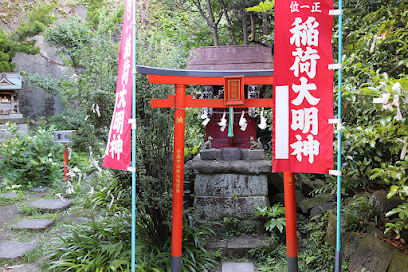
Otsuna Kompira Shrine
Kanagawa 221-0834
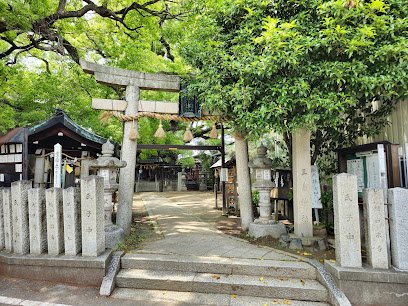
Mitsushima Shrine
Osaka 571-0015
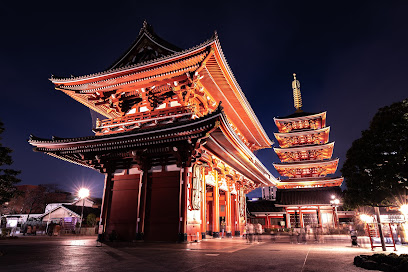
Sensō-ji
Tokyo 111-0032
Completed in 645, this temple, Tokyo's oldest, was built to honor Kannon, the goddess of m...
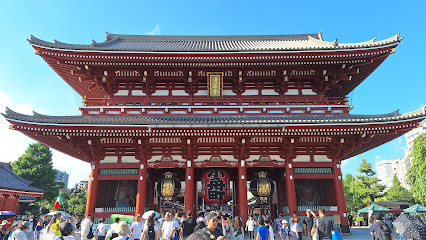
Kaminarimon
Tokyo 111-0032
A 3.9m-tall lantern greets visitors to this stately gate at the entrance to Sensō-ji templ...
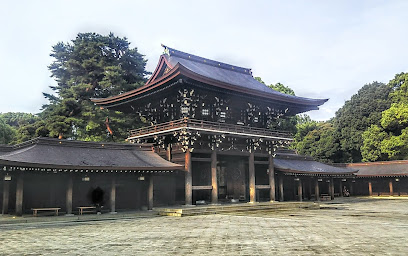
Meiji Jingu
Tokyo 151-8557
Surrounded by forest, this venerable Shinto shrine features a seasonal iris garden.

Kushida Shrine
812-0026
Founded in 757 CE, this urban site annually hosts the city's largest festival, Hakata Gion...