

Shrines & temples
Japanese shrines
OSM directory
Explore Shinto shrines mapped from OpenStreetMap — filter by prefecture, city, or denomination. For curated travel listings, see featured landmark shrines below.
321 shrines
弁天堂
弁天堂
千葉県 · 鴨川市
Located in the heart of Chiba Prefecture, Banten no Tama Shrine is a Shinto shrine dedicated to the goddess Benzaiten, revered as the patron deity of beauty, music, and poetry. The shrine's architecture blends traditional Japanese styles with influences from its location on the coast, reflecting the cultural exchange between Japan and China. Visitors can experience the serene atmosphere of the shrine grounds, which are adorned with beautiful gardens and walking paths.
貴船神社
貴船神社
千葉県 · 鴨川市
Located in the heart of 鴨川市, 貴船神社 is a Shinto shrine dedicated to the spirit of a noble ship that once sailed on the nearby waters. The shrine's architecture reflects traditional Japanese design, with a tiled roof and a vermilion torii gate. Despite being relatively unknown among tourists, 貴船神社 offers a serene escape from the city's bustle.
天津神明宮
天津神明宮
千葉県 · 鴨川市
天津神明宮 is a Shinto shrine located in 鴨川市, 千葉県, dedicated to the worship of Inari Okami, the god of rice, industry, and prosperity. The shrine's architecture reflects traditional Japanese style, with a tiled roof and intricately carved wooden doors. Visitors can explore the shrine's grounds, which include several shrines and temples, as well as a beautiful garden.
吾妻神社
吾妻神社
千葉県 · 鴨川市
This Shinto shrine in Chiba Prefecture is dedicated to the kami of fertility and marriage, with a long history dating back to the Heian period (794-1185 CE). The shrine's name roughly translates to 'the god of one's wife'. It is said that the shrine was founded by a local deity who protected the wives of fishermen in the nearby town. Today, the shrine is famous for its beautiful cherry blossoms and stunning views of Tokyo Bay.
若宮八幡神社
若宮八幡神社
千葉県 · 鴨川市
若宮八幡神社 is a Shinto shrine located in 鴨川市, 千葉県. Dedicated to the god Amaterasu Ōmikami, it is one of the oldest and most revered shrines in Japan. The shrine's name '若宮' translates to 'young palace,' referring to the mythological Palace of the Sun Goddess. With a history dating back over 1,000 years, the shrine has played a significant role in Japanese culture and traditions.
八雲神社
八雲神社
千葉県 · 鴨川市
Located in the heart of 鴨川市, eight clouds shrine is a serene Shinto oasis nestled amidst lush greenery. The shrine's tranquil atmosphere and picturesque surroundings make it an ideal destination for nature lovers and those seeking spiritual solace.
大萩神社
大萩神社
千葉県 · 鴨川市
Located in 鴨川市, 千葉県, 大萩神社 is a Shinto shrine dedicated to the kami of rice and prosperity. The shrine's architecture reflects its history as a rural temple, with traditional tiled roofs and wooden pillars. Visitors can explore the shrine's grounds, which feature beautifully landscaped gardens and a tranquil pond.
神明神社
神明神社
千葉県 · 鴨川市
Located in the heart of 鴨川市, 神明神社 is a historic Shinto shrine dedicated to the kami of light and wisdom. The shrine's architecture reflects the Heian period style, with a traditional torii gate and a rectangular main hall. Visitors can explore the shrine's grounds, which feature various wooden structures and beautifully landscaped gardens. A unique aspect of the shrine is its association with the legendary swordsmith Muramasa, who was said to have received his magical skills from the kami.
三島神社
三島神社
千葉県 · 鴨川市
Three Island Shrine, located in the city of Kamakura, is a Shinto shrine dedicated to the god Amaterasu Omikami, who is believed to reside on the island of Ise and also revered at Three Island Shrine as the protector of fishermen and sailors. The shrine is famous for its unique architectural style, with three wooden structures that represent the three islands of Ise. Visitors can experience a traditional Shinto service, complete with rituals and prayers to the kami. The shrine's beautiful gardens and tranquil atmosphere make it a popular destination for those seeking peace and serenity.
八幡神社
八幡神社
千葉県 · 横芝光町
Located in the heart of Chiba Prefecture, the Eight-Fold Temple Shrine (Hachimangū) is a Shinto temple dedicated to Hachiman, the kami of war and protector of the emperor. Founded during the Heian period, the shrine has played an important role in Japanese history, particularly during the Kamakura period when it served as the site for the worship of Hachiman as a patron deity. Today, the shrine is famous for its beautiful architecture, serene gardens, and vibrant festivals, making it a must-visit destination for anyone interested in Shinto culture.
八雲神社
八雲神社
千葉県 · 鋸南町
Located in 鋸南町, 千葉県, 八雲神社 is a Shinto shrine dedicated to the kami of the sea and weather. The shrine's name, Eight Clouds Shrine, is said to be inspired by the eight clouds that often gather over the Pacific Ocean near the town. The shrine's architecture reflects its coastal location, with a vermilion torii gate and a thatched roof. Visitors can enjoy the shrine's beautiful gardens and scenic views of the surrounding coastline.
西神社
西神社
千葉県 · 鴨川市
Located in the city of Katsuragi, Chiba Prefecture, West Shrine is a Shinto shrine dedicated to Inari Okami, the deity of rice, fertility, and prosperity. The shrine's architecture reflects the traditional style of shrines from the Heian period. Visitors can explore the shrine's tranquil gardens and experience its serene atmosphere.
八雲神社
八雲神社
千葉県 · 鴨川市
Located in the heart of 鴨川市, in千葉県,八雲神社 is a historic Shinto shrine that has stood since the Edo period (1615-1868). Dedicated to the kami of good weather and storms, the shrine is known for its striking architecture and picturesque surroundings. Visitors can explore the shrine's grounds, which feature beautiful gardens and walking trails along the nearby riverside.
白山神社
白山神社
千葉県 · 鴨川市
白山神社, located in 鴨川市,千葉県, is a Shinto shrine dedicated to the god of rice and agriculture. The shrine's architecture reflects its historical significance as a major hub for rice cultivation in the region. Built in 1889, the shrine's main hall was designed in the Heian period style, with a distinctive curved roof and intricate wood carvings. Visitors can explore the shrine grounds, which include a museum showcasing local history and culture.
須賀社
須賀社
千葉県 · 鴨川市
Suiga-sha, located in Tsukudani-machi, Kamakura city, Kanagawa prefecture, is one of Japan's oldest Shinto shrines, with a history dating back to the 7th century. This ancient shrine complex features a distinctive gatehouse and offers stunning views of Sagami Bay. The shrine is also famous for its beautiful gardens and traditional architecture.
八雲神社
八雲神社
千葉県 · 鴨川市
Located in the city of Kamakura, Koenji Hachiman Shrine is a Shinto shrine dedicated to Hachiman Tenjin, the god of war and patron deity of scholars. It was originally built in 1884 but has undergone several renovations over the years. The shrine's main hall, known as the 'Honden,' features a large torii gate and a beautiful garden with a peaceful atmosphere. Visitors can also explore the adjacent Koenji Museum to learn more about the history and culture of Kamakura.
天富神社
天富神社
千葉県 · 鴨川市
Located in the city of Katsuura, Chiba Prefecture, Tenno-ji Shrine is dedicated to the god of agriculture and fertility. The shrine's design reflects its role as a guardian of the local rice fields. Built in 1628 during the Edo period, the shrine features a traditional Japanese architectural style with a distinctive roof and ornate lanterns.
四方木熊野神社
四方木熊野神社
千葉県 · 鴨川市
Fourno-oki Kushino Jinja is a Shinto shrine located in Inba, Chiba Prefecture, dedicated to the kami of the forest and the patron deity of the local village. The shrine is situated at the intersection of four major roads, hence its name Fourno-oki, which translates to 'four-way woods.' The shrine's architecture reflects traditional Japanese design, with a curved roof and sliding doors made from natural wood. Visitors can experience the tranquility of the surrounding forest while worshiping at the shrine.
熊野神社
熊野神社
千葉県 · 袖ケ浦市
Kasugayama Shrine is a Shinto shrine dedicated to the god of agriculture and fertility, Kasuga no Okami, located in Chiba Prefecture's Sokakpe City. As one of Japan's most ancient shrines, it has been revered for over 1,500 years. The shrine is famous for its magnificent vermillion torii gate, which symbolizes good luck and prosperity.
北町稲荷神社
北町稲荷神社
千葉県 · 館山市
Located in the heart of Tsukudani, a scenic coastal area in Chiba Prefecture, North Town Inari Shrine is dedicated to the deity of rice and prosperity. With its stunning views of Tokyo Bay, the shrine attracts visitors from all over Japan seeking blessings for good fortune, business success, and fertility. This 14th-century shrine is known for its unique architecture and beautifully maintained courtyards.
八坂山神社
八坂山神社
千葉県 · 館山市
Located in the city of Tsukuba, Chiba Prefecture, is the Eight-Fold Mountain Shrine (Hachisakamori Shrine), a Shinto shrine dedicated to the god Hachiman, a kami believed to protect travelers and warriors. The shrine's name 'Eight-Fold' is derived from the fact that its grounds are divided into eight distinct regions, each with its own unique charm and character. Visitors can explore the shrine's peaceful gardens, take in the stunning views of the surrounding mountains, and experience traditional Japanese culture.
熊野神社
熊野神社
千葉県 · 館山市
Narita-san Shinshu, the Torii gate of Kanto region's most famous Shinto shrine, Kumano Sanzan's southernmost temple, located in Chiba Prefecture, is dedicated to the sun goddess Amaterasu and the god of storms Susanoo. As a major pilgrimage site in Japan, Kumano Sanzan is revered for its eight sanctuaries representing the eight virtues. The shrine complex features various shrines and temples within its grounds, including the famous Kumano Hongu Taisha. This Kumano shrine has been designated as a UNESCO World Heritage Site since 2004.
日枝神社
日枝神社
千葉県 · 館山市
The Dayrō Shrine, located in Tsukuda City, Chiba Prefecture, is a Shinto shrine dedicated to the god of the sea and storms, Dayrō. The shrine is situated on the coast, where the ocean waves meet the land. The primary enshrined deity is Hachiman, also known as Ōtori Hachiman, a Shinto god of war, but also associated with stormy weather and marine activities. Visitors can admire the traditional Japanese architecture, including the main hall, the shrine's torii gate, and the beautiful gardens. The shrine is also famous for its unique festival tradition, where participants dress up in costumes and perform a ritual dance to appease the god of storms.
松ヶ岡八幡宮
松ヶ岡八幡宮
千葉県 · 館山市
Located in the city of Wakashiba, Matsukageoka Hachiman Shrine is dedicated to Hachiman Okami, a Shinto god often associated with war and protection. The shrine is situated at the base of Mount Nokogiri, which means 'tree mountain' in Japanese. According to legend, the shrine was founded by the Imperial Regent Fujiwara no Yoshimasa in 1522. As the shrine's primary deity, Hachiman Okami is believed to bring good fortune and protection to those who visit. Visitors can explore the shrine's beautiful gardens and historic buildings, which date back to the Edo period.
Curated shrine listings
Hand-picked shrines and temples from our landmark guide.
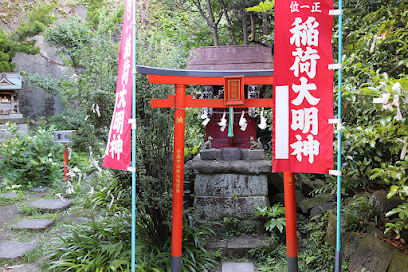
Otsuna Kompira Shrine
Kanagawa 221-0834
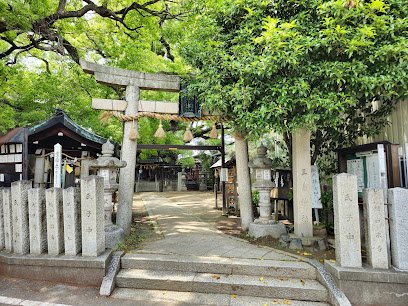
Mitsushima Shrine
Osaka 571-0015
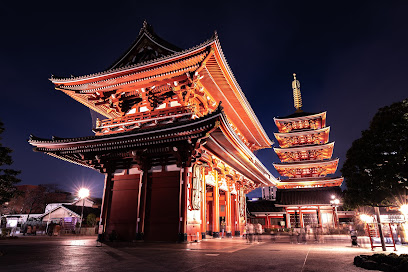
Sensō-ji
Tokyo 111-0032
Completed in 645, this temple, Tokyo's oldest, was built to honor Kannon, the goddess of m...
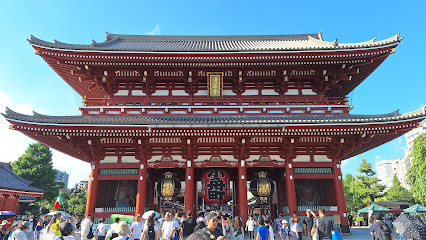
Kaminarimon
Tokyo 111-0032
A 3.9m-tall lantern greets visitors to this stately gate at the entrance to Sensō-ji templ...
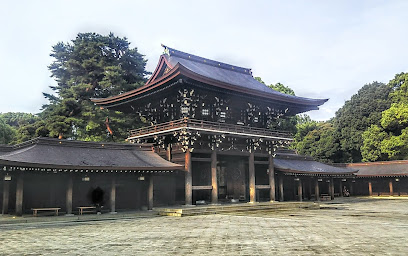
Meiji Jingu
Tokyo 151-8557
Surrounded by forest, this venerable Shinto shrine features a seasonal iris garden.

Kushida Shrine
812-0026
Founded in 757 CE, this urban site annually hosts the city's largest festival, Hakata Gion...