

Shrines & temples
Japanese shrines
OSM directory
Explore Shinto shrines mapped from OpenStreetMap — filter by prefecture, city, or denomination. For curated travel listings, see featured landmark shrines below.
841 shrines
山王塚
山王塚
Saitama
Located in the heart of Saitama Prefecture, Mountain King Tomb is a Shinto shrine dedicated to the veneration of kami. The shrine's architecture reflects traditional Japanese design, with a tiled roof and sliding doors. Its significance lies in its unique name, which refers to a mountain tomb or ancestral burial ground, highlighting the importance of ancestral worship in Shintoism.
川島久伊豆神社
川島久伊豆神社
Saitama
Located in the town of Kawajima, Saitama Prefecture, Ishi Edo Shrine is a Shinto shrine dedicated to the god of the island, known as Ishi no Kami. The shrine was originally built in 1884 and has undergone several renovations over the years. Its current structure is a result of a 2011 reconstruction. Today, visitors can explore the shrine's main hall, which features a large torii gate and a serene garden.
鷲神社
鷲神社
Saitama
Located in the city of Kawagoe, Saitama Prefecture, 鷲神社 is a Shinto shrine dedicated to the god of the sea and fishing, Hōjin Okami. The shrine's architecture reflects its regional influence, with a unique blend of traditional and modern elements. Visitors can enjoy the scenic views of the surrounding area while paying respects at this tranquil oasis.
久伊豆神社
久伊豆神社
Saitama
Ku-Izu Shrine is a Shinto temple located in the hills of Ku-Izu, a scenic area famous for its hot springs and stunning natural scenery. Dedicated to the kami of the land, the shrine is believed to offer blessings for good health, prosperity, and safe passage.
八幡神社
八幡神社
Saitama
Located in the city of Tokorozawa, Saitama Prefecture, Eight Horses Temple Shrine is a historic Shinto shrine dedicated to the god of fortune, prosperity, and victory. The shrine's name is inspired by the eight horses that are said to have pulled a chariot for the god Susanoo-no-Mikoto. Visitors can explore the shrine's main hall, which features a beautiful vermilion torii gate, as well as its adjacent gardens and traditional Japanese architecture.
愛宕神社
愛宕神社
Saitama
愛宛神社 is a Shinto shrine located in the heart of Saitama Prefecture, dedicated to the god Susanoo-no-Mikoto, one of the three main deities of the Japanese pantheon. The shrine's name is derived from its location at the confluence of the Sumida and Edogawa rivers. With its rich history dating back to the 7th century,愛宛神社 has played an important role in local affairs for centuries, serving as a hub for trade, commerce, and community activities.
愛宕神社
愛宕神社
Saitama
Ayetaka Shrine, located in Saitama Prefecture, is a Shinto shrine dedicated to the god of prosperity and good fortune, Agetsuma Okami. The shrine's architecture reflects its historical significance as one of the oldest shrines in the region, dating back to the Heian period (794-1185). Visitors can explore the shrine's beautiful gardens and traditional torii gate, while also learning about its rich cultural heritage.
氷川神社
氷川神社
Saitama
氷川神社 is a Shinto shrine located in the city of Kodaira, Saitama Prefecture, and is dedicated to the god of the Hieshima River, which runs through the surrounding area. The shrine is known for its beautiful gardens and traditional architecture, reflecting the Kamakura period style. Its rich history dates back to the 8th century, with records showing that it was an important center for spiritual practice during the Edo period. Visitors can experience the tranquil atmosphere of the shrine's grounds, which are particularly popular during the autumn leaf season.
岸町熊野神社
岸町熊野神社
Saitama
Located in the heart of Saitama Prefecture, Kumono-senpai Utsunomiya-jinja is a Shinto shrine dedicated to Utsunomiya-Okami, the kami enshrined as the lord of Utsunomiya. This historic shrine was established during the Nara period (710-794 CE) and features traditional Japanese architecture with a tiled roof and torii gate. Visitors can explore the shrine's peaceful grounds, including a scenic walking path and serene pond. The shrine also hosts various festivals throughout the year, including the Utsunomiya Shrine Festival in May.
春日神社
春日神社
Saitama
Located in the heart of Saitama, Spring Palace Shrine (Springidayjinsha) is one of Japan's oldest shrines, dating back to the 8th century. Dedicated to the sun goddess Amaterasu and her son Susanoo, it is also enshrined with the Shinto god of war Hachiman. The shrine's name 'Spring' reflects its founding during the spring season. With its traditional architectural style, Spring Palace Shrine serves as a sacred site for locals and visitors alike.
陸道稲荷神社(渋井)
陸道稲荷神社(渋井)
Saitama
Located in the heart of Saitama Prefecture, Kunitomi-dera Land Gate Shrine is a historic Shinto shrine dedicated to the god of land and agriculture, Inari Ō no Kami. With a rich history dating back to the 8th century, this shrine has played an important role in the region's agricultural development and is known for its unique Land Gate architecture.
諏訪八幡神社
諏訪八幡神社
Saitama
Located in the heart of Saitama, 諏訪八幡神社 is a renowned Shinto shrine dedicated to the kami of Inari Okami, revered as a patron of fertility and prosperity. The shrine's elegant architecture and serene gardens reflect its tranquil atmosphere, where visitors can purify themselves through rituals and prayers.
菖蒲神社
菖蒲神社
Saitama
Located in the heart of Kitasena District, Kusa no Maga Shrine is a small Shinto shrine dedicated to Kusa no Maga kami, an enshrined deity believed to have the power to purify and ward off evil spirits. The shrine's architecture reflects its humble origins, with a simple yet elegant design characteristic of rural shrines in Saitama Prefecture. Visitors can enjoy traditional Japanese tea ceremonies at the shrine's teahouse, adding to the tranquil atmosphere.
稲荷神社
稲荷神社
Saitama
Located in the heart of Tokorozawa, this Shinto shrine is one of Japan's most famous and revered sites. Dedicated to the rice goddess Inari Okami, it boasts a stunning vermilion torii gate and a tranquil pond, surrounded by beautifully landscaped gardens. Visitors can explore the various shrines within the complex, each dedicated to specific aspects of Inari's domain.
小河内神社
小河内神社
Saitama
小河内神社 is a Shinto shrine located in Saitama Prefecture, dedicated to the worship of the kami Inari Okami. The shrine is situated at the foot of Mount Nokogiri and is known for its beautiful gardens and traditional architecture. According to local legend, the shrine was originally built in 767 CE during the Nara period, making it one of the oldest shrines in Saitama Prefecture.
八幡宮
八幡宮
Saitama
Located in the heart of Saitama, Eight Horseshoe Shrine is one of Japan's most famous and revered Shinto shrines, dedicated to Fujin, the god of wind and storms. With its striking eight-horseshoe motif, this shrine embodies the power of nature. Built during the Edo period, its architecture reflects the classic style of traditional Japanese temples. Visitors can walk through the serene grounds and experience the tranquility of the shrine.
氷川神社
氷川神社
Saitama
Izukawa Shrine, located in the city of Hitachi, Saitama Prefecture, is a Shinto shrine dedicated to the kami of ice and snow. The shrine's architecture reflects its historical significance as a stopping point for travelers during the cold winter months. Its wooden torii gate and traditional Japanese buildings are adorned with intricate carvings depicting scenes from nature and the changing seasons.
愛宕神社
愛宕神社
Saitama
Aiwa Shrine, located in the heart of Hitachi Seaside City, is dedicated to the Shinto god Inari Okami, patron deity of rice, fertility, and prosperity. The shrine's architecture reflects its origins as a humble temple during the Edo period. Visitors can explore the shrine's tranquil gardens, adorned with intricate stone lanterns, and participate in festivals honoring the kami's abundance.
住吉神社
住吉神社
Saitama
Resha-ki Jinja is a Shinto shrine dedicated to the sun god Amaterasu in Saitama Prefecture, known for its beautiful gardens and tranquil atmosphere. The shrine's main hall was rebuilt after being destroyed during World War II, with a new design inspired by traditional Japanese architecture. Visitors can admire the shrine's vermilion torii gate and explore the surrounding gardens, which feature various types of trees and plants native to Japan.
愛宕神社
愛宕神社
Saitama
Located in the heart of Saitama, Ai-datsu Shrine is a Shinto temple dedicated to the goddess of fertility and prosperity, Oinagi-okami. The shrine's design reflects its importance as a regional center for agricultural festivals. Visitors can explore the shrine grounds, adorned with seasonal decorations, and participate in the annual Autumn Leaves Festival (Koyo Matsuri) or Summer Solstice Festival (Matsuri).
氷川神社
氷川神社
Saitama
Located in the town of Katsuta, Saitama Prefecture, Hikokawa Shrine is dedicated to the Shinto god of fertility and prosperity, Ryujin. The shrine's name, 'Hikokawa,' roughly translates to 'ice river' or 'frozen stream.' This unique name may be attributed to the nearby natural spring that was believed to have healing properties in the past.
八幡神社
八幡神社
Saitama
Located in Saitama Prefecture, Eight Horses Temple Shrine is dedicated to the kami of eight horses that appeared before Oshimikado, a legendary emperor, as he was about to be assassinated. The shrine's current structure dates back to the Kamakura period (1185-1333). It is famous for its unique architectural style, which blends traditional Shinto elements with Buddhist influences.
御嶽神社
御嶽神社
Saitama
Tsukahara Okunoin Temple, also known as Tsukahara Shrine or Otsuka Shrine, is a Shinto shrine located in the Otsuka Ward of Saitama, Japan. Dedicated to the deified spirit of Tsukahara Bokuden, a renowned Japanese samurai and Buddhist monk who traveled to China and Korea during the 16th century, this shrine is known for its unique architecture and cultural significance.
北野八幡神社
北野八幡神社
Saitama
Located in the heart of Saitama, North Park Eight-Handled God Shrine is a prominent Shinto site dedicated to the worship of Susanoo-no-kami, the storm god and god of war. The shrine's architecture reflects its Heian period origins, with a wooden torii gate and a tranquil garden featuring plum blossoms and maple trees. As one of Japan's oldest shrines, North Park Eight-Handled God Shrine offers visitors an opportunity to connect with ancient Shinto traditions.
Curated shrine listings
Hand-picked shrines and temples from our landmark guide.
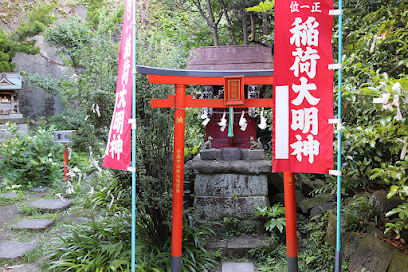
Otsuna Kompira Shrine
Kanagawa 221-0834
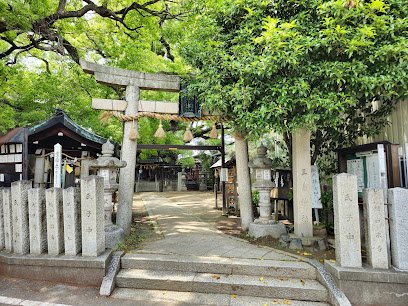
Mitsushima Shrine
Osaka 571-0015
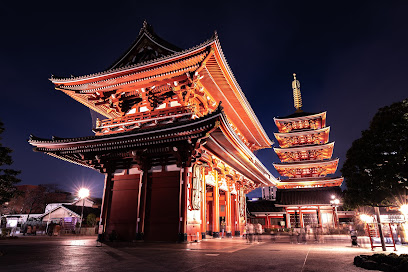
Sensō-ji
Tokyo 111-0032
Completed in 645, this temple, Tokyo's oldest, was built to honor Kannon, the goddess of m...
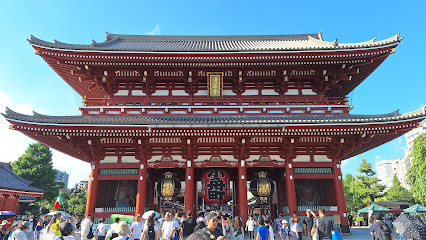
Kaminarimon
Tokyo 111-0032
A 3.9m-tall lantern greets visitors to this stately gate at the entrance to Sensō-ji templ...
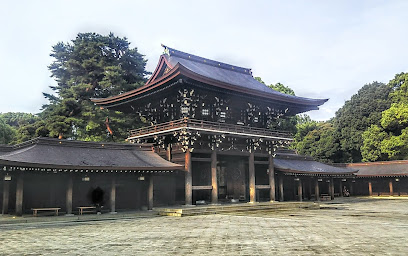
Meiji Jingu
Tokyo 151-8557
Surrounded by forest, this venerable Shinto shrine features a seasonal iris garden.

Kushida Shrine
812-0026
Founded in 757 CE, this urban site annually hosts the city's largest festival, Hakata Gion...