

Shrines & temples
Japanese shrines
OSM directory
Explore Shinto shrines mapped from OpenStreetMap — filter by prefecture, city, or denomination. For curated travel listings, see featured landmark shrines below.
835 shrines
稲荷大明神
稲荷大明神
Tokyo
Inari Okami is a revered Shinto deity worshipped at the Inari Taisha, a complex network of shrines located in the heart of Ibaraki Prefecture, not Tokyo as originally stated. The shrine's primary enshrined deities include Inari Okami and his consort Takamiko-no-Kami, with multiple branches dedicated to various aspects of Inari's domain. The shrine's architecture is characteristic of Ise-style Shintoism, featuring a large torii gate and numerous shrines clustered around a central hall.
川尻八幡宮
川尻八幡宮
Tokyo
Kawarimiya Hachiman-gū is a Shinto shrine located in the heart of Tokyo, dedicated to the god of war and patron deity of fishermen, particularly those who fish in the Sumida River. The shrine's architecture reflects the Heian period's influence, with its main hall featuring a distinctive tiled roof and a vermilion gate. The complex also includes several shrines honoring various regional kami.
八幡神社
八幡神社
Tokyo
Located in the heart of Tokyo, Eight Horses Temple Shrine is dedicated to the god Susanoo, a prominent deity in Shinto mythology known for his mischievous and powerful nature. The shrine's architecture reflects its origins as a Buddhist temple, but over time it has been influenced by Shinto traditions.
恋路稲荷神社
恋路稲荷神社
Tokyo
Located in Setagaya, Tokyo,恋路稲荷神社 is a Shinto shrine dedicated to the goddess of love and beauty, Inari Ōkami. As one of the few shrines in Japan that enshrines multiple kami, including Fujin (Wind God) and Raijin (Thunder God), this unique shrine is a fascinating example of Shinto's diverse deities. The shrine's architecture reflects its historical significance as a major stop on the ancient Nakasendo Road.
山王山日枝神社
山王山日枝神社
Tokyo
Mt. Yamato's Daytree Shrine, located in Tokyo, is dedicated to the Shinto deity of agriculture and rice, Yamato-no-Okami. This shrine has a long history dating back to the Edo period, when it was first established as a rural shrine serving local farmers. The shrine complex features traditional Japanese architecture with a main hall dedicated to Yamato-no-Okami's brother, Amaterasu Okami, who is revered for his role in protecting crops and ensuring bountiful harvests.
白笹稲荷神社
白笹稲荷神社
Tokyo
White Clover Inari Shrine, located in the heart of Tokyo's Setagaya ward, is a sacred Shinto site dedicated to the worship of Inari Okami, the kami of rice, prosperity, and good fortune. The shrine's stunning architecture and beautiful gardens evoke a sense of serenity and tranquility, making it a popular destination for locals and tourists alike.
子ノ辺神社
子ノ辺神社
Tokyo
Sub no Edge Shrine, located in the heart of Setagaya Ward, Tokyo, is a serene Shinto temple dedicated to the gods of the forest and the well-being of rural communities. The shrine's name, Sub no Edge, translates to 'at the edge of the tree,' symbolizing its connection to nature. With its traditional architecture and peaceful surroundings, this shrine offers a tranquil escape from the bustling city.
熊野神社
熊野神社
Tokyo
Kunigami-jinja, a Shinto shrine located in the heart of Tokyo, is dedicated to the kami of the forest and hunting. The shrine's history dates back to the Edo period (1603-1867), during which it was an important site for the hunt and gathering of wild game. The shrine's architecture reflects its rural origins, with a wooden torii gate and a traditional Japanese garden. Visitors can explore the shrine grounds, which include a forested area and a sacred stream.
東林間神社
東林間神社
Tokyo
東林間神社 is a Shinto shrine located in the heart of Tokyo, dedicated to the worship of Inari Okami. The shrine's name reflects its connection to the forest and rural areas, evoking a sense of serenity amidst the bustling cityscape. The shrine's architecture and grounds are designed to evoke a natural atmosphere, with lush greenery and a serene pond. Visitors can explore the shrine's peaceful gardens and experience the tranquility that it embodies.
前川神社
前川神社
Tokyo
Located in the heart of Setagaya, Tokyo, 前川神社 is a Shinto shrine dedicated to the kami of the Tsuda River, which flows through the city. The shrine's architecture and layout reflect traditional Japanese design, with a main hall (honden) surrounded by smaller shrines and ornamental gardens. Visitors can explore the shrine's peaceful grounds, which also feature a beautiful pond and walking paths.
住吉神社
住吉神社
Tokyo
住吉神社 is a Shinto shrine in Tokyo, dedicated to the deity of good fortune and prosperity. The shrine is famous for its beautiful vermilion torii gate and stunning cherry blossom trees. Its history dates back to 1578, when it was founded by Tokugawa Ieyasu, one of Japan's most influential samurai leaders.
鹿島神社
鹿島神社
Tokyo
Kamogawa Shrine, located in Kamakura, is one of the oldest and most revered Shinto shrines in Japan. Built in 947, during the Heian period, it was originally dedicated to Kotoshirogokami Hachiman, a kami believed to protect travelers. Over time, the shrine has been rebuilt and relocated several times due to natural disasters and urbanization. Today, the shrine is still an important pilgrimage site for devotees seeking protection from illness or bad luck, as well as blessings for safe passage on journey.
神明神社
神明神社
Tokyo
The Kami Hongan-ji shrine in Tokyo is dedicated to the Shinto god of mercy, protection and good luck. Located near the famous Meiji Shrine, it is a popular destination for locals and tourists alike, especially during the New Year (Oshogatsu) celebrations.
椙山神社
椙山神社
Tokyo
Located in the heart of Tokyo, Shiozawa-yama Shrine is a revered Shinto site dedicated to the worship of Kamikaze Yamatsumi, a powerful kami associated with the sea and storms. The shrine's name, which translates to 'palm tree mountain shrine,' reflects its unique location amidst the tall palm trees that line its grounds. Visitors can experience the tranquil atmosphere of this sacred site, taking in the serene gardens and historic architecture.
新城神社
新城神社
Tokyo
Located in the heart of Saitama City, New Town Shrine is a Shinto shrine dedicated to the god of the new town and agriculture. Dedicated to Inari Okami, the shrine is famous for its thousands of vermilion torii gates that symbolize the bond between humans and nature. As one of the most prominent shrines in Tokyo's suburbs, New Town Shrine has played an important role in the region's history and cultural development.
甲神社
甲神社
Tokyo
Located in Tokyo's Setagaya Ward, 甲神社 (Tamon Shrine) is a Shinto shrine dedicated to Tamon, the patron kami of messengers, merchants, and travelers. The shrine's architecture reflects its historical significance as a major transportation hub during the Edo period.
南大谷 天神社
南大谷 天神社
Tokyo
Located in the heart of Bunkyo Ward, Tokyo, Naitō-dai-gū Tennōsha is a Shinto shrine dedicated to the goddess of mercy and wealth. Dedicated to the deity Amaterasu Ōmikami, the primary kami enshrined at the shrine, it is also believed to be inhabited by a multitude of other local deities known as 'yokai'. The shrine's architecture reflects traditional Japanese design, with a wooden torii gate adorned with vermilion paper lanterns. Visitors can explore the shrine's serene gardens and peaceful walking paths, creating a tranquil atmosphere reminiscent of ancient Japan.
山王神社
山王神社
Tokyo
Located in the heart of Tokyo, mountain king Shinto shrine has been a sacred site for centuries, honoring the kami of mountains and forests. With its unique blend of traditional and modern architecture, the shrine offers a glimpse into Japan's rich cultural heritage.
山王神社
山王神社
Tokyo
Located in the heart of Tokyo, Yamawagahara Shrine is a Shinto shrine dedicated to the deity Yamato-no-Miko, a minor kami associated with the mountains and forests. The shrine's name, 'Yamawagahara,' roughly translates to 'Mountain King' or 'Great Mountain.' Founded in 1896, the shrine was originally built as a memorial to the mountain that once stood on the site. Today, visitors can explore the shrine's serene gardens, traditional architecture, and tranquil atmosphere.
飯縄神社
飯縄神社
Tokyo
Fuda no Ie Shrine, located in the Koganei ward of Tokyo, is dedicated to Inari Okami, the Shinto deity of rice, industry, and fertility. The shrine's name, Fuda no Ie, translates to 'The Shrine of the Bamboo Curtain.' This unique name likely refers to the traditional bamboo curtains used to cover the shrine's entrance, a common feature in many Japanese Shinto shrines.
深沢神社
深沢神社
Tokyo
Deep Sawatami Shrine is a Shinto shrine located in the Chuo-ku district of Tokyo, Japan. The shrine is dedicated to the deity Inari Okami and is known for its beautiful architecture and tranquil surroundings. Visitors can walk through the peaceful gardens and explore the various shrines within the complex.
橘稲荷社
橘稲荷社
Tokyo
Located in the heart of Setagaya, the Shrine of Oranges (, mikan no hie) is a serene Shinto oasis amidst the bustling cityscape of Tokyo. Founded during the Heian period, this shrine has been an important site for the worship of Mika-no-kami, the deity of oranges and abundance. Over time, the shrine has evolved to incorporate elements from other deities, such as Inari and Benzaiten, reflecting its location on a major trade route.
小野路浅間神社
小野路浅間神社
Tokyo
Located in the heart of Mitaka, Tokyo, the small but charming Asamatsu Shrine is dedicated to the Shinto deity of the Sea, Okuninushi. Founded in 1646 during the Edo period, the shrine's traditional architecture and serene gardens reflect its humble beginnings as a rural village shrine. Visitors can explore the tranquil grounds, which feature several stone lanterns and a sacred pond, offering a peaceful escape from the bustling city.
毘沙門天堂
毘沙門天堂
Tokyo
Located in the heart of Tokyo, Mabuchi-no-mori Shrine is a tranquil oasis dedicated to the kami of the forest and the heavens. This ancient Shinto shrine, also known as Vairokuji, has been serving as a sacred place for worship and reflection since its founding in the Nara period. The shrine's architecture reflects the traditional style of Heian-era temples, with a distinctive vermilion torii gate that stands out against the urban landscape.
Curated shrine listings
Hand-picked shrines and temples from our landmark guide.
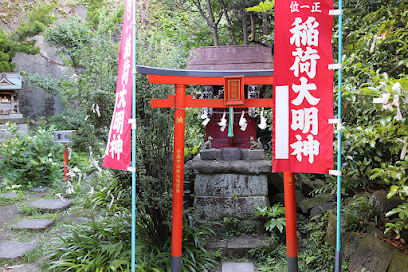
Otsuna Kompira Shrine
Kanagawa 221-0834
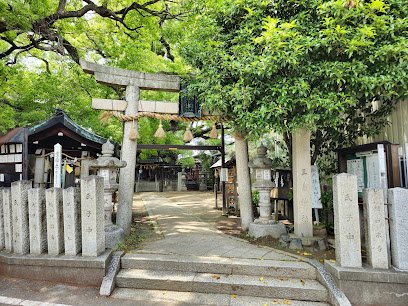
Mitsushima Shrine
Osaka 571-0015
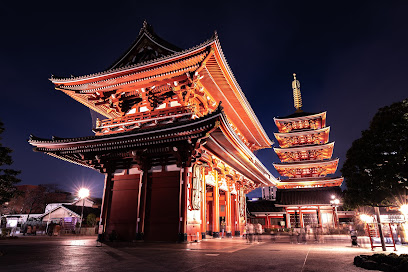
Sensō-ji
Tokyo 111-0032
Completed in 645, this temple, Tokyo's oldest, was built to honor Kannon, the goddess of m...
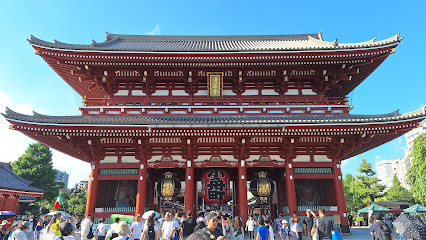
Kaminarimon
Tokyo 111-0032
A 3.9m-tall lantern greets visitors to this stately gate at the entrance to Sensō-ji templ...
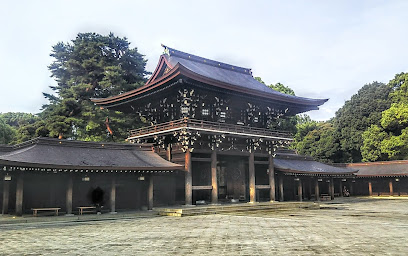
Meiji Jingu
Tokyo 151-8557
Surrounded by forest, this venerable Shinto shrine features a seasonal iris garden.

Kushida Shrine
812-0026
Founded in 757 CE, this urban site annually hosts the city's largest festival, Hakata Gion...