

Shrines & temples
Japanese shrines
OSM directory
Explore Shinto shrines mapped from OpenStreetMap — filter by prefecture, city, or denomination. For curated travel listings, see featured landmark shrines below.
835 shrines
若宮八幡神社
若宮八幡神社
Tokyo · 調布市下石原3丁目5−1
若宮八幡神社 is a Shinto shrine located in the heart of Shibaura, Tokyo. Dedicated to the god of war and victory, Susanoo-no-Mikoto, the shrine's name "若宮" refers to its humble origins as a mountain temple. The shrine is known for its unique architecture, which reflects a blend of traditional and modern elements. Visitors can explore the shrine's tranquil gardens and admire its striking vermilion torii gate.
白山宮神社
白山宮神社
Tokyo
Located in the heart of Tokyo, Hakone Shrine is dedicated to the Shinto god of treasure and wealth, Hakuoki, as well as other deities such as Fujin (the wind god) and Raijin (the lightning god). The shrine's main hall was originally built during the Heian period and has been rebuilt several times since then. Today, visitors can explore the beautiful gardens and take a stroll along the nearby Lake Ashi for stunning views of Mt. Fuji on a clear day.
皇武神社
皇武神社
Tokyo
Located in the heart of Tokyo, the Imperial Shrine is a Shinto shrine dedicated to the deified spirits of Japanese emperors and their ancestors. As one of the most prestigious shrines in Japan, it is known for its stunning architecture and rich history dating back to the 7th century. The shrine complex includes several buildings, including the Haiden (main hall) and the Honden (main shrine), as well as several smaller shrines and gardens.
代田八幡神社鳥居
代田八幡神社鳥居
Tokyo
Located in the heart of Tokyo, 代田八幡神社鳥居 is a historic Shinto shrine dedicated to the god of prosperity and good fortune, Hachiman. The shrine's name translates to 'Eight-Fold-Holy Spirit' and reflects its historical significance as an important site for spiritual guidance and protection during times of war and conflict. Visitors can admire the iconic vermilion torii gate, believed to symbolize a sacred entrance to the divine realm.
代田八幡神社鳥居
代田八幡神社鳥居
Tokyo
Located in Setagaya, Tokyo, 代田八幡神社鳥居 is a historic torii gate dedicated to the Shinto deity Bishamon, one of the seven Lucky Gods, and Enmei, the Buddhist god of prosperity. This shrine is part of the larger Yabushita Shrine complex, which was originally built in 1615. The current torii gate dates back to 1881 and has been rebuilt several times due to damage from fires and wars.
愛宕神社
愛宕神社
Tokyo
Love Shrine is a Shinto shrine located in Bunkyo, Tokyo, dedicated to Amaterasu Omikami and Susanoo-no-Mikoto. The shrine's name '愛宕' (Yae-tan) literally means 'love pool,' which refers to the pond near the main hall. It was built in 1868 during the late Edo period as a result of a popular marriage match between Prince Yoshihito, later Emperor Meiji, and Princess Shoken, sister of the Aizuya domain lord. The shrine is known for its large bronze bell, giant Buddha statue, and beautiful gardens.
末吉神社
末吉神社
Tokyo
Mizuno-ji Shrine, located in Setagaya Ward, Tokyo, is a Shinto shrine dedicated to the god of good fortune, prosperity, and longevity. The shrine's architecture reflects its historical significance as a major stop on the Nakasendo Way, a popular route connecting Kyoto with Tokyo. Visitors can explore the main hall, which features a striking torii gate, and participate in the annual Cherry Blossom Viewing Festival.
鑓水諏訪神社
鑓水諏訪神社
Tokyo
Located in the heart of Tokyo, 鑓水諏訪神社 is a Shinto shrine dedicated to Hōyū, the kami associated with water and rice, as well as Satsuki no Kami, the god of prosperity and good fortune. The shrine's current structure dates back to 1866, but its history can be traced back to the Edo period. Visitors can experience traditional Japanese culture by participating in the annual autumn leaves festival or taking a stroll along the nearby Sumida River.
白幡神社
白幡神社
Tokyo
Located in the heart of Saitama City, just north of Tokyo, Hikawadatsumi Shrine honors the kami of the Hikawa River and the nearby mountains. The shrine's main deity is Okami, the Shinto goddess of fertility and prosperity. Dedicated to the well-being of locals and travelers alike, this ancient shrine showcases traditional Japanese architecture with its distinctive red gate and curved roofs. Visitors can experience the serene atmosphere by strolling through the tranquil gardens and admiring the shrine's beautifully maintained wooden structures.
天祖神社
天祖神社
Tokyo
Located in the heart of Tokyo, Tenzū-jin-sha Shinto shrine is one of Japan's oldest and most historic shrines, with a history dating back to 645 AD. Dedicated to the deity Tenzū-no-kami, the shrine has played an important role in Japanese mythology and culture. As one of the few shrines to have survived the destruction of the old Edo town, it continues to be an essential spiritual site for Tokyo residents.
第六天社
第六天社
Tokyo
The sixth heaven, a heavenly abode of the sun goddess Amaterasu, is enshrined at the Shinto shrine named 'Toshi no Mura' in Tokyo's Adachi Ward. Established in 1929 by local residents who revered the spirit of the sun, this shrine honors the sacred fire and light that has illuminated Japanese history. Visitors can experience the serene beauty of nature amidst the tranquil surroundings.
八菅神社
八菅神社
Tokyo
Located in Setagaya Ward, Tokyo, Eight-Fingered God Shrine is dedicated to the Shinto kami of the eighth finger of the right hand, believed to possess a powerful spirit that grants wisdom and good fortune. The shrine's architecture reflects the Heian period style, with its tiled roof and vermilion torii gate.
上郷神明社
上郷神明社
Tokyo
Located in the heart of Setagaya, Shinjuku Ward, Tokyo, Uragashi Shrine is a Shinto shrine dedicated to the kami of good luck and prosperity. Founded during the Edo period, it has been rebuilt several times due to fires and earthquakes. The current structure dates back to 1930. The shrine is famous for its beautiful garden and tranquil atmosphere, making it a popular spot for locals and tourists alike.
伊勢山神社
伊勢山神社
Tokyo
Located in the heart of Tokyo, Ise-Sha Shrine is not actually located in Tokyo but in Mie Prefecture, however a small branch exists in Tokyo. Dedicated to the Sun Goddess Amaterasu, this Shinto shrine is an important cultural and historical site. The main branch is dedicated to Amaterasu, while a smaller branch in Tokyo is dedicated to Susanoo, her brother.
神楽館
神楽館
Tokyo
The Katsura Shrine, located in Tokyo's Setagaya ward, is a Shinto temple dedicated to the god of music and dance, Inari Okami. The shrine's main hall features a beautiful wooden gate, known as 'katsura-zukuri,' which is unique to the region. The shrine has been an important cultural hub for centuries, hosting traditional festivals and events that celebrate the arts.
大黒神
大黒神
Tokyo
The Daikokuten Shrine in Tokyo is dedicated to the god of prosperity, good fortune, and longevity. This shrine is located in the heart of the city, and its history dates back to the Edo period. The shrine's architecture is a blend of traditional Shinto styles, with a distinctive black gate and a large torii gate that symbolizes the connection between heaven and earth.
九郎明神社
九郎明神社
Tokyo
Kurou no Tsurugi no Okami Shrine, located in the heart of Setagaya, is a Shinto temple dedicated to the legendary hero Kurou no Tsurugi no Okami, known as 'The Sword of Kurou-no-Okami'. This shrine is renowned for its stunning architecture and serene surroundings, offering a tranquil escape from the bustling city. The shrine's history dates back to the 17th century, with the primary kami enshrined being Tenjin, the god of scholarship and culture. Visitors can explore the main hall, observe the beautiful garden, and experience the peaceful atmosphere that this sacred site has to offer.
橘樹神社
橘樹神社
Tokyo
Orchid Tree Shrine, located in the heart of Tokyo, is a lesser-known Shinto site dedicated to the kami of agriculture and fertility. This serene oasis offers a tranquil escape from the bustling city, with its lush gardens and majestic trees providing a peaceful haven for visitors. The shrine's architecture reflects the Heian period style, with its traditional wooden torii gate and carefully manicured grounds. A must-visit destination for nature lovers and those seeking a glimpse into Japan's rich cultural heritage.
多賀神社
多賀神社
Tokyo
Mogaha Shrine, located in the heart of Tokyo, is a revered Shinto site dedicated to the worship of Hachiman, the god of war and patron deity of the samurai class. As one of Japan's most historic shrines, it has played a significant role in the country's cultural heritage for centuries.
日吉八王子神社
日吉八王子神社
Tokyo
Located in the heart of Setagaya, Dayo Hachi-goyoshi Jinja Shrine is a historic Shinto shrine dedicated to the eight gods of prosperity and good fortune. The shrine's name refers to its original patron deity, Otsukimi-no-kami, who was worshipped by the city's founder, Tokugawa Ietsuna. Today, the shrine honors a diverse array of kami, including Amaterasu, Susanoo, and Fujin, as well as eight specific deities associated with prosperity and good luck.
下溝八幡宮
下溝八幡宮
Tokyo
下溝八幡宮 is a Shinto shrine located in the Edogawa ward of Tokyo, dedicated to the kami Fūin Ryūjin. The shrine's architecture reflects its Kamakura period origins, with a distinctive tiled roof and a main hall featuring a striking wooden beam structure. A tranquil atmosphere pervades the grounds, which also include a museum showcasing local art and artifacts. Visitors can explore the shrine's grounds, attend festivals, and participate in various traditional ceremonies.
御嶽神社
御嶽神社
Tokyo
Located in the heart of Tokyo, Ōtsuka Shrine is a Shinto shrine dedicated to the kami Ōtsukimi, a water spirit believed to reside in the nearby Sumida River. The shrine's current structure dates back to the Heian period (794-1185 CE), with significant renovations made during the Edo period (1603-1867 CE). As one of Tokyo's oldest and most revered shrines, Ōtsuka Shrine is renowned for its serene gardens and tranquil atmosphere, making it a must-visit destination for those seeking solace in nature.
角田八幡神社
角田八幡神社
Tokyo
Located in the heart of Tokyo, 角田八幡神社 is a historic Shinto shrine dedicated to the deity Susanoo, one of the most revered kami in Japanese mythology. The shrine's architecture reflects its origins as an ancient rite site, with a traditional torii gate and a wooden vermillion gate that dates back to the 17th century. Visitors can explore the shrine's tranquil grounds, which feature several ponds, walking paths, and a museum showcasing the history of the shrine.
三谷神社
三谷神社
Tokyo
Sai no Kuni no Minakachihaya Jinja, also known as Sankei Shrine, is a Shinto shrine located in the Sankei district of Setagaya, Tokyo. The shrine's main deity, Inari Ōkami, is revered for its bounty and fertility. Founded in 1455 by the Hosokawa clan, this historic shrine has maintained its traditional architecture, with an impressive wooden torii gate. Visitors can explore the serene gardens and shrines dedicated to various kami, including Inari, Okuninushi, and Isumi-no-kami.
Curated shrine listings
Hand-picked shrines and temples from our landmark guide.
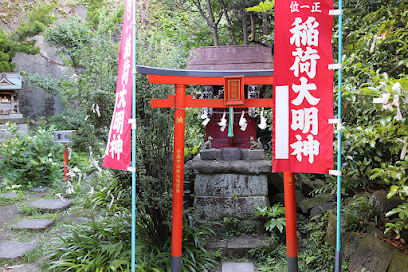
Otsuna Kompira Shrine
Kanagawa 221-0834
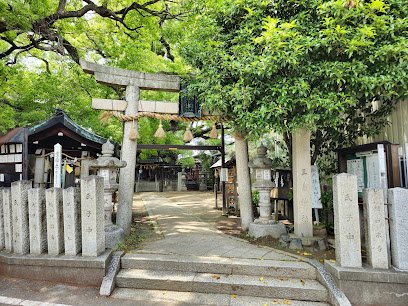
Mitsushima Shrine
Osaka 571-0015
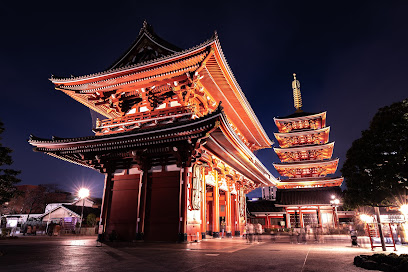
Sensō-ji
Tokyo 111-0032
Completed in 645, this temple, Tokyo's oldest, was built to honor Kannon, the goddess of m...
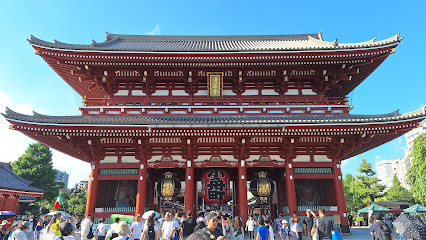
Kaminarimon
Tokyo 111-0032
A 3.9m-tall lantern greets visitors to this stately gate at the entrance to Sensō-ji templ...
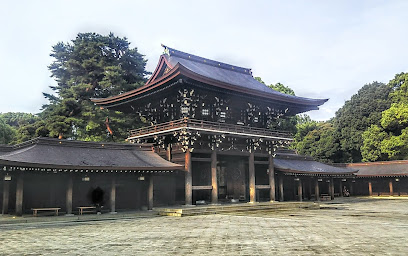
Meiji Jingu
Tokyo 151-8557
Surrounded by forest, this venerable Shinto shrine features a seasonal iris garden.

Kushida Shrine
812-0026
Founded in 757 CE, this urban site annually hosts the city's largest festival, Hakata Gion...