

Shrines & temples
Japanese shrines
OSM directory
Explore Shinto shrines mapped from OpenStreetMap — filter by prefecture, city, or denomination. For curated travel listings, see featured landmark shrines below.
841 shrines
八幡神社
八幡神社
Saitama
Located in the heart of Saitama, Eighteen Hands Shrine is one of Japan's oldest and most prominent Shinto shrines, dedicated to the kami Hachiman. Dedicated to the god of war and wisdom, the shrine boasts an impressive torii gate and stunning gardens. The shrine has played a significant role in Japanese history, having been an important site for the Tokugawa shogunate during the Edo period.
松宮稲荷神社
松宮稲荷神社
Saitama
Matsuyama Shrine, dedicated to Inari Okami, is a revered Shinto site located in the heart of Saitama Prefecture. As one of Japan's oldest and most iconic shrines, Matsuyama Shrine has been an integral part of local history and culture for centuries. The shrine's serene atmosphere and stunning architecture make it a must-visit destination for anyone interested in exploring Japan's rich Shinto heritage.
柊稲荷神社
柊稲荷神社
Saitama
Located in the heart of Saitama Prefecture, 柊稲荷神社 is a Shinto shrine dedicated to Inari Okami, the god of rice, fertility, and prosperity. The shrine's unique architecture features a stunning vermilion torii gate, which serves as an entrance to the inner shrine. Visitors can explore the shrine's many shrines and halls, each dedicated to various aspects of Inari's powers.
高尾神社
高尾神社
Saitama
High Altitude Shrine, dedicated to the god of the mountain and fertility, is a popular Shinto shrine located in Saitama Prefecture. The shrine is famous for its unique architecture, with the main hall resembling a traditional Japanese castle. Visitors can hike up the nearby Mt. Koyasan and enjoy breathtaking views of Tokyo.
高尾神社奥宮
高尾神社奥宮
Saitama
高尾神社奥宮, a Shinto shrine located in the mountains of Saitama Prefecture, is dedicated to Takemikazuchi, the storm god and patron deity of metalwork, ironworking, and agriculture. The shrine's architecture reflects its rural setting, with traditional tiled roofs and wooden beams. Visitors can experience the tranquility of nature while honoring the kami's connection to the natural world.
日枝神社
日枝神社
Saitama
Day枝 Shrine, located in the town of Tokorozawa in Saitama Prefecture, is a Shinto shrine dedicated to the kami Ryūjin, god of the sea and storms, as well as the wind, and also honors Fujin, the god of wind. The shrine's architecture reflects its historical significance as a major center for the production of high-quality rice paper during the Edo period.
養沢神社
養沢神社
Saitama
Nagasewa Shrine, located in the town of Wakō in Saitama Prefecture, is a Shinto shrine dedicated to the kami of agriculture and prosperity. The shrine's main deity is Katsurao Ōkami, a powerful rice-spirited god believed to watch over the local rice fields. Visitors can explore the shrine's historic hall, adorned with traditional Japanese architecture, and participate in the annual Wakō Saitama Matsuri festival to celebrate the arrival of spring.
熊野神社・八雲神社
熊野神社・八雲神社
Saitama
Ninō-ji Shrine, located in Higashiyamato, Saitama Prefecture, is a unique Shinto shrine that combines the traditions of both Ōdai-ji and Ninoshita-no-miya shrines from the Kamakura period. The shrine is famous for its well-preserved wooden buildings, including the grand main hall and the vermillion torii gate. The shrine is also known for its beautiful gardens, which feature a large pond and walking paths. Visitors can enjoy various festivals throughout the year, including the annual Ninō-ji Shrine Festival in May.
八坂神社
八坂神社
Saitama
Located in the heart of Saitama Prefecture,八坂神社 (Yatsura-ga-oka Shrine) is a Shinto shrine dedicated to Yatogami Ryujin, the god of thunder and sea. The shrine's name 'Yatsura' means 'wild' or 'untamed', reflecting its connection to the untamed power of nature. Established in 1678, Yatsura-ga-oka Shrine is a prime example of Edo-period shrine architecture, featuring a wooden torii gate and intricately designed wooden beams.
白髭神社
白髭神社
Saitama
Located in the town of Fukazawa, Saitama Prefecture, White Beard Shrine is a historic Shinto shrine dedicated to Tsukuyomi-no-kami, one of the Amatsu-kami (Heavenly Deities). The shrine's white-bearded deity symbolizes protection and good fortune. Visitors can experience traditional Japanese architecture and scenic natural surroundings.
山神社
山神社
Saitama
Located in the heart of Saitama, Mount Yagyu Shrine is a serene Shinto sanctuary dedicated to the mountain deity, Yamato-no-Okami. Built on a hill overlooking the city, the shrine offers breathtaking views of the surrounding landscape. Visitors can explore the temple grounds, which include several shrines and shrines, as well as a beautiful garden.
神明社
神明社
Saitama
Located in Saitama Prefecture, Godai Shrine is a Shinto shrine dedicated to the deity of prosperity and good fortune, Godai. The shrine's history dates back to the Heian period (794-1185 CE), making it one of the oldest shrines in Japan. Over time, the shrine has been rebuilt and renovated, with its current architecture reflecting traditional Japanese styles.
小宮神社
小宮神社
Saitama
Small but historic Shinto shrine in the heart of Ōya, Saitama's largest city. This shrine is known for its unique architecture and rich cultural heritage. Dedicated to the kami enshrined, it has been an important site for locals and travelers alike since its founding during the Nara period (c. 712-794 CE).
山神社
山神社
Saitama
Located in the heart of Saitama Prefecture, Mt. Godai Shrine is a serene Shinto sanctuary dedicated to the deities of Mt. Godai, a mountain believed to be an alternate manifestation of Mt. Fuji. The shrine's architecture reflects its Heian-era origins and is adorned with vibrant autumn leaves during the fall season. Visitors can experience the tranquility of this sacred site by taking a stroll through the shrine's beautifully landscaped grounds.
馬頭観世音
馬頭観世音
Saitama
Located in the prefecture of Saitama, the Maratsume Jikozen Temple is a Shinto shrine dedicated to Benzaiten, a kami associated with wisdom, prosperity, and beauty. The temple's architecture reflects its historical significance as a center for artistic and cultural achievements during the Edo period. Visitors can experience the tranquility of this peaceful site while appreciating its unique blend of traditional and modern elements.
田守神社
田守神社
Saitama
Tadashiro Shrine in Saitama is a Shinto shrine dedicated to Toshizō, the guardian deity of farmers and the local community. The shrine's architecture reflects traditional Japanese design, with a main hall made of wooden pillars supported by large stone pillars. Visitors can participate in various festivals throughout the year, including the spring festival for cherry blossom viewing and autumn festival for harvest season.
気象神社
気象神社
Saitama
The Koshinsha, a Shinto shrine dedicated to the kami of weather and storms, is located in the heart of Saitama Prefecture. With its rich history dating back to the Edo period, this shrine has witnessed numerous changes in Japan's cultural landscape. The shrine's architecture reflects its significance as a site for storm relief and purification, with its unique design featuring sloping roofs and ornate gates. Visitors can experience the local culture by attending one of the many festivals held here throughout the year, including the annual Cherry Blossom Festival.
五霊神社
五霊神社
Saitama
The Five Spirits Shrine in Saitama Prefecture is dedicated to the enshrined deity, Hachiman, a Shinto kami associated with war and protection. Built in the Edo period, the shrine's architecture reflects traditional Japanese designs, featuring a large torii gate and a pond surrounded by moss-covered stone lanterns. Visitors can explore the shrine's museum and grounds, which include several smaller shrines dedicated to various kami.
今熊開運稲荷社
今熊開運稲荷社
Saitama
Today, visitors can still see the remains of the original 16th-century gatehouse and a portion of the old main hall at the Ikeda Shrine in Saitama Prefecture. While not directly related to the modern-day name of今熊開運稲荷社, it is believed that the shrine's kami, Inari Okami, was enshrined during this time period.
八幡社
八幡社
Saitama
Eight-Horned Shrine, dedicated to the wind god Susanoo, is a prominent Shinto site located in the heart of Saitama Prefecture. This ancient shrine has a rich history dating back to the 8th century and is revered for its distinctive eight-horned torii gate, which symbolizes protection and good luck. With its serene atmosphere and vibrant festivals, Eight-Horned Shrine offers an unforgettable experience for visitors.
小宮神社
小宮神社
Saitama
Located in the heart of Saitama, small but historic Shinto shrine dedicated to Okuninushi no Kami, the Shinto god of agriculture and fertility. The shrine is surrounded by a serene natural landscape, with rolling hills and rice fields as far as the eye can see.
中氷川神社
中氷川神社
Saitama
Located in the scenic town of Sasaka, Saitama Prefecture, Middle Hot Spring Shrine is a serene Shinto sanctuary dedicated to the kami of hot springs and purification. The shrine's tranquil atmosphere and stunning natural surroundings make it an ideal destination for visitors seeking solace and rejuvenation.
社祠
社祠
Saitama
The social hall shrine, located in the heart of Saitama city, is a serene oasis amidst the bustling metropolis. As one of Japan's oldest shrines, it is steeped in history and tradition, with roots dating back to the Heian period (794-1185 CE). The shrine's architecture reflects its rich cultural heritage, featuring traditional Japanese-style buildings and beautifully manicured gardens.
八幡宮
八幡宮
Saitama
八幡宮 is a historic Shinto shrine located in Saitama Prefecture, dedicated to the god of wind and fortune, Fūjin, and his wife, Raijin's sister, Ōkuninushi's consort, Fujin's sister, and Inari’s kami Uka no Kami. The shrine is famous for its majestic torii gate and beautifully landscaped gardens, which are said to have been designed by the great landscape architect, Katsuragi Goro. Visitors can experience the tranquil atmosphere of the shrine by walking through the gardens and visiting the main hall.
Curated shrine listings
Hand-picked shrines and temples from our landmark guide.
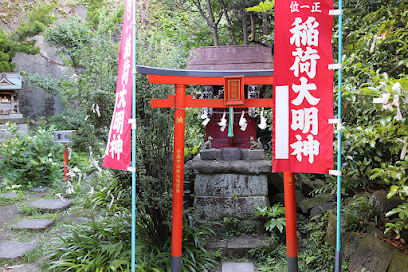
Otsuna Kompira Shrine
Kanagawa 221-0834
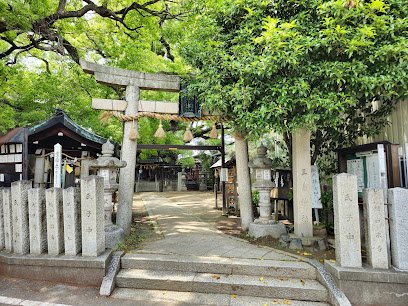
Mitsushima Shrine
Osaka 571-0015
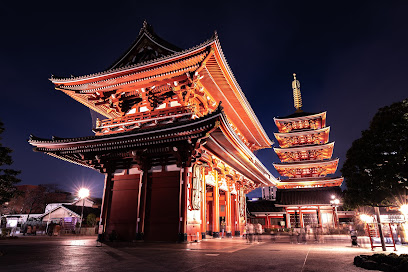
Sensō-ji
Tokyo 111-0032
Completed in 645, this temple, Tokyo's oldest, was built to honor Kannon, the goddess of m...
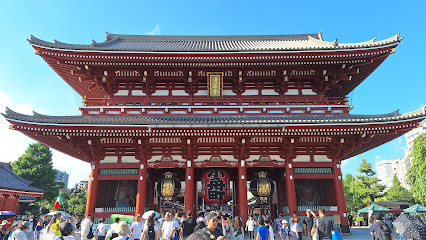
Kaminarimon
Tokyo 111-0032
A 3.9m-tall lantern greets visitors to this stately gate at the entrance to Sensō-ji templ...
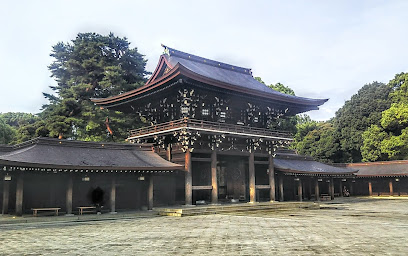
Meiji Jingu
Tokyo 151-8557
Surrounded by forest, this venerable Shinto shrine features a seasonal iris garden.

Kushida Shrine
812-0026
Founded in 757 CE, this urban site annually hosts the city's largest festival, Hakata Gion...