

Shrines & temples
Japanese shrines
OSM directory
Explore Shinto shrines mapped from OpenStreetMap — filter by prefecture, city, or denomination. For curated travel listings, see featured landmark shrines below.
554 shrines
下田天満宮
下田天満宮
Fukuoka
下田天満宮, a Shinto shrine located in Fukuoka Prefecture, is dedicated to the kami of agriculture and prosperity. The shrine's architecture reflects the traditional Japanese style, with a simple yet elegant design featuring a tiled roof and sliding doors. Built during the Edo period (1603-1867), the shrine has undergone renovations while preserving its original charm.
熊野宮
熊野宮
Fukuoka
Nara Period Toshodai-ji style, Dazaifu's largest Shinto shrine, dedicated to the sun goddess Amaterasu, and the Shinto god of war Susanoo. The shrine complex is built around the artificial lake Daimaru-ko, offering a serene environment for worship.
厳島神社
厳島神社
Fukuoka
Tsukushima Island Shrine, located in the Seto Inland Sea, off the coast of Fukuoka Prefecture, is one of Japan's most famous Shinto shrines. Dedicated to the sea god Susanoo-no-Mikoto and the storm goddess Amaterasu, the shrine has been revered for centuries due to its role in protecting sailors and fishermen from harsh weather conditions. The shrine's stunning torii gate is said to appear on the water during typhoons, a phenomenon known as 'Miko no Kaerimashita,' or 'The Shrine Maiden Returns.' Visitors can experience this mystical event by visiting the shrine during a typhoon season.
七郎神社
七郎神社
Fukuoka
Seven-lords Shrine, dedicated to the deified spirits of seven lords who protected the local region from enemies and brought peace, is a sacred Shinto site located in Fukuoka Prefecture. The shrine's architecture reflects its historical significance, with traditional Japanese elements such as a tiled roof and sliding doors. Visitors can experience the tranquil atmosphere and learn about the shrine's cultural heritage.
老松天満宮
老松天満宮
Fukuoka · 佐賀市
Located in佐賀市, Fukuoka Prefecture, 老松天満宮 is a historic Shinto shrine dedicated to the god of prosperity and good fortune, Tenman. The shrine's name roughly translates to 'Old Pine Tree of Heaven' or 'Pine Tree Shrine,' reflecting its association with the majestic pine trees that surround it.
三反田八坂神社
三反田八坂神社
Fukuoka
Located in the heart of Dazaifu, Fukuoka Prefecture, Hachiman Shrine is one of Japan's oldest Shinto shrines, dating back to the Heian period (794-1185 CE). Dedicated to the god of war, Hachiman, this shrine has played a significant role in Japanese history and culture. The shrine complex features a five-story pagoda, which is said to have been constructed during the Nara period (710-794 CE). In addition to its historic architecture, Hachiman Shrine is also famous for its traditional festivals, including the annual Hachiman Matsuri, which takes place in November.
井手天満宮
井手天満宮
Fukuoka
Izutan Manzan Temple, located in the heart of Fukuoka's historic district, is a sacred Shinto site dedicated to the worship of Tanegashima and Ōkuninushi, two prominent kami associated with good fortune, prosperity, and protection. The shrine's architecture blends traditional Japanese elements with Chinese influences, reflecting its historical ties to the island of Kyushu's cultural exchange with China during the 16th century.
梅野神社
梅野神社
Fukuoka
Located in the heart of Fukuoka, 梅野神社 is a historic Shinto shrine dedicated to the gods of fertility and prosperity. The shrine's name, which translates to 'Plum Blossom Shrine,' reflects its association with the beautiful plum blossoms that bloom in the area during winter. Visitors can admire the iconic torii gate, as well as the serene gardens and peaceful walking paths that surround the shrine.
富士神社
富士神社
Fukuoka
Fukushima Prefectural Shrine, also known as Fudoshi-jinja, is a Shinto shrine located in Fukuoka Prefecture dedicated to the kami of earthquake and flood destruction. The shrine is famous for its vermilion torii gate and traditional Japanese architecture. It is believed that the shrine was originally built during the Heian period (794-1185 CE) to honor the god of earthquakes, Fudoshi.
猿田彦神社
猿田彦神社
Fukuoka
Located in the heart of Dazaifu, Fukuoka Prefecture, 猿田彦神社 is one of Japan's oldest Shinto shrines, dating back to the 8th century. Dedicated to Tsukiyomi-no-Kami, the god of the moon and the sea, this shrine has played a significant role in local history and culture.
高住神社
高住神社
Fukuoka
Located in the heart of Fukuoka, 高住神社 is a historic Shinto shrine dedicated to the local deity, Kamado-no-Ōkami. The shrine's architecture reflects the traditional style of Kyushu region, with its distinctive tiled roof and vermilion lacquered doors. Visitors can explore the shrine's tranquil grounds, which feature a scenic pond and a beautiful garden. The shrine is also famous for its association with the legend of Kamado-no-Ōkami, said to have been born from the steam rising from the nearby hot springs.
英彦山神社
英彦山神社
Fukuoka
Hikyœn-yama Jinja is a Shinto shrine dedicated to Hikyo, the god of agriculture and fertility. Located in the heart of Dazaifu, Fukuoka Prefecture, this ancient shrine has been an important site for centuries, attracting visitors seeking blessings and protection from crops. The shrine's architecture reflects its historic significance, with a traditional Japanese-style main hall built during the Heian period.
小頭神社
小頭神社
Fukuoka
Small Shrine to the Head of a Kami, believed to bring good fortune and prosperity in Fukuoka's Nagahama district. Dedicated to the enshrined deity Hachimantai, patron god of samurai and protector of villages. Visitors often come to pray for safe passage or new beginnings.
與止日女神社
與止日女神社
Fukuoka
With its serene atmosphere and peaceful gardens, Withi-Ohime-jinja Shrine in Fukuoka's Sawara district is a tranquil oasis amidst the bustling city. Dedicated to the Shinto goddess of the setting sun, Withi-Ohime, the shrine attracts visitors seeking solace and spiritual rejuvenation.
波多江神社
波多江神社
Fukuoka
The Podejma Shrine, located in Fukuoka Prefecture, is a Shinto shrine dedicated to the kami of the sea and the god of good fortune. The shrine's architecture reflects its historical significance as a major port during the Edo period, with a traditional Japanese-style main hall and a vermilion torii gate. Visitors can learn about the shrine's history and mythology at the on-site museum, which features exhibits on local folklore and the importance of the sea in Fukuoka's culture.
八龍神社
八龍神社
Fukuoka
Located in Fukuoka Prefecture, Hachiman Shrine is dedicated to the Shinto god Hachiman, revered as a patron of warriors and protector of the emperor's armies. The shrine was originally constructed during the Heian period (794-1185 CE) and has since been rebuilt several times due to fires and natural disasters. Its current form reflects a Kamakura-style architecture, with a distinctive vermillion torii gate standing at its entrance. Visitors can explore the shrine grounds, which include a sacred pond and a museum showcasing artifacts related to Hachiman's mythology.
御勢大霊石神社
御勢大霊石神社
Fukuoka
Located in the city of Dazaifu, Fukuoka Prefecture, Ōse Dairei no Kami-sha is a Shinto shrine dedicated to the kami Ōse Dairei no Kami and other ancestral deities. The shrine's architecture reflects traditional Japanese designs, with a main hall and a large torii gate. The site has been an important location for pilgrims and travelers since ancient times, thanks to its connection to the legendary Battle of Dazaifu.
猿田彦大神
猿田彦大神
Fukuoka
The shrine of Tanegashima, located in Fukuoka Prefecture, is dedicated to the Shinto god Hachiman Okami, known as Tanegashima Hachiman. As a symbol of victory and purification, Hachiman is believed to have been summoned by Emperor Kinmei during his military campaigns against the neighboring Ryukyu Kingdom. The shrine's architecture reflects this history, with the main hall designed in a traditional Japanese style featuring a distinctive eaves structure. Visitors can explore the shrine grounds, which include a museum showcasing artifacts related to Tanegashima Hachiman and other regional deities.
金立神社 上宮
金立神社 上宮
Fukuoka
Takahashi Shrine, also known as Takahashi no Kami or Takamatsukuni, is a Shinto shrine located in Dazaifu, Fukuoka Prefecture. It is one of the oldest and most important shrines in Kyushu. The shrine is dedicated to Amaterasu Omikami, the sun goddess, and is also enshrined with the god Hachiman Okami, patron deity of warriors and scholars. The shrine's architecture reflects the Heian period style, with a prominent torii gate and a large hall for rituals. Takahashi Shrine is particularly famous for its beautiful gardens and traditional festivals, including the 'Hinode Tanabata' festival, which celebrates the meeting of two lovers in heaven.
天疫神社
天疫神社
Fukuoka
Located in the heart of Dazaifu, a city in Fukuoka Prefecture, Ten no Yinyō Shrine is dedicated to Amaterasu Omikami and Ame-no-murakumo, two prominent deities from Japanese mythology. As one of the oldest shrines on the island of Kyushu, it offers a glimpse into Japan's rich cultural heritage. The shrine's architecture reflects its long history, with a mix of traditional and modern elements.
高見神社
高見神社
Fukuoka
Located in the heart of Fukuoka, Takami Shrine is a historic Shinto temple dedicated to the kami of prosperity and good fortune. The shrine's architecture reflects its origins in the Heian period (794-1185 CE), with a characteristic Japanese-style gate, torii, and wooden structure. Visitors can explore the serene grounds, adorned with traditional Japanese gardens and walking paths.
荒生田神社
荒生田神社
Fukuoka
Arashiyama Okuno-in Shrine, located in Dazaifu, Fukuoka Prefecture, is a Shinto temple dedicated to the god of wisdom and poetry, Sugawara no Michizane, as well as several regional kami. The shrine is famous for its beautiful garden and traditional architecture, which reflects the Heian period style.
熊野神社
熊野神社
Fukuoka
Dedicated to the sun goddess Amaterasu, Daito-gu (Bear Mountain Shrine) is a Shinto shrine in Fukuoka, Japan's Kyushu island. It is known for its majestic torii gate and scenic coastal views. The shrine is famous for being one of only three that survived the Great East Japan Earthquake and tsunami in 2011.
到津八幡神社
到津八幡神社
Fukuoka
Toozu Hachiman Shrine is a Shinto shrine located in Fukuoka Prefecture, dedicated to the god of war, Hachiman. The shrine dates back to the 7th century and is known for its unique architecture and rich history. As one of the oldest shrines in Japan, it has played an important role in the region's cultural and spiritual heritage.
Curated shrine listings
Hand-picked shrines and temples from our landmark guide.
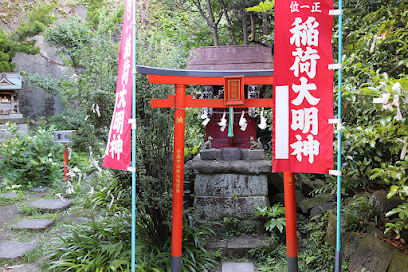
Otsuna Kompira Shrine
Kanagawa 221-0834
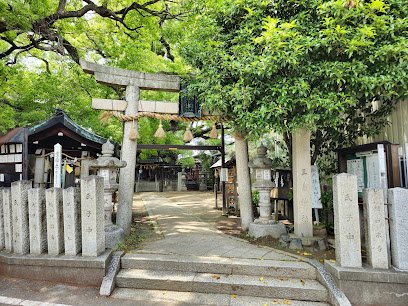
Mitsushima Shrine
Osaka 571-0015
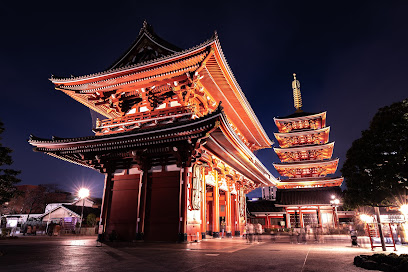
Sensō-ji
Tokyo 111-0032
Completed in 645, this temple, Tokyo's oldest, was built to honor Kannon, the goddess of m...
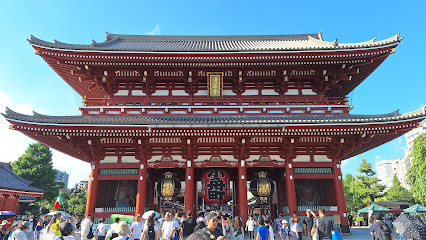
Kaminarimon
Tokyo 111-0032
A 3.9m-tall lantern greets visitors to this stately gate at the entrance to Sensō-ji templ...
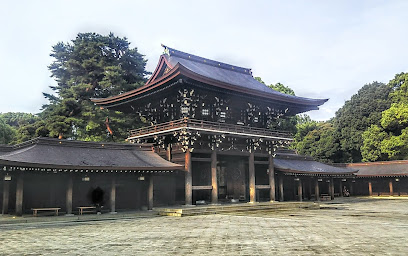
Meiji Jingu
Tokyo 151-8557
Surrounded by forest, this venerable Shinto shrine features a seasonal iris garden.

Kushida Shrine
812-0026
Founded in 757 CE, this urban site annually hosts the city's largest festival, Hakata Gion...