

Shrines & temples
Japanese shrines
OSM directory
Explore Shinto shrines mapped from OpenStreetMap — filter by prefecture, city, or denomination. For curated travel listings, see featured landmark shrines below.
841 shrines
護国神社
護国神社
Saitama
Tsurugaoka Hachiman-gu, a Shinto shrine in Kamakura, was the inspiration for Protector Shrine in Tokyo's Setagaya ward, and is said to be enshrined with the spirit of the protector deity for the Imperial family. The shrine is dedicated to the Kami, Okamisanoura Mikoto, who watched over the city from his mountaintop shrine, guiding the city through a period of great turmoil and war. As Japan recovered from the devastating effects of World War II, the shrine was rebuilt on this site in 1961.
聖徳神社
聖徳神社
Saitama
Located in the heart of Hitachi Seaside Town, Hikarino Shrine is a revered Shinto shrine dedicated to Tsukuyomi no Kami, the moon god. The shrine's name, meaning 'illuminated god,' reflects its significance as a symbol of light and guidance. Visitors can marvel at the shrine's unique architecture, featuring a striking vermilion torii gate that shines brightly under the full moon.
稲荷神社
稲荷神社
Saitama
The稲荷神社 in Saitama, Japan is a revered Shinto shrine dedicated to the deity Susanoo-no-Mikoto, known as Inari Okami. Located near the banks of the Kokuryu River, the shrine's layout reflects its historical significance and agricultural ties. Visitors can explore the tranquil grounds, adorned with vermilion torii gates and intricately designed stone lanterns.
大松木下之稲荷大神
大松木下之稲荷大神
Saitama
Located in the heart of Saitama, 大松木下之稲荷大神 is a lesser-known Shinto shrine dedicated to the rice goddess Inari. The shrine's name reflects its connection to the Inari mythology, where '稲' represents rice and '大神' signifies a powerful deity. With its serene atmosphere and tranquil grounds, visitors can experience a sense of peace amidst nature's beauty.
八丁稲荷大明神
八丁稲荷大明神
Saitama
Located in the city of Tokorozawa, Saitama Prefecture, Eight Holes Rice Storehouse Shrine (Hachi-don Inari) is a Shinto shrine dedicated to Inari Okami, the kami of rice and fertility. The shrine's unique architectural style, with eight small shrines dedicated to various aspects of rice production, reflects its historical significance as a rice storehouse in the Edo period. Today, visitors can still see the remnants of the original eight-storehouses and enjoy traditional Shinto rituals.
八坂神社
八坂神社
Saitama
Located in the town of Omiya, Saitama Prefecture, Eight Saints Shrine is one of Japan's oldest Shinto shrines, dating back to the Heian period (794-1185 CE). The shrine honors eight Shinto deities known as the 'Eight Deified Spirits' or ', who are believed to have helped the emperor and his wife escape from an invasion by a neighboring kingdom. The shrine is renowned for its beautiful gardens and traditional architecture, which reflects the Kamakura period (1185-1333 CE).
稲荷神社
稲荷神社
Saitama
Located in the heart of Tokyo's Otemachi district, Takeguchi Jikoinashi Shrine is a well-known Shinto shrine dedicated to the rice goddess, Inari Ōkami. The shrine is famous for its thousands of vermilion torii gates and is often referred to as the 'Rice Goddess Temple.' Visitors can explore the various shrines within the complex, including the Haiden main hall and the Honden inner sanctuary. Traditional Shinto rituals and ceremonies are performed here throughout the year.
熊川神社
熊川神社
Saitama
熊川神社 is a Shinto shrine located in Saitama Prefecture, dedicated to the worship of a local kami, believed to be associated with the Bear Creek that runs through the town. The shrine's architecture reflects traditional Japanese design, with a wooden torii gate and a main hall featuring a distinctive roof tile pattern. Visitors can walk along the creek and enjoy the surrounding nature while paying their respects.
浅間神社
浅間神社
Saitama
Toshio Shrine is a Shinto shrine located in the town of Tokorozawa, Saitama Prefecture, and is dedicated to the deity, Tokitsutsuji no Kamado. The shrine was originally established in 1868 by the Tokugawa family as a shrine for their ancestral grave. It has undergone several renovations over the years while still maintaining its traditional architecture.
日吉神社
日吉神社
Saitama
Located in the heart of Tokyo's western suburbs, Dayotsu Shrine has been a sacred site for over 1,500 years, honoring the kami of the Sun Goddess Amaterasu and the Storm God Susanoo. As one of Japan's oldest shrines, it boasts an impressive Shinto architectural style and serene gardens, providing a peaceful escape from urban life.
琴平神社
琴平神社
Saitama
Located in the heart of Saitama, 琴平神社 is a historic Shinto shrine dedicated to the worship of Amaterasu Omikami, the Sun Goddess. With its stunning architecture and serene surroundings, this shrine offers visitors a glimpse into Japan's rich cultural heritage.
八坂神社
八坂神社
Saitama
Located in the heart of Iwatsuki, Saitama Prefecture, the Eight Gates Shrine is a sacred Shinto site dedicated to the protection and prosperity of travelers and merchants. With its unique architectural style influenced by the Heian period, the shrine is adorned with eight torii gates, said to symbolize the eight virtues of Buddhism. The primary deity enshrined here is Okami no Mikoto, the kami of mountain and forest spirits.
妻戀神社
妻戀神社
Saitama
Tsukinoe Shrine, located in the town of Tokorozawa, Saitama Prefecture, is dedicated to Tsukinoe-okami, a kami believed to protect wives and marriage. The shrine's architecture reflects traditional Japanese design, with a thatched roof and wooden torii gate. Visitors can experience the shrine's tranquil atmosphere while learning about its history and cultural significance.
春日神社
春日神社
Saitama
Spring Day Shrine in Saitama Prefecture is dedicated to the Shinto god of fertility and prosperity, Hikoboshi. The shrine's design reflects traditional Japanese architecture with a vermilion torii gate and wooden structures. Visitors can explore the shrine grounds, which include a pond with cherry blossom trees.
一石山神社
一石山神社
Saitama
One-Stone Mountain Shrine is a Shinto shrine dedicated to the god of prosperity, rice, and good fortune. Located in the foot hills of Mt. One-Stone, which has no peak but rises over 700 meters, it serves as an important pilgrimage site for those seeking blessings from the kami. The shrine's architecture reflects its origins as a humble hut in the early Edo period.
富士浅間神社
富士浅間神社
Saitama
富士浅間神社 is a Shinto shrine dedicated to the deity Susanoo, known as Amaterasu's brother and the god of storms, rice, and fertility. The shrine is located in the Sagamigawa Mountains near Tokyo, offering breathtaking views of Mt. Fuji, which it shares its name with. Founded in 1603 during the Edo period, the shrine is famous for its beautiful garden and traditional architecture, including a five-story pagoda.
中ノ氷川神社
中ノ氷川神社
Saitama
Located in the heart of Saitama, Middle Ice River Shrine is a serene Shinto sanctuary dedicated to the deity of ice and water, Ryujin. This charming shrine was once a humble temple established during the Nara period (710-794 CE). Over time, it has evolved into a beautiful example of traditional Japanese architecture, featuring a distinctive curved roofline and wooden torii gate. The shrine is surrounded by lush greenery and offers a peaceful escape from the bustling city.
下ノ氷川神社
下ノ氷川神社
Saitama
Located in the city of Tokorozawa, Saitama Prefecture, Shinmei Shrine is a Shinto shrine dedicated to the god of agriculture and prosperity, Hachiman. The shrine is situated near the lower reach of the Kinokawa River and features traditional Japanese architecture with a main hall made of cedar wood. Visitors can enjoy the beautiful gardens, which include a pond and walking paths. The shrine is also known for its unique wooden lanterns that are said to bring good luck.
羽根倉ノ浅間神社
羽根倉ノ浅間神社
Saitama
Located in the prefecture of Saitama, Hane-no-ura Shrine is a Shinto shrine dedicated to Tamashii-no-kami, a deity believed to inhabit the area surrounding the sea. The shrine's name, meaning 'sea root' or 'root of the sea,' likely refers to its proximity to the ocean. As one of the many shrines along Japan's coastline, Hane-no-ura Shrine offers stunning views of Tokyo Bay and the surrounding landscape.
宮戸神社
宮戸神社
Saitama
宮戸神社 is a Shinto shrine located in Saitama Prefecture, dedicated to the worship of the kami Torii no Okami. The shrine's name '宮戸' refers to a traditional Japanese gate, reflecting its historical significance as an entrance to the imperial palace. Established during the Edo period (1603-1867), the shrine has maintained its traditional architectural style, featuring a torii gate and a wooden hall. Visitors can experience the serene atmosphere of the shrine's gardens and grounds, adorned with beautiful cherry blossom trees.
天明稲荷神社
天明稲荷神社
Saitama
Located in the heart of Saitama, Tenmei Inari Shrine is a Shinto shrine dedicated to the worship of Inari Okami, the god of rice, fertility, and prosperity. Dedicated to the memory of the Emperor Chomei who lived during the Heian period, this shrine was first established in 1628 and has since become a sacred site for locals and visitors alike. The shrine is famous for its beautiful vermilion torii gates and traditional architecture.
内間木神社
内間木神社
Saitama
Ine no Makie Shrine, located in the city of Tokorozawa in Saitama Prefecture, is a Shinto shrine dedicated to Ine no Makie, a kami associated with woodworkers and carpenters. The shrine's architecture reflects traditional Japanese design, with a rectangular main hall surrounded by vermilion pillars. Visitors can purchase wooden items such as chopsticks or combs from the shrine's gift shop, supporting local artisans. The surrounding forest is also said to be inhabited by Ine no Makie's kami, and visitors often take a stroll through the woods in search of natural beauty.
下内間木ノ氷川神社
下内間木ノ氷川神社
Saitama
下内間木ノ氷川神社 is a Shinto shrine located in the town of Tokorozawa, Saitama Prefecture. Dedicated to the kami, Hoteiosho, who is revered as the god of water and prosperity. The shrine's architecture reflects its origins during the Kamakura period (1185-1333), with a traditional gabled roof and sliding doors. Visitors can observe the annual Hachiman Matsuri festival, which honors the shrine's patron deity, Hoteiosho, in March.
浜崎ノ氷川神社
浜崎ノ氷川神社
Saitama
Hamazaki-no-Ichi-gawa Shrine is a Shinto shrine located in Saitama Prefecture, dedicated to the sea god Inari Okami. The shrine is situated near the Hamazaki River and is famous for its beautiful garden and historic torii gate. Visitors can enjoy the tranquil atmosphere of the shrine grounds, which are particularly serene during cherry blossom season.
Curated shrine listings
Hand-picked shrines and temples from our landmark guide.
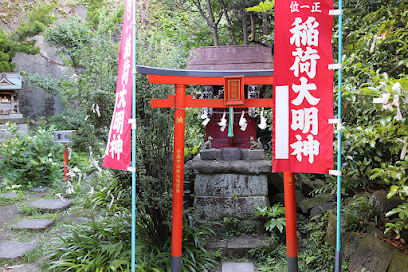
Otsuna Kompira Shrine
Kanagawa 221-0834
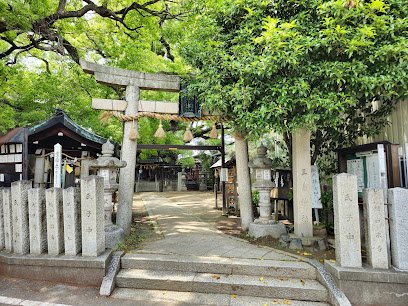
Mitsushima Shrine
Osaka 571-0015
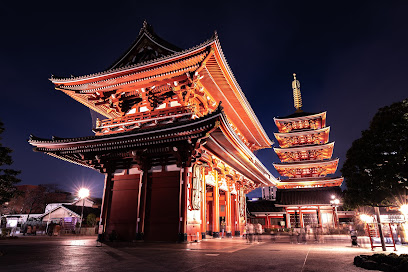
Sensō-ji
Tokyo 111-0032
Completed in 645, this temple, Tokyo's oldest, was built to honor Kannon, the goddess of m...
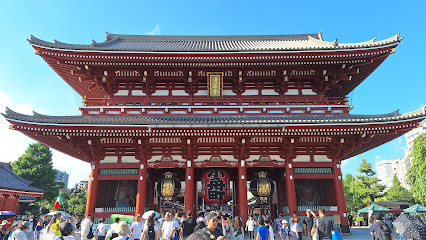
Kaminarimon
Tokyo 111-0032
A 3.9m-tall lantern greets visitors to this stately gate at the entrance to Sensō-ji templ...
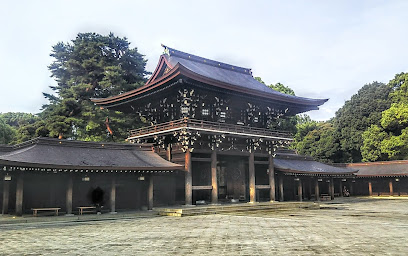
Meiji Jingu
Tokyo 151-8557
Surrounded by forest, this venerable Shinto shrine features a seasonal iris garden.

Kushida Shrine
812-0026
Founded in 757 CE, this urban site annually hosts the city's largest festival, Hakata Gion...