
Shrines & temples
Japanese shrines
OSM directory
Explore Shinto shrines mapped from OpenStreetMap — filter by prefecture, city, or denomination. For curated travel listings, see featured landmark shrines below.
1,072 shrines
六條八幡宮 薬師堂
六條八幡宮 薬師堂
Osaka
六條八幡宮の薬師堂は、六條川に沿った神社で、大阪府における八幡神宮の重要な支神である。神社の前には薬師堂(薬師が住む塔)があり、その周りには多くの商売人から祈りのため来訪することが多い。六条八幡宮は、近くに位置する三菱物流の本社近くに建てられたこの神社が現在も大きなCommercial地域の中心に位置する。近年では、三菱物流が運営する商売人と一体で神社の文化を推進している。
六條八幡宮 三重塔
六條八幡宮 三重塔
Osaka
Located in the heart of Osaka, Six-chō Hachiman-ji Temple is a prominent Shinto shrine dedicated to Hachiman Ōkami, the god of war and patron deity of samurai warriors. The temple's unique Three-Story Pagoda structure, built during the Heian period (794-1185 CE), is one of its most distinctive features. Visitors can explore the tranquil gardens and honor the kami at the shrines' various altars.
火伏稲荷神社
火伏稲荷神社
Osaka
Hoko Futsu Inari Shrine is a Shinto shrine located in Osaka, dedicated to the deity of fertility and rice. The shrine's name, which translates to 'fire that purifies the rice', reflects its historical significance as a center for agricultural rituals. Inari Shrine is one of the most famous shrines in Japan, particularly known for its thousands of vermilion torii gates, symbolizing the connection between heaven and earth.
原野八阪神社
原野八阪神社
Osaka
Located in the heart of Osaka, the original site of which is believed to date back to the Heian period, Kuchu River Shrine, known as '原野八阪神社,' is a Shinto shrine that honors the eight gods associated with the eight directions. The current structure, though, was rebuilt during the Edo period in 1868 after being destroyed by a fire. Over the years, the shrine has become an important site for locals and tourists alike, symbolizing the connection between nature, spirituality, and community.
原野天津彦根神社
原野天津彦根神社
Osaka
Originally built in 1842, Origano Tenjin Hinko Jinja is a Shinto shrine located in the city of Osaka, dedicated to the kami Tenjin. The shrine's architecture reflects traditional Japanese design, with a wooden main hall and a tranquil garden. It is one of the few shrines in Japan that can be visited by non-Japanese citizens.
下谷上天津彦根神社
下谷上天津彦根神社
Osaka
Below the valley, a heavenly river god enshrined in the region of Osaka, is revered at this Shinto shrine. The shrine's architecture reflects its historical significance as an important stopover along the Nakasendō pilgrimage route. Visitors can explore the traditional vermilion gates and experience the serene atmosphere of the shrine grounds.
八幡神社
八幡神社
Osaka
The Eight-Horsed God Shrine, located in the heart of Osaka, is one of Japan's most famous Shinto shrines. Dedicated to the deity Susanoo-no-Mikoto, also known as the Eight-Horsed God, the shrine is believed to be a sacred site where the gods manifest themselves during festivals and ceremonies.
田簑神社
田簑神社
Osaka
Tadashibashi-jinja is a Shinto shrine located in Osaka, Japan, dedicated to the god of commerce and prosperity. The shrine is known for its beautiful garden and traditional architecture. According to legend, Tadashibashi-jinja was founded during the Heian period (794-1185 CE), and it has been an important center for trade and commerce in the region ever since. Today, visitors can experience the shrine's historic atmosphere and browse the local markets selling traditional goods.
大将軍神社
大将軍神社
Osaka
Located in Osaka, the Taishokunami-jinja Shrine is dedicated to the sea god, Yamatsumi-no-kami, who is said to have ruled over the eastern seas and islands of Japan. The shrine's architecture reflects its coastal location, with a unique blend of traditional Japanese and European styles. While the shrine's history dates back to the Edo period, some sources suggest it may be even older, with possible connections to the ancient Shinto deity, Susanoo-no-kami.
辨天堂
辨天堂
Osaka
Agatama no Misaki Shrine, located in Osaka Prefecture, is a Shinto shrine dedicated to the kami of the agate stone and the sea. The shrine is situated on the coast, overlooking the Seto Inland Sea, and its architecture reflects its connection to the ocean. Visitors can experience the tranquil atmosphere of the shrine's gardens and enjoy stunning views of the surrounding area.
八太神社
八太神社
Osaka
Located in Osaka Prefecture, Eight Saints Shrine is dedicated to the enshrined deities Toshigumo, Hachiman, and others of the Eight Immortals (Hachi no Kami). Built in 1861 during the Meiji period as a new shrine on the site of an old temple, it showcases the Shinto architectural style. As one of Osaka's most historic shrines, it offers insights into the city's rich cultural heritage.
丹生神社
丹生神社
Osaka
Located in the city of Osaka, Danjo-gu Shrine is a Shinto temple dedicated to the protection and blessings of the city's residents. The shrine was originally built in 710 AD during the Nara period as a humble shrine but has undergone several renovations throughout its history, with notable additions made during the Kamakura and Edo periods. Today, Danjo-gu Shrine stands out for its traditional architecture and beautiful gardens, reflecting Osaka's rich cultural heritage.
一宮神社
一宮神社
Osaka
One-miya Shrine in Osaka is dedicated to the Shinto god of the city, as well as other kami such as Kunitake and Fudo Myo-o. The shrine's architecture reflects the Heian period style, with a distinctive tiled roof and intricately carved wooden doors. A beautiful garden surrounds the shrine, featuring moss-covered rocks and carefully pruned trees.
猿田彦神社
猿田彦神社
Osaka
Located in the heart of Osaka, 猿田彦神社 is a revered Shinto shrine dedicated to the kami Tadanohikane, a powerful deity associated with the mythical monkey god Takemikazuchi. As one of Japan's oldest shrines, it has been a significant cultural and spiritual hub for over 1,200 years. The shrine's architecture reflects its history, with a mix of Heian and Kamakura styles. Visitors can explore the shrine grounds, which feature several historic buildings, including the iconic shinden-zukuri-style main hall.
種河神社
種河神社
Osaka
The Jōnai Shrine in Osaka is dedicated to the kami of the rice paddy and the river, reflecting the region's importance as a major agricultural center. The shrine's current building dates back to the Edo period, with some sources suggesting it was rebuilt during this time. As one of the oldest shrines in Osaka, it has played a significant role in local history and festivals.
大鳥羽衣浜神社
大鳥羽衣浜神社
Osaka
Located in Osaka, Tamamo no Okami Hammaya Shrine is a Shinto temple dedicated to the legendary spirit of Tamamo-no-Me, also known as Tamamo-gorihime, a shape-shifting fox spirit from Japanese mythology. The shrine's architecture reflects its history dating back to the Heian period (794-1185 CE), with a main hall featuring a unique hippon-style roof.
白玉大明神
白玉大明神
Osaka
Located in the heart of Osaka, White Jade Great God Shrine is a revered Shinto site dedicated to the enshrined deity, Ōyama-no-Kami. The shrine's architecture reflects the Heian period, with a distinctive five-story pagoda and a serene garden designed according to traditional Japanese aesthetics. As one of Japan's oldest shrines, it boasts a rich history dating back to 718 CE, when it was initially established as a temple during the Nara period.
賀茂神社
賀茂神社
Osaka
Hidari Jingū Shrine, located in Osaka, is one of Japan's oldest and most famous Shinto shrines. Dedicated to the sun goddess Amaterasu Ōmikami, it is believed to have been built in 593 AD during the Asuka period. Over time, the shrine has undergone various transformations, with notable renovations during the Edo period. Hidari Jingū Shrine is renowned for its unique architectural style, which blends traditional Shinto designs with Buddhist influences.
八坂神社
八坂神社
Osaka
Located in the heart of Osaka, Eighteen Stairway Shrine is one of Japan's oldest and most revered Shinto shrines. Dedicated to the kami of prosperity and protection, this iconic shrine has been a source of spiritual guidance for generations. The shrine's architecture, featuring traditional Japanese design elements, echoes the tranquil beauty of ancient Japan.
萩原神社分祀
萩原神社分祀
Osaka
萩原神社分祀 is a Shinto shrine located in Osaka, dedicated to the kami of rice and fertility. The shrine's history dates back to the Heian period (794-1185 CE), with its primary enshrined deity being the god of rice, Inari Okami. Over time, the shrine has also come to be revered as a guardian of the city's prosperity and good fortune. Today, visitors can experience the shrine's serene atmosphere and learn about its rich history at the on-site museum.
天王寺屋 稲生神社
天王寺屋 稲生神社
Osaka
Tenno-ji Inari Shrine, located in Osaka, is one of the oldest and most revered Shinto shrines in Japan. Built in 593 AD during the Asuka period, it was originally dedicated to the god of rice, Inari Okami. The shrine's main hall, known as the honden, features a unique architectural style with a steeply pitched roof and a large torii gate. Over time, the shrine has come to be associated with good fortune, prosperity, and abundant harvests. Visitors can walk through the peaceful gardens and alleys lined with vermilion lanterns, creating a serene atmosphere reminiscent of ancient Japan.
股ヶ池明神
股ヶ池明神
Osaka
Located in the heart of Osaka, Shinsekai district, Shinseikatsu Shrine honors the water spirit that dwells within the famous Gokake Pool. This ancient shrine is dedicated to the Kami of the pool, believed to have healing properties, and is often visited for spiritual cleansing and good fortune. The shrine's architecture reflects traditional Japanese design, with a striking vermilion torii gate and intricately carved wooden pillars.
打出天神社
打出天神社
Osaka
Located in the heart of Osaka, 打出天神社 is a historic Shinto shrine dedicated to the kami Taka no Okami, a powerful deity associated with war and agriculture. The shrine's architecture reflects its Heian-era origins, with a traditional Japanese-style main hall (honden) surrounded by serene gardens and tranquil ponds. Visitors can experience the rich cultural heritage of Osaka at this beautiful shrine.
茨住吉神社
茨住吉神社
Osaka
Cats have been a revered presence at Catzusujigahara Shrine in Osaka for centuries. According to local legend, the shrine's founder was visited by a cat who guided him to the site where he built the shrine. Today, the shrine is famous for its thousands of cat statues and offerings, making it a unique destination for feline enthusiasts. Visitors can also explore the beautiful gardens and traditional Shinto architecture.
Curated shrine listings
Hand-picked shrines and temples from our landmark guide.
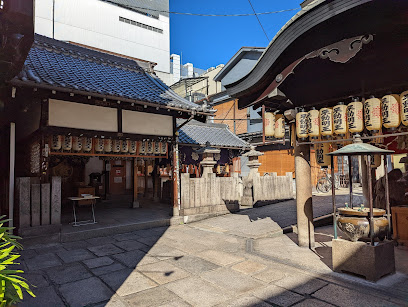
Hozen-ji Temple
542-0076
Intimate Buddhist temple along a quaint alley, with a moss-covered statue of the deity Fud...
Warabi Baitun Noor Cultural Center
Central
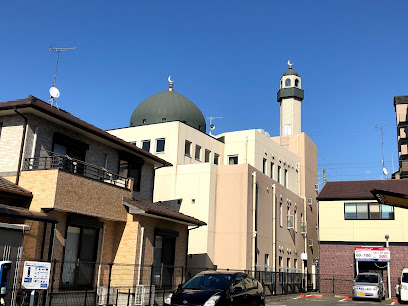
Fukuoka Masjid Al Nour Islamic Culture Center
812-0053
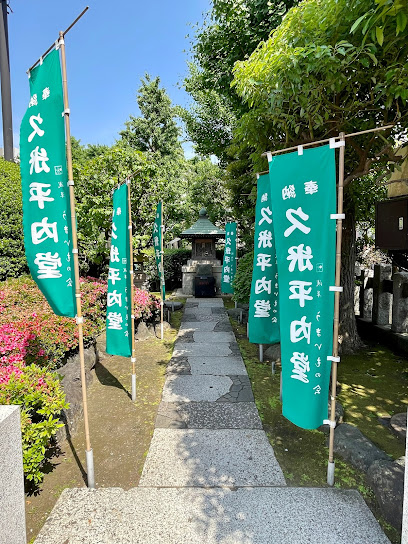
Kume no Heinai-dō
Tokyo 111-0032
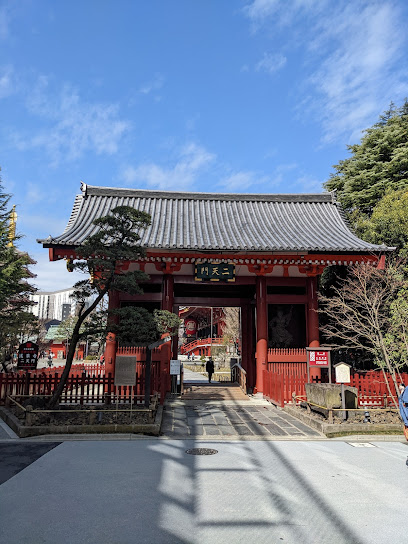
Nitenmon Gate
Tokyo 111-0032
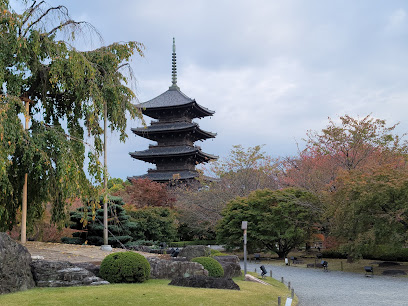
Tōji Temple
601-8473
Historic Buddhist temple with a 5-story wooden pagoda & sculptures of deities from the 8th...