

Shrines & temples
Japanese shrines
OSM directory
Explore Shinto shrines mapped from OpenStreetMap — filter by prefecture, city, or denomination. For curated travel listings, see featured landmark shrines below.
1,233 shrines
左末社
左末社
Kanagawa
Located in the Hakone region of Kanagawa, 左末社 (Sasahime) is a Shinto shrine dedicated to the god of prosperity and good fortune, as well as the god of wealth and blessing. The shrine's architecture reflects its historical significance as a key stop on the Odawara-Kanaya Highway, which connected Edo to Odawara Castle during the Edo period. Visitors can experience the serene beauty of the surrounding nature, with lush greenery and picturesque views of Mt. Fuji.
右末社
右末社
Kanagawa
Located in the Minato ward of Yokohama, the Shiname Shrine is a Shinto shrine dedicated to Ōtsubo no Tsuchi-ya no Kami, a local deity believed to grant prosperity and good fortune to fishermen. The shrine's current structure dates back to the Edo period, with significant restorations made during the Meiji era.
浜空神社
浜空神社
Kanagawa
Located in the city of Yokohama, Hamabashi Shrine is a Shinto shrine dedicated to the god of the sea and storms, Ryujin, as well as the god of the wind, Futsunokami. The shrine's current structure dates back to the Meiji period, but it is believed that the site was originally established in the 17th century. Visitors can see traditional torii gates and a large stone statue of Ryujin at the entrance.
稲荷社
稲荷社
Kanagawa
The Inari Shrine in Kanagawa Prefecture is one of the most famous Shinto shrines dedicated to the goddess Inari Okami, who is revered as the patron deity of rice, industry, and fertility. The shrine's complex architecture reflects its historical significance, with multiple gates, shrines, and torii gates that serve as a pathway to the sacred inner sanctum.
御獄神社
御獄神社
Kanagawa
Located in the city of Yokohama, Kanagawa Prefecture, 御獄神社 (Okuruma Shrine) is a Shinto shrine dedicated to the spirit of justice and morality. The shrine's name, 'Okuruma,' roughly translates to 'officer's residence' or 'government office,' reflecting its historical connection to the imperial administration. As one of the oldest shrines in Yokohama, Okuruma Shrine has served as a significant cultural hub for over 1,200 years.
杉山大神
杉山大神
Kanagawa
Located in Kamakura, Kanagawa Prefecture, Sugiyama-daijin is a Shinto shrine dedicated to the deity Sugiyama no Okami, a kami associated with forests and the rice industry. The shrine's architecture reflects its historical significance as a major center for forest management and agriculture during the Edo period. Visitors can experience the serene atmosphere of the shrine, surrounded by a beautiful forested area.
白赤稲荷神社
白赤稲荷神社
Kanagawa
The Shitennō-ji Shrine is a historic Buddhist temple and one of the oldest temples in Japan, founded in 593 AD by Prince Shōtoku. Dedicated to the worship of Amida Buddha, it is a significant cultural site and a popular tourist destination.
安浦神社
安浦神社
Kanagawa
Anpuru Shrine, located in the Kanagawa Prefecture, is dedicated to the Shinto deity Anpu, the god of wells and water sources. The shrine's architecture reflects traditional Japanese design, with a rectangular main hall and a large torii gate. While not as famous as some other shrines in Japan, Anpuru Shrine remains an important local site for spiritual worship and community events.
豊守稲荷神社
豊守稲荷神社
Kanagawa
Located in Kamakura, the Toyosu Orchard Shrine is dedicated to Inari Okami, the Shinto god of rice and fertility. The shrine is famous for its vermilion torii gate and ornate shrine buildings, which are adorned with symbolic motifs such as bamboo shoots and sacred lanterns. Visitors can walk through a tranquil forest path lined with rice paper lanterns, creating an atmospheric setting reminiscent of Japan's traditional festivals.
春日神社
春日神社
Kanagawa
Located in the heart of Kawachi, Kanagawa, Chūbatsu-jinja Shrine is a Shinto sanctuary dedicated to the veneration of the spring kami Amaterasu Ōmikami and other deities associated with the local region. The shrine's architecture reflects traditional Heian-era design, featuring a main hall, inner shrine, and outer shrine. Its proximity to the Japanese Alps and scenic coastal views make it an ideal destination for nature lovers and those seeking spiritual rejuvenation.
銭洗辨天社
銭洗辨天社
Kanagawa
Located in the city of Fujisawa, the Honmaru-ji Silver Washing Shrine, or 'Sembashi Tenjin', is a revered Shinto site dedicated to Tenjin, the god of learning and literature. Dedicated to the patronage of education and knowledge, the shrine serves as a testament to Japan's rich cultural heritage and its enduring appreciation for the power of knowledge. The name 'Silver Washing' reflects the shrine's original function as a place where samurai would clean their armor before battle.
豊受稲荷大明神
豊受稲荷大明神
Kanagawa
The shrine of Toyosai Inari, located in Kanagawa Prefecture, is dedicated to the Shinto deity of rice, fertility, and prosperity. The shrine's name reflects its historical association with a legendary princess named Toyosai, who was revered for her beauty and kindness. Visitors can explore the shrine's serene gardens and tranquil atmosphere, while also learning about the rich history and mythology surrounding this iconic Inari Shrine.
八王子権現社
八王子権現社
Kanagawa
Located in Kanagawa Prefecture, the Eight Kings Shrine is a Shinto shrine dedicated to the worship of the Eight Immortals, a group of deities associated with longevity and immortality. The shrine's architecture reflects traditional Japanese design, with a distinctive curved roof and a large torii gate. Visitors can experience the tranquil atmosphere of this serene oasis in the heart of Tokyo's western suburbs.
駒形神社
駒形神社
Kanagawa
Located in Kamakura, Kanagawa Prefecture, Kofuku Shrine is dedicated to the god of wealth and prosperity, Shinto's primary deity for commerce and trade. The shrine was established during the Heian period (794-1185 CE), making it one of the oldest Shinto shrines in Japan. Its architecture reflects a typical Heian-style shrine, with a main hall, smaller shrines, and a torii gate. Visitors can admire the beautiful garden and explore the shrine's peaceful grounds.
山大明神社
山大明神社
Kanagawa
Located in the Kanagawa Prefecture, Mount Saigetsu Shrine is a Shinto shrine dedicated to Inari Okami, the deity of rice, fertility, and prosperity. The shrine is situated at the foot of Mount Saigetsu, which was believed to be the residence of the Eight Immortals from Chinese mythology. Visitors can explore the shrine's serene gardens and traditional architecture, including a five-story pagoda and several wooden structures.
鹿嶋弁財天
鹿嶋弁財天
Kanagawa
Located in the city of Odawara, Kagami Shishimai Shrines, or simply Hagoromo-taisha, is a Shinto shrine dedicated to the water god, Hikoboshi. The shrine was originally established as Hōshō Shrine, but later came under the control of Kagami Shrine's Shishimai faction. The name 'Hagoromo-taisha' reflects its connection with the mythological Hagoromo-no-Mikoto, a god said to have created the world and controlled water. Shishimai Shrines are known for their beautiful architecture and stunning views of Sagami Bay.
天神社
天神社
Kanagawa
Located in the heart of Kamakura, Tenjin Shrine is a Shinto shrine dedicated to the god Tenjin, who is revered as a patron of learning and culture. The shrine's architecture reflects its historical significance, with a distinctive vermillion torii gate that marks the entrance to the inner sanctuary. Visitors can explore the shrine's tranquil gardens and temples, including the famous Honmoku Temple, which dates back to the 14th century.
稲荷社
稲荷社
Kanagawa
Ise Grand Shrine in Mie Prefecture, Japan is one of the oldest Shinto shrines in Japan and the primary location for worship of the Shinto deity Amaterasu Omikami, the sun goddess, rather than稲荷社 which primarily enshrines Rice Goddess, Inazuma Tamayori-hime. However,稲荷社 in Kanagawa is a regional shrine that specializes in rice harvests and agricultural prosperity. Located on Kamakura coast, it serves as a Shinto temple associated with the region's bounty.
伏見稲荷
伏見稲荷
Kanagawa
Located in Kamakura, Kanagawa Prefecture, Fushimi Inari Shrine is one of the most iconic Shinto shrines in Japan. Dedicated to Inari Okami, the kami of rice, fertility, and prosperity, the shrine is famous for its thousands of vermilion torii gates that form a tunnel up the mountain. Visitors can walk through this gate forest, which serves as a symbol of good luck and prosperity.
山王社
山王社
Kanagawa
This Shinto shrine, located in the mountainous region of Kanagawa Prefecture, is dedicated to the kami of the mountain kingdom, Yamato no Ō no Mikoto. While its founding details are unclear, it is believed to have been established during the Edo period due to its architectural style and location. The shrine's architecture is a unique blend of traditional Japanese design with influences from Buddhist and Shinto structures. Visitors can observe the shrine's serene natural surroundings and explore its tranquil gardens.
明神社
明神社
Kanagawa
Located in the city of Hiratsuka, Kanagawa Prefecture, Mingenshū-ji is one of Japan's oldest Shinto shrines, with a history dating back to the Heian period (794-1185 CE). Dedicated to the god of war and protection, Minamoto no Yoshitsune, the shrine was originally built as a memorial to his victory over the Taira clan. Over time, it has come to be associated with the god of agriculture and good fortune.
竹生嶋辨天社
竹生嶋辨天社
Kanagawa
Tsuchi-no-mine Taiten-jinja, a Shinto shrine located in Kamakura, Kanagawa Prefecture, is dedicated to the deity of land and agriculture. The shrine's primary kami is Susanoo-no-Mikoto, a powerful god often depicted as the patron of agriculture and fertility. Tsuchi-no-mine Taiten-jinja is known for its traditional architecture and tranquil gardens, which reflect the serene atmosphere of the surrounding mountains. Visitors can explore the shrine's main hall, adorned with ancient carvings and vibrant frescoes, or stroll through the peaceful grounds to connect with nature.
天照大神
天照大神
Kanagawa
The Shrine of Tenmoku, dedicated to the Shinto sun goddess Amaterasu, is located in Kamakura, Kanagawa Prefecture. As one of Japan's oldest and most revered shrines, it plays a significant role in Japanese mythology and culture. The shrine complex features an impressive wooden hall with a distinctive roof and a serene garden. Visitors can explore the shrine grounds, which include several smaller shrines and temples, and experience the tranquil atmosphere of this sacred site.
第六天神
第六天神
Kanagawa
Located in Kanagawa Prefecture, the sixth heaven shrine is a lesser-known Shinto site dedicated to the deity of the heavens. Its name, 'tai no kamabisha,' translates to 'the god of the sky' in Japanese. This shrine is one of several built in Japan to honor the kami of the celestial realm, embodying the connection between humans and nature. The main temple building features a unique architecture with an emphasis on natural materials such as wood and stone.
Curated shrine listings
Hand-picked shrines and temples from our landmark guide.
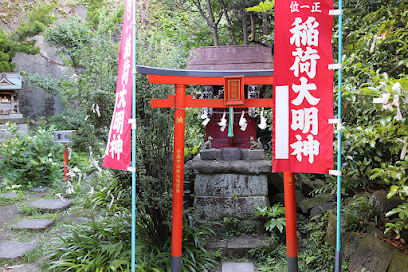
Otsuna Kompira Shrine
Kanagawa 221-0834
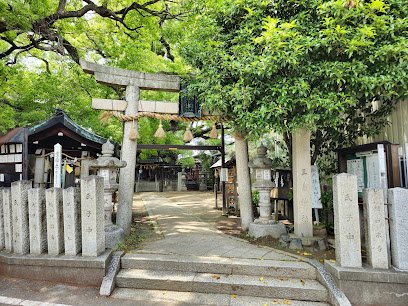
Mitsushima Shrine
Osaka 571-0015
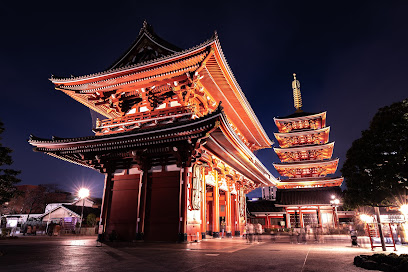
Sensō-ji
Tokyo 111-0032
Completed in 645, this temple, Tokyo's oldest, was built to honor Kannon, the goddess of m...
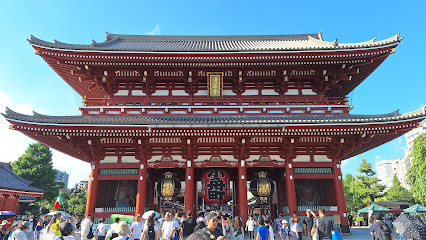
Kaminarimon
Tokyo 111-0032
A 3.9m-tall lantern greets visitors to this stately gate at the entrance to Sensō-ji templ...
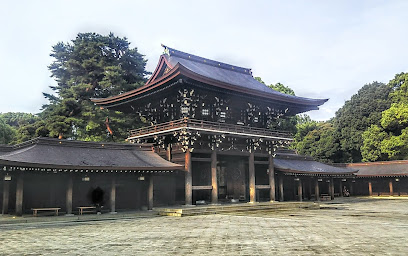
Meiji Jingu
Tokyo 151-8557
Surrounded by forest, this venerable Shinto shrine features a seasonal iris garden.

Kushida Shrine
812-0026
Founded in 757 CE, this urban site annually hosts the city's largest festival, Hakata Gion...