

Shrines & temples
Japanese shrines
OSM directory
Explore Shinto shrines mapped from OpenStreetMap — filter by prefecture, city, or denomination. For curated travel listings, see featured landmark shrines below.
245 shrines
加茂神社
加茂神社
Kagawa
located in the town of Nagata, in the Seto Inland Sea region of Kagawa Prefecture, Omagatsuminami Shrine is a sacred site that reveres the kami Omamori-san, believed to protect travelers and fishermen from harm. The shrine's architecture reflects its role as a maritime deity, with traditional Japanese-style roofs and walls adorned with wooden carvings depicting sea creatures. Despite being dedicated to a lesser-known deity, Omagatsuminami Shrine remains an important cultural site for the local community.
恵比須神社
恵比須神社
Kagawa
Zoshigeto Shrine, dedicated to the Shinto god Benkei, is a notable landmark in Takamatsu City, Kagawa Prefecture. The shrine's architecture reflects its history as a temple during the Edo period, with a unique blend of Shinto and Buddhist elements. The iconic Hachiman Gate, adorned with intricate carvings, is said to be the original gate that Benkei used when he defeated his rivals at Mikageyama.
玉姫神社
玉姫神社
Kagawa
Located in the city of Takamatsu, Kagawa Prefecture,玉姫神社 is a Shinto shrine dedicated to the goddess of the moon and fertility, Ōkuninushi no kami. The shrine's architecture reflects traditional Japanese style with a distinctive curved roofline, symbolizing the gentle curves of the full moon. As one of the oldest shrines in the region, it showcases the rich cultural heritage of Shikoku.
木里神社
木里神社
Kagawa
Mikuri-jinja is a Shinto shrine located in the town of Mitaka, Osaka Prefecture, but not to be confused with another shrine in the same name in Kagawa, which is named after its founder, Mikuri no kami, a tengu who lived in the area. The shrines have similar names and are dedicated to the worship of Mikuri no kami, a deity said to have been invited by the legendary Japanese ruler Emperor Jimmu. Both shrines offer various Shinto services and events throughout the year.
北峰神社
北峰神社
Kagawa
North Peak Shrine is a Shinto shrine located in the town of Saka, Sakai-ku, Katsuragi-gun, in the Kagawa Prefecture. Dedicated to the god of agriculture and prosperity, the shrine is renowned for its beautiful cherry blossom trees and traditional architecture. Located at the foot of Mount Zao, the shrine offers breathtaking views of the surrounding landscape.
小手島五社大明神
小手島五社大明神
Kagawa
Located on a small island in the Seto Inland Sea, small-hand Island Five Deities Great Shintoism is one of Japan's oldest shrines, with evidence of worship dating back to the 7th century. The shrine is dedicated to the five primary kami: Kotoshiro-nokami (god of agriculture), Irohmaru-no-Okami (god of water), Asonanukahiko-no-kami (god of fire), Inari-o-no-kami (goddess of rice and industry), and Mochizuki-no-okami (god of fertility). The shrine's architecture is characteristic of the Kofuku style, with a main hall and several smaller shrines. Visitors can explore the serene island surroundings and enjoy the tranquil atmosphere.
田土浦坐神社
田土浦坐神社
Kagawa
Tada-no-ura no Okami Shrine, located in Takamatsu City, Kagawa Prefecture, is a Shinto shrine dedicated to the sea god Okami. The shrine's main hall was built in 1925, replacing an earlier structure that dated back to the 18th century. It is believed that the shrine was originally founded to honor the local fisherman who discovered a giant turtle while fishing in the nearby waters.
松島神社
松島神社
Kagawa
Located in the heart of Shikoku, Matsushima Island Shrine is a lesser-known but fascinating Shinto site dedicated to the kami of the island. The shrine's architecture reflects its historical connection to the Matsushima Islands, a scenic archipelago known for its natural beauty and rich cultural heritage. Visitors can explore the shrine grounds and experience the serene atmosphere that pervades this sacred space.
高津神社
高津神社
Kagawa
Highatsu Shrine, located in the city of Takamatsu, Kagawa Prefecture, is a historic Shinto shrine dedicated to the kami of Highatsu, a region known for its scenic beauty and rich cultural heritage. The shrine's main hall was built during the Edo period, with subsequent renovations adding traditional architectural elements such as a curved tiled roof and an intricate wooden gate.
神石神社
神石神社
Kagawa
Located in the heart of Shikoku, Japan's smallest island, Kumamoto-ryūjin-gū is a historic Shinto shrine that has been serving as a sacred space for over 1,300 years. The shrine is dedicated to Ryūjin, the Shinto god of the sea and storms, who is often depicted as a dragon or a mermaid. Visitors can explore the shrine's impressive architecture, including its five-story pagoda and ornate wooden doors.
蛭子神社
蛭子神社
Kagawa
Katsuragi Shrine, located in the heart of Kagawa Prefecture, is dedicated to the Shinto deity Susa-no-Okami, a kami associated with thunder and storms. The shrine's architecture reflects its historical significance as a major stopping point along the Tokaido highway during the Edo period. Visitors can admire the beautiful garden and traditional shrine buildings, which have been well-preserved over time. In recent years, the shrine has become popular among tourists due to its proximity to the famous Naruto Whirlpool.
山之神神社
山之神神社
Kagawa
Located in the Seto Inland Sea region of Kagawa Prefecture, Shinto shrine '山之神神社' is dedicated to the kami known as Mount Tamu, associated with the mythology surrounding the famous Sanuki Udon noodle. This shrine honors the patron deity of noodles and fishing. The current structure dates back to 1628, reflecting the historical importance of the region's culinary industry.
えびす神社
えびす神社
Kagawa
Located in the heart of Kagawa Prefecture, Ebisu Shrine is a revered Shinto site dedicated to Ebisu, the god of wealth and prosperity. Dating back to the Heian period (794-1185 CE), the shrine boasts traditional architecture and tranquil gardens. Visitors can explore the shrine's main hall, which features a stunning wooden torii gate, and participate in special events, such as the annual Ebisu Shrine Festival, held in September. This festive celebration honors the god of abundance with music, dance, and delicious food.
鹽竈神社
鹽竈神社
Kagawa
Nagautani Shrine, located in the heart of Kotohira City, Kagawa Prefecture, is a sacred Shinto site dedicated to the salt-making kami, O-ka-mi-no-kami. The shrine's architecture reflects its primary function as an altar for salt offerings, with a distinctive rectangular main hall and multiple smaller shrines dedicated to various kami. Visitors can experience the serene atmosphere of the surrounding gardens and enjoy traditional Japanese cuisine at one of the many local restaurants.
坂出神社
坂出神社
Kagawa
Located in the Seto Inland Sea region of Kagawa Prefecture, Sakahoutsu Shrine is a Shinto shrine dedicated to the god Hachiman, revered as the patron deity of the Imperial Court and a protector of travelers. Built during the Heian period (794-1185 CE), its main hall was rebuilt in 1964 using traditional architectural styles. The shrine's tranquil atmosphere invites visitors to reflect on the path ahead.
七宝稲荷
七宝稲荷
Kagawa
Nanbu Inari Shrine, located in Kagawa Prefecture, is a Shinto shrine dedicated to the worship of the god of rice and fertility, Inari Okami. The shrine's name 'Nanbu' refers to its location near the Nanbu River. This shrine is renowned for its striking architecture and tranquil surroundings, making it an ideal destination for those seeking a serene spiritual experience.
二十四の瞳天満宮
二十四の瞳天満宮
Kagawa
Tsukimi no Mikasa Shrine in Takamatsu, Kagawa Prefecture is a historic Shinto shrine dedicated to the god of harvest and fertility, Tsukiyomi-no-kami. The shrine's architecture reflects its origins as an ancient temple during the Nara period (794-1185 CE). Its unique structure features a rectangular main hall with a tiled roof, reflecting traditional Japanese temple design. Visitors can experience the tranquility of this serene oasis amidst the bustling city.
農民神社
農民神社
Kagawa
The Agano-jinja Shrine, located in Kagawa Prefecture, is dedicated to the Shinto kami of agriculture and fertility. The shrine's architecture reflects the Heian period (794-1185 CE), with a traditional Japanese-style wooden torii gate and a sacred pond. The complex also features several shrines within shrines, symbolizing the harmony between nature and humanity.
蜂穴神社
蜂穴神社
Kagawa
Kokuryuu Shrine in Kagawa Prefecture is dedicated to Hachiman and the kami of the hive, often referred to as Kumagusuku no Kami or Kumagasa Hime, reflecting its unique location near an old beekeeping site. The shrine's name roughly translates to 'Hive Shrine.' Its architectural style reflects regional influences, blending traditional Shinto elements with local carpentry skills.
安徳天皇社
安徳天皇社
Kagawa
An Okagawa Shrine dedicated to the deified spirits of the imperial family, Ankō and Nakamichi, who were ancestors of the Emperor Shōmu. The shrine is believed to be built in the Heian period (794-1185 CE) and features traditional Japanese architecture, including a five-story pagoda and a large torii gate. Visitors can explore the shrine's grounds, which include several smaller shrines and monuments dedicated to other regional kami.
洲端神社
洲端神社
Kagawa
The Shikoku-Ōhashi Shrine, dedicated to Ōkuni Ichi, is a historic Shinto shrine located in the Tokushima city of Katsuragi in Kagawa Prefecture on the island of Shikoku. This shrine is famous for its beautiful garden and historic wooden structures. It's said that the shrine was built in 1880 and has since been renovated several times to preserve its traditional architecture.
柏木神社
柏木神社
Kagawa
Berukama Shrine, located in Shitanda village, is dedicated to the kami of agriculture and fertility. The shrine's name reflects its association with Japanese beech trees, which are believed to symbolize longevity and good fortune. Built during the Heian period (794-1185 CE), Berukama Shrine has undergone several renovations and expansions throughout its history. Today, it remains an important cultural and historical landmark in Kagawa Prefecture.
石清水八幡宮
石清水八幡宮
Kagawa
Located in the picturesque town of Zentsu-ji, Stone Clear Water Eight-Fingered Shrine is dedicated to the Shinto god of prosperity and good fortune, Benzaiten, and the war god, Hachiman. The shrine's architecture reflects its history as a center for Buddhist worship, with a distinctive pagoda-style tower that dates back to the 16th century. Visitors can experience the tranquil atmosphere of the shrine by strolling through its beautifully manicured gardens.
中野稲荷神社
中野稲荷神社
Kagawa
Located in the Seto Inland Sea region of Kagawa Prefecture, the Middle Field Shrine (Chūdō) is a Shinto shrine dedicated to the kami Inari Ōkami. With its tranquil atmosphere and beautiful gardens, Chūdō is a serene oasis for both locals and visitors. The shrine's architecture reflects its historical ties to the Ieyasu-led Edo period, with traditional wooden structures that evoke a sense of rustic simplicity.
Curated shrine listings
Hand-picked shrines and temples from our landmark guide.
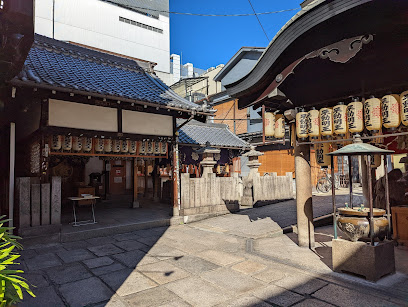
Hozen-ji Temple
542-0076
Intimate Buddhist temple along a quaint alley, with a moss-covered statue of the deity Fud...
Warabi Baitun Noor Cultural Center
Central
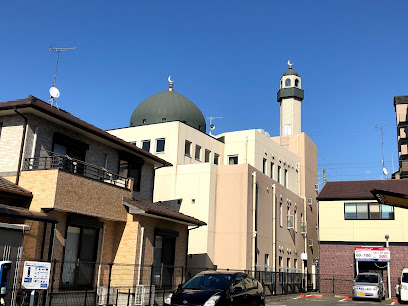
Fukuoka Masjid Al Nour Islamic Culture Center
812-0053
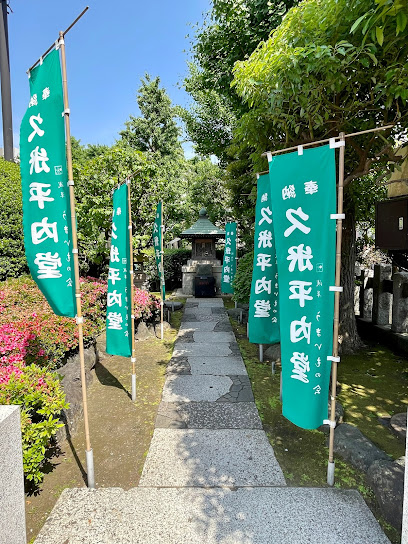
Kume no Heinai-dō
Tokyo 111-0032
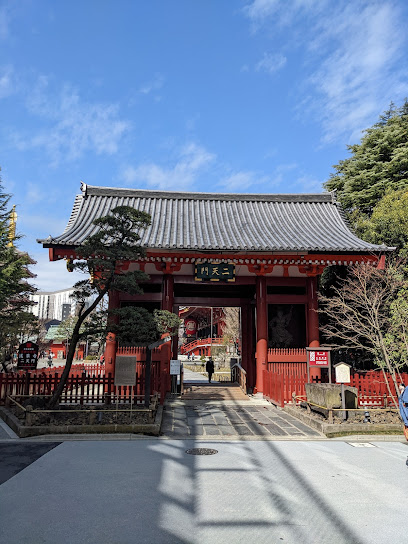
Nitenmon Gate
Tokyo 111-0032
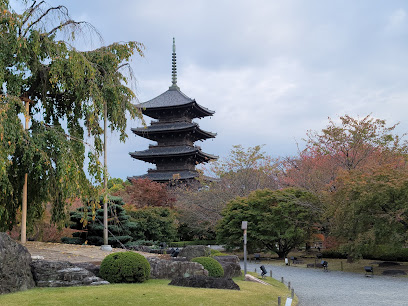
Tōji Temple
601-8473
Historic Buddhist temple with a 5-story wooden pagoda & sculptures of deities from the 8th...