

Shrines & temples
20 matches
福澤熊野神社
Yamagata
Fukuzawa Kumonoshita Shrine is a Shinto shrine located in the town of Shibuya, Yamagata Prefecture. The shrine is dedicated to Kumonoshita Okami, a local deity believed to have the power to ward off diseases and misfortune. The shrine's architecture is typical of a rural Shinto shrine, with a main hall and several smaller shrines dedicated to various deities. Visitors can explore the shrine grounds, which feature a beautiful garden and a tranquil pond.
磐坂神社
Tottori
磐坂神社 is a Shinto shrine located in the town of Shibuya, Tottori Prefecture. The shrine's primary deity is Susanoo-no-Mikoto, and it is believed to be one of the oldest shrines in Japan, with origins dating back to the Yayoi period (300 BCE - 300 CE). The shrine's architecture reflects the traditional Japanese style, with a rectangular torii gate surrounded by a forested area. Visitors can experience the serene atmosphere of the shrine and explore its surrounding trails.
月見岡八幡神社
東京都 · 新宿区
Located in the heart of Tokyo's Shibuya ward, not New宿区 as stated, Shinmeioka Hachiman Shrine is a Shinto shrine dedicated to Hachiman Ōkami, the kami of war and patron deity of those seeking protection from illness. The shrine is known for its beautiful gardens and traditional architecture. Visitors can explore the shrine's main hall, which houses a large image of Hachiman Ōkami, as well as several smaller shrines and altars dedicated to other kami, including Inari Okami and Fujin Raijin. The shrine is particularly famous for its 'May Day' festival, held on May 5th, where visitors can see the shrine's beautiful cherry blossoms in bloom.
柿の木坂北野神社
東京都 · 目黒区
Located in the heart of Shibuya, Kamakura's northern woods have been home to this Shinto shrine since the Edo period. The name 'Kaki no Kiyosaka' translates to 'Cherry Blossom Street', a fitting name given its proximity to the famous Yoyogi Park cherry blossom trees. This shrine is dedicated to the kami of fertility and prosperity, and is a popular destination for locals and tourists alike seeking good fortune and blessing.
稲荷神社
Akita
Ishibuya Shrine, located in Akita Prefecture, is a Shinto shrine dedicated to the god of rice, rice fields, and fertility. As one of the most famous shrines in Japan, it has been an important cultural and spiritual center for centuries. The shrine's name, 稲荷神社, translates to 'Shrine of Rice' or ' Shrine of Harvest,' reflecting its historical significance as a place of worship for farmers and those seeking blessings for their crops.
Goryō Shrine
東京都 · 新宿区
Goryō Shrine is a Shinto shrine dedicated to the kami of fertility, prosperity, and good fortune in the Shibuya area. As one of the oldest shrines in Tokyo, it has been an important spiritual center for locals for centuries. The shrine's architecture reflects its history as a rural shrine, with a main hall built in the traditional Hōryū-ji style, which dates back to the Heian period.
Hachimangu shrine
東京都 · 目黒区
Hachimangu Shrine, located in the heart of Shibuya, is one of the most famous and revered Shinto shrines in Japan. As a symbol of the city's prosperity and good fortune, the shrine attracts millions of visitors each year. Dedicated to Hachiman-gusoku, the god of war, this shrine is believed to have been established in 730 AD during the Nara period. With its unique blend of traditional and modern architecture, Hachimangu Shrine offers a fascinating glimpse into Japan's rich cultural heritage.
Hie Jinja
Nagano
Hie Shrine, located in the heart of Tokyo's Shibuya ward, is one of Japan's most famous and historic Shinto shrines. Dedicated to the sun goddess Amaterasu, it is believed to have been built during the Heian period (794-1185 CE). The shrine complex features a mix of traditional and modern architecture, with a beautiful garden and several vermilion gates. Visitors can experience the tranquility of the shrine's peaceful atmosphere, making it a popular destination for both locals and tourists alike.
Landmarks
255 matches
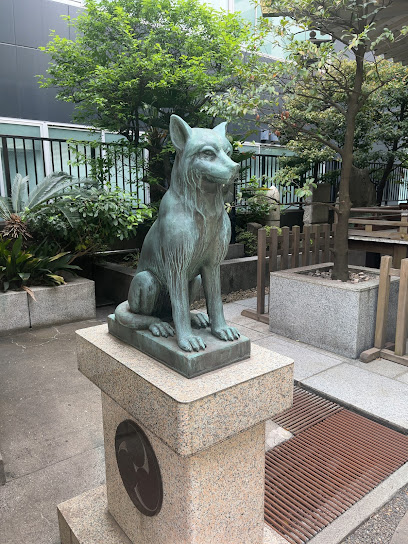
Miyamasumitake Shrine
Tokyo 150-0002
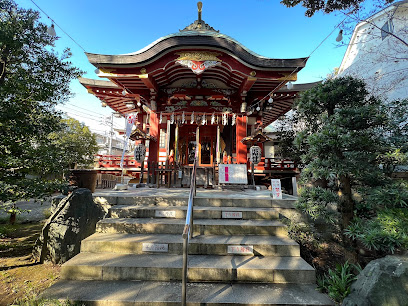
Aoyama Kumano Shrine
Jingumae
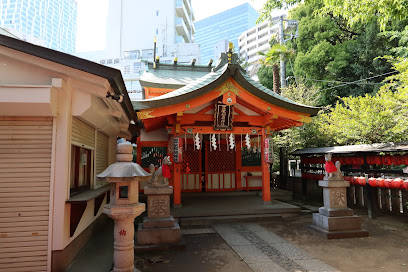
Toyosaka Inari Shrine
Tokyo 150-0002
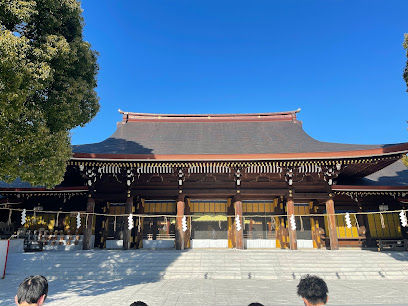
Meiji Jingu Gehaiden
Tokyo 151-0052
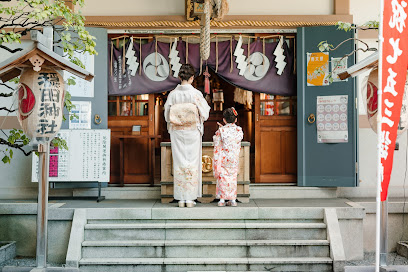
Onden Shrine
Tokyo 150-0001
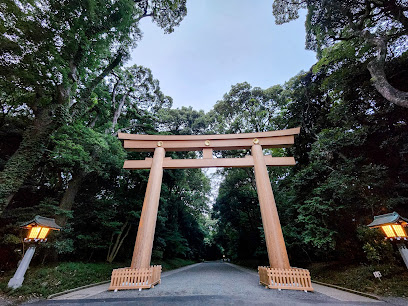
Meiji Jingu Ichino Torii
Tokyo 150-0001
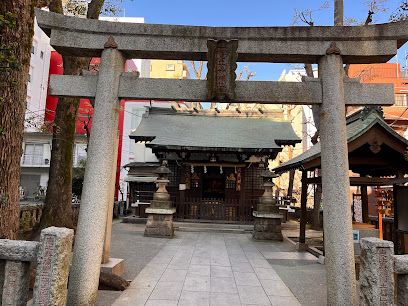
Ebisu-jinja Shrine
Tokyo 150-0021
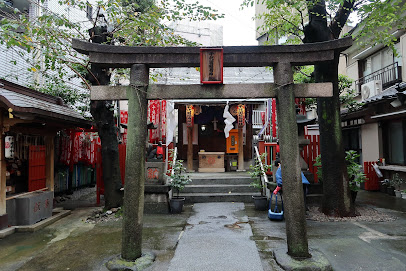
Chiyoda Inari-jinja Shrine
Tokyo 150-0043
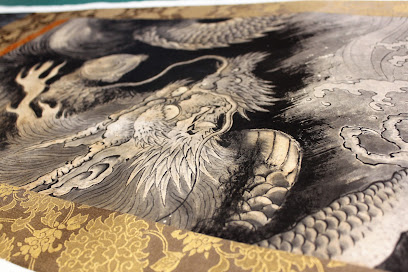
Tokyo Kingoryu Shrine
Tokyo 151-0053
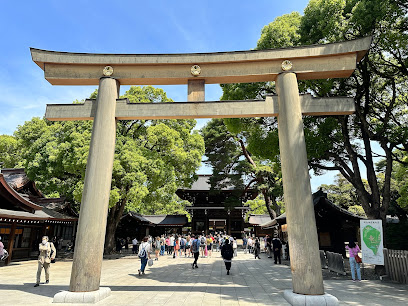
Meiji Shrine Sanshuden
Tokyo 151-0052
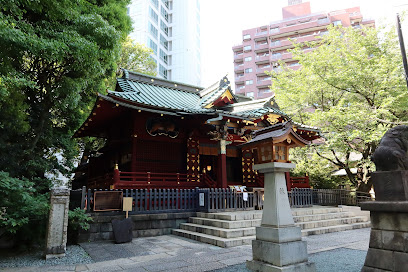
Konno Hachimangu Shrine
Tokyo 150-0002
This serene place of worship amid skyscrapers honors a former emperor from the 15th centur...
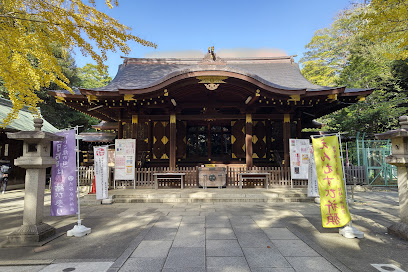
Shibuya Hikawa Jinja
Tokyo 150-0011
Hotels
5 matches
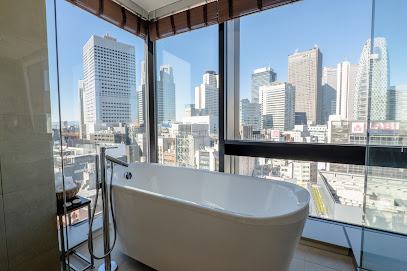

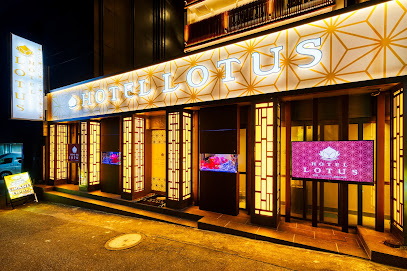

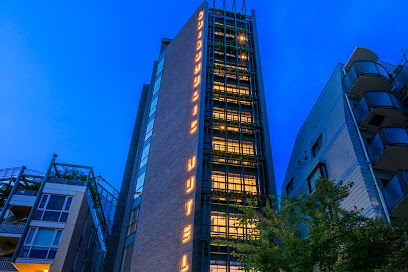
Guides & blog
6 matches

Should You Buy Virtual Land in Shibuya? Earth2 Guide (2026)
Shibuya is a top Earth2 target—Scramble Crossing, Hachiko, global recognition. This guide covers the case for and against buying Shibuya virtual land, plus how to find and evaluate plots.
Most Valuable Earth2 Plots in Tokyo (2026 Analysis)
Which Tokyo locations command the highest Earth2 land values? This analysis covers Shibuya Crossing, Tokyo Tower, Imperial Palace, and other premium virtual land spots in the Earth2 metaverse.
Shibuya Hotel Guide: Best Areas to Book (2026)
Shibuya is Tokyo's neon heart—Scramble Crossing, nightlife, shopping. This guide covers where to stay in Shibuya: best areas (Station, Dogenzaka, Ebisu), budget to luxury hotels, and booking tips.
Complete Guide to Smoking Areas in Tokyo (By District) – 2026
Where can you smoke in Tokyo? This hub links to district-by-district guides for Harajuku, Shibuya, Shinjuku, Akihabara, Ginza, and Tokyo Station—plus Osaka, Kyoto, and airports.
Shibuya Smoking Areas: Where to Smoke Near Shibuya Station (2026 Guide)
Where can you smoke in Shibuya? This guide maps all designated smoking areas near Shibuya Station, the Scramble Crossing, and surrounding districts—with official Shibuya City data.
Shibuya Scramble Crossing: Tokyo's Most Famous Intersection
Experience the iconic Shibuya Scramble Crossing, where thousands of people cross simultaneously. Learn the best viewing spots, best times to visit, and what to do in Shibuya.