
Name Meaning
Overview
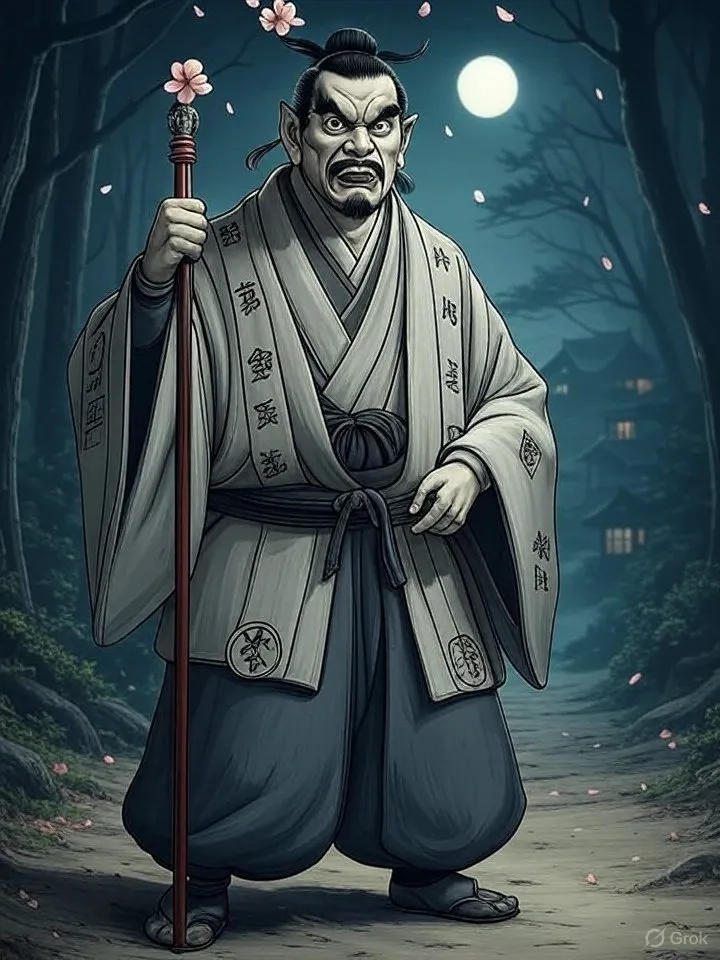
Shōki (鍾馗) is the Japanese pronunciation of Zhong Kui, a famous figure from Chinese mythology known for exorcising demons.
- Shōki = Demon-queller or ghost banisher
Origin
- Originates from Tang dynasty China, later adopted into Japanese folklore.
- In Japan, he's often seen during Tango no Sekku (Boys’ Day) for protection.
- Depicted in prints and placed on roofs to ward off evil.
Appearance
- Portrayed as a fierce man with a bushy beard and stern eyes.
- Wears a scholar’s robe and wields a sword to fight oni and malevolent spirits.
Behavior & Myths
- Banished demons and evil spirits with sheer presence and swordsmanship.
- Said to patrol rooftops and guard children during seasonal festivals.
- Some believe he appears in dreams to defend people against nightmares.
Symbolism
- Symbol of courage, righteousness, and protection from evil.
- Linked with health and the wellbeing of children and scholars.
- Worshiped or displayed as a household guardian.

Illustrated folktale
The tale of Shōki

In the village of Akakawa, where cherry blossoms bloomed in profusion and the air was sweet with the scent of blooming sakura, the people prepared for Tango no Sekku. The boys of the village would soon don their samurai armor, and the Shōki's image would be displayed proudly on rooftops to ward off evil spirits.
But this year, a darkness had settled over Akakawa. Children awoke in the dead of night with nightmares that seemed all too real. Crops withered under an unseen hand, and the wind carried whispers of malevolent intent. The villagers were at a loss, their prayers and offerings to the gods seeming to fall on deaf ears.
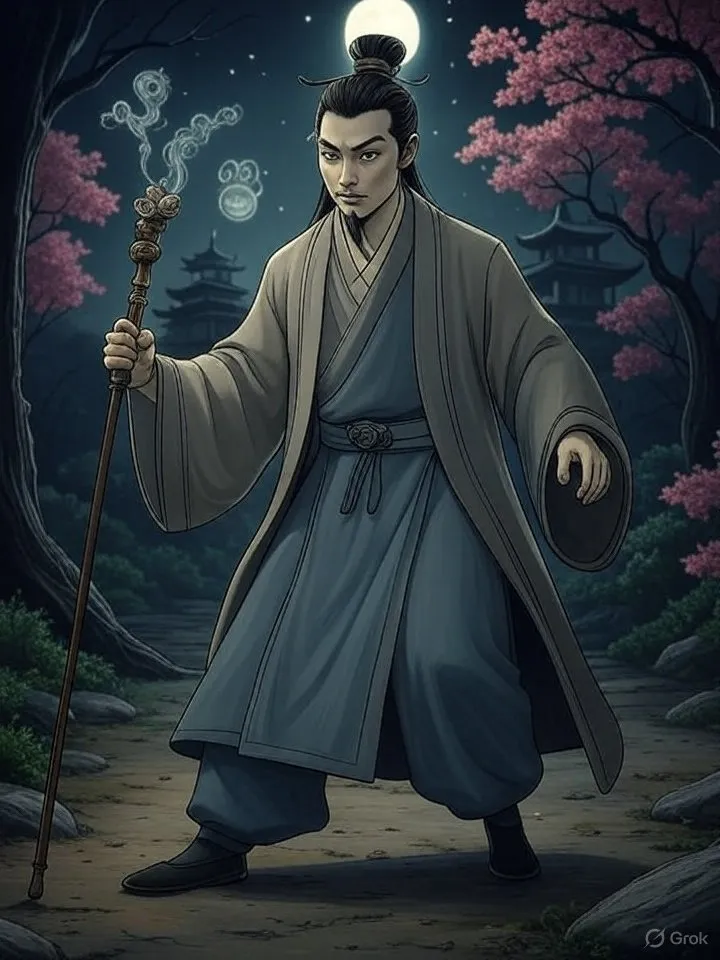
It was then that Kaito, a young scholar from the village, had a vision. In his dreams, he saw a figure cloaked in shadows, standing atop the highest roof in Akakawa. As the moon rose high in the night sky, the figure's form became clear: Shōki, the fierce protector of scholars and children.
Kaito felt an inexplicable sense of calm wash over him as he beheld Shōki. The warrior-scholar's stern eyes seemed to bore into his very soul, but there was a deep kindness in their depths. With a nod, Shōki vanished, leaving Kaito with a single, cryptic message: "The evil that afflicts our village is not of this world."
Determined to uncover the truth behind the darkness that plagued Akakawa, Kaito set out on a journey through the surrounding mountains. For three nights and three days, he fasted and meditated, seeking guidance from the spirits of the land.
Finally, on the third eve, as the last stars twinkled in the sky, Shōki appeared to him once more. This time, however, it was not as a vision but as a living, breathing presence. The warrior-scholar's bushy beard and scholar's robe were bathed in the soft light of dawn.
"You have been chosen, Kaito," Shōki declared, his voice like thunder on a summer day. "The evil that afflicts our village is born from within its own heart. A young boy, consumed by jealousy and anger towards his brothers, has called forth the malevolent spirits to do his bidding."
Shōki's words were like a sharp blade cutting through Kaito's confusion. He recalled a recent quarrel among the villagers' children, a young one who had sulked in silence after being outdone by his siblings.
Without another word, Shōki led Kaito back to the village, where they confronted the troubled boy. With a gentle yet firm hand, Shōki coaxed the child's darkness into the light. As the boy's heart was cleansed of its malice, the very atmosphere of Akakawa shifted.
The nightmares vanished, crops began to thrive once more, and the wind carried sweet scents instead of malevolent whispers. The villagers, freed from their collective despair, rejoiced at Shōki's return. His image on rooftops shone brighter than ever before, a beacon of courage, righteousness, and protection for generations to come.
As for Kaito, he was forever changed by the experience. He realized that even in darkness, there is always hope – and that sometimes, it takes but one brave soul to chase away the shadows.