

Shrines & temples
Japanese shrines
OSM directory
Explore Shinto shrines mapped from OpenStreetMap — filter by prefecture, city, or denomination. For curated travel listings, see featured landmark shrines below.
255 shrines
Kudamatsu Gokoku Shrine
下松護國神社
Yamaguchi
Kudamatsu Gokoku Shrine is a Shinto shrine dedicated to honoring the spirits of those who died in service to Japan during various conflicts. As a Gokoku shrine, it serves as a local memorial for war dead from the Kudamatsu area in Yamaguchi Prefecture.
Kumano Shrine
熊野神社
Yamaguchi
A Kumano shrine in Yamaguchi Prefecture that serves as a regional branch of the famous Kumano Sanzan complex. Like other Kumano shrines throughout Japan, it enshrines the fundamental kami associated with creation, purification, and spiritual power, serving as a center for local worship and community gatherings.
Kumano Shrine
熊野神社
Yamaguchi
A local Kumano shrine in Yamaguchi Prefecture, part of the extensive network of Kumano shrines throughout Japan that originated from the sacred Kumano Sanzan in the Kii Peninsula. These shrines typically enshrine the Kumano Gongen deities and serve as spiritual centers for their communities.
Kumano Shrine
熊野神社
Yamaguchi
A Kumano shrine in Yamaguchi Prefecture, part of the widespread network of Kumano shrines throughout Japan that originated from the famous Kumano Sanzan pilgrimage sites in the Kii Peninsula. These shrines typically serve local communities while maintaining connection to the ancient Kumano faith tradition.
Maruo San Shrine
丸尾三神社
Yamaguchi
Masaki Inari Shrine
正木稲荷神社
Yamaguchi
Masaki Inari Shrine is a local Inari shrine in Yamaguchi Prefecture dedicated to the rice and prosperity deity Inari Okami. Like most Inari shrines, it likely features red torii gates and fox guardian statues, serving the spiritual needs of the surrounding community with prayers for good harvests and business success.
Matsuo Hachimangu
松尾八幡宮
Yamaguchi
Matsuo Hachimangu is a Hachiman shrine in Yamaguchi Prefecture dedicated to the deified Emperor Ojin and associated deities. As a Hachiman shrine, it serves as a center for worship of the god of war, culture, and divine protection, playing an important role in the local community's spiritual life.
Mekari Shrine
和布刈神社
Yamaguchi
Misaka Shrine
三坂神社
Yamaguchi
A Shinto shrine located in Yamaguchi Prefecture, serving the local community with traditional religious ceremonies and seasonal festivals.
Mishima Shrine
三島神社
Yamaguchi
A Shinto shrine dedicated to Oyamatsumi-no-Mikoto, the deity of mountains and sea. Mishima shrines are found throughout Japan, typically honoring this powerful kami who governs natural forces and maritime safety.
Mizugami Shrine
水神社
Yamaguchi
A Shinto shrine dedicated to water deities, reflecting the vital importance of water in Japanese agricultural and spiritual traditions. The shrine serves the local community's needs for prayers related to water sources, irrigation, and protection from water-related disasters.
Motonosumi Shrine
元乃隅神社
Yamaguchi · 長門市油谷津黄498
Murao Inari Shrine
村尾稲荷神社
Yamaguchi
Murao Inari Shrine is a local Inari shrine located in Yamaguchi Prefecture dedicated to Inari Okami, the Shinto deity of rice, sake, and prosperity. Like many Inari shrines throughout Japan, it serves as a place of worship for agricultural success and business prosperity for the local community.
Nagano Hachimangu Shrine
長野八幡宮
Yamaguchi
A Hachiman shrine in Yamaguchi Prefecture dedicated to the syncretic Shinto-Buddhist deity Hachiman, widely revered as a protector deity and god of war, culture, and divine emperorship.
Nagata Shrine
永田神社
Yamaguchi
A Shinto shrine located in Yamaguchi Prefecture, serving as a local spiritual center for the surrounding community with traditional shrine architecture and ceremonial practices.
Nakago Hachiman Shrine
中郷八幡宮
Yamaguchi
Nakasu Hachimangu Shrine
中須八幡宮
Yamaguchi
Nakasu Hachimangu is a Hachiman shrine in Yamaguchi Prefecture dedicated to the deified Emperor Ojin and associated deities. As a Hachiman shrine, it serves as a center for worship of the war god and protector deity, reflecting the historical importance of divine protection in the region.
Nakatsuse Shrine
中津瀬神社
Yamaguchi
Noda Shrine
野田神社
Yamaguchi
Noda Shrine is dedicated to Mori Takachika, the last daimyo of Choshu Domain and a key figure in the Meiji Restoration. Located in Yamaguchi City, the shrine honors his contributions to modernizing Japan and his role in the political transformation that ended the Tokugawa shogunate. The shrine serves as both a religious site and a memorial to one of the most influential leaders of 19th century Japan.
Nogi Shrine
乃木神社
Yamaguchi
A shrine dedicated to General Nogi Maresuke, the famous military commander who served with distinction during the Russo-Japanese War and was known for his loyalty to Emperor Meiji. The shrine honors his memory and that of his wife, who both committed ritual suicide following the emperor's death in 1912.
Oe Gongen Shrine
大江権現
Yamaguchi
A local gongen shrine in Yamaguchi Prefecture that represents the syncretic tradition of Shinto-Buddhist worship, where kami are venerated as manifestations of Buddhist deities.
Oshima Hachimangu Shrine
大島八幡宮
Yamaguchi
A Hachiman shrine located in Yamaguchi Prefecture dedicated to the deified Emperor Ojin. As a Hachiman shrine, it serves as a center for worship of the god of war, culture, and divine protection, particularly revered by warriors and local communities seeking protection and prosperity.
Otoshi Shrine
大歳神社
Yamaguchi
A Shinto shrine in Yamaguchi Prefecture dedicated to Otoshi-no-kami, the deity of harvest and agricultural prosperity. The shrine serves the local community as a place of worship for ensuring good harvests and protection of crops throughout the farming seasons.
Otoshi Shrine (Amako Hime)
大歳神社(尼子姫)
Yamaguchi
A Shinto shrine in Yamaguchi Prefecture dedicated to Otoshi-no-kami, the kami of harvest and New Year, alongside the local deity Amako Hime. The shrine serves the agricultural community and is particularly significant during harvest festivals and New Year celebrations.
Curated shrine listings
Hand-picked shrines and temples from our landmark guide.
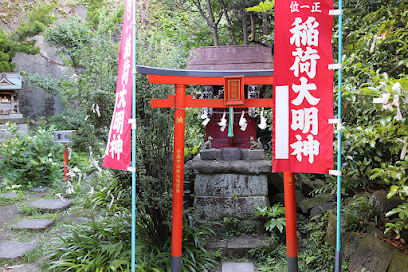
Otsuna Kompira Shrine
Kanagawa 221-0834
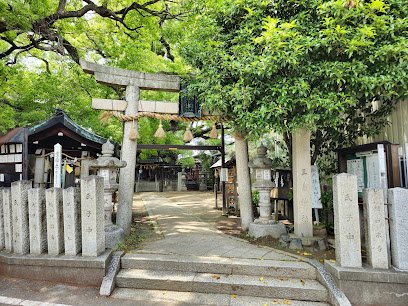
Mitsushima Shrine
Osaka 571-0015
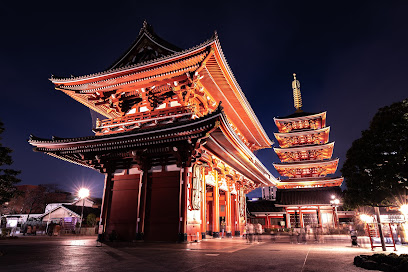
Sensō-ji
Tokyo 111-0032
Completed in 645, this temple, Tokyo's oldest, was built to honor Kannon, the goddess of m...
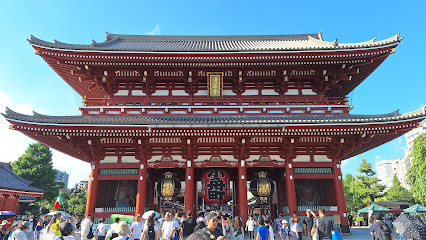
Kaminarimon
Tokyo 111-0032
A 3.9m-tall lantern greets visitors to this stately gate at the entrance to Sensō-ji templ...
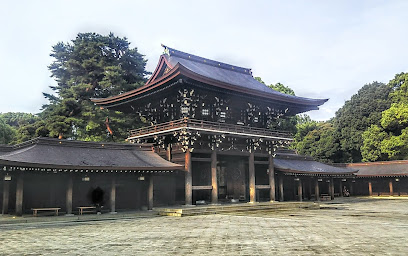
Meiji Jingu
Tokyo 151-8557
Surrounded by forest, this venerable Shinto shrine features a seasonal iris garden.

Kushida Shrine
812-0026
Founded in 757 CE, this urban site annually hosts the city's largest festival, Hakata Gion...