

Shrines & temples
Japanese shrines
OSM directory
Explore Shinto shrines mapped from OpenStreetMap — filter by prefecture, city, or denomination. For curated travel listings, see featured landmark shrines below.
732 shrines
三八城神社
三八城神社
Aomori
Located in the city of Hachinohe, Aomori Prefecture, San-8-jōsai-jinsha Shrine is one of Japan's most northerly shrines and a popular destination for those seeking spiritual guidance and blessings. The shrine is dedicated to the deity Inari Okami, patron of rice and industry, as well as various regional kami such as Kaito-gami and Ryūgū-gami.
堰神社
堰神社
Aomori
Baijinsha, located in Aomori Prefecture, is a Shinto shrine dedicated to Baijin, the god of rivers and streams. The shrine's design reflects its connection to water, with a unique curved roofline and a large stone bridge. While some information on the specific history of the shrine is scarce, it is known that Baijinsha was built during the Edo period to honor the spirit of the nearby Aomori River. Visitors can explore the shrine grounds, which feature several small shrines and a beautiful garden with a tranquil pond.
金木八幡宮
金木八幡宮
Aomori
Located in Aomori, Shinshu's Kinryu-ji Temple is renowned as the temple that gave birth to the Taira clan and the legendary hero Minamoto no Yoshitsune, who defeated the Taira forces in the Genpei War. In contrast, Kinryu-ji Temple in Aomori Prefecture is dedicated to the goddess Kintarō, also known as Kinryū, a powerful Shinto deity with roots in the Tohoku region. This temple honors Kintarō's connection to the sea and its significance in the local culture.
神明宮
神明宮
Aomori
Godai-ji Shrine, located in Aomori Prefecture, is dedicated to the Shinto deity Godai-oki, a kami associated with the sea and fishing. The shrine's architecture reflects traditional Japanese style, with a simple yet elegant design featuring wooden posts and tiled roofs. Visitors can explore the shrine grounds, which include a scenic pond and a forested area.
西宮神社
西宮神社
Aomori
West Miyagi Shrine, located in Aomori Prefecture, is a Shinto shrine dedicated to the sea goddess Amaterasu and the god of fertility Ryujin. The shrine's architecture reflects its coastal location with features such as stone walls and wooden gateposts. Visitors can enjoy the beautiful views of the surrounding mountains and coastline from the shrine grounds. The shrine is also famous for its traditional festivals, including the Sanja Matsuri, which honors the gods with offerings of sake, rice, and other food items.
今別八幡宮
今別八幡宮
Aomori
Imabari Hachiman Shrine, located in Aomori Prefecture, is one of the oldest shrines dedicated to Hachiman, a revered Shinto deity associated with war and protection. The shrine's historical significance dates back to the Nara period (710-794 CE), during which it was an important center for spiritual guidance. Its architecture reflects the traditional Heian style, with a main hall featuring a distinctive tiled roof and surrounded by beautifully manicured gardens.
稲荷社
稲荷社
Aomori
Located in the city of Aomori, Indō-ji Temple is one of Japan's oldest and most sacred Shinto shrines. Dedicated to the rice goddess Inari Ōkami, it is renowned for its unique torii gate structure and extensive vermilion lanterns that adorn the grounds. Visitors often offer prayers and make wishes at this historic site.
神明宮
神明宮
Aomori
Located in the city of Aomori, Godaijingu Shrine is a Shinto shrine dedicated to the deity Godai, a kami believed to reside in the surrounding forests and mountains. The shrine is known for its beautiful gardens and traditional architecture, reflecting the region's rich cultural heritage. As one of Japan's oldest shrines, it has played an important role in local history and tradition.
法霊山 龗神社
法霊山 龗神社
Aomori
Located in the heart of Aomori, Hakusan Ryogen Shrine is a historic Shinto shrine dedicated to the mountain spirit (ryogen) that resides within Lawa Mountain. The shrine's architecture reflects traditional Japanese design, with a wooden torii gate and tiled roof. As one of Japan's oldest shrines, it has played a significant role in local folklore and mythology.
藤ヶ森稲荷神社
藤ヶ森稲荷神社
Aomori
藤ヶ森稲荷神社, located in Aomori Prefecture, is a Shinto shrine dedicated to the rice goddess Inari Ōkami. This shrine is situated within the scenic Fujiwara Forest, known as Fujikage, which is believed to be the dwelling place of the kami. The shrine's architecture reflects traditional Japanese design, with a distinctive haiden (main hall) and honden (main shrine). Visitors can explore the forest paths, which offer stunning views of the surrounding mountains and the shrine grounds.
天龍稲荷神社
天龍稲荷神社
Aomori
Located in the scenic Aomori Prefecture, the Tenryu Inari Shrine is dedicated to the Shinto god of rice and fertility, with a strong connection to the region's rich agricultural heritage. The shrine's architecture reflects its location on the northern island of Honshu, where traditional Japanese buildings blend seamlessly into the natural landscape. Visitors can explore the shrine's serene gardens, temples, and historic torii gates, offering a tranquil retreat from the bustling city.
小田八幡宮
小田八幡宮
Aomori
Located in Aomori Prefecture, 小田八幡宮 is a Shinto shrine dedicated to the protection and blessings of its community. The shrine's name, meaning 'small Inari Shrine', reflects its reverence for the kami Inari Okami, the god of rice, fertility, and industry. Visitors can admire the shrine's traditional Japanese architecture, featuring a vermilion torii gate and a serene garden.
川口神社
川口神社
Aomori
Located in the Aomori Prefecture, 川口神社 is a Shinto shrine dedicated to the worship of Utsukishimahime, the goddess of the Tsugaru region's mountains and forests. The shrine's architecture reflects traditional Japanese styles, with a main hall (honden) and several smaller shrines. Visitors can enjoy stunning views of the surrounding mountains while exploring the shrine grounds.
八坂神社
八坂神社
Aomori
Located in the heart of Aomori City, eight-sacred-shrine (yatsuga-hachiman-zukuri) is a traditional Shinto shrine dedicated to Hachiman, the god of war and patron deity of travelers. The shrine's architecture reflects its historical significance as a major route point between Japan and Korea during the Heian period. Built in 1562, the current main hall is a striking example of Edo-period architecture, featuring a unique roof design that symbolizes the eight sacred mountains.
大祐神社
大祐神社
Aomori
Located in the city of Hachinohe, Aomori Prefecture, Daiojingu Shrine is one of Japan's oldest and most revered Shinto shrines. Dedicated to the sun goddess Amaterasu, it was built during the Nara period (710-794 CE) and rebuilt in 1869 after a fire. The shrine complex features a distinctive hump-backed torii gate and is famous for its beautiful autumn foliage.
八幡宮
八幡宮
Aomori
Located in Aomori Prefecture, Eight Horses Temple (Hachimangu) Shrine is dedicated to the Shinto god of war and justice, Hachiman. This shrine is a prominent example of a daidō temple style, with a large, imposing structure that dominates the surrounding landscape. The shrine's eight main halls are said to represent the eight virtues of the samurai class, reflecting its historical association with the Imperial Japanese Army. Visitors can explore the shrine grounds, which feature several scenic gardens and walking paths.
長者山新羅神社
長者山新羅神社
Aomori
Longer Mountain New Chosun Shrine is a Shinto shrine located in Aomori Prefecture, dedicated to the deity of the sea, Ōkagami-kami, and the goddess of fertility, Mutsu-ōkami. The shrine's architecture reflects the Heian period style with a distinctive golden tiled roof and a large torii gate. Located near the coast, the shrine is believed to be the ancestral home of the local Taira clan. Visitors can enjoy stunning views of the surrounding mountains and sea from the shrine grounds.
御前神社
御前神社
Aomori
Located in the Aomori Prefecture, Ōmae Shrine is a Shinto shrine dedicated to the kami of education and children's well-being. As one of Japan's oldest shrines, it has been a vital part of local culture and tradition for centuries. The shrine's architecture reflects its rich history, with traditional Japanese buildings and beautiful gardens. Visitors can experience the serene atmosphere and learn about the significance of Ōmae Shrine in Aomori.
熊野神社
熊野神社
Aomori
Nemuro Jishu Shrine, also known as Aomori Kannon Temple, is a Shinto shrine located in the city of Aomori, Japan's northernmost prefecture. The shrine is dedicated to the worship of Benzaiten, the Shinto goddess of wisdom, art, and music. Its historic roots date back to 744 CE, when it was built as a Shinto shrine to honor the god of the sea, Shintoku no kami. Over time, the shrine has absorbed the influence of Buddhism, incorporating elements of both faiths into its architecture and practices.
四本松神社
四本松神社
Aomori
The four-stem cedar shrine of Matsushima, located in Aomori Prefecture, is a sacred site dedicated to the kami of the sea and protection from storms. The shrine's name reflects its unique architecture, featuring a large cedar tree with four stems standing tall on its grounds. Visitors can experience the serene atmosphere of the shrine, surrounded by beautiful natural scenery.
浅間神社
浅間神社
Aomori
Aomori's Aomori Prefectural Shrine, dedicated to Ryujin, the Dragon God of the Sea and Storms, is one of Japan's oldest Shinto shrines. The shrine complex, situated on a scenic hillside overlooking the city, reflects traditional Japanese architecture with its large wooden gate and tiled roofs. Visitors can explore the shrine grounds, which include a beautiful garden, a torii gate, and several smaller shrines.
龍興山神社
龍興山神社
Aomori
Located in the beautiful Akita Prefecture, not Aomori (it's possible that is a typo), Ryongex Sangsha is an ancient Shinto shrine dedicated to the sea god Ryujin and the wind god Fūjin, as well as other kami including Gashin'etsu Hikoboshi. The shrine is known for its traditional architectural style and beautiful gardens. Visitors can experience the tranquil atmosphere of the shrine and learn about the rich history and culture of the area.
高山神社
高山神社
Aomori
Located in Aomori Prefecture, high mountain (高山) is a common term used to describe the region's rugged landscape. This Shinto shrine, dedicated to no primary kami is enshrined with many deities but its significance lies in its beautiful natural surroundings and traditional architecture.
鯛島弁財天
鯛島弁財天
Aomori
Teshima Shrine is dedicated to the Shinto god of fishing, Inari, and the sea goddess Amaterasu Omikami. Located in Aomori Prefecture, this shrine has a rich history dating back to the Edo period. Visitors can explore the beautiful garden, traditional architecture, and enjoy the scenic views of the surrounding ocean.
Curated shrine listings
Hand-picked shrines and temples from our landmark guide.
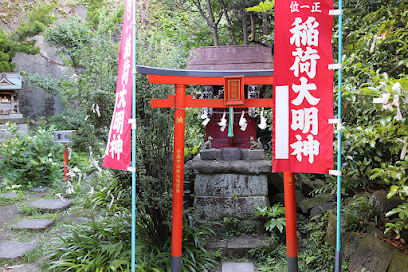
Otsuna Kompira Shrine
Kanagawa 221-0834
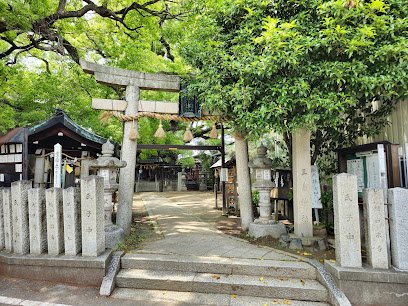
Mitsushima Shrine
Osaka 571-0015
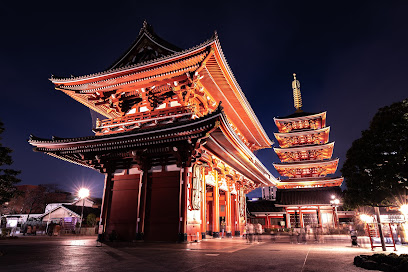
Sensō-ji
Tokyo 111-0032
Completed in 645, this temple, Tokyo's oldest, was built to honor Kannon, the goddess of m...
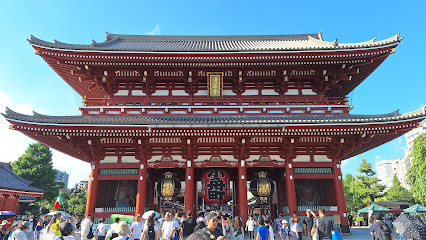
Kaminarimon
Tokyo 111-0032
A 3.9m-tall lantern greets visitors to this stately gate at the entrance to Sensō-ji templ...
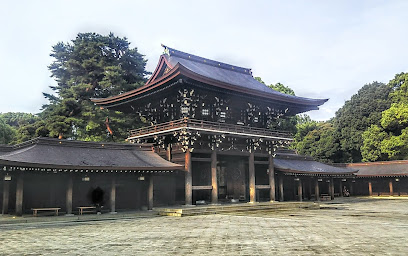
Meiji Jingu
Tokyo 151-8557
Surrounded by forest, this venerable Shinto shrine features a seasonal iris garden.

Kushida Shrine
812-0026
Founded in 757 CE, this urban site annually hosts the city's largest festival, Hakata Gion...