

Shrines & temples
Japanese shrines
OSM directory
Explore Shinto shrines mapped from OpenStreetMap — filter by prefecture, city, or denomination. For curated travel listings, see featured landmark shrines below.
1,875 shrines
Uka shurine
宇迦神社
Ibaraki
Uka Shrine, located in Ibaraki Prefecture, is dedicated to the Shinto deity Susanoo-no-Mikoto and his sister Hikoboshi-no-Mikoto, known as Kujaku. As one of the oldest shrines in Japan, Uka Shrine dates back to the 8th century and has played a significant role in local history and mythology. The shrine is famous for its unique architectural style, which reflects the Heian period's influence on Shinto architecture.
Umori Inari Shrine
鵜森稲荷神社
Ibaraki
Located in the scenic coastal town of Tomobe, Ibaraki Prefecture, Umori Inari Shrine is a revered Shinto site dedicated to Inari Okami, the patron kami of rice and fertility. The shrine's architecture reflects the region's rich cultural heritage, with a traditional Japanese garden and a distinctive vermilion torii gate. Visitors can explore the shrine's grounds, which feature several smaller shrines and temples, each with its own unique charm and history.
Uneme Nyotai Shrine
采女女体神社
Ibaraki
Uneme Nyotai Shrine is a Shinto shrine located in Ibaraki Prefecture, dedicated to the enshrined kami of Uneme Nyotai, a female spirit believed to be associated with fertility and prosperity. The shrine's architecture reflects traditional Japanese design, with a large torii gate and a wooden main hall. Visitors can experience the shrine's tranquil atmosphere and learn about its cultural significance during festivals such as the Spring Equinox Festival.
Ushijima Shrine
牛嶋神社
Ibaraki
Ushijima Shrine, located in Ibaraki Prefecture, is a Shinto shrine dedicated to the worship of Hachiman, the god of war and patron deity of samurai. The shrine's name 'ushijima' literally means 'horse bridge', reflecting its historical significance as a bridge over a river where horses were often ferried across. The shrine's architecture reflects traditional Japanese design with a main hall dedicated to Hachiman and smaller shrines for other kami, including the Shinto god of fertility and prosperity, Ryujin.
Wakamiya Hachiman-jinja Shrine
若宮八幡神社
Ibaraki
Located in the scenic city of Hitachi, Ibaraki Prefecture, Wakamiya Hachiman-jinja Shrine is one of Japan's oldest and most revered Shinto shrines. Dedicated to the god of war, Hachiman, it was originally constructed during the Nara period (710-794 CE). Over time, the shrine has undergone numerous renovations and expansions, with its current structure dating back to the Edo period (1603-1868 CE). Visitors can explore the shrine's main hall, which features an impressive wooden torii gate adorned with golden leaves. The shrine is also famous for its traditional festivals, including the annual Hachiman Matsuri, which honors the god of war and takes place in late October.
Washi Shrine
鷲神社
Ibaraki
Washi Shrine, located in the coastal town of Minato, Ibaraki Prefecture, is a Shinto shrine dedicated to the sea god Ōkuninushi and the god of rice, Ninigi-no-kami. The shrine's architecture reflects its seaside location, with a unique wooden torii gate that blends seamlessly into the surrounding environment. Visitors can explore the shrine's serene gardens and enjoy stunning views of the Pacific Ocean.
Washi Shrine
Ibaraki
Washi Shrine, located in Ibaraki Prefecture, is a Shinto temple dedicated to the kami of the same name. The shrine's history dates back to the Edo period, with records showing its existence as early as 1730. Its architecture reflects traditional Japanese styles, featuring a vermilion torii gate and a wooden hall dedicated to Washi, the local deity believed to bring prosperity to fishermen and farmers.
Yakujin Shrine
薬神神社
Ibaraki
Yakujin Shrine, located in Ibaraki Prefecture, is a Shinto shrine dedicated to the god of medicine and healing, Yakujin Okami. The shrine's architecture reflects its historical significance as a center for traditional Japanese medicine, with wooden buildings and tile-roofed structures dating back to the Edo period. Visitors can explore the shrine's museum, which showcases exhibits on the history of yakushi (medicinal deities) in Japan.
Yakumo-jinja Shrine
八雲神社
Ibaraki
Yakumo-jinja Shrine, located in Ibaraki Prefecture, is a Shinto shrine dedicated to the kami of cloud and rain, Yakumo. The shrine's architecture reflects the region's history as an agricultural society, with wooden buildings typical of the Heian period. The shrine grounds feature a serene forest atmosphere, complete with walking trails and a scenic pond.
Yanagihara Inari Shrine
柳原稲荷神社
Ibaraki
Yanagihara Inari Shrine is a Shinto shrine located in the town of Miyama, Ibaraki Prefecture. The shrine is dedicated to the worship of Inari Okami, the Shinto deity of rice, industry, and prosperity. The shrine's architecture is characterized by its traditional Japanese style, with a main hall and several smaller shrines. Visitors can experience the tranquility of the shrine grounds, which feature beautifully landscaped gardens and a serene pond.
Yanaka Inari Shrine
谷中稲荷神社
Ibaraki
Yanaka Inari Shrine is a Shinto shrine located in the heart of Ibaraki Prefecture, dedicated to the worship of Inari Okami, the kami of rice, fertility, and prosperity. The shrine's serene atmosphere and intricate vermilion torii gates evoke a sense of tranquility, drawing visitors from afar. As one of the oldest shrines in Japan, Yanaka Inari Shrine has maintained its cultural significance for centuries, offering a glimpse into the country's rich spiritual heritage.
Yasaka Shrine
八坂神社
Ibaraki
Located in the heart of Ibaraki Prefecture, Yasaka Shrine is a historic Shinto shrine dedicated to Amaterasu Omikami, the goddess of the sun. Founded during the Nara period (710-794 CE), the shrine has played a significant role in local history and culture. With its well-preserved architecture and serene gardens, Yasaka Shrine offers visitors a glimpse into Japan's rich spiritual heritage.
Yasaka Shrine
八坂神社
Ibaraki
Yasaka Shrine, located in the picturesque town of Yuki, Ibaraki Prefecture, is a revered Shinto site that has been an integral part of the region's history and culture. Built in 1633 by the Tokugawa shogunate to commemorate the death of the daimyo (feudal lord) Tsugaru Masakazu, Yasaka Shrine is dedicated to the kami (deities) of good fortune, prosperity, and longevity. The shrine's architecture reflects its role as a Shinto site, with traditional Japanese-style buildings and a serene garden. Visitors can walk through the tranquil grounds, admiring the beautiful landscaping and learning about the rich history behind this sacred place.
Yasaka Shrine
八坂神社
Ibaraki
Yasaka Shrine, located in the heart of Ibaraki Prefecture, is a tranquil Shinto sanctuary dedicated to the worship of Kagami no Kami, the god of mirrors and water. The shrine's architecture reflects traditional Japanese design with its tiled roofs and wooden pillars. While the exact founding date is unknown, it is believed to have originated during the Edo period. As a popular destination for locals and tourists alike, Yasaka Shrine offers a serene escape from the city's bustle. Visitors can explore the shrine grounds, which include a beautiful pond and walking paths surrounded by lush greenery.
Yasaka Shrine
八坂神社
Ibaraki
Located in the heart of Ibaraki Prefecture, Yasaka Shrine is a Shinto shrine dedicated to the kami of the eight hills (yamato okami) that surround the city. The shrine is particularly famous for its beautiful gardens and traditional architecture, which reflect the tranquil atmosphere of the surrounding hills.
Yasaka Shrine
八坂神社
Ibaraki
Yasaka Shrine, located in the picturesque prefecture of Ibaraki, is dedicated to the enshrined deity, Susanoo-no-Mikoto, a powerful kami associated with storms and fertility. The shrine's architecture reflects the Heian period, with its iconic wooden vermillion torii gate and traditional Shinto buildings. In line with regional customs, the shrine also features a unique style of vermilion-lacquered wooden pillars and intricately carved doors.
Yasaka Shrine
八坂神社
Ibaraki
Yasaka Shrine, located in the town of Sōsa in Ibaraki Prefecture, is a Shinto shrine dedicated to the gods of rice and fertility. The shrine's main deity, the god of rice, Yamato no Okami, is enshrined along with other kami such as Inari and Hachiman. The shrine's architecture reflects traditional Japanese design, with a large torii gate and wooden structures. Yasaka Shrine is known for its beautiful gardens and scenic views of the surrounding countryside.
Yasaka Shrine
八坂神社
Ibaraki
Yasaka Shrine, located in the heart of Ibaraki Prefecture, is a serene Shinto oasis that has stood for centuries. Dedicated to the god of prosperity and good fortune, the shrine's architecture reflects traditional Japanese design, with a majestic torii gate and intricately carved wooden structures. The shrine's grounds are renowned for their stunning cherry blossom displays, making it a popular destination during spring's famous Hanami festivals.
Yasaka Shrine
八坂神社
Ibaraki
Yasaka Shrine, located in Ibaraki Prefecture, is a Shinto shrine dedicated to the deity of the same name. The shrine's primary enshrinement is to the kami Inari Okami, who is revered as the god of rice, fertility, and industry. The shrine's architecture reflects its historical period, with influences from Kamakura-era styles. Yasaka Shrine has undergone significant renovations and expansions over the centuries, with notable restorations during the Edo period.
Yasaka Shrine
八坂神社
Ibaraki
Yasaka Shrine, located in Ibaraki Prefecture, is one of the oldest shrines in Japan dedicated to the deity Satoru and the god of fortune, Ebisu. The shrine's architecture reflects the Heian period style, with a distinctive torii gate and a five-story pagoda. Visitors can experience traditional Japanese culture by attending the Omisoka (New Year's Eve) festival, where participants walk around the shrine 108 times to purify themselves for the coming year.
Yasaka Shrine
Ibaraki
Yasaka Shrine is a Shinto shrine located in Miharu, Ibaraki Prefecture, dedicated to the kami Hidesaburō Yamada. The shrine's main hall is designed in the traditional Heian-style architecture, with a vermilion torii gate and a large pond. Yasaka Shrine is known for its beautiful autumn foliage and cherry blossoms during spring.
Yasaki Inari Shrine
矢先稲荷神社
Ibaraki
Yasaki Inari Shrine is a Shinto shrine located in the town of Iwaki, Ibaraki Prefecture, and is dedicated to Inari Okami, the Shinto god of rice, fertility, and prosperity. The shrine's architecture reflects its historical significance as a major pilgrimage site for farmers in the region. The shrine complex features several small shrines and halls, including the main hall dedicated to Inari Okami. Visitors can explore the shrine grounds, which include a forested area and a small pond.
Yokoto Motoike Bentengu
横戸元池弁天宮
Ibaraki
Located in Ibaraki Prefecture, Yokoto Motoike Bentengu Shrine is a small Shinto shrine dedicated to the deity of wisdom and knowledge. The name 'Motoike' refers to an ancient well, which was believed to possess healing properties. The shrine's architecture reflects its historical period, with a predominantly Heian-style design. Visitors can explore the serene grounds and experience the tranquility of this sacred site.
Yoshida Shrine
吉田神社
Ibaraki
Yoshida Shrine, located in the heart of Ibaraki Prefecture, is a Shinto shrine dedicated to the god of agriculture and fertility. The shrine's architecture reflects traditional Japanese style with a distinctive tiled roof and a serene garden. Visitors can explore the shrine's grounds, which include several small shrines and torii gates dedicated to various kami. The shrine is also known for its beautiful cherry blossom trees that bloom in spring.
Curated shrine listings
Hand-picked shrines and temples from our landmark guide.
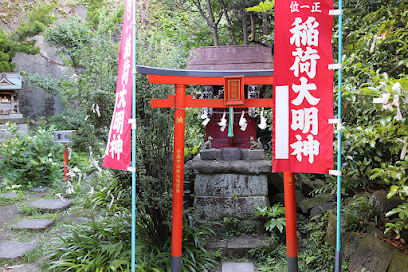
Otsuna Kompira Shrine
Kanagawa 221-0834
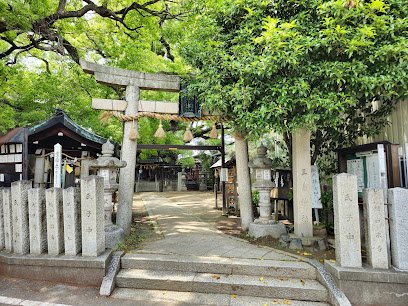
Mitsushima Shrine
Osaka 571-0015
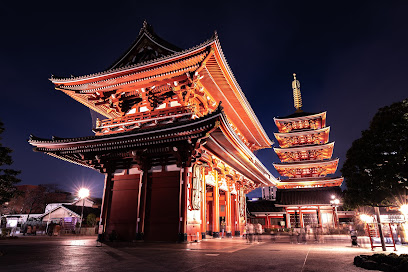
Sensō-ji
Tokyo 111-0032
Completed in 645, this temple, Tokyo's oldest, was built to honor Kannon, the goddess of m...
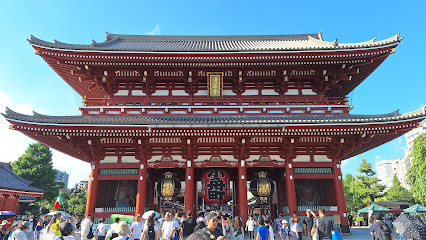
Kaminarimon
Tokyo 111-0032
A 3.9m-tall lantern greets visitors to this stately gate at the entrance to Sensō-ji templ...
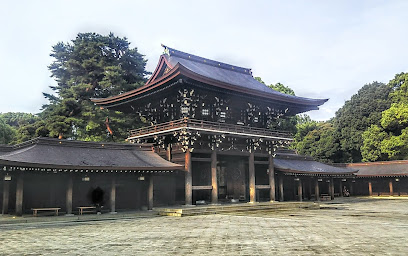
Meiji Jingu
Tokyo 151-8557
Surrounded by forest, this venerable Shinto shrine features a seasonal iris garden.

Kushida Shrine
812-0026
Founded in 757 CE, this urban site annually hosts the city's largest festival, Hakata Gion...