

Shrines & temples
Japanese shrines
OSM directory
Explore Shinto shrines mapped from OpenStreetMap — filter by prefecture, city, or denomination. For curated travel listings, see featured landmark shrines below.
1,794 shrines
Mikami Shrine
御上神社
Shiga
Located in the city of Maibara, Mikami Shrine is a historic Shinto shrine dedicated to Mikami-no-kami, the god of rice and fertility. Founded during the Edo period, the shrine has played an important role in local agriculture and festivals, particularly the Shishimai festival held annually to celebrate the goddess's bounty.
Mikane Shrine
御金神社
Shiga
Mikane Shrine is a historic Shinto shrine located in the town of Teshima, Shiga Prefecture. Dedicated to the water deity, Mikane-jin, the shrine has maintained its traditional architecture and cultural significance over the centuries. The shrine's wooden torii gate is adorned with cherry blossoms during spring festivals, symbolizing the arrival of warmer seasons.
Misu Shrine
三栖神社
Shiga
Located in the heart of Koka City, Shiga Prefecture, Misu Shrine is a historic Shinto shrine dedicated to the god of rice, Misu-no-kami, and the water spirit, Hikoboshi. The shrine's architecture reflects its age, with a traditional Japanese-style main hall and several smaller shrines, including the famous Shiroishi Shrine, dedicated to the god of fertility, Shiroishi-no-kami.
Mitsui Jinja
三井神社
Shiga
Mitsui Jinja Shrine in Shiga Prefecture is dedicated to the kami Inari, revered for its role in agriculture and fertility. The shrine's architecture reflects the traditional Heian period style, with a rectangular main hall and a five-story pagoda. Visitors can explore the shrines beautifully landscaped gardens and traditional Japanese shops and restaurants nearby.
Moroha Shrine
諸羽神社
Shiga
Moroha Shrine, located in the city of Nagahama, Shiga Prefecture, is a historic Shinto shrine dedicated to the kami (deities) associated with agriculture and prosperity. The shrine's architecture reflects traditional Japanese design, with a distinctive tiled roof and ornate vermillion gates. Visitors can explore the shrine grounds, which feature several smaller shrines and gardens, as well as a tranquil pond. The shrine is particularly famous for its annual spring festival, where visitors can participate in traditional activities such as rice planting and lantern-making.
Munakata Shrine
宗像神社
Shiga
Munakata Shrine, located in Shiga Prefecture, is a sacred site dedicated to the kami of the Munakata family, who were believed to have played a significant role in the region's history and mythology. The shrine's architecture reflects the Heian period style, with a main hall built in 1747 and several other structures dating back to earlier periods. Visitors can explore the shrine's grounds, which include a beautiful garden and several stone lanterns, offering a glimpse into traditional Japanese culture.
Nagi Shrine
梛神社
Shiga
Located in Shiga Prefecture, Nagi Shrine is a Shinto shrine dedicated to the kami of agriculture and fertility. The shrine is situated on a hill overlooking the Kuzuryu River and is known for its beautiful cherry blossom trees and historic wooden structures. Visitors can walk along the shrine's grounds and explore the various temples and shrines that dot the area.
Nakaragi Shrine
半木神社
Shiga
Nakaragi Shrine is a Shinto shrine located in Nagahama, Shiga Prefecture, dedicated to the kami of the sea and the founding of Osaka. The shrine's main hall was built in 1889 during the Meiji period, replacing an older structure from the Edo period. Nakaragi Shrine is famous for its beautiful gardens and traditional architecture, reflecting the importance of the sea as a source of life and prosperity in the region.
Namiho Shrine
波穂神社
Shiga
Namiho Shrine, located in Shiga Prefecture, is dedicated to the kami of the sea and fishing. The shrine's name, Namiho, roughly translates to ' wave god' or 'god of waves'. According to local lore, the shrine was established by a fisherman who prayed for a bountiful catch after a long period of drought. His prayer was answered, and the shrine has since become an important cultural and spiritual center for the region's fishermen.
Nishiki Tenman Shrine
錦天満宮
Shiga
Nishiki Tenman Shrine, located in Shiga Prefecture, is dedicated to the deity Tenman Okami, revered as a patron of commerce and prosperity. The shrine's name 'Nishiki' refers to its location near the Nishiki River, which flows through the city of Omi-Hachiman. Founded during the Heian period (794-1185 CE), the shrine is renowned for its striking vermilion torii gate and serene garden. Visitors can explore the shrine's many halls and buildings, including the Hon-do Shrine Hall and the Seimon Gate, both adorned with intricate wooden carvings and ornate decorations.
Nishiura Shrine
西浦神社
Shiga
Nishiura Shrine, located in the heart of Lake Biwa's scenic countryside, is a serene and tranquil destination that embodies the spirit of rural Japan. Dedicated to the worship of local kami, the shrine has been a source of community gathering and celebration for centuries. The shrine's architecture reflects its history, blending traditional elements with modern touches.
Nyakuoji-jinja Shrine
熊野若王子神社
Shiga
Nyakuoji-jinja Shrine, located in Shiga Prefecture, is a Shinto shrine dedicated to the god of fertility and prosperity. The shrine's name, Nyakuoji, roughly translates to 'young lord of the forest.' It is believed that the shrine was originally built in the 7th century as a sacred site for the worship of this deity. Over time, the shrine has undergone numerous transformations, with its current structure dating back to the Edo period. Visitors can observe traditional Shinto architecture and admire the serene natural surroundings of the shrine's grounds.
Okazaki Shrine
岡崎神社
Shiga
Okazaki Shrine, located in the city of Katsuyama, Shiga Prefecture, is a historic Shinto shrine dedicated to the kami of the region's founder, Okazu-no-mikoto. The shrine's architecture reflects its Heian-period origins, with a main hall constructed from cedar wood and a vermilion roof. Visitors can explore the shrine's tranquil grounds, which feature several smaller shrines and temples.
Okumiya Shrine
奥宮神社
Shiga
Okumiya Shrine is a Shinto shrine located in the town of Katsuta, Shiga Prefecture. The shrine is dedicated to the kami of the same name, who is believed to be a powerful deity with control over fishing and waterways. As one of the oldest shrines in Japan, Okumiya Shrine has played an important role in the local community for centuries. The shrine's architecture reflects its historical significance, featuring traditional Japanese wooden structures and intricate carvings. Visitors can explore the shrine grounds, which include a sacred pond and several torii gates.
Okusha Shrine Office of Worship
奥社奉拝所
Shiga
Okusha Shrine, located in the city of Moriyama, Shiga Prefecture, is a sacred space dedicated to the worship of Shinto deities. While not as well-known as some other Shinto shrines in Japan, Okusha has a rich history and cultural significance that reflects the unique traditions of its region. Visitors can explore the shrine's tranquil gardens and historic buildings, learning about the life and legacy of the enshrined kami.
Ontake-san Yamato Hongu
御嶽山 大和 本宮
Shiga
Ontake-san Yamato Hongu Shrine is a historic Shinto shrine located in the town of Kusatsu, Shiga Prefecture. Dedicated to the god of the mountain Ontake, it is one of the most important shrines on Mount Ontake, which is sacred to the Japanese people due to its historical and mythological significance as the residence of the kami.
Orii Jinja Shrine
下居神社
Shiga
Located in the heart of Kyoto, Orii Jinja Shrine is one of the oldest and most revered shrines in the region, dating back to the 8th century. Dedicated to the kami of the Otorii family, who were known for their exceptional skill in shipbuilding, the shrine's architecture reflects a unique blend of traditional Japanese styles, including the iconic torii gate and traditional thatched-roof buildings.
Oshima Shrine
大島神社
Shiga
Oshima Shrine is a historic Shinto shrine located on Oshima Island in Lake Biwa, Shiga Prefecture. The shrine's architecture reflects the traditional styles of Japanese temples and shrines, with a main hall adorned by lacquerwork and shōgen pine tree branches. Visitors can explore the shrine grounds, which include several smaller shrines dedicated to regional deities, including Oshima no Kami.
Otagisya
愛宕社
Shiga
Located in the city of Omi, Shiga Prefecture, Otagisya Shrine is dedicated to the worship of Amaterasu Omikami, the Sun Goddess and one of the most revered deities in Shintoism. The shrine is situated at the foot of Mt. Hieizan and features a distinctive architecture style characteristic of the Omi region during the Kamakura period. In the Edo era, the shrine was renovated to its current form, incorporating elements of Zen Buddhism.
Otowa Inari
音羽稲荷
Shiga
Otowa Inari Shrine is a Shinto shrine located in Ryuhaku, Seno-machi, Hikone, Shiga Prefecture. Dedicated to Inari Okami, the primary deity is believed to be Oinagisan, a kami associated with rice and fertility. The shrine is famous for its three sacred springs, which are said to grant eternal youth and longevity.
Otoyo Shrine
大豊神社
Shiga
Otoyo Shrine is a Shinto shrine located in Omi, Shiga Prefecture, dedicated to the worship of the kami Ame-no-Minakuchi-no-Kami and Ame-no-Himatsuboki-no-Kami, believed to be two ancestral spirits associated with fertility and prosperity. The shrine's architecture reflects traditional Japanese design, with a characteristic honden (main hall) and several smaller shrines. Otoyo Shrine is particularly notable for its association with the legend of Emperor Shōmu, who built the shrine in 717 CE as part of his efforts to unify Japan.
Outer Hall of Worship
外拝殿
Shiga
The Outer Hall of Worship is a historic Shinto shrine located in the city of Hikone, Shiga Prefecture. The shrine's architecture reflects its origins as a humble wooden structure built during the Nara period (712-794 CE), with successive renovations and expansions taking place throughout the Heian and Kamakura periods. Today, the shrine is known for its striking vermilion torii gate and traditional Japanese garden.
Oyamatsumi-jinja Shrine
北白川大山祇神社
Shiga
Located in Shiga Prefecture, Oyamatsumi-jinja Shrine is dedicated to the kami of the northern White River, a significant waterway in Japan. The shrine's architecture reflects traditional Japanese design, with a large torii gate and a distinctive roof style characteristic of the region. According to local legend, the shrine was established during the Nara period (710-794 CE) to protect the area from natural disasters. Visitors can experience the shrine's historic charm by exploring its peaceful gardens and taking a stroll along the nearby White River.
Rear Shrine
奥宮
Shiga
Located in the city of Omi, Shiga Prefecture, the Rear Shrine is a historic Shinto temple dedicated to the kami Enmei, the god of prosperity and good fortune. The shrine's architecture reflects its origins as a humble rear annex of a larger shrine in Kyoto, dating back to the Heian period (794-1185 CE). The Rear Shrine has played an important role in local festivals and traditions, including the annual Koshin Festival to honor Enmei.
Curated shrine listings
Hand-picked shrines and temples from our landmark guide.
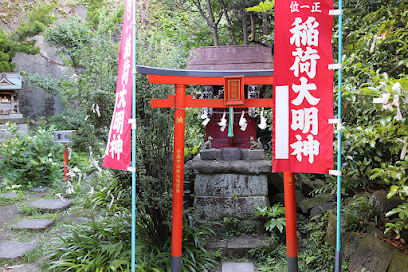
Otsuna Kompira Shrine
Kanagawa 221-0834
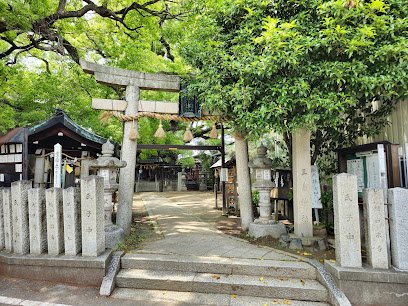
Mitsushima Shrine
Osaka 571-0015
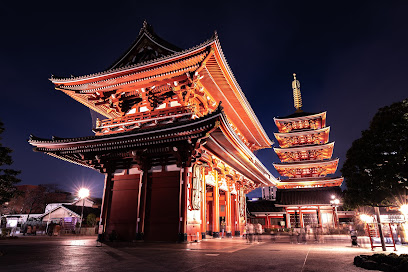
Sensō-ji
Tokyo 111-0032
Completed in 645, this temple, Tokyo's oldest, was built to honor Kannon, the goddess of m...
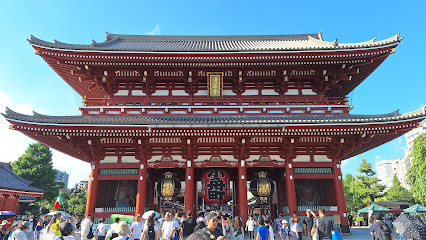
Kaminarimon
Tokyo 111-0032
A 3.9m-tall lantern greets visitors to this stately gate at the entrance to Sensō-ji templ...
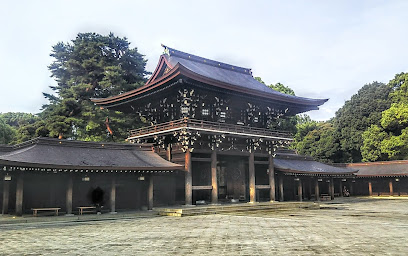
Meiji Jingu
Tokyo 151-8557
Surrounded by forest, this venerable Shinto shrine features a seasonal iris garden.

Kushida Shrine
812-0026
Founded in 757 CE, this urban site annually hosts the city's largest festival, Hakata Gion...