

Shrines & temples
Japanese shrines
OSM directory
Explore Shinto shrines mapped from OpenStreetMap — filter by prefecture, city, or denomination. For curated travel listings, see featured landmark shrines below.
1,794 shrines
Hakusan Jinja Shrine
白山神社
Shiga
Hakusan Jinja Shrine is a Shinto shrine located in the city of Hikone, Shiga Prefecture. Dedicated to the deity Hachiman, the shrine is known for its stunning architecture and historical significance. Built in 1861, the current main hall was designed in the Meiji style, reflecting the period's emphasis on modernization and nationalism. The shrine complex also features several smaller shrines dedicated to various regional kami.
Hanayama Inari Daimyojin
花山稲荷大明神
Shiga
Located in the heart of Shiga Prefecture, Hanayama Inari Daimyojin Shrine is dedicated to the Shinto god of rice and fertility, Inari Okami, as well as other kami associated with agriculture and prosperity. The shrine's name, 'Hanayama,' translates to 'flower mountain,' which may refer to the beautiful cherry blossoms that bloom in the surrounding area during springtime. Visitors can explore the shrine's tranquil grounds, adorned with vermilion torii gates and intricately carved wooden structures, offering a peaceful respite from the bustling city.
Hattori Shrine
服部神社
Shiga
Located in the town of Katsuyama, Shiga Prefecture, Hattori Shrine is a historic Shinto temple dedicated to Hattori Masakazu, a loyal samurai who served the Tokugawa shogunate during the Edo period. The shrine is known for its beautiful gardens and traditional architecture, which date back to the 17th century.
Herasaka-jinja Shrine
弊羅坂神社
Shiga
Located in the town of Maibara, Shiga Prefecture, Herasaka-jinja Shrine is a historic Shinto shrine dedicated to the worship of the kami Herasaka. The shrine's architecture reflects the classical style typical of Shingon Buddhism and Shinto shrines during the Heian period (794-1185). The main hall features a gabled roof with a curved eave, while the torii gate is adorned with a beautiful wooden carvings. Visitors can explore the shrine grounds, which include several buildings and a large garden.
Himukai daijingu
日向太神宮
Shiga
Located in the city of Nagahama, Shiga Prefecture, Himukai Daiji Temple is a historic Shinto shrine dedicated to the worship of the god of sea and storms, Hikokurokami. As one of Japan's oldest shrines, it has played a significant role in the region's maritime history and culture. The temple's architecture reflects its long history, with various buildings dating back to the 8th century. Visitors can explore the shrine's serene gardens, tranquil ponds, and traditional torii gate.
Himure Hachiman Shrine
日牟禮八幡宮
Shiga
Located in the heart of Japan's Kansai region, Himure Hachiman Shrine is a serene oasis that honors the revered god of war and justice, Hachiman. Dedicated to the patron deity of warriors, scholars, and administrators, the shrine attracts visitors seeking blessings for academic success, military honor, and protection from misfortune. With its tranquil gardens and elegant architecture, the shrine embodies the harmonious balance between nature and human endeavor.
Himuro Shrine
氷室神社
Shiga
Himuro Shrine is a Shinto shrine located in the Katsuyama City of Shiga Prefecture, dedicated to the god of the cold and the harvest, Himuro-no-Mikoto. The shrine is famous for its beautiful architecture and stunning autumn foliage. According to local legend, the shrine was founded by Emperor Seiwa in 806 CE, during the Nara period. In recent years, the shrine has become a popular destination for autumn leaf peepers, with thousands of visitors flocking to see the vibrant fall colors.
Hirano Shrine
平野神社
Shiga
Located in the heart of Shiga Prefecture, Hirano Shrine is a revered Shinto shrine dedicated to the goddess Tsukiyomi-no-Kami, patron deity of merchants and traders. The shrine's architecture reflects its historical significance as a major stop on the ancient Nakasendo highway, with a traditional Japanese-style torii gate and a tranquil garden designed in the Heian period style.
Hiyoshi Shrine
日吉神社
Shiga
Located in the city of Nagahama, Shiga Prefecture, Hiyoshi Shrine is a renowned Shinto shrine dedicated to the sun goddess Amaterasu. Founded in 645 CE during the Asuka period, it is one of the oldest and most sacred shrines in Japan. The shrine's architecture reflects the Heian period style, with its distinctive curved roof and vermilion-colored torii gate.
Hiyoshi Shrine
日吉神社
Shiga
Located in the city of Omi, Shiga Prefecture, Hiyoshi Shrine is one of Japan's oldest and most revered shrines, dedicated to the sun goddess Amaterasu, known as the 'Queen of Heaven' (Takamagahara). The shrine complex has undergone various transformations over the centuries, with its current structure dating back to the 17th century. Throughout history, Hiyoshi Shrine has played a significant role in Japanese culture and mythology, serving as a hub for Shinto rituals and ceremonies.
Hiyoshi Shrine
日吉神社
Shiga
Hiyoshi Shrine is a Shinto shrine dedicated to the sun goddess Amaterasu Ōmikami, located in the city of Ryutsu, Shiga Prefecture. The shrine's architecture reflects the Heian period style, with its tiled roof and simple yet elegant design. The shrine complex includes several buildings, including the main hall, the vermillion torii gate, and a large stone foundation believed to be the remains of an ancient castle. Visitors can experience traditional Japanese culture by participating in tea ceremonies, martial arts performances, and festivals honoring Amaterasu.
Ho-sono shrine
祝園神社
Shiga
Ho-sono Shrine is a Shinto shrine located in the town of Hikone, Shiga Prefecture. The shrine is dedicated to the worship of Shirota-no-kami, a local deity associated with good fortune and prosperity. Visitors can explore the shrine's traditional Japanese architecture, including a five-story pagoda and a beautiful garden. The shrine is also famous for its sake brewery, which produces high-quality sake using traditional methods.
Hōkoku-jinja
豊国神社
Shiga
Hokoku-jinja is a Shinto shrine located in the town of Nagahama, Shiga Prefecture. Dedicated to the god of prosperity and good fortune, Hōkoku-gami, the shrine offers visitors a serene atmosphere amidst its beautiful gardens and traditional architecture. The shrine's history dates back to 718 CE, during the Nara period, making it one of the oldest shrines in Japan.
Honden
本殿
Shiga
Located in the city of Nagahama, Shiga Prefecture, Honden Shrine is a revered Shinto site that has been serving the local community for centuries. Its name literally translates to 'main hall,' reflecting its importance as the central structure of the shrine complex. As one of Japan's oldest and most historic shrines, Honden Shrine boasts an architectural style characteristic of Edo-period (1603-1867) Shinto shrines.
Imakumano Shrine
新熊野神社 (Imakumano Shrine)
Shiga
Located in the heart of Shiga Prefecture, Imakumano Shrine is a sacred site dedicated to the kami of the region's natural springs and forests. The shrine is famous for its stunning architecture, which blends traditional Japanese design with local materials like wood and stone. Visitors can explore the shrine's serene gardens and experience the tranquility of the surrounding forest.
Imamiya Shrine
今宮神社
Shiga
Imamiya Shrine, located in the Hikone city of Shiga Prefecture, is one of Japan's oldest and most revered shrines, dating back to the 7th century. Dedicated to Inari Okami, the primary deity enshrined here is a powerful kami associated with fertility, agriculture, and industry. The shrine's architecture reflects its long history, showcasing traditional Japanese designs such as the hōtatsu (main hall) and torii gate.
Inaba Shrine
稲葉神社
Shiga
Inaba Shrine, located in the city of Hikone in Shiga Prefecture, is a Shinto shrine dedicated to the kami who protects the rice fields and farmers. The shrine's main hall was built during the Heian period (794-1185 CE), making it one of the oldest in Japan. Over time, the shrine has undergone several renovations and expansions, with the current structure dating back to the Kamakura period (1185-1333 CE). The shrine is particularly famous for its beautiful garden and traditional Japanese architecture.
Inakura shrine
稲蔵神社
Shiga
Inakura Shrine, located in the heart of Shiga Prefecture, is a serene Shinto sanctuary dedicated to the kami Inakura no Okami. This shrine is situated along the shores of Lake Biwa, Japan's largest freshwater lake, and is known for its tranquil atmosphere and picturesque views. The shrine's architecture reflects the traditional Japanese style, with a main hall featuring a striking gable roof. Visitors can stroll through the shrine grounds, exploring the various paths and gardens, which offer a glimpse into ancient Shinto traditions.
Inarisha
稲荷社
Shiga
Inarisha Shrine, dedicated to the rice goddess Inari Okami, is a serene oasis in the heart of Shiga Prefecture. Founded in 718 CE during the Nara period, this shrine has been a significant cultural and spiritual center for locals and travelers alike. With its unique architectural style blending traditional and modern elements, Inarisha Shrine offers a glimpse into Japan's rich history and Shinto traditions.
Inner Hall of Worship
内拝殿
Shiga
The Inner Hall of Worship, located in Shiga Prefecture, is a serene Shinto shrine dedicated to the worship of various kami. The shrine's architecture reflects the traditional style of Japanese temples, with a simple yet elegant design that exudes a sense of tranquility. The inner hall itself is adorned with stunning carvings and intricate designs, symbolizing the harmony between nature and human existence.
Itsukushima Shrine
厳島神社
Shiga
Itsukushima Shrine, located on the island of Miyajima in Hiroshima Prefecture, is one of Japan's most iconic and revered Shinto shrines. The main hall of the shrine appears to be floating above the sea at high tide, creating a breathtakingly beautiful and surreal atmosphere. The shrine was originally built in 593 AD during the Asuka period but has undergone numerous renovations and expansions throughout its history. Itsukushima Shrine is dedicated to the sun goddess Amaterasu, as well as other kami such as Inari Okami and Ebisu Hiko, who are said to bring good fortune and prosperity.
Iwato Shrine
岩戸神社
Shiga
Iwato Shrine is a Shinto shrine located in Hikone, Shiga Prefecture, which is said to be the final resting place of Prince Shotoku, a prominent figure in Japanese history. According to legend, Prince Shotoku was buried on this site after his death in 621 CE, and since then, the shrine has been an important pilgrimage destination for those seeking blessings and good fortune.
Jishu Shrine
地主神社
Shiga
Jishu Shrine, located in the heart of Shiga Prefecture, is dedicated to the Shinto god of the land and fertility, Jishu-no-Kami. As one of the oldest shrines in the region, it has played a significant role in the local community's agricultural cycles and harvest celebrations. The shrine's traditional architecture and beautiful gardens reflect its rich history and cultural significance.
Kamigamo Shrine
上賀茂神社
Shiga
Located in the heart of Kyoto, Kamigamo Shrine is a revered Shinto site dedicated to the god Inari Okami, patron deity of fertility, rice, and industry. Dating back to the 9th century, this ancient shrine has played a significant role in Japanese history and culture, particularly during the Heian period. Its beautiful gardens and traditional architecture make it a popular destination for visitors seeking a glimpse into Japan's rich spiritual heritage.
Curated shrine listings
Hand-picked shrines and temples from our landmark guide.
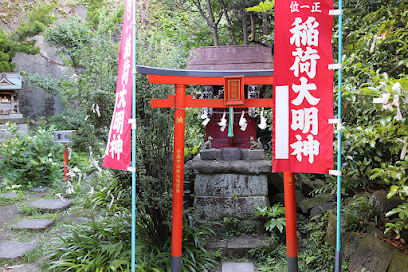
Otsuna Kompira Shrine
Kanagawa 221-0834
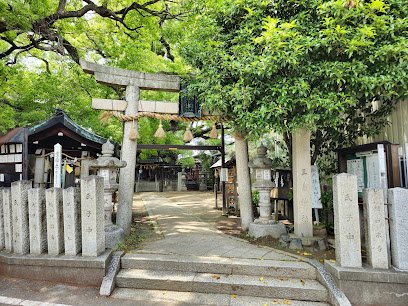
Mitsushima Shrine
Osaka 571-0015
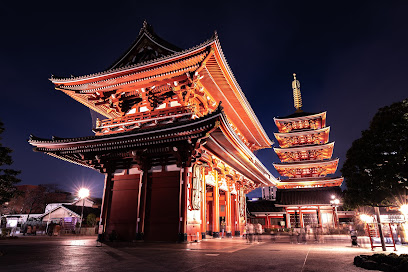
Sensō-ji
Tokyo 111-0032
Completed in 645, this temple, Tokyo's oldest, was built to honor Kannon, the goddess of m...
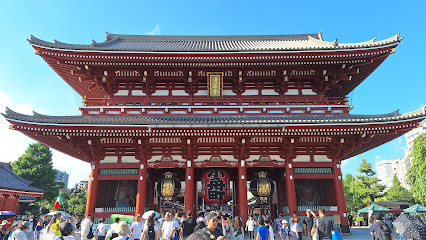
Kaminarimon
Tokyo 111-0032
A 3.9m-tall lantern greets visitors to this stately gate at the entrance to Sensō-ji templ...
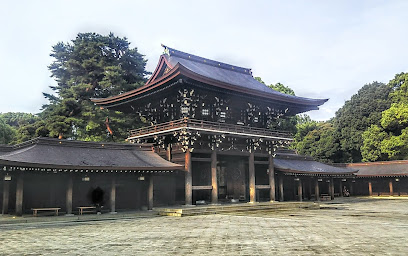
Meiji Jingu
Tokyo 151-8557
Surrounded by forest, this venerable Shinto shrine features a seasonal iris garden.

Kushida Shrine
812-0026
Founded in 757 CE, this urban site annually hosts the city's largest festival, Hakata Gion...