
Shrines & temples
Japanese shrines
OSM directory
Explore Shinto shrines mapped from OpenStreetMap — filter by prefecture, city, or denomination. For curated travel listings, see featured landmark shrines below.
202 shrines
比志神社
比志神社
Yamanashi
比志神社 is a Shinto shrine located in the heart of Yamanashi Prefecture, renowned for its scenic beauty and historic significance. The shrine is dedicated to Okami no Mikoto, a kami associated with the natural world and fertility. Visitors can explore the shrine's serene gardens, which feature a variety of Japanese maples and cherry blossoms. A notable feature of the shrine is its unique torii gate, adorned with intricate carvings and ornate decorations.
塩川神社
塩川神社
Yamanashi
Located in the heart of Yamanashi Prefecture, 塩川神社 is a Shinto shrine dedicated to Shichijin-kami, the god of fishing and water. The shrine's architecture reflects traditional Japanese design, with a distinctive tiled roof and a serene garden. Visitors can experience the tranquility of this oasis, surrounded by lush greenery and winding streams.
竹之下
竹之下
Yamanashi
Located in the heart of Yamanashi Prefecture, 竹之下 Shrine is a serene Shinto sanctuary dedicated to the kami of fertility and prosperity. This ancient shrine has been an integral part of the local community for centuries, serving as a symbol of good fortune and blessings for farmers and rice cultivators.
山縣神社
山縣神社
Yamanashi
Kawaguchiko Shrine, located in the mountains of Yamanashi Prefecture, is a Shinto shrine dedicated to the kami of Mount Fuji and the surrounding region. The shrine's history dates back to the 17th century, when it was built as a sacred site for the local population. Over time, the shrine has become a popular destination for hikers and nature lovers visiting Mount Fuji.
秋葉神社
秋葉神社
Yamanashi
Akitaoka Shrine, located in the heart of Yamanashi Prefecture, is a historic Shinto shrine dedicated to the deity of autumn leaves and longevity. Built during the Heian period (794-1185 CE), it features a unique architectural style characteristic of this era, with a wooden torii gate and a tranquil garden surrounded by cherry blossom trees. The shrine's primary enshrined deity is Otaikitsune, a kami associated with the changing seasons, agriculture, and fertility.
八幡大神社
八幡大神社
Yamanashi
Located in Yamanashi Prefecture, the eight-horned shrine of Hachiman-san is a revered Shinto site that honors the god of war and wisdom. Dedicated to Hachiman-Okami, the patron kami of samurai, the shrine features an impressive archway and a vermilion torii gate. Founded in 745 CE by Prince Naga-no-Oe, this historic shrine is a testament to Japan's rich cultural heritage.
金櫻神社
金櫻神社
Yamanashi
Located in the heart of Yamanashi Prefecture, Kinoshita Shinyœ is a serene Shinto shrine dedicated to the kami Fujin and Raijin, as well as the Shinto god Inari Okami. The shrine's architecture reflects traditional Japanese designs, with a distinctive red torii gate and wooden structure. Visitors can experience the tranquility of nature at the shrine's grounds, which surround a small pond and offer scenic views of the surrounding mountains.
梅天神
梅天神
Yamanashi
Located in the heart of Yamanashi Prefecture,梅天神 Shrine is dedicated to a lesser-known kami associated with peach blossoms and spring growth. This Shinto shrine is situated near the Horiuchi farm, which produces high-quality peaches, and is said to be blessed by the kami for its prosperity. Visitors can admire the shrine's traditional architecture, including its wooden torii gate and tiled roof, while also learning about the local history and mythology surrounding this unique shrine.
大滝神社
大滝神社
Yamanashi
Located in the beautiful Japanese Alps, Oizumi Shrine is dedicated to the worship of Hachiman, a god of war and patron deity of Yamanashi Prefecture. The shrine's name, which roughly translates to 'great waterfall shrine,' likely refers to the nearby Oizumi River. The shrine's architecture reflects its historical ties to the Kamakura period, with a traditional torii gate and shinden-zukuri main hall. Visitors can explore the adjacent Oizumi River valley, offering stunning views of the surrounding mountains.
折花神社
折花神社
Yamanashi
折花神社, located in the heart of Yamanashi Prefecture, is a Shinto shrine dedicated to the spirit of love and beauty. The shrine's name, 'Furubana-jinja,' translates to 'God of Folded Cherry Blossoms.' According to local legend, the shrine was built by a samurai who fell in love with a geisha and wanted to create a sacred space for their love to flourish.
新屋山神社奥宮
新屋山神社奥宮
Yamanashi
Located in the mountains of Yamanashi, New House Shrine is a Shinto shrine dedicated to the kami of fertility and prosperity. The shrine's architecture reflects its rural setting, with a traditional torii gate and a wooden hall. Visitors can explore the shrine grounds, which include a tranquil pond and walking paths. The shrine is also known for its connection to the region's rich agricultural history.
豊平神社
豊平神社
Yamanashi
Located in the heart of Yamanashi Prefecture, Toyoplan Shrine is a revered Shinto site dedicated to the kami of prosperity and good fortune. Its name, 'Toyoplan,' translates to 'broad plain' in Japanese, reflecting its rural landscape. As one of the oldest shrines in Japan, it has been an integral part of the local community for centuries, serving as a hub for rituals, ceremonies, and harvest celebrations.
風神社
風神社
Yamanashi
Wind God Shrine is a Shinto shrine dedicated to the god of wind, located in Yamanashi Prefecture. The shrine is believed to have been established during the Edo period (1603-1868), and its architecture reflects traditional Japanese styles. Visitors can enjoy the tranquil atmosphere and take part in festivals held throughout the year.
子安神社
子安神社
Yamanashi
Subanjin Temple, located in the heart of Yamanashi Prefecture, is a historic Shinto shrine dedicated to Subanjin, a Buddhist deity revered by the local population. This temple's architecture reflects the influences of Edo-period construction, featuring a striking vermilion torii gate and traditional Japanese-style main hall. Visitors can explore the shrine grounds, which include a peaceful pond and walking paths, offering a serene escape from urban life.
蚕養神社
蚕養神社
Yamanashi
Located in the mountains of Yamanashi, Tsugen-ya Shinto Shrine is dedicated to the kami Inari, revered as a patron deity of fertility, agriculture, and industry. As one of Japan's most famous shrines, it attracts visitors seeking blessings for prosperity and good fortune.
ボルドウ神社
ボルドウ神社
Yamanashi
Bourdou Shrine, located in the scenic town of Yubari, Yamanashi Prefecture, is a lesser-known Shinto shrine dedicated to the kami of fertility and agriculture. The shrine's name "Bourdou" roughly translates to "rice field," reflecting its connection to the region's rice cultivation heritage. Built during the Edo period, the shrine's architecture showcases traditional Japanese designs with red-tiled roofs and vermilion walls.
Araya Yama Jinja
新屋山神社
Yamanashi
Located in the mountains of Yamanashi Prefecture, Araya Yama Jinja is a Shinto shrine dedicated to various kami, including Katsuragi Okami and others. The shrine's architecture reflects its historical significance as a key location during the Genpei War, with features such as the Hondo, which houses a sacred image of Katsuragi Okami. Visitors can explore the surrounding forest and enjoy traditional Japanese cuisine at the on-site restaurant.
Asama Shrine
浅間神社
Yamanashi
Asama Shrine is a Shinto shrine dedicated to Konohanasakuya-hime, the goddess of Mount Fuji and volcanic activities. As part of the network of Asama shrines throughout Japan, it serves as a spiritual center for those seeking protection from volcanic disasters and blessings for safe passage on Mount Fuji.
Fuji Omuro Sengen Shrine
冨士御室浅間神社
Yamanashi
Fuji Omuro Sengen Shrine, located in the town of Itoigawa in Yamanashi Prefecture, is a Shinto shrine dedicated to the worship of Sengen, the deity believed to bring good fortune and prosperity. The shrine's main hall was rebuilt in 1952, and it features a unique design that blends traditional and modern elements. Visitors can enjoy stunning views of Mt. Fuji from the shrine's grounds.
Fujisan Hongu Sengentaisha Okunomiya
富士山本宮浅間大社奥宮
Yamanashi
Located in the foot of Mount Fuji, Fujisan Hongu Sengentaisha Okunomiya is one of Japan's most famous Shinto shrines. Dedicated to the deity Hachiman, the primary kami enshrined here, it is believed to have been built during the Heian period (794-1185). As a sacred site for over 1,000 years, the shrine has played an important role in Japanese history and culture.
Fujisan Hongu Sengentaisha Okunomiya
富士山本宮浅間大社奥宮
Yamanashi
Located at the foot of Mount Fuji, Fujisan Hongu Sengentaisha Okunomiya is one of Japan's most sacred shrines dedicated to the sun goddess Amaterasu. The shrine complex was built during the Edo period and features a mix of traditional and modern architectural styles. Visitors can explore the main hall, shrine grounds, and nearby forest, making for a unique spiritual experience.
Hachiman Shrine
八幡神社
Yamanashi
Hakone Shrine
箱根神社
Yamanashi
Hakone Shrine is a Shinto shrine located in the scenic town of Hakone, Yamanashi Prefecture. Dedicated to the god of fire and storms, Fujin, and the god of rice and fertility, Inazuma, the shrine is famous for its stunning architecture and natural surroundings. Visitors can enjoy the serene atmosphere, beautiful gardens, and traditional Japanese festivals, such as the Hakone Shrine Summer Festival.
Higashiguchi Hongu Fuji Sengen Shrine
東口本宮冨士浅間神社
Yamanashi
Located in the heart of Mt. Fuji's sacred precincts, Higashiguchi Hongu Fuji Sengen Shrine is one of Japan's most revered Shinto shrines. Founded in 741 CE by Prince Shōtoku, the shrine is dedicated to the worship of Fujin, the wind god, and Raijin, the lightning god, as well as the sacred mountain itself, Fuji-san. As a major hub for pilgrims and adventurers, the shrine offers a unique opportunity to experience Japan's rich cultural heritage.
Curated shrine listings
Hand-picked shrines and temples from our landmark guide.
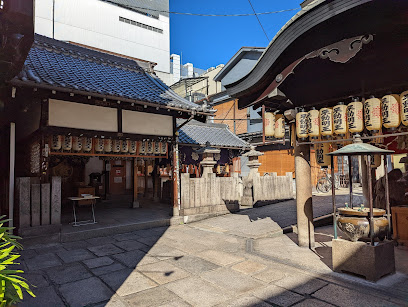
Hozen-ji Temple
542-0076
Intimate Buddhist temple along a quaint alley, with a moss-covered statue of the deity Fud...
Warabi Baitun Noor Cultural Center
Central
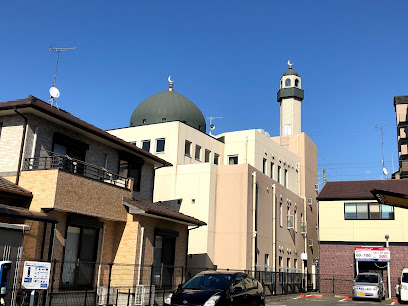
Fukuoka Masjid Al Nour Islamic Culture Center
812-0053
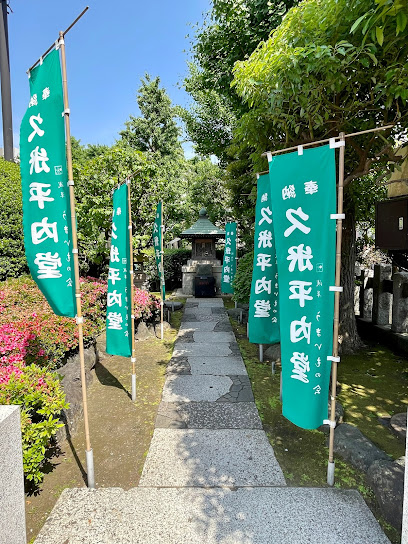
Kume no Heinai-dō
Tokyo 111-0032
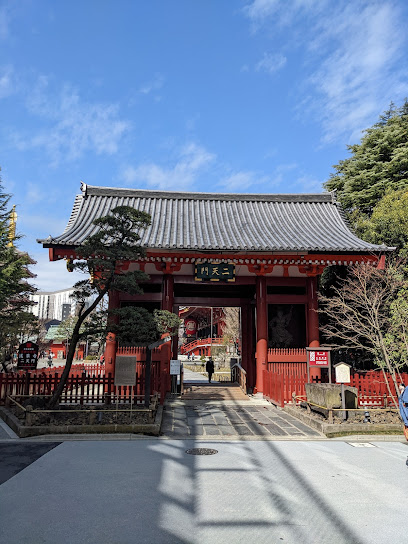
Nitenmon Gate
Tokyo 111-0032
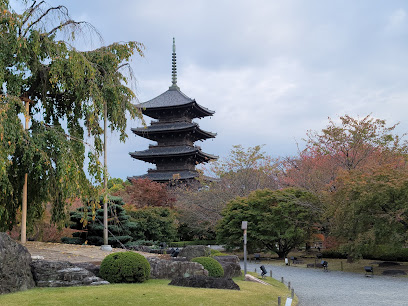
Tōji Temple
601-8473
Historic Buddhist temple with a 5-story wooden pagoda & sculptures of deities from the 8th...