

Shrines & temples
Japanese shrines
OSM directory
Explore Shinto shrines mapped from OpenStreetMap — filter by prefecture, city, or denomination. For curated travel listings, see featured landmark shrines below.
1,233 shrines
Tenno Shrine
天王社
Kanagawa
A local shrine dedicated to Gozu Tenno, the deity associated with protection from disease and pestilence. Tenno shrines typically serve as guardians of community health and are particularly revered during summer festivals when epidemics were historically more common.
Tensho Dai Jinja Shrine
天照大神社
Kanagawa
Tensho Kotaijingu
天照皇大神宮
Kanagawa
Tensho Kotaijingu is a Shinto shrine dedicated to Amaterasu Omikami, the sun goddess and supreme deity of the Shinto pantheon. As indicated by its name meaning 'Great Imperial Shrine of the Heavenly Illumination,' this shrine serves as a place of worship for Japan's most revered kami, who is considered the ancestral deity of the Imperial family.
Tenshozan Shrine
天照山神社
Kanagawa
Tenshozan Shrine, located in Kanagawa Prefecture, is a Shinto shrine dedicated to the sun goddess Amaterasu (Tenjin). The shrine's name, Tenshozan, translates to 'Mountain of Tenjin', reflecting its association with the god of learning and literature. Founded during the Edo period, the shrine has maintained its traditional architectural style, featuring a striking wooden torii gate. Visitors can explore the shrine's serene gardens, including a teahouse and a peaceful pond.
Tobioyama Konpira Shrine
鳶尾山 金毘羅社
Kanagawa
A Konpira shrine located on Mount Tobioyama in Kanagawa Prefecture, dedicated to the protection of travelers and seafarers. Like other Konpira shrines, it venerates the same deity as the famous Kotohira-gū in Kagawa Prefecture.
Togakushi Shrine
戸隠神社
Kanagawa
Togakushi Shrine is dedicated to Ame-no-Tajikarao-no-Mikoto, the powerful deity who opened the cave where Amaterasu had hidden herself. The shrine is associated with strength, opening paths, and overcoming obstacles.
Togawa Shrine
外川神社
Kanagawa
Tomioka Hachimangu Shrine
富岡八幡宮
Kanagawa
Tomioka Hachimangu is a Hachiman shrine located in Kanagawa Prefecture, dedicated to the deified Emperor Ojin who is worshipped as Hachiman, the Shinto god of war and divine protection. As part of the extensive network of Hachiman shrines throughout Japan, it serves the local community as a place of worship and cultural gathering.
Torinoishinakifune Shrine
鳥之石楠船神社
Kanagawa
A shrine dedicated to Torinoishinakifune no Kami, one of the celestial boat deities mentioned in Japanese mythology. This kami is associated with divine transportation and celestial navigation, appearing in the Kojiki as one of the deities involved in heavenly journeys.
Toshi no Kami Shrine
歳ノ神
Kanagawa
A shrine dedicated to Toshigami, the Shinto deity associated with the New Year and annual cycles. Toshigami shrines are typically focused on prayers for good fortune, prosperity, and protection in the coming year.
Toshogu Shrine
東照宮
Kanagawa
Toshogu Shrine is dedicated to Tokugawa Ieyasu, the founder of the Tokugawa shogunate that ruled Japan for over 250 years. As part of the network of Toshogu shrines throughout Japan, this Kanagawa shrine honors the deified shogun who established the peaceful Edo period.
Toyokawa Dakini Shinten
豐川吒枳尼眞天
Kanagawa
A shrine dedicated to Dakini Shinten, a Buddhist-Shinto syncretistic deity associated with prosperity, rice cultivation, and protection. Dakini is originally a Buddhist deity that became incorporated into Japanese folk religion and Shinto practices.
Tsujiyama-hachimansha
街山八幡社
Kanagawa
Tsujiyama-hachimansha Shrine is a Shinto shrine located in Kanagawa Prefecture, dedicated to Hachiman, the god of war and patron deity of the Takeda clan. The shrine is situated at the foot of Tsujiyama mountain, a popular destination for hiking and nature lovers. The shrine's architecture reflects its historical significance as a major stopping point on the route from Kamakura to Odawara during the Edo period.
Tsurugamine Hachimangu Shrine
鶴嶺八幡宮
Kanagawa
Tsurugamine Hachimangu is a Hachiman shrine located in Fujisawa, Kanagawa Prefecture. As a Hachiman shrine, it is dedicated to Emperor Ojin deified as Hachiman, the Shinto god of war and divine protection. The shrine serves the local community and maintains the traditional architectural style characteristic of Hachiman shrines throughout Japan.
Tsurugamine Inari Shrine
鶴ヶ峯稲荷神社
Kanagawa
A local Inari shrine located in the Tsurugamine area of Kanagawa Prefecture, dedicated to the Shinto deity of rice, sake, and prosperity. Like many Inari shrines, it serves as an important spiritual center for the local community, offering prayers for good harvests, business success, and household protection.
Tsurugi Tachi Iwa Toko Wake-no-Mikoto Shrine
劔刀石床別命神社
Kanagawa
Located in the Hakone region of Kanagawa Prefecture, Tsurugi Tachi Iwa Toko Wake-no-Mikoto Shrine is a Shinto shrine dedicated to the kami Wake-no-Mikoto, known for his association with the legend of the sword Tsurugi Tachi. This shrine is one of several shrines in Japan that share this name and are connected by the shared mythological figure of Wake-no-Mikoto, who was said to have possessed supernatural strength and agility.
Uchide Inari Shrine
内出稲荷
Kanagawa
Uchide Inari Shrine is a Shinto shrine located in Kamakura, Kanagawa Prefecture, dedicated to the worship of Inari Okami, the god of rice, industry, and fertility. The shrine is known for its beautiful vermilion torii gate and its role as an important cultural and historical site in Japan. Visitors can explore the shrine's many shrines and halls, including the Five-Story Pagoda and the Main Hall.
Uchimodori Inari Shrine
打戻稲荷神社
Kanagawa
Uchimodori Inari Shrine is a local Inari shrine in Kanagawa Prefecture dedicated to the harvest and prosperity deity Inari. Like many neighborhood Inari shrines, it serves the spiritual needs of the local community with prayers for business success, good harvests, and household prosperity.
Ukamitama-no-mikoto Shrine
宇迦魂命神社
Kanagawa
A Shinto shrine dedicated to Ukamitama-no-mikoto, one of the primary Inari deities associated with food, agriculture, and sustenance. The shrine serves the local community as a place of worship for prayers related to good harvests and prosperity.
Uke no Inari Shrine
宇気の稲荷社
Kanagawa
A local Inari shrine in Kanagawa Prefecture dedicated to the kami of food, agriculture, and prosperity. As with most Inari shrines, it serves the spiritual needs of the surrounding community for good harvests and business success.
Utousaka Hayashi Inari Shrine
鵜藤坂林稲荷神社
Kanagawa
A local Inari shrine located in Kanagawa Prefecture, dedicated to the kami of rice, sake, and prosperity. Like many Inari shrines, it likely serves the spiritual needs of the surrounding community with prayers for good harvests and business success.
Wada Inari Daimyojin Shrine
和田稲荷大明神
Kanagawa
Wada Inari Daimyojin is a local Inari shrine in Kanagawa Prefecture dedicated to Inari Okami, the Shinto deity of rice, sake, agriculture, and prosperity. As with many Inari shrines, it likely serves the local community's needs for business success, good harvests, and general welfare.
Wadatsumi-no-miya-Taisha
龍宮大社
Kanagawa
Wadatsumi-no-miya-Taisha is a Shinto shrine located in Kanagawa Prefecture, dedicated to the god of the sea and fertility, Wadatsumi no Kami. The shrine's architecture reflects the Heian period style, with a rectangular main hall and a large torii gate. Visitors can explore the adjacent museum to learn more about the shrine's history and significance. The shrine is also famous for its beautiful gardens and walking paths along the nearby Kanagawa River.
Wakamiya Goryo Shrine
若宮御霊神社
Kanagawa
Wakamiya Goryo Shrine is a Shinto shrine in Kanagawa Prefecture dedicated to goryo, or vengeful spirits that have been pacified and transformed into protective deities. The shrine serves as a spiritual center for the local community, offering prayers for protection from misfortune and the appeasement of restless spirits.
Curated shrine listings
Hand-picked shrines and temples from our landmark guide.
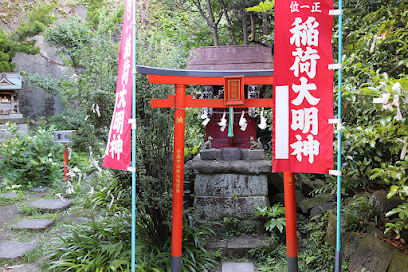
Otsuna Kompira Shrine
Kanagawa 221-0834
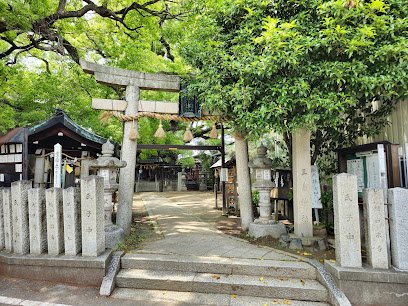
Mitsushima Shrine
Osaka 571-0015
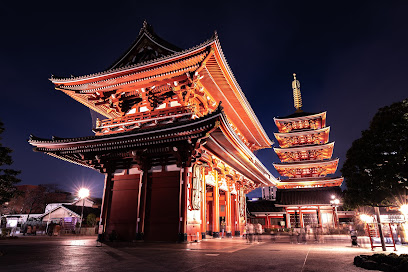
Sensō-ji
Tokyo 111-0032
Completed in 645, this temple, Tokyo's oldest, was built to honor Kannon, the goddess of m...
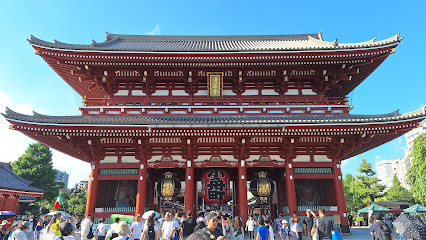
Kaminarimon
Tokyo 111-0032
A 3.9m-tall lantern greets visitors to this stately gate at the entrance to Sensō-ji templ...
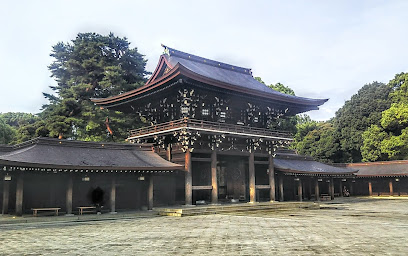
Meiji Jingu
Tokyo 151-8557
Surrounded by forest, this venerable Shinto shrine features a seasonal iris garden.

Kushida Shrine
812-0026
Founded in 757 CE, this urban site annually hosts the city's largest festival, Hakata Gion...