

Shrines & temples
Japanese shrines
OSM directory
Explore Shinto shrines mapped from OpenStreetMap — filter by prefecture, city, or denomination. For curated travel listings, see featured landmark shrines below.
841 shrines
大原八枝神社
大原八枝神社
Saitama
Located in the heart of Saitama Prefecture, 大原八枝神社 is a serene Shinto shrine dedicated to the deity of agriculture and prosperity, Enoshima Fudo Myōjin. The shrine's architecture reflects the Heian period style, with a traditional Japanese garden and a majestic torii gate. Visitors can experience the tranquil atmosphere by strolling through the gardens or participating in traditional festivals like the annual Cherry Blossom Viewing Festival.
大原稲荷社
大原稲荷社
Saitama
Located in the heart of Saitama Prefecture, the Daigō Inari Shrine is a Shinto shrine dedicated to the worship of Inari Ōkami, the rice goddess and patron deity of merchants and entrepreneurs. The shrine's name 'Daigō' roughly translates to 'great origin' or 'great source', symbolizing its role as a spiritual hub for the community. Visitors can explore the shrine's tranquil gardens, historic torii gate, and various shrines dedicated to other kami.
高根神社
高根神社
Saitama
Located in the prefecture of Saitama, 高根神社 is a Shinto shrine dedicated to various kami, including Ryujin and Benzai-ten. The shrine's architecture reflects its Heian period origins, with a traditional Japanese-style main hall and several smaller buildings. Visitors can explore the shrine grounds, which feature several walking paths and scenic spots. A popular festival at 高根神社 is the Saitama Cherry Blossom Festival.
日枝神社
日枝神社
Saitama
日枝神社 is a Shinto shrine located in the city of Saitama, founded in 767 CE during the Nara period. The shrine is dedicated to the kami Inari Okami, revered as the patron deity of rice, fertility, and prosperity.
白山神社
白山神社
Saitama
Located in the town of Kawagoe, Saitama Prefecture, White Mountain Shrine is a Shinto temple dedicated to the god of the mountain and fertility, Ryujin. The shrine's architecture reflects traditional Japanese style, with a large torii gate and wooden buildings adorned with carvings of birds and other mythological creatures.
山邑神社
山邑神社
Saitama
Kasukabe Inari Shrine, located in Kasukabe City, Saitama Prefecture, is dedicated to the Shinto god of fertility and prosperity, Inari Okami. The shrine's name, '山邑神社', roughly translates to 'Mountain Village Shrine'. Founded during the Kamakura period (1185-1333 CE), the shrine has a long history dating back to the 12th century.
諏訪神社
諏訪神社
Saitama
Located in the heart of Japan's bustling capital, Tonogaya Shrine is a Shinto oasis dedicated to Okuninushi no Okami, a deity revered by both the Japanese and Ainu people. The shrine's striking architecture and tranquil atmosphere make it an ideal destination for those seeking solace from the city's chaos. Built in 1604 during the Edo period, Tonogaya Shrine has survived numerous wars and natural disasters, showcasing its enduring significance to the local community.
香取神社稲荷大明神
香取神社稲荷大明神
Saitama
Kokukō-in is a Shinto shrine located in the Ota district of Chūda, Sakata, in the Saitama Prefecture of Japan's Kantō region. Dedicated to the rice goddess Inari Ōkami and Mysterious Illuminations deity (稲荷大明神), it was established in 1602 by the Date family and is famous for its vermilion torii gate. The shrine grounds feature a large garden with several ponds, walking paths, and historic temples. During the Obon holiday, the shrine holds a lantern festival, where thousands of lanterns are released onto the lake in front of the main hall.
下南畑氷川神社
下南畑氷川神社
Saitama
Located in the heart of Higashimatsuda, Saitama, is the Shrine of Lower Mieshima Ice River Kami, a revered Shinto site dedicated to the worship of the god of prosperity and good fortune, Oho no Kami, as well as the goddess of spring, Fujin. The shrine's history dates back to the Edo period, with records indicating its establishment in 1715. Over time, it has come to be associated with the region's rich agricultural heritage.
摩訶山般若院六蛙堂
摩訶山般若院六蛙堂
Saitama
摩訶山般若院六蛙堂, a Shinto shrine located in Saitama Prefecture, is dedicated to the enshrined deity, Benzaiten and, Komachi, with additional kami including Kofuku and Toshizuka. This shrine's architectural style reflects Heian-era influences, with a wooden structure featuring a vermillion torii gate. The name '六蛙堂' translates to 'Six Frog Hall', a unique name often associated with Shinto shrines located near or on ponds, which are believed to be sacred by the kami.
氷川神社
氷川神社
Saitama
氷川神社は、栃木県から来る信徒が多く訪れる郊外の神社です。氷川神社には、氷川大神、天満神、日本海神、神武皇后、水神、大菩薩などの kami が祀られています。神社は、和風建築を特徴とする木造建物で、建物の周囲に池と庭園が整備されています。 氷川神社では、毎年6月の神祭りで大規模な行事が行われます。この行事には、山車の競走や踊りなどが行われます。山車は、氷川大神を表す形状とデザインがあります。 氷川神社は、自然を愛する信徒にとって特徴的な場所です。周辺に自然の美しさが豊かな郷外地域ではあります。
松ノ木稲荷神社
松ノ木稲荷神社
Saitama
Matsuno Wood Shinto Shrine, dedicated to the god of rice and fertility, is nestled in a serene forested area in the heart of Saitama Prefecture. With its rich history dating back to the Heian period (794-1185 CE), the shrine's architecture reflects a unique blend of traditional and natural elements. Visitors can explore the shrine's tranquil grounds, adorned with lush greenery and cherry blossom trees, and experience the tranquility that has attracted pilgrims for centuries.
天神社
天神社
Saitama
Tenshu-ji Shrine is a Shinto shrine located in Saitama Prefecture, dedicated to the kami of thunder and lightning, Raijin. The shrine is known for its unique architecture and scenic surroundings. It has been an important site for locals and travelers alike since its founding during the Nara period.
諏訪神社
諏訪神社
Saitama
Uragaanishima Shrine, located in Saitama, is dedicated to the Shinto deity Uragane, a kami often associated with mountains and storms. The shrine's architecture reflects its rural setting and historical roots. Founded during the Edo period (1603-1867), it has undergone renovations while maintaining its traditional style.
宿氷川神社(上ノ氷川神社)
宿氷川神社(上ノ氷川神社)
Saitama
The Upper Iwaki River Shrine is a Shinto shrine located in Saitama Prefecture, dedicated to the kami of the upper Iwaki River. The shrine's architecture and traditions are deeply rooted in the region's history and mythology. As one of the oldest shrines in the area, it has played a significant role in local culture and festivals.
松ノ木稲荷神社
松ノ木稲荷神社
Saitama
Located in the heart of Saitama, 松ノ木稲荷神社 is a Shinto shrine dedicated to the rice goddess Inari Okami. The shrine's name, meaning 'forest of pine trees and rice,' reflects its natural surroundings. Visitors can walk through the forest-like grounds and explore the various shrines within the complex, including the main shrine dedicated to Inari and several smaller shrines for various kami.
金錯稲荷社
金錯稲荷社
Saitama
Located in the city of Tokorozawa, Saitama Prefecture, Kin'yakō Inari Shrine is a Shinto shrine dedicated to the god of rice and fertility, Inari Okami. The shrine is known for its stunning architecture and beautiful gardens, which include a large rice storage warehouse called 'yokocho.' Visitors can admire the intricate carvings on the warehouse's roof and explore the surrounding gardens to find unique treasures. The shrine also hosts an annual autumn festival in November, celebrating the harvest season.
上高田 氷川神社
上高田 氷川神社
Saitama
The above-high-mountain Glacial River Shrine, located in the scenic town of Hatogasaki, Saitama Prefecture, is dedicated to the Shinto kami of the local community. With its serene atmosphere and majestic mountain backdrop, visitors can experience a tranquil retreat from the city's bustle. The shrine's history dates back to 1590, making it one of the oldest in Saitama. Its architecture reflects traditional Japanese design, with a wooden torii gate and tatami-mat-covered inner honden.
沼袋氷川神社
沼袋氷川神社
Saitama
Located in Saitama Prefecture, Nishitamagawa Shrine is dedicated to Inari Okami, the Shinto deity of rice and industry. The shrine's main hall features a vermilion torii gate and a unique wooden roof structure, typical of the Kamakura period. In the surrounding area, visitors can explore the scenic Tamagawa River and enjoy local cuisine. The shrine is particularly famous for its traditional festivals held during the spring and autumn seasons.
八幡宮
八幡宮
Saitama
Located in the heart of Saitama Prefecture, Eight Horses Temple (Hachiman-gū) is a Shinto shrine dedicated to the god of war and patron deity of merchants and artisans. Dedicated to the legendary god Hachiman, it is one of Japan's most prominent Shinto shrines.
八雲神社
八雲神社
Saitama
Located in the heart of Omiya, Saitama Prefecture, Eight Clouds Shrine is a serene Shinto temple dedicated to the worship of the kami. The shrine's name 'Hachiunetsukami' translates to 'Eight Clouds Gods', believed to represent the eight heavenly clouds that shape the mountain range. With its traditional architecture and tranquil atmosphere, Eight Clouds Shrine serves as a peaceful oasis for visitors seeking solace and spiritual connection.
青渭神社
青渭神社
Saitama
Located in the city of Kawagoe, Saitama Prefecture, the Aogetsu Shrine is dedicated to the Shinto deity Inari Okami, known as the god of rice, fertility, and prosperity. The shrine is famous for its beautiful gardens and traditional architecture. During the spring cherry blossom season, the shrine's grounds are filled with vibrant pink blooms, making it a popular destination for locals and tourists alike.
境内社
境内社
Saitama
境内社 is a Shinto shrine located in the town of Higashikamata, Saitama Prefecture. The shrine is dedicated to various kami, including Inari Okami and Mikoto Otoshiyama. Visitors can explore the shrine's main hall and grounds, which feature traditional Japanese landscaping and a beautiful garden. The shrine also hosts several festivals throughout the year, including the Spring Equinox Festival and the Summer Solstice Festival.
本殿
本殿
Saitama
Located in the heart of Saitama, the Okunitan Shrine is a historic Shinto temple dedicated to the worship of Okuninushi, a kami associated with good fortune, prosperity, and protection. The shrine's name translates to 'Great Hall' or 'Hall of Good Fortune', reflecting its importance as a center for blessings and wishes.
Curated shrine listings
Hand-picked shrines and temples from our landmark guide.
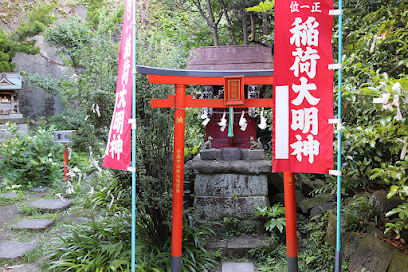
Otsuna Kompira Shrine
Kanagawa 221-0834
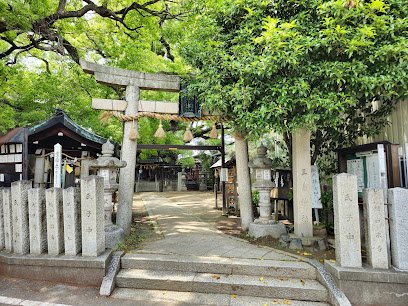
Mitsushima Shrine
Osaka 571-0015
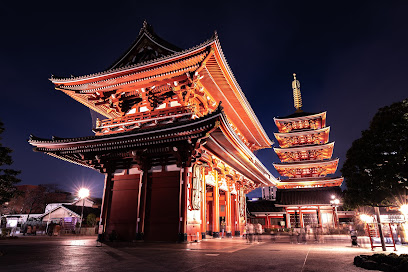
Sensō-ji
Tokyo 111-0032
Completed in 645, this temple, Tokyo's oldest, was built to honor Kannon, the goddess of m...
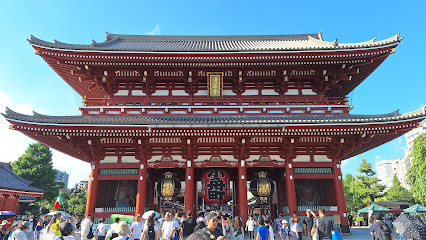
Kaminarimon
Tokyo 111-0032
A 3.9m-tall lantern greets visitors to this stately gate at the entrance to Sensō-ji templ...
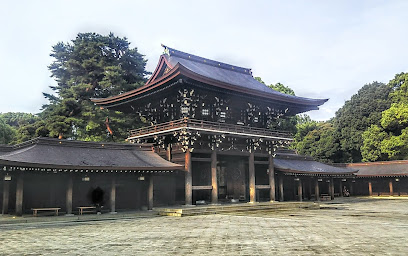
Meiji Jingu
Tokyo 151-8557
Surrounded by forest, this venerable Shinto shrine features a seasonal iris garden.

Kushida Shrine
812-0026
Founded in 757 CE, this urban site annually hosts the city's largest festival, Hakata Gion...