
Shrines & temples
Japanese shrines
OSM directory
Explore Shinto shrines mapped from OpenStreetMap — filter by prefecture, city, or denomination. For curated travel listings, see featured landmark shrines below.
1,072 shrines
Nagano Shrine
長野神社
Osaka
Located in the city of Osaka, Nagano Shrine is a Shinto temple dedicated to the deity of fertility and prosperity, particularly revered by farmers. The shrine's architecture reflects the Heian period, with a main hall built during the Edo era. While its origins date back to the Nara period, little is known about its founding or historical significance.
Nagata Shrine
長田神社
Osaka
Nagata Shrine, located in the heart of Osaka, is a revered Shinto site dedicated to various kami. While its primary deity remains unknown, it is believed to be associated with the god of rice and fertility. The shrine's architecture reflects the Heian period style, characterized by simple yet elegant wooden structures. Visitors can explore the serene gardens and peaceful pathways surrounding the shrine, creating an ideal environment for contemplation and connection with nature.
Namba Yasaka Shrine
難波八坂神社
Osaka
Namba Yasaka Shrine is a Shinto shrine located in the heart of Osaka's Namba district. Founded in 1564, during the Momoyama period, the shrine was originally dedicated to the god of medicine and health, Koshin'etsu-Okami. Over time, it has come to be revered as a protector of children, prosperity, and good fortune. The shrine's architecture reflects its history, with a mix of old and new features. Its iconic eight-storied torii gate is a popular spot for photos. Visitors can still see the remains of the original torii gate built in 1564.
Nishidai Shrine
西代神社
Osaka
Located in the heart of Osaka, Nishidai Shrine is a sacred site dedicated to the worship of the Shinto deities. The shrine's architecture and traditions reflect its rich history as a place of spiritual significance, with influences from various historical periods, including the Heian and Kamakura eras.
Oe-jinja Shrine
大江神社
Osaka
Oe-jinja Shrine is a Shinto shrine located in Osaka, dedicated to the kami of the same name. As one of Japan's oldest shrines, it is believed to have been established during the Nara period (710-794 CE). The shrine is known for its unique architecture and historical significance. According to legend, Oe-jinja Shrine was founded by Prince Oe no Yasuhiko, a noble from the Imperial Family. Over time, the shrine has become an important cultural and spiritual landmark in Osaka.
Oeda Shrine
大枝神社
Osaka
Located in Osaka, Oeda Shrine is a Shinto shrine dedicated to the deity Inari, revered as the god of rice and fertility. The shrine's architecture reflects traditional Japanese design, with a tiled roof and vermilion torii gates. A notable aspect of the shrine is its long history, dating back to 711 CE during the Nara period, making it one of the oldest shrines in Japan.
Ohmiya Shrine
大宮
Osaka
Ohmiya Shrine, located in Osaka Prefecture, is a Shinto shrine dedicated to the kami Inari. The shrine's architecture reflects traditional Japanese design, with a rectangular torii gate and a hall (honden) that houses the shrine's main deity. Visitors can explore the shrine grounds, which include several smaller shrines and a forested area, offering a serene escape from the city.
Oohirumenomikoto jinjya
大日女尊神社
Osaka
Oohirumenomikoto Jinjya is a Shinto shrine located in Osaka, dedicated to the deity of the great sun goddess, Amaterasu's twin sister, Oohira Menomi no Mikoto. The shrine's architecture reflects the Heian period style, with a main hall featuring a tiled roof and a sacred lantern. Visitors can admire the beautiful gardens and tranquil atmosphere, which are said to be reminiscent of the Shinto mythological world.
Osaka Tenmangu Shrine (Ōsaka Tenmangū)
大阪天満宮
Osaka
Located in the heart of Osaka, Osaka Tenmangu Shrine is a revered Shinto shrine dedicated to the god of learning and culture, Sugawara no Michizane. The shrine's architecture is reminiscent of traditional Heian period (794-1185 CE) styles, with a five-story pagoda and a large torii gate. Visitors can explore the shrine's beautiful gardens, which feature a stunning cherry blossom tree and a tranquil pond. At night, the shrine takes on a magical quality as its thousands of paper lanterns are lit up.
Ryokotai Shrine
両皇大神社
Osaka
Ryokotai Shrine, located in Osaka, is a Shinto shrine dedicated to the dual deity of two imperial consorts, Emperor Sujin and Empress Chikihime. The shrine's architecture reflects the Kamakura period style, characterized by simplicity and elegance. Visitors can explore the precincts, which include several small shrines and a sacred tree believed to be over 400 years old.
Sada Shrine
蹉跎神社
Osaka
Sada Shrine is a Shinto shrine located in Osaka, dedicated to the worship of the kami Kokan'inu-gami. The shrine's architecture and grounds reflect traditional Japanese design elements, with a wooden torii gate and a tranquil courtyard surrounded by cherry blossom trees. Visitors can explore the shrine's museum, which features exhibits on local history and folklore.
Saginomiya Hachiman Jinjya
鷺宮八幡神社
Osaka
Located in the heart of Osaka, Saginomiya Hachiman Jinjya Shrine is dedicated to the deity Hachiman Okami, a kami revered for protection and healing. The shrine's history dates back to the Heian period (794-1185 CE), during which it was built as a temple. Over time, it evolved into a Shinto shrine, with its current structure dating to the Edo period (1603-1867 CE). The shrine is famous for its beautiful garden and traditional architecture.
Sakuramiya Shrine
櫻宮
Osaka
Sakuramiya Shrine is a Shinto shrine located in Osaka, dedicated to the god of sake and rice, Hachiman. The shrine's architecture is characteristic of the Heian period, with a five-story pagoda and an impressive torii gate. While little information is available on the shrine's history, it is believed to have been established during the Nara period, making it one of the oldest shrines in Osaka.
Samuhara-jinja Shrine
サムハラ 神社
Osaka
Samuhara-jinja Shrine is a Shinto shrine located in Osaka Prefecture, dedicated to the protection of fishermen and the sea. The shrine's name 'Samuhara' refers to three islands off the coast of Osaka Bay: Samuhara Island, Himeji Island, and Awaji Island. According to legend, the kami enshrined at this shrine is that of Takemikazuchi, a powerful storm god who is said to have protected the fishermen from harm.
Shinmei jinjya
神明神社
Osaka
Located in the heart of Osaka, Shinmei Jinjya Shrine is a revered Shinto site dedicated to the kami of fertility and prosperity. With its rich history dating back to the Heian period, the shrine has been an important center of worship for locals seeking blessings for successful harvests and bountiful crops. Its architecture reflects the traditional Japanese style, with a striking vermilion torii gate that welcomes visitors to this sacred site.
Shinomiya Shrine
四宮神社
Osaka
Located in the heart of Osaka, Shinomiya Shrine is one of Japan's Four Great Shrines and a revered Shinto site dedicated to the deity Susanoo-no-Mikoto, the god of storms and fertility. The shrine complex features a stunning vermilion torii gate and a beautiful forested area with numerous walking paths. It is said that the shrine was built on an old burial ground, adding to its spiritual significance.
Shukuin Tongu Shrine
宿院頓宮
Osaka
Located in the Osakacities, Shukuin Tongu Shrine is a lesser-known Shinto shrine dedicated to the worship of the god of fertility and prosperity, Hachiman. The shrine's name, Shukuin, refers to its location near an old highway that connected Osaka to the nearby city of Nagata. While not as famous as some other shrines in the region, Tongu Shrine still maintains a strong connection to local folklore and traditional practices. The shrine's architecture reflects the Heian period style, with a simple yet elegant design featuring a tatami-matted hall and a large torii gate.
Sukunahikona-jinja Shrine
少彦名神社
Osaka
Located in Osaka, Sukunahikona-jinja Shrine is dedicated to the Shinto deity of prosperity and good governance, named after the legendary emperor who united Japan. The shrine's architecture reflects the Heian period style, with a traditional tiled roof and vermilion torii gates. Visitors can experience the serene atmosphere of this historic shrine, which has been an important cultural landmark for over 800 years.
Susano jinja
潮江素盞鳴神社
Osaka
Located in Osaka, Susano Jinja is a Shinto shrine dedicated to the goddess of the sea, Susano-o, who is said to have appeared on land after being forced to leave her underwater kingdom by the sun goddess Amaterasu. The shrine's architecture reflects its coastal location and historical significance as a major port city during the Heian period. Visitors can explore the shrine's beautiful gardens, which include a serene pond and teahouse.
Suwa Shrine
諏訪神社
Osaka
Suwa Shrine, located in Osaka Prefecture, is one of Japan's oldest Shinto shrines, with a history dating back to the 7th century. Dedicated to the kami of the Suwa River and its surrounding mountains, the shrine is believed to have been established during the Asuka period (645-710 CE). The shrine's architecture reflects its Nara-period origins, with a large torii gate and a five-story pagoda. Visitors can still see the remains of an ancient road that once led to the shrine from the nearby Osaka Castle. The shrine is also famous for its beautiful gardens, which are said to be inspired by the Japanese poet Matsuo Basho's haikus.
Suwa Shrine
諏訪神社
Osaka · Osaka
Suwa Shrine is a Shinto shrine located in Osaka, dedicated to the kami of the same name. The shrine's history dates back to the Nara period (710-794 CE), with records indicating its construction during the reign of Emperor Shōmu. Located near the Osaka Castle Park, the shrine is believed to have been built on an ancient sacred site. Today, Suwa Shrine remains a significant cultural and historical landmark in Osaka.
Suwa-jinja Shrine
諏訪神社
Osaka
Suwa-jinja Shrine is a Shinto shrine dedicated to the kami of the same name, located in Osaka. The shrine's architecture and traditions reflect its historical connection to the region's indigenous people. Originally founded during the Nara period (710-794 CE), the shrine has undergone various renovations and expansions throughout its history. Today, Suwa-jinja Shrine is a prominent cultural and spiritual center for the city of Osaka.
Tajihayahime Shrine
多治速比売神社
Osaka
Tajihayahime Shrine is a Shinto shrine dedicated to the kami of the same name, revered as a patron deity of prosperity and good fortune. Located in Osaka Prefecture, the shrine's architecture reflects the traditional Japanese style with a hipped roof and wooden torii gate. The shrine's history dates back to the Edo period, with records of its founding found in local historical texts. Visitors can experience the shrine's tranquil atmosphere and take part in traditional festivals such as the Tajihayahime Shrine Festival, which is held annually in October.
Takahama Shrine
高浜神社
Osaka · 吹田市
Takahama Shrine, located in the heart of Kansai, is a Shinto shrine dedicated to the kami of the sea and the city's founder, Takeo Takahama. The shrine's architecture reflects its historical significance as a center of trade and commerce in the region. Visitors can explore the main hall, which features a striking vermilion torii gate, and take a stroll along the nearby riverbank. The shrine is also famous for its beautiful cherry blossoms during spring.
Curated shrine listings
Hand-picked shrines and temples from our landmark guide.
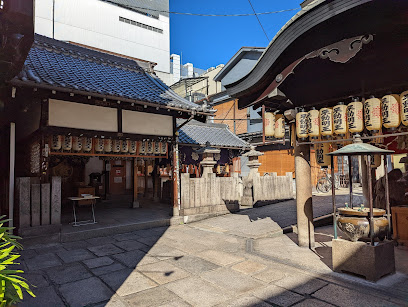
Hozen-ji Temple
542-0076
Intimate Buddhist temple along a quaint alley, with a moss-covered statue of the deity Fud...
Warabi Baitun Noor Cultural Center
Central
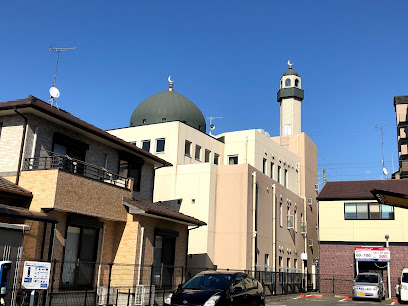
Fukuoka Masjid Al Nour Islamic Culture Center
812-0053
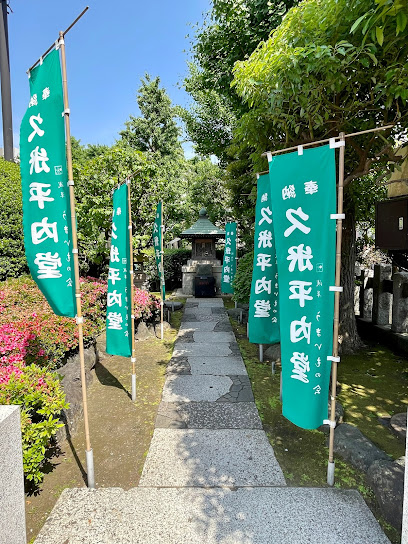
Kume no Heinai-dō
Tokyo 111-0032
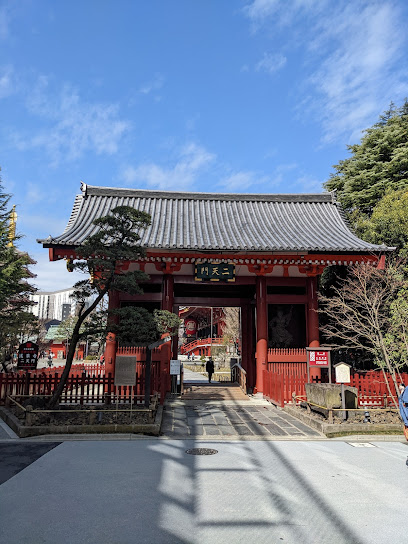
Nitenmon Gate
Tokyo 111-0032
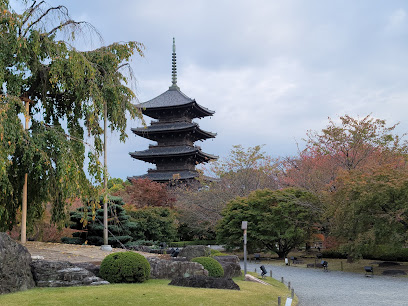
Tōji Temple
601-8473
Historic Buddhist temple with a 5-story wooden pagoda & sculptures of deities from the 8th...