

Shrines & temples
Japanese shrines
OSM directory
Explore Shinto shrines mapped from OpenStreetMap — filter by prefecture, city, or denomination. For curated travel listings, see featured landmark shrines below.
835 shrines
Narimune Suga Shrine
成宗須賀神社
Tokyo
Narimune Suga Shrine is a Shinto shrine located in the historic district of Yotsuya, Tokyo. Dedicated to the god Narimune, a Shinto deity believed to offer protection from evil spirits and misfortune, the shrine has been an important cultural landmark in the area since its founding during the Edo period. The shrine's architecture reflects traditional Japanese design, with a wooden torii gate adorned with cherry blossoms. Visitors can explore the shrine grounds, which feature a peaceful pond and walking paths. Narimune Suga Shrine is also famous for its annual autumn festival, where locals come to pray for good luck and prosperity.
Naruko Tenjin
成子天神社
Tokyo
Located in the heart of Tokyo, Naruko Tenjin Shrine is a revered Shinto site that honors the kami of good luck, prosperity, and protection. Founded in 1627 during the Edo period, the shrine has been a vital stop for travelers and locals alike, seeking blessings and guidance from the enshrined deity, Tenjin. The shrine's striking architecture blends traditional and modern elements, featuring a distinctive vermilion torii gate adorned with lanterns and ornaments. Visitors can explore the peaceful gardens, admire the stunning cherry blossom trees, and participate in seasonal festivals, including the Naruko Tenjin Shrine Festival held annually in spring.
Neno Shrine
子ノ神社(早野)
Tokyo
Neno Shrine is a Shinto shrine located in the early 16th century, during the Sengoku period, in what was then part of the Kamakura domain. The shrine enshrines multiple kami, including the primary deity Ame-no-Mihoto (god of rice) and Inari (god of fertility). The shrine's architecture reflects traditional Japanese styles, with a main hall (haiden) and a square torii gate (sangen-torii), while its name 'Neno' is believed to be related to the term for 'budding' or ' sprouting', likely referring to the abundance of spring growth in the surrounding area. Visitors can explore the shrine's grounds, which include walking paths, a pond, and several shrines dedicated to other kami.
Nitta Shrine
新田神社
Tokyo · 大田区
Nitta Shrine is a Shinto shrine located in the heart of Big Woodland, Tokyo, serving as a place of worship and cultural significance for local residents. Dedicated to the god of agriculture and fertility, the shrine's architecture reflects the traditional Japanese style, with a large torii gate and a wooden vermillion-hued main hall. The shrine grounds also feature beautifully manicured gardens and walking paths that evoke a serene atmosphere.
Nukui Shrine
貫井神社
Tokyo
Located in the heart of Tokyo, Nukui Shrine is a historic Shinto shrine dedicated to the enshrined kami of water and fishing. The shrine's architecture reflects the Edo period style, with a traditional vermilion torii gate and a wooden main hall. Visitors can explore the shrine's peaceful gardens, which feature a serene pond and a statue of the god of rice, who is also revered as the patron deity of fishermen.
Ochikawa-Ohmiya Shrine
落川大宮神社
Tokyo
Located in the heart of Tokyo, Ochikawa-Ohmiya Shrine is a historic Shinto shrine dedicated to the kami (spirits) of the Ohmiya and Ochikawa areas. The shrine's architecture reflects traditional Japanese styles, with a main hall designed in the Heian period style, which dates back to 1603. Visitors can explore the shrine grounds, which include several buildings, gardens, and walking paths.
Okusawa Shrine
奥澤神社
Tokyo
Located in the heart of Tokyo, Okusawa Shrine is a Shinto shrine dedicated to the kami, Mikoto-no-Mikage. The shrine's current structure dates back to the 17th century, but its origins are rooted in ancient times. As one of the few shrines in Japan that has maintained its original name since its founding, Okusawa Shrine showcases the rich history and cultural heritage of Tokyo's Edo period.
Ontakesan Shrine
御嶽神社
Tokyo
Ontakesan Shrine, located in the heart of Tokyo, is dedicated to the Shinto deity Ontake, a powerful kami believed to reside within Mount Ontake, one of Japan's three sacred mountains. The shrine is renowned for its stunning architecture, which reflects traditional Japanese design elements. Built during the Edo period (1603-1868), the shrine's main hall and garden demonstrate the ingenuity of Shinto temple designers in harmonizing nature with human structures.
Onuma-jinja Shrine
大沼神社
Tokyo
Located in the heart of Tokyo, Onuma-jinja Shrine is a tranquil oasis amidst the bustling cityscape. Dedicated to the Shinto deity Susanoo-no-Mikoto, the shrine's primary kami, Onuma-jinja Shrine boasts a rich history dating back to the Edo period. Visitors can stroll through its beautifully manicured gardens and admire the stunning architecture, which blends traditional and modern elements. The shrine is particularly famous for its annual Autumn Leaves Festival, where locals gather to appreciate the vibrant hues of the changing leaves.
Ootani-benzaiten
大谷弁財天
Tokyo
Ootani-benzaiten Shrine in Tokyo is dedicated to Benzaiten, a Shinto deity revered for her association with beauty, artistry, and fertility. As one of the three most prominent deities in Ueno Park, Ootani-benzaiten is celebrated alongside Ueno-yashiro and Funaoka-hachiman. The shrine's architecture reflects traditional Japanese design, featuring a vermilion gate and a pond adorned with lotus flowers. Visitors can explore the serene gardens and experience the tranquil atmosphere of this historic site.
Oto Shrine
大戸神社
Tokyo
Oto Shrine, located in the heart of Tokyo's Setagaya Ward, is a historic Shinto temple dedicated to the kami of good fortune and prosperity. The shrine is famous for its beautiful garden and traditional architecture, which reflects the Edo period style. Visitors can experience the tranquility of this serene oasis amidst the bustling city.
Sarutahiko Shrine
猿田彦神社
Tokyo
Sarutahiko Shrine is a Shinto shrine located in the Bunkyo ward of Tokyo, dedicated to the kami Sarutahiko, a revered figure from Japanese mythology associated with rice and prosperity. The shrine's architecture reflects its historical significance as a sacred site during the Heian period (794-1185 CE), featuring traditional Japanese style buildings and gardens.
Sengen Jinja
浅間神社
Tokyo
Located in Tokyo, Sengen Jinja is a Shinto shrine dedicated to the god of the sea and storms, Amaterasu Omikami's daughter, Fujin. It is believed to be one of the oldest shrines in Japan, dating back to the Heian period (794-1185 CE). The shrine's architecture reflects its connection to the sea, with a distinctive torii gate resembling a wave. Visitors can experience the shrine's tranquility during cherry blossom season and participate in rituals honoring Fujin for safe navigation.
Sengen Jinja
浅間神社
Tokyo
Located in Kamakura, Sengen-jinja is one of Japan's oldest shrines, dating back to the Heian period (794-1185 CE). Dedicated to the deity Enma, the shrine is renowned for its association with the legendary sword Kusanagi, said to have been wielded by the sun goddess Amaterasu. Visitors can explore the shrine's tranquil gardens and traditional Japanese architecture, which reflects the Edo period (1603-1867 CE) style.
Senzoku Hachiman
千束八幡神社
Tokyo
Senzoku Hachiman Shrine is a Shinto temple located in the heart of Tokyo, dedicated to the worship of Hachiman, the god of war and patron deity of samurai. The shrine's architecture reflects its historical significance as a major stopping point for travelers on the Old Road to Edo, a major route connecting Tokyo to the city of Kamakura. With its distinctive vermilion torii gate and serene gardens, Senzoku Hachiman Shrine embodies the essence of traditional Japanese spirituality.
Senzoku Ike Benzaiten
洗足池弁財天
Tokyo
Senzoku Ike Benzaiten Shrine is a historic Shinto shrine located in the heart of Tokyo, dedicated to Benzaiten, the Shinto goddess of music, dance, and beauty. The shrine's name, which translates to 'Washing Pool Benzaiten', refers to its original use as a bathing pool for the local community. Over time, the shrine evolved into a place of worship for Benzaiten and has since become a beloved cultural destination in Tokyo.
Setagaya Hachimangū
世田谷八幡宮
Tokyo
Setagaya Hachimangū is a Shinto shrine located in the heart of Setagaya, a ward in western Tokyo. Dedicated to the deity Hachiman, the shrine is one of the most famous and historic shrines in Japan, with a rich cultural heritage dating back over 700 years. The shrine's architecture reflects traditional Japanese styles, featuring a large torii gate and a tranquil courtyard surrounded by beautifully landscaped gardens. Visitors can explore the shrine grounds, participate in traditional rituals, and experience the serene atmosphere that has made Hachiman a revered figure in Japanese mythology.
Shimmei-hikawa-jinja Shrine
神明氷川神社
Tokyo
Located in the heart of Tokyo, Shimmei-hikawa-jinja Shrine is a sacred Shinto site dedicated to the kami of water and purification. As one of the oldest shrines in Japan, it has been serving as a spiritual center for locals and travelers alike since its founding in the Heian period. The shrine's architecture reflects its historical significance, with a striking torii gate and beautiful gardens that evoke a sense of serenity and tranquility.
Shindeninarijinja
新田稲荷神社
Tokyo
Shinden Inari Jinja is a Shinto shrine located in the heart of Tokyo, Japan. Dedicated to Inari, the Shinto god of rice and fertility, the shrine has a rich history dating back to the Edo period (1603-1868). The shrine's architecture reflects the traditional Japanese style, with a unique torii gate that sets it apart from other shrines in the city. Visitors can explore the shrine's beautiful gardens, temples, and traditional shops selling local goods.
Shinohara Hachiman Shrine
篠原八幡神社
Tokyo
Located in the Saitama Prefecture of Japan, Shinohara Hachiman Shrine is dedicated to the Shinto deity Hachiman, a patron kami of warriors and travelers. The shrine's architecture reflects traditional Japanese design, with a main hall and several smaller shrines. A small pond and torii gate add to its serene atmosphere. While primarily a Shinto site, the shrine has connections to the Japanese folk tale 'The Tale of the 47 Ronin', in which Hachiman is revered as a protector of honor and loyalty.
Shoan-Inarijinja
松庵稲荷神社 (Shoan-Inarijinja)
Tokyo
Located in the heart of Tokyo, Shoan-Inarijinja is a revered Shinto shrine dedicated to the worship of Inari, the patron kami of rice, industry, and fertility. As one of the oldest and most important shrines in Japan, it has been an integral part of local traditions for centuries. Visitors can explore the serene gardens, historic buildings, and peaceful atmosphere that make Shoan-Inarijinja a tranquil oasis amidst the bustling city.
Shōin Shrine
松陰神社
Tokyo
Located in the heart of Meiji Shrine Complex, Shōin Shrine is a serene oasis amidst bustling Tokyo. Dedicated to Emperor Shōmu and his wife, Empress Shōtoku, it is one of Japan's oldest shrines, with its origins tracing back to 645 CE. The shrine complex features stunning forested areas, walking paths, and the iconic Shōka-dera hall, which houses the sacred imperial regalia.
Sugiyama Shrine
杉山神社
Tokyo
Located in the heart of Tokyo's Setagaya Ward, Sugiyama Shrine is a serene Shinto oasis amidst the bustling cityscape. Dedicated to the deities of the forest and natural world, the shrine attracts visitors seeking tranquility and connection with nature. With its traditional architecture and rich history dating back to 1729, Sugiyama Shrine offers a glimpse into Japan's spiritual heritage.
Suwa Shrine
諏訪神社
Tokyo
Suwa Shrine is a Shinto shrine located in the Odaiba district of Tokyo, dedicated to the kami of the same name, believed to be the god of rice, fertility, and prosperity. The shrine's architecture reflects traditional Japanese styles, with a distinctive vermilion torii gate. While not directly connected to regional kami like those in other parts of Japan, Suwa Shrine is an important cultural landmark in Tokyo.
Curated shrine listings
Hand-picked shrines and temples from our landmark guide.
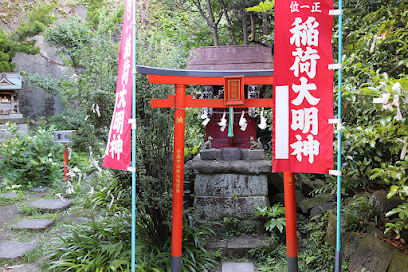
Otsuna Kompira Shrine
Kanagawa 221-0834
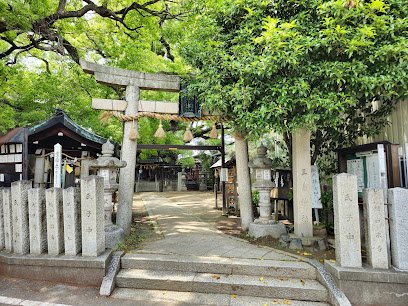
Mitsushima Shrine
Osaka 571-0015
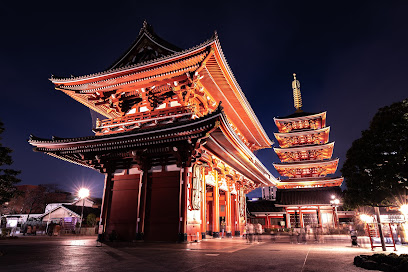
Sensō-ji
Tokyo 111-0032
Completed in 645, this temple, Tokyo's oldest, was built to honor Kannon, the goddess of m...
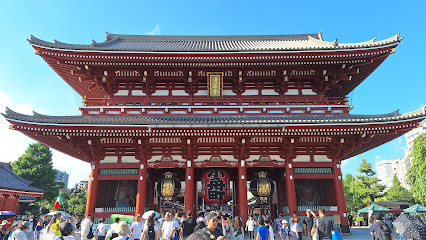
Kaminarimon
Tokyo 111-0032
A 3.9m-tall lantern greets visitors to this stately gate at the entrance to Sensō-ji templ...
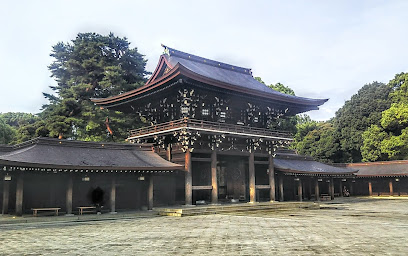
Meiji Jingu
Tokyo 151-8557
Surrounded by forest, this venerable Shinto shrine features a seasonal iris garden.

Kushida Shrine
812-0026
Founded in 757 CE, this urban site annually hosts the city's largest festival, Hakata Gion...