

Shrines & temples
Japanese shrines
OSM directory
Explore Shinto shrines mapped from OpenStreetMap — filter by prefecture, city, or denomination. For curated travel listings, see featured landmark shrines below.
1,233 shrines
Asama Shrine
浅間宮
Kanagawa
Asama Shrine is dedicated to Konohanasakuya-hime, the goddess of Mount Fuji and cherry blossoms. Asama shrines are traditionally established to worship the sacred spirit of Mount Fuji and to pray for protection from volcanic eruptions. These shrines often serve as spiritual gateways for Mount Fuji pilgrims and local communities seeking the blessings of the mountain deity.
Atago Shrine and Matsuo Shrine
愛宕社;松尾社
Kanagawa
A combined shrine complex in Kanagawa Prefecture featuring both Atago and Matsuo shrines. Atago shrines typically serve as fire prevention deities, while Matsuo shrines are associated with sake brewing and mountain protection.
Atsugi Inari Shrine
厚木稲荷神社
Kanagawa
A local Inari shrine located in Atsugi City, Kanagawa Prefecture, dedicated to the Shinto deity of rice, sake, and prosperity. Like many Inari shrines throughout Japan, it serves as a place of worship for local residents seeking blessings for good harvests, business success, and general prosperity.
Atsugi Shrine
厚木神社
Kanagawa
A local Shinto shrine located in Atsugi, Kanagawa Prefecture, serving as a spiritual center for the surrounding community. The shrine maintains traditional Shinto practices and hosts seasonal festivals that bring together local residents.
Awakubo Shrine
粟窪神社
Kanagawa
A local Shinto shrine located in Kanagawa Prefecture, serving the spiritual needs of the surrounding community through traditional worship practices and seasonal festivals.
Awakuchi Shrine
安房口神社
Kanagawa
Azuma Shrine
吾妻神社
Kanagawa
Azuma Shrine
吾妻神社
Kanagawa
A Shinto shrine in Kanagawa Prefecture dedicated to Yamato Takeru no Mikoto, a legendary prince and hero of Japanese mythology. The shrine's name 'Azuma' refers to the eastern regions of Japan that the prince pacified during his campaigns.
Azuma Shrine
吾妻神社
Kanagawa
A Shinto shrine in Kanagawa Prefecture dedicated to Yamato Takeru no Mikoto, the legendary prince and military commander from Japanese mythology. The shrine's name 'Azuma' references the eastern provinces of ancient Japan, which Yamato Takeru was said to have pacified during his legendary expeditions.
Azuma Shrine
吾妻神社
Kanagawa
A Shinto shrine in Kanagawa Prefecture dedicated to Yamato Takeru no Mikoto, the legendary prince known for his military campaigns and tragic love story with Princess Oto Tachibana-hime.
Azuma Shrine
吾妻神社
Kanagawa
Azuma Shrine is a Shinto shrine in Kanagawa Prefecture that venerates Yamato Takeru no Mikoto, a legendary prince from Japanese mythology. The shrine is associated with the tragic love story between Yamato Takeru and his wife Oto Tachibana Hime, who sacrificed herself to calm the seas during their journey.
Baien Inari Shrine
梅園稲荷社
Kanagawa
Baien Inari Shrine is a local Inari shrine in Kanagawa Prefecture dedicated to the fox deity Inari. The name 'Baien' means 'plum garden,' suggesting the shrine may be located in an area historically known for plum trees or gardens.
Benzaiten Shrine
辯財天宮
Kanagawa
A shrine dedicated to Benzaiten, the Buddhist goddess of music, eloquence, poetry, and good fortune who was syncretized into Shinto practice. Benzaiten is often associated with water and is frequently enshrined near lakes, rivers, or islands.
Biwajima-jinja
琵琶島神社
Kanagawa
Chijin Tower
地神塔
Kanagawa
A traditional earth deity monument that serves as a focal point for agricultural and land-related prayers in the local community.
Chijin Tower
地神塔
Kanagawa
A traditional earth deity tower (chijintou) representing folk Shinto practices focused on agricultural and land protection. These stone monuments are commonly found in rural areas of Japan and serve as focal points for community prayers related to farming, harvest, and local prosperity.
Chion Shrine
智音神社
Kanagawa
Chishin Tower
地神塔
Kanagawa
A traditional earth deity monument dedicated to agricultural protection and local land spirits, representing the deep connection between farming communities and the spiritual guardians of the earth.
Daijingu Shrine
大神宮
Kanagawa
Daijingu is a local shrine dedicated to Amaterasu Omikami, the sun goddess and principal deity of Shinto. As indicated by its name meaning 'Great Shrine,' it likely serves as a regional branch or representation of Ise Grand Shrine, bringing the worship of the imperial ancestor deity to the local community in Kanagawa Prefecture.
Daijingu Shrine
大神宮
Kanagawa
A local shrine dedicated to Amaterasu Omikami, the sun goddess and supreme deity of the Shinto pantheon. As indicated by the name Daijingu, this shrine follows the Ise tradition and serves as a regional center for worship of the solar deity.
Daijingu Shrine
大神宮
Kanagawa
A local shrine dedicated to Amaterasu Omikami, the sun goddess and supreme deity of the Shinto pantheon. The name Daijingu indicates this shrine serves as a regional branch or affiliated shrine of Ise Grand Shrine, bringing the worship of Amaterasu to the local community in Kanagawa Prefecture.
Dairokuten Shrine
大六天社
Kanagawa
Dairokuten Shrine, located in Kanagawa Prefecture, is dedicated to the sun goddess Amaterasu and the storm god Susanoo. This Shinto shrine is known for its unique architectural style, featuring a wooden torii gate adorned with carvings of dragons and other mythical creatures. Visitors can participate in traditional festivals, such as the Saiseiki (Rejuvenation Festival) which takes place on the second Sunday of May every year.
Dairokutengu Shrine
第六天神社
Kanagawa
A shrine dedicated to Dairoku-Tenno, the sixth heaven deity in Buddhist cosmology who was syncretized into Shinto worship. These shrines are relatively rare and often have connections to local community protection and the warding off of evil spirits.
Dairokutengu Shrine
第六天神社
Kanagawa
A local Shinto shrine dedicated to Dairoku-tenno, one of the traditional Buddhist deities that became incorporated into Shinto practice. The shrine serves the local community in Kanagawa Prefecture.
Curated shrine listings
Hand-picked shrines and temples from our landmark guide.
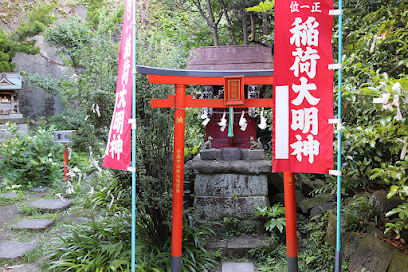
Otsuna Kompira Shrine
Kanagawa 221-0834
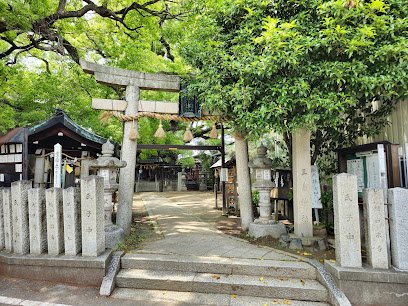
Mitsushima Shrine
Osaka 571-0015
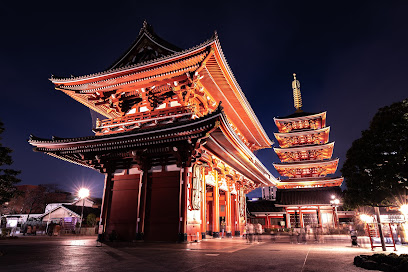
Sensō-ji
Tokyo 111-0032
Completed in 645, this temple, Tokyo's oldest, was built to honor Kannon, the goddess of m...
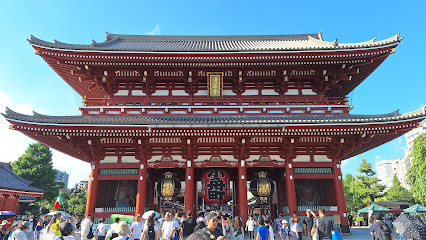
Kaminarimon
Tokyo 111-0032
A 3.9m-tall lantern greets visitors to this stately gate at the entrance to Sensō-ji templ...
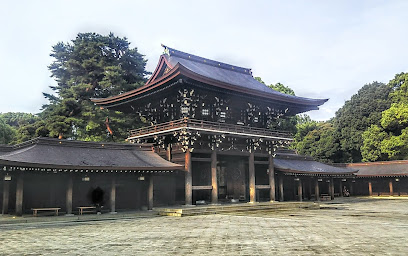
Meiji Jingu
Tokyo 151-8557
Surrounded by forest, this venerable Shinto shrine features a seasonal iris garden.

Kushida Shrine
812-0026
Founded in 757 CE, this urban site annually hosts the city's largest festival, Hakata Gion...