

Shrines & temples
Japanese shrines
OSM directory
Explore Shinto shrines mapped from OpenStreetMap — filter by prefecture, city, or denomination. For curated travel listings, see featured landmark shrines below.
832 shrines
船町天満宮
船町天満宮
Hyogo
Ship Town Tenmangu Shrine is a Shinto shrine located in Hyogo Prefecture, dedicated to Tenjin, the god of learning and literature. The shrine was originally built in 1845 by the shipbuilders of Kobe's Honko district to pray for safe passage at sea. Over time, it has evolved into a popular destination for scholars, students, and literary enthusiasts. The shrine's architecture is a blend of traditional and modern styles, with a striking vermilion gate and a beautiful garden featuring historic ships and boats.
彌榮社
彌榮社
Hyogo
Miwa Shrine, located in Hyogo Prefecture, is dedicated to the Shinto deity Mikasa no Okami and other kami associated with the city of Kobe. The shrine's architecture reflects traditional Japanese styles, featuring a distinctive vermilion torii gate. Visitors can explore the shrine grounds, which include several small shrines and temples, as well as a museum showcasing the history of Miwa Shrine.
葦田神社
葦田神社
Hyogo
Gashina Shrine, located in Hyogo Prefecture, is a Shinto shrine dedicated to the Kami of the Sea and Agriculture. Its name, Gashina, translates to 'wheat field', reflecting its original purpose as an agricultural sanctuary. The shrine's architecture reflects the Heian period style, with its main hall and shrine buildings constructed from traditional Japanese materials such as wood and thatch. A beautiful garden surrounds the shrine, featuring a variety of plants native to Hyogo Prefecture.
気多神社
気多神社
Hyogo
Kikugawa Shrine, dedicated to the kami of the Kikugawa River and the town's founding, is a historic Shinto site in Hyogo Prefecture. The shrine is known for its beautiful garden and traditional architecture.
十二所神社
十二所神社
Hyogo
The Twelve Shrine of Hyogo, located in the city of Kobe, is a Shinto shrine dedicated to the Kami of the twelve regions of Harima Province. The shrine is famous for its unique architectural style and rich history dating back to the Heian period. The shrine's design reflects the harmony between nature and humanity, with its wooden structures blending seamlessly into the surrounding forest. Visitors can explore the shrine's many shrines and torii gates, each dedicated to a different region of Harima Province.
須賀神社
須賀神社
Hyogo
Suuga Shrine, located in the city of Nishiwaki in Hyogo Prefecture, is one of Japan's oldest and most important Shinto shrines. Dedicated to the worship of Otsukimi no Kami, a kami believed to have created the nearby Inland Sea, the shrine has played a significant role in regional maritime trade and culture for centuries. The shrine's historic buildings showcase a mix of architectural styles from the Nara period (710-794 CE) to the Edo period (1603-1867 CE), including a distinctive five-story pagoda and a beautiful garden.
八幡神社
八幡神社
Hyogo
The Eightfold Shrine, located in the heart of Hyogo Prefecture, is a revered Shinto site dedicated to the god Susanoo-no-Mikoto and the eight deities of the sea. This magnificent shrine is famous for its striking architecture and unique tradition. According to legend, the shrine was built on the site where Susanoo-no-Mikoto once rested during his travels. The shrine's eight main gates are said to represent the eight sons of Susanoo-no-Mikoto.
猿田彦神社(柱松荒神社)
猿田彦神社(柱松荒神社)
Hyogo
Located in Hyogo Prefecture, Shirasagi no Hikina Shrine is a Shinto shrine dedicated to the kami of the pine tree and the god of war, Hyakuronji, whose name literally means 'a thousand pine trees'. The shrine was originally built as a Buddhist temple but later converted into a Shinto shrine during the Edo period. The shrine's architecture reflects its historical conversion, with a wooden torii gate and a traditional Shinto-style main hall.
八坂神社
八坂神社
Hyogo
Located in Hyogo Prefecture, Eight Sakyamon Shrine is a Shinto shrine dedicated to the spirit of protection and good luck. The shrine's name refers to its eight staircases, believed to have been built by the legendary princess Otohime for her lover, Sakanoue no Iratsume. Dedicated to the protection of travelers and sailors, this shrine is also known as Sakyamon Shrine. The shrine is famous for its large stone torii gate, symbolizing the boundary between the spiritual world and the mortal realm.
八幡神社
八幡神社
Hyogo
Located in the western part of Hyogo Prefecture, Eight Horses Temple Shrine (Hachimangu) is one of Japan's most famous Shinto shrines, dedicated to the god Hachiman, patron deity of samurai warriors and protector of the nation. The shrine's architecture reflects its role as a center for imperial decrees, with a series of vermillion gates that symbolize the connection between heaven and earth.
たま神社
たま神社
Hyogo
Tama Shrine is a Shinto shrine located in the city of Akashi, Hyogo Prefecture, dedicated to the kami Tama-no-kami, the spirit of abundance and fertility. The shrine's architecture reflects the traditional Japanese style, with a main hall (honden) and several smaller shrines. The shrine is known for its beautiful gardens and historic significance as one of the oldest Shinto shrines in Japan.
三柱神社
三柱神社
Hyogo
The three-storied shrine of San-no-Ima-jinja, dedicated to the syncretic deity of Shinto and Buddhist traditions, is one of the oldest shrines in Hyogo Prefecture. The primary enshrined deity is Ōsami Okami, the Shinto god of medicine, but other kami like Hachiman, Raijin, and Benzaiten are also worshipped here.
厳島神社
厳島神社
Hyogo
厳島神社 is a Shinto shrine located in Hyogo Prefecture, Japan, dedicated to the worship of a powerful and mysterious deity. The shrine's name,厳島, translates to 'Severe Island', and its history dates back to the Heian period (794-1185 CE). According to legend, the god Susanoo-no-Mikoto, brother of the sun goddess Amaterasu, was banished to this island by his sister after a dispute over the divine right to rule. Today, the shrine is known for its unique architecture and stunning views of the surrounding ocean.
大歳神社
大歳神社
Hyogo
Located in the city of Ako, Hyogo Prefecture, Daisho-jinsha Shrine is a Shinto shrine dedicated to the god of longevity and prosperity. The shrine's main hall, called the honden, features a unique tile roof with a distinctive curved shape, which is characteristic of Aki Province-style architecture. The shrine's grounds also contain several scenic walking trails and ponds, creating a serene atmosphere for visitors. At Daisho-jinsha Shrine, devotees come to pray for good fortune, health, and happiness.
大歳神社
大歳神社
Hyogo
Located in the city of Akashi, Hyogo Prefecture, the Ōsai Shrine is a Shinto temple dedicated to the kami, Saisan-e no Kami (the God of Age). The shrine's main structure is a wooden torii gate surrounded by lush gardens and a large pond. According to legend, the shrine was founded in 1888 during a time of great famine, and it is said that the god Saisan-e no Kami brought prosperity to the area. Visitors can see traditional Shinto architecture and enjoy the scenic views of the surrounding mountains.
弁天社
弁天社
Hyogo
Located in Hyogo Prefecture, Banten no Miyako Shrine is a Shinto shrine dedicated to Benzaiten, the goddess of beauty, music, and poetry. Founded during the Heian period, the shrine has been an important cultural center in the region, attracting visitors with its beautiful gardens and traditional architecture. The shrine's design reflects the Edo period style, with a large torii gate and a five-story pagoda.
諏訪神社
諏訪神社
Hyogo
諏訪神社 is a Shinto shrine located in Hyogo Prefecture, dedicated to the worship of Minatogitsune, a fox spirit and one of the twelve tanuki (fox deities). The shrine dates back to the 8th century and is known for its beautiful gardens and traditional architecture. Visitors can walk through the peaceful grounds, take in the scenic views of the surrounding countryside, and experience the unique charm of this historic Shinto site.
稲荷神社
稲荷神社
Hyogo
Located in Hyogo Prefecture, the Shinto shrine of Inari Okappi is dedicated to Inari, the Shinto deity of rice and fertility. The shrine's architecture reflects its historical significance as a major center of worship during the Heian period. The shrine complex features multiple gates and torii, with the most famous being the 1,001 torii that span the surrounding mountainside. Visitors can purchase small bags of rice grains at the shrine entrance to use in prayer rituals.
厳島神社
厳島神社
Hyogo
厳島神社 is a Shinto shrine located in Hyogo Prefecture, dedicated to the sun goddess Amaterasu and her child Susanoo-no-Mikoto. As one of Japan's most sacred shrines, 厳島神社 has been a significant cultural and spiritual hub since its founding during the Heian period (794-1185 CE). The shrine is famous for its unique torii gate that appears to be floating over the water.
三柱神社
三柱神社
Hyogo
The Three Deity Shrine in Hyogo Prefecture is a lesser-known Shinto shrine dedicated to the worship of three primary kami: Takemikazuchi, Susanoo, and Amaterasu. The shrine's architecture reflects its historical significance as a major spiritual hub during the Heian period (794-1185 CE). The complex is characterized by its wooden construction and traditional Japanese garden design. Visitors can explore the shrine's tranquil grounds and experience the serene atmosphere that has made it a popular destination for locals and pilgrims alike.
式内女代神社
式内女代神社
Hyogo
Located in the city of Himeji, Hyogo Prefecture, Shitennō-ji Inari Taisha is a Shinto shrine dedicated to Inari Okami, the Shinto god of rice, fertility, and industry. The shrine's main hall is dedicated to Inari and features the iconic fox deity, Kitsune. Visitors can enjoy traditional sweets and tea, while also taking in the peaceful atmosphere of the shrine grounds.
郡主神社
郡主神社
Hyogo
Nara period shrine dedicated to Takehisa-no-Mikoto, a local deity worshipped by the ruling Yamato clan for protection and good governance. The shrine is nestled in a serene forested area along the banks of the Shōno River. Its traditional Ryōbu-zuka architectural style reflects its historical significance as a royal shrine.
稲屋天神社
稲屋天神社
Hyogo
稲屋天神社 is a Shinto shrine located in Hyogo Prefecture, dedicated to the god of rice and prosperity. The shrine's architecture reflects its origins as a rural temple, with a wooden torii gate and simple stone buildings. As one of the oldest shrines in the region, 稲屋天神社 has played a significant role in local agriculture and trade for centuries.
森神社
森神社
Hyogo
Forest Shrine, located in the heart of Hyogo Prefecture, is dedicated to the Shinto god of forests and fertility. The shrine's beautiful architecture and serene surroundings make it a popular destination for nature lovers and those seeking spiritual enlightenment. With its rich history dating back to the Kamakura period, Forest Shrine offers a glimpse into Japan's ancient traditions.
Curated shrine listings
Hand-picked shrines and temples from our landmark guide.
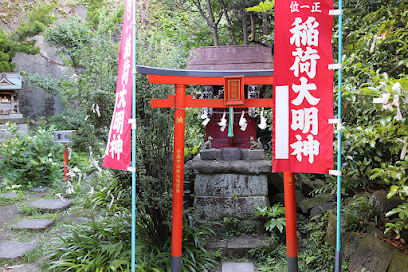
Otsuna Kompira Shrine
Kanagawa 221-0834
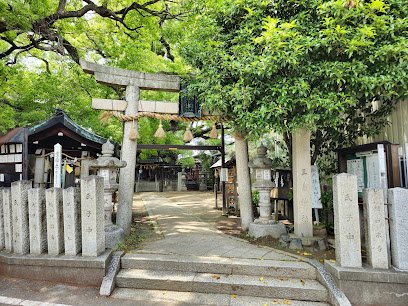
Mitsushima Shrine
Osaka 571-0015
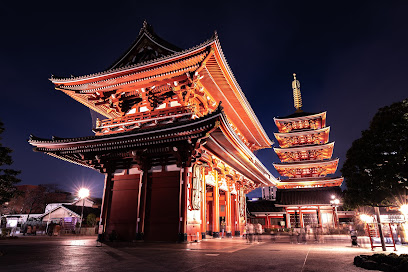
Sensō-ji
Tokyo 111-0032
Completed in 645, this temple, Tokyo's oldest, was built to honor Kannon, the goddess of m...
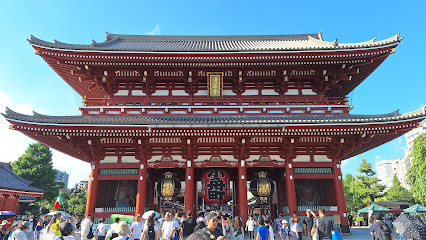
Kaminarimon
Tokyo 111-0032
A 3.9m-tall lantern greets visitors to this stately gate at the entrance to Sensō-ji templ...
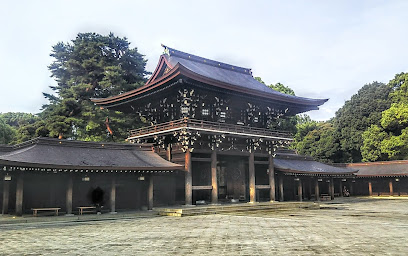
Meiji Jingu
Tokyo 151-8557
Surrounded by forest, this venerable Shinto shrine features a seasonal iris garden.

Kushida Shrine
812-0026
Founded in 757 CE, this urban site annually hosts the city's largest festival, Hakata Gion...