

Shrines & temples
Japanese shrines
OSM directory
Explore Shinto shrines mapped from OpenStreetMap — filter by prefecture, city, or denomination. For curated travel listings, see featured landmark shrines below.
835 shrines
六所神社
六所神社
Tokyo
Sixtoku Shrine, located in the heart of Tokyo, is a sacred Shinto site dedicated to the kami of agriculture and fertility. The shrine's name reflects its six main deities, each associated with a different aspect of rural life. Visitors can explore the shrine grounds, adorned with traditional Japanese architecture and lush gardens, which provide a tranquil oasis amidst the bustling city.
八坂神社
八坂神社
Tokyo
Located in the heart of Mitaka, Tokyo, Eight Bridges Shrine (Hachisakimori Jinja) is a Shinto shrine dedicated to the kami Hachiman, the god of war and patron deity of the Imperial Army. The shrine's architecture is typical of Edo-era Shintoism, with a two-story torii gate and a rectangular shrine hall. The shrine complex also features a peaceful forested area with several ponds and walking paths.
稲荷神社
稲荷神社
Tokyo
The Inari Okappi Shrine in Tokyo is one of Japan's most famous Shinto shrines, dedicated to the god of rice, Inari Okami. The shrine is renowned for its thousands of vermilion torii gates that form a tunnel leading up the mountain. Visitors can walk through this gate-lined path and receive good fortune and blessings from the kami.
天神宮
天神宮
Tokyo
Located in the heart of Tokyo, Tenjin Shrine is a revered Shinto site dedicated to the god of learning and culture, Sugawara no Michizane. This stunning shrine, situated on the banks of the Sumida River, serves as a symbol of the city's rich history and intellectual heritage.
栗木御嶽神社
栗木御嶽神社
Tokyo
栗木御嶽神社 is a Shinto shrine located in the Sumida ward of Tokyo, dedicated to the deity Inari Okami. The shrine's architecture reflects traditional Japanese design, with a wooden torii gate and a large stone foundation. According to local legend, the shrine was built on the site where a rice spirit (kami) once dwelled, providing bountiful harvests for the local community.
三島神社
三島神社
Tokyo
Located in the heart of Tokyo, Misaki Shrine is a revered Shinto site dedicated to the gods of the sea and fertility. This ancient shrine has played a significant role in the maritime culture of the region, offering prayers and blessings to fishermen and sailors alike. The shrine's beautiful architecture and serene surroundings make it an ideal destination for those seeking a tranquil connection with nature.
稲倉魂命
稲倉魂命
Tokyo
Inokashira Shrine, located in the heart of Inokashira Park in Tokyo, is a serene Shinto oasis that has been an integral part of local life for centuries. Dedicated to the kami of rice and prosperity, Inokashira Shrine is renowned for its stunning gardens, tranquil ponds, and elegant architecture. The shrine's peaceful atmosphere makes it an ideal spot for relaxation and contemplation.
山王社・水神社・稲荷社
山王社・水神社・稲荷社
Tokyo
Located in Tokyo, Yaboshi Shrine is dedicated to the Shinto deities Mountain King, Water God, and Rice Goddess. Its architecture reflects a mix of Edo-era wooden structures with some Kamakura-style elements, giving it a unique blend of traditional Japanese styles. The shrine is known for its impressive autumn foliage and sacred rice fields, making it a popular destination during the autumn season.
谷戸坂稲荷神社
谷戸坂稲荷神社
Tokyo
谷戸坂稲荷神社 is a Shinto shrine located in the heart of Setagaya, Tokyo. Dedicated to Inari Okami, the shrine is famous for its impressive stone lanterns and elegant wooden structures. As one of the most prominent shrines in Tokyo, it serves as a symbol of the city's rich cultural heritage.
日吉神社
日吉神社
Tokyo
Dayutsuji Shrine, located in Tokyo, is one of the oldest and most famous Shinto shrines in Japan. Dedicated to Amaterasu Omikami, the Shinto sun goddess, it has been a significant spiritual center for centuries. The shrine's impressive architecture reflects its historical significance, with a striking vermilion torii gate and intricately carved wooden structures. Visitors can explore the shrine's beautiful gardens and experience the tranquility of this ancient sacred site.
八幡大神
八幡大神
Tokyo
The Eight-Fold God Shrine, located in the heart of Tokyo, is a revered Shinto site dedicated to the kami of storms and lightning. The shrine's architecture reflects the regional style of Edo-period Japan, with a distinctive vermilion torii gate and a wooden hall built on a raised platform. In the 17th century, the shrine was rebuilt after being damaged by a fire, reflecting the changing historical period of the time.
諏訪神社
諏訪神社
Tokyo
Tonosawa Shrine, located in Tokyo's Setagaya Ward, is dedicated to the Shinto kami of Tonosawa-no-kami, a minor deity believed to reside at the confluence of the Tonosawa and Sumida rivers. The shrine's architecture reflects traditional Japanese design, with a vermilion torii gate and a wooden main hall. Visitors can explore the shrine's gardens, which feature a variety of plants native to the region.
井田神社
井田神社
Tokyo
Located in the heart of Setagaya, Iizuka Shrine is a serene oasis amidst Tokyo's bustling streets. Dedicated to the Shinto deity Hachiman, it is one of the oldest shrines in the city and has played an important role in the region's history and culture. Visitors can explore the shrine's tranquil gardens and admire its traditional architecture.
千年神社
千年神社
Tokyo
Located in the heart of Tokyo, Chūnen-jinja Shrine is a revered Shinto temple dedicated to the deity Inari Ōno-miya. The shrine's current structure dates back to the 17th century, with earlier versions existing since the Edo period (1603-1868). Visitors can explore the tranquil gardens and admire the striking torii gate. As one of Japan's most famous shrines, Chūnen-jinja attracts thousands of devotees each year.
日之森神社
日之森神社
Tokyo
Located in the heart of Tokyo, 日之森神社 is a serene Shinto shrine dedicated to the sun goddess Amaterasu. The shrine's name, meaning 'forest of the sun', reflects its tranquil atmosphere and connection to nature. Visitors can explore the shrine's grounds, which feature a beautiful forested area, a stone torii gate, and a traditional Japanese garden.
諏訪神社
諏訪神社
Tokyo
諏訪神社 is a Shinto shrine located in the Bunkyo district of Tokyo, dedicated to the kami Fujin, god of wind and storms, and Raijin, god of lightning. The shrine is situated near the Odaiba Island and has a rich history dating back to the 16th century. It is known for its unique architectural style, which blends traditional Shinto elements with modern designs. Visitors can experience the shrine's serene atmosphere and learn about its cultural significance.
下森稲荷社
下森稲荷社
Tokyo
下森稲荷社 is a Shinto shrine located in Setagaya, Tokyo, dedicated to the god of rice and prosperity, Inari Okami. The shrine is surrounded by a beautiful garden and features traditional Japanese architecture. Visitors can explore the shrine's main hall, torii gate, and walk through the peaceful grounds. The shrine is also famous for its annual autumn festival, which celebrates the harvest season.
天満宮
天満宮
Tokyo
Tenman-gu Shrine, located in the heart of Tokyo, is one of Japan's oldest and most revered Shinto shrines, dating back to the Edo period (1603-1868). Dedicated to Amaterasu Omikami, the Sun Goddess, this shrine has been a symbol of good fortune and prosperity for over 400 years. As a major cultural and historical landmark in Tokyo, Tenman-gu Shrine attracts millions of visitors each year.
八太神社
八太神社
Tokyo
Located in the heart of Setagaya Ward, Tokyo, Eighteen-Footed God Shrine is a lesser-known Shinto shrine dedicated to the deity Susanoo-no-Mikoto. The shrine's name 'Hachi-Ta' translates to 'Eighteen-Footed,' referring to an eighteenth-century wooden statue that stood at the entrance of the shrine grounds. Although the original statue has been lost, its legacy lives on in the shrine's architecture and traditions.
日枝神社
日枝神社
Tokyo
Located in the heart of Tokyo, Dayo Inari Shrine is a renowned Shinto shrine dedicated to the enshrined deity Inari Okami, the patron kami of rice, fertility, and prosperity. As one of the most iconic shrines in Japan, it is famous for its thousands of vermilion torii gates that form a tunnel leading up the mountain, symbolizing the connection between heaven and earth. The shrine's architecture reflects its historical significance as an important Shinto center during the Edo period, with several historic buildings still standing today.
伊豆美神社
伊豆美神社
Tokyo
Izu Okura Shrine, dedicated to the kami Inu-no-Okami, is located in Izu Peninsula, a sacred region steeped in Shinto mythology and rich natural beauty. As one of Japan's oldest shrines, it has played an important role in the region's spiritual life for centuries. The shrine's architecture reflects its historical significance, with a simple yet elegant design that blends seamlessly into its natural surroundings.
野川神明社
野川神明社
Tokyo
Located in Tokyo's Setagaya ward, the Nokogiri-no-Matsuyama Shrine is dedicated to the kami of the forest and has been a place of worship since the Edo period. The shrine's name translates to 'Forest Ridge Shrine'. With its serene atmosphere and beautiful gardens, it offers a peaceful retreat from the hustle and bustle of city life.
淡嶋神社
淡嶋神社
Tokyo
Tamonno-jinja is a Shinto shrine located in the Tama District of Tokyo, dedicated to Emperor Jimmu and the sea god Susanoo. The shrine's architecture reflects its historical significance as an ancient settlement site, with a wooden torii gate and a traditional Honden building dating back to the Heian period. Visitors can explore the shrine's museum to learn about its history and cultural significance.
島守神社
島守神社
Tokyo
Located in the heart of Tokyo, Island Guardian Shrine is a revered Shinto site dedicated to Island Guardians, believed to protect boats and ships from harm. This ancient shrine, built during the Heian period (794-1185 CE), has played a significant role in Japan's maritime history.
Curated shrine listings
Hand-picked shrines and temples from our landmark guide.
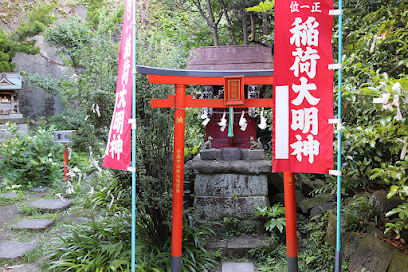
Otsuna Kompira Shrine
Kanagawa 221-0834
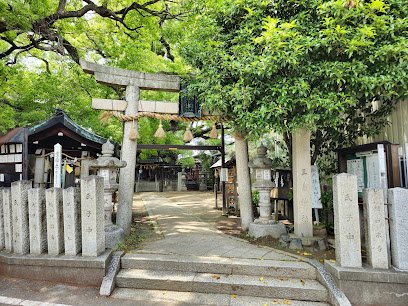
Mitsushima Shrine
Osaka 571-0015
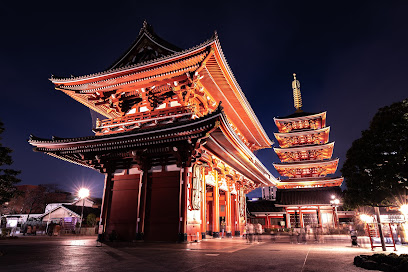
Sensō-ji
Tokyo 111-0032
Completed in 645, this temple, Tokyo's oldest, was built to honor Kannon, the goddess of m...
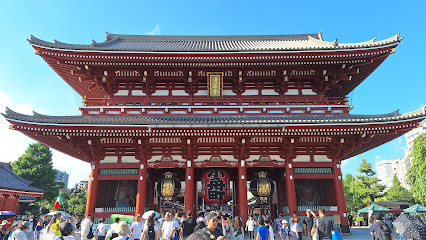
Kaminarimon
Tokyo 111-0032
A 3.9m-tall lantern greets visitors to this stately gate at the entrance to Sensō-ji templ...
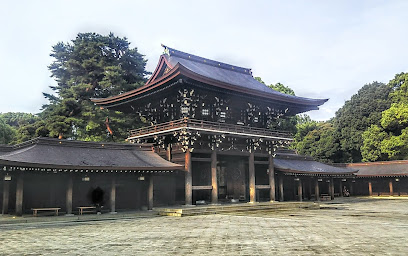
Meiji Jingu
Tokyo 151-8557
Surrounded by forest, this venerable Shinto shrine features a seasonal iris garden.

Kushida Shrine
812-0026
Founded in 757 CE, this urban site annually hosts the city's largest festival, Hakata Gion...