

Shrines & temples
Japanese shrines
OSM directory
Explore Shinto shrines mapped from OpenStreetMap — filter by prefecture, city, or denomination. For curated travel listings, see featured landmark shrines below.
756 shrines
上津大歳神社
上津大歳神社
Kyoto
Located in the heart of Kyoto, the Utsunomiya Daijōsai Shrine is a lesser-known yet fascinating Shinto site that showcases the region's rich cultural heritage. Dedicated to the kami of longevity and prosperity, this shrine is situated along the Kamo River, which played a significant role in the city's ancient history. Visitors can explore the shrine's beautiful gardens, serene water features, and traditional architecture, immersing themselves in the tranquil atmosphere that pervades this sacred space.
一宮神社
一宮神社
Kyoto
One-miya Shrine, located in the heart of Kyoto, is a revered Shinto shrine dedicated to the sun goddess Amaterasu. With its striking vermilion torii gate and serene gardens, the shrine exudes a sense of tranquility and spiritual connection. Visitors can explore the shrine's tranquil grounds, which feature several smaller shrines and temples, including the historic Sanjusangendo Temple.
間主神社
間主神社
Kyoto
This Shinto shrine in Kyoto is dedicated to the kami of a sacred tree said to have been planted by the legendary Emperor Saga. The shrine's architecture reflects its historical significance, featuring a traditional Japanese-style gate and a simple yet elegant wooden torii gate. Visitors can explore the shrine's serene gardens and tranquil atmosphere, making it an ideal destination for those seeking peace and tranquility.
鳴生神社
鳴生神社
Kyoto
Narigoshi Shrine is a Shinto shrine located in the city of Nagata, Kyoto Prefecture. The shrine is dedicated to the deity Inari Okami, patron of rice and fertility. Visitors can explore the shrine's traditional thatched-roof torii gates and enjoy the peaceful atmosphere of its gardens. The shrine also hosts an annual spring festival, where participants dress up in traditional costumes and perform ritual dances.
若田神社
若田神社
Kyoto
Located in the heart of Kyoto, Ifukuji-dera's sister shrine,若田神社, is a serene Shinto temple dedicated to the kami of rice, fertility, and prosperity. The shrine's tranquil atmosphere and beautiful gardens make it an ideal destination for those seeking a peaceful retreat from the bustling city.
諏訪神社
諏訪神社
Kyoto
Located in the heart of Kyoto, Tonbo-ji Shrine is a Shinto shrine dedicated to the deity Inari Okami, known as the patron of rice, fertility, and industry. The shrine's architecture reflects its historical significance, with a unique five-story pagoda that dates back to the 8th century. Visitors can explore the shrine's beautiful gardens, which feature a traditional Japanese teahouse and a tranquil pond.
愛宕神社
愛宕神社
Kyoto
愛宕神社 is a Shinto shrine located in Kyoto, dedicated to the sun goddess Amaterasu Ōmikami. The shrine complex spans several buildings, including the Haiden main hall and the Honden inner sanctuary. Visitors can experience traditional Japanese architecture, beautiful gardens, and stunning cherry blossom views. As one of Japan's most famous shrines,愛宕神社 attracts thousands of devotees each year.
新宮神社
新宮神社
Kyoto
New Miyashiro Shrine, located in Kyoto Prefecture, is a Shinto shrine dedicated to the Sun Goddess Amaterasu. The shrine is nestled in a tranquil forested area, reflecting its ancient origins. Its architecture blends traditional elements with modern enhancements, while its peaceful atmosphere invites visitors to unwind and connect with nature.
熊野神社
熊野神社
Kyoto
Kurama Shrine, located in Kyoto Prefecture, is one of the most famous Shinto shrines dedicated to the god of longevity and prosperity, Urashima Taro's successor, Urasenke no kami, and also Katsushika Okuninushi. With its long history dating back to 711 AD, the shrine has been rebuilt several times due to fires and earthquakes, with the current main hall constructed in 1871. The shrine is renowned for its beautiful gardens, tranquil atmosphere, and stunning views of the surrounding mountains.
廣嶺神社
廣嶺神社
Kyoto
Located in Kyoto, 廣嶺神社 is a Shinto shrine dedicated to the deity of prosperity and good fortune. Its name, which translates to 'Broad Path Shrine,' reflects its historical significance as a major route connecting Kyoto with Osaka. The shrine's architecture, characteristic of Heian-era temples, features a distinctive torii gate and a large, curved roof that offers breathtaking views of the surrounding landscape.
恵比須神社
恵比須神社
Kyoto
Hie Shrine, located in Kyoto, is one of Japan's oldest and most revered Shinto shrines. Dedicated to the kami Ebisu, the god of fishing, prosperity, and good fortune, Hie Shrine has been an important spiritual center for fishermen and merchants alike since its founding during the Heian period (794-1185). The shrine's architecture reflects a mix of traditional Japanese styles, with wooden structures and tiled roofs, while its gardens are renowned for their beauty. Visitors can experience the tranquility of the shrine grounds, offering stunning views of Kyoto. The shrine also hosts various festivals throughout the year, including the annual Ebisu Matsuri in May.
佐伎治神社
佐伎治神社
Kyoto
佐伎治神社 is a Shinto shrine located in Kyoto, dedicated to the kami of the same name, who is believed to be the guardian deity of the Yoshino region. The shrine's architecture reflects its historical significance as one of the oldest and most important shrines in Japan, dating back to the 8th century. Its stunning torii gate and tranquil gardens make it a popular destination for both locals and tourists. Visitors can experience the shrine's rich cultural heritage by attending the annual Yoshino Spring Festival, which celebrates the blooming of cherry blossoms and the arrival of spring.
青海神社
青海神社
Kyoto
Located in the heart of Kyoto, Aoike-jinja Shrine is a serene Shinto oasis that has been serving local communities since the Heian period. Dedicated to the god of the sea, Aoike-jinja is known for its tranquil atmosphere and striking architecture. The shrine's name, Aoike, translates to 'blue sea' or ' ocean', reflecting its connection to the sea and the surrounding mountains.
日枝神社
日枝神社
Kyoto
Located in the heart of Kyoto, Dayo Shrine is a Shinto shrine dedicated to the kami Inari Okami, revered as the patron deity of rice, fertility, and prosperity. The shrine is famous for its vermilion torii gate, which serves as an iconic symbol of Kyoto's rich cultural heritage. Visitors can experience traditional Japanese culture by participating in the New Year (Oshogatsu) festival, where locals offer prayers and sweets to Inari Okami.
伊弉諾神社
伊弉諾神社
Kyoto
Izuno Shrine in Kyoto is dedicated to the kami of Izuno, a legendary princess said to have been buried at the site. The shrine is famous for its beautiful gardens and traditional architecture, reflecting the region's rich cultural heritage. Visitors can explore the main hall, which houses a statue of Princess Izuno, as well as the adjacent Kiyomizu-dera Temple, a UNESCO World Heritage Site.
杉森神社
杉森神社
Kyoto
Located in the heart of Kyoto, Sugen no Mika no-ta shrine is a historic Shinto shrine dedicated to the kami of the cedar tree and fertility. The shrine's name, Sugen no Mika, translates to 'tree of cedar', which reflects its association with the sacred cedar wood. The shrine's architecture is characteristic of traditional Japanese design, featuring a wooden torii gate and a rectangular shrine building with a tiled roof.
青葉神社
青葉神社
Kyoto
Located in Kyoto, the Satsuki Jinsha is a Shinto shrine dedicated to the enshrined deity Satsuki, also known as the 'Leaf Goddess'. This shrine is particularly notable for its beautiful autumn foliage and vibrant greenery during spring. Visitors can enjoy a serene atmosphere amidst lush surroundings.
金劔神社
金劔神社
Kyoto
Kinshicho Jinsha is a Shinto shrine located in Kyoto, dedicated to Kinshicho, the god of good fortune and prosperity. The shrine is known for its beautiful gardens and traditional architecture, which reflect the Edo period style. Visitors can enjoy the tranquil atmosphere and take a stroll through the shrine grounds.
日枝神社
日枝神社
Kyoto
Dayehreishūji is a Shinto shrine located in the heart of Kyoto, Japan. Dedicated to the Shinto god Inari Okami, it is one of the most famous and revered shrines in the city. The shrine is renowned for its beautiful architecture, vibrant festivals, and historic significance. Visitors can explore the tranquil gardens, traditional wooden buildings, and ornate torii gates, while participating in rituals and ceremonies to honor the kami.
産霊神社
産霊神社
Kyoto
Located in the heart of Kyoto, Sannō-ji Temple is a prominent Shinto shrine dedicated to the god Enma Daiō, also known as Ōjin, the legendary emperor who founded the city of Kyoto. The shrine's main hall, the Sanjusangendo, is famous for its 1,001 life-size statues of Kannon, the Buddhist goddess of mercy. Visitors can explore the adjacent gardens and traditional shops, offering a glimpse into ancient Japanese culture.
杉森神社
杉森神社
Kyoto
Located in the heart of Kyoto, Sugimori-jinja Shrine is a tranquil oasis that honors the god of rice and agriculture, Sugomaru Okami. The shrine's architecture reflects its historical significance as a major rice-producing center during the Edo period. Visitors can stroll through the serene gardens and admire the traditional Japanese buildings.
気比神社
気比神社
Kyoto
Kibishindenki Shrine, located in the heart of Kyoto, is a Shinto shrine dedicated to the kami Oinoshikolunisakayama-Okami. The shrine's name reflects its association with a legendary swordsmith and its proximity to Mount Hiedatei. With a history dating back over 700 years, Kibishindenki Shrine showcases traditional Japanese architecture and serves as a revered cultural landmark in Kyoto.
日枝神社
日枝神社
Kyoto
Located in the heart of Kyoto, Dayo Jinsha is a revered Shinto shrine dedicated to the worship of Inari Ōno-mikoto, the patron deity of rice, fertility, and prosperity. As one of the most famous shrines in Japan, it attracts numerous visitors seeking blessings for their endeavors.
天満宮
天満宮
Kyoto
Tennan Temple, located in the heart of Kyoto, is a historic Shinto shrine dedicated to the deity Amaterasu Omikami, one of Japan's most revered kami. The shrine's current structure dates back to the Edo period (1603-1867), although its origins can be traced back to the 8th century. Tennan Temple is renowned for its distinctive vermilion torii gate and traditional Japanese architecture.
Curated shrine listings
Hand-picked shrines and temples from our landmark guide.
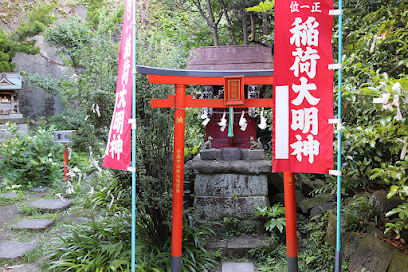
Otsuna Kompira Shrine
Kanagawa 221-0834
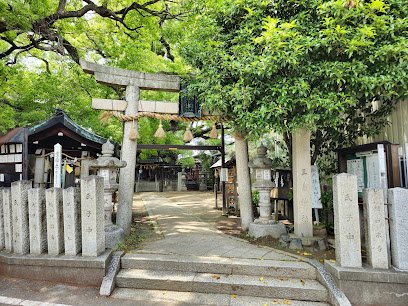
Mitsushima Shrine
Osaka 571-0015
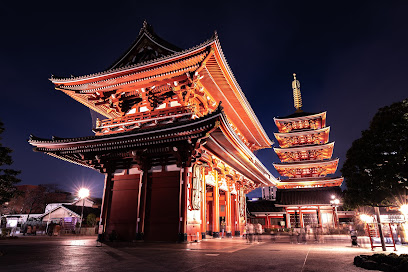
Sensō-ji
Tokyo 111-0032
Completed in 645, this temple, Tokyo's oldest, was built to honor Kannon, the goddess of m...
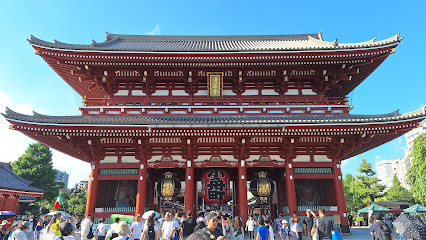
Kaminarimon
Tokyo 111-0032
A 3.9m-tall lantern greets visitors to this stately gate at the entrance to Sensō-ji templ...
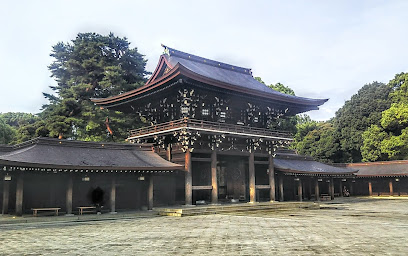
Meiji Jingu
Tokyo 151-8557
Surrounded by forest, this venerable Shinto shrine features a seasonal iris garden.

Kushida Shrine
812-0026
Founded in 757 CE, this urban site annually hosts the city's largest festival, Hakata Gion...