

Shrines & temples
Japanese shrines
OSM directory
Explore Shinto shrines mapped from OpenStreetMap — filter by prefecture, city, or denomination. For curated travel listings, see featured landmark shrines below.
861 shrines
大神宮
大神宮
Niigata
Located in the city of Niigata, Daijingu Shrine is one of Japan's oldest and most revered Shinto shrines dedicated to the god of agriculture and fertility, Ryujin. The shrine's architecture is characteristic of a traditional Heian-style (794-1185 CE) torii gate surrounded by beautiful gardens and walking paths. Visitors can experience the peaceful atmosphere and spiritual energy of the shrine, especially during the annual autumnal festival, where offerings are made to Ryujin for a bountiful harvest.
稲荷小潟神社
稲荷小潟神社
Niigata
Inari Oshino-misaki Shrine, located in Niigata Prefecture, is a revered Shinto site dedicated to Inari Okami, the Shinto god of rice and fertility. The shrine's location at the mouth of the Kurokawa River, where it meets the sea, symbolizes its connection to the ocean and the bounty it provides. This tranquil setting has allowed the shrine to maintain its traditional beauty, with its vermilion torii gate standing out against the serene natural surroundings.
松前神社
松前神社
Niigata
Located in the heart of Niigata Prefecture, Matsunegi Shrine is a Shinto shrine dedicated to the deity of prosperity and good harvests. The shrine's architecture reflects the Heian period, with a wooden torii gate and a traditional Japanese-style main hall. Visitors can experience the serene atmosphere of the shrine's gardens, which feature beautiful cherry blossom trees and a tranquil pond.
大宮子易両神社
大宮子易両神社
Niigata
Located in the town of Higashi-Kamikawa in Niigata Prefecture, Daimyō-sonoe Ryūjinsha is a Shinto shrine dedicated to two deities, Ryūjin and Ōtohime. The shrine's architecture reflects its historical significance as a major stopover for travelers on the Hakushin Road, which connected Edo (modern-day Tokyo) to other parts of Japan. Visitors can explore the shrine's beautifully maintained grounds, including several historic buildings and a serene garden.
新山神社
新山神社
Niigata
Located in the city of Niigata, Shinyamajinsha is a historic Shinto shrine dedicated to the god of fertility and agriculture, as well as the patron deity of the Takeda clan. The shrine's architecture reflects its origins during the Edo period, with a traditional hexagonal torii gate and a simple yet elegant wooden hall for the main shrine. Visitors can explore the shrine grounds, which feature a beautiful garden and a tranquil pond, perfect for reflection and contemplation.
稲荷神社
稲荷神社
Niigata
Inaka Inari Shrine in Niigata is dedicated to Inari Okami, the Shinto god of rice, fertility, and prosperity. Located in a scenic valley near Lake Kanaya, the shrine has maintained its traditional architecture since the Edo period, with over 1,000 vermilion torii gates surrounding its grounds. Visitors can explore the shrine's beautiful gardens, take part in local festivals such as the Autumn Leaves Festival, and try their luck at the nearby Inaka Inari Shrine lottery for rice fortunes.
古峯神社
古峯神社
Niigata
Located in the heart of Niigata Prefecture, Kurohantō Shrine is a Shinto shrine dedicated to the kami (spirits) of the mountain. The shrine's name, which translates to 'Old Mountain Temple,' reflects its history as a sacred site for the local community. Visitors can explore the shrine's traditional architecture and learn about the region's rich cultural heritage.
大形神社
大形神社
Niigata
Daijō-gu Jinja is a Shinto shrine located in the Japanese prefecture of Niigata. Dedicated to the kami of rice, prosperity, and good fortune, this shrine is an important cultural and historical site in the region. Its architecture reflects traditional Japanese styles with a distinctive curved roof and torii gate.
白山神社
白山神社
Niigata
The Shitenno-ji Shrine in Nagaoka, Niigata Prefecture is a historic Shinto shrine dedicated to the deity of Mount Haku, a sacred mountain in the Japanese Alps. The shrine's architecture and traditions are deeply rooted in local culture, reflecting the region's unique history and mythology.
愛宕神社
愛宕神社
Niigata
Ai Date Shrine, located in Niigata Prefecture, is a Shinto shrine dedicated to the deity Ai Date Okami, a kami associated with water and fishing. The shrine's architecture reflects its regional style, blending traditional Japanese elements with local influences. Ai Date Shrine is notable for its historical significance as a major center for the Ainu people, who were later assimilated into Japanese society.
春日神社
春日神社
Niigata
Haruizumi Shrine, dedicated to the sun goddess Amaterasu, is a historic Shinto shrine located in Nagaoka City, Niigata Prefecture. Built in 1602 during the Edo period, the shrine's main hall features a traditional Japanese-style roof and is adorned with vibrant autumn leaves every fall. Visitors can explore the adjacent Haruizumi Park, which offers beautiful views of Mount Iwaki.
八坂神社
八坂神社
Niigata
Located in the city of Kariya, Niigata Prefecture, Eighteen Step Shrine is a historic Shinto shrine dedicated to the goddess of mercy and protector, Benzaiten. The shrine's architecture is typical of Edo period Shinto shrines, with a large torii gate and a beautiful garden. According to local legend, the shrine was originally built on a site where a sacred spring was discovered.
稲荷神社
稲荷神社
Niigata
Indraloka Shinto Shrine, located in Niigata Prefecture, is dedicated to the worship of Indra, a Hindu god revered by Shinto adherents. The shrine's architecture reflects traditional Japanese styles, with a rectangular main hall and tiled roof. Visitors can explore the surrounding gardens and shrines, including the nearby Hasedera Temple.
府中八幡宮
府中八幡宮
Niigata
Located in the city of Niigata, 府中八幡宮 is a Shinto shrine dedicated to the god of good fortune and prosperity, Fukutake Okami. Built during the Edo period, the shrine's main hall features a distinctive red tiled roof and a large torii gate. Visitors can experience the tranquil atmosphere of the shrine's gardens and admire the beautiful cherry blossom trees during spring.
伊夜日子神社
伊夜日子神社
Niigata
Iya-Hashi no Kami Shrine, located in the mountains of Niigata Prefecture, is dedicated to Iya-Hachiman-gu, a Shinto deity associated with road safety and protection. The shrine's architecture reflects the local Heian-style and its design is influenced by the region's unique cultural heritage. Visitors can explore the temple grounds, which feature traditional Japanese gardens and walking trails. The shrine's historical note dates back to the 8th century when it was originally built as a way station for travelers.
古峯神社
古峯神社
Niigata
Anciently, the people of Echigo region revered the great deity who watched over its mountains and rivers. The Ancient Kumamato tribe reveres this great god as well, believing that this mountain was a sacred place to connect with nature. Over time, the shrine has been rebuilt many times due to natural disasters like landslides, but still maintains a strong connection to the local culture and history.
神社
神社
Niigata
Located in the heart of Niigata Prefecture, this Shinto shrine is dedicated to the worship of , a kami associated with prosperity and good fortune. The shrine's architecture reflects its historical significance as a major stopover on the ancient trade route between Echigo Province (Niigata) and Kanto Region (Tokyo). Visitors can explore the shrine's tranquil grounds, which feature traditional gardens and scenic walking paths.
堀出神社
堀出神社
Niigata
Horie Outa Shrine, located in the town of Kuroishi in Niigata Prefecture, is a Shinto shrine dedicated to the kami (spirits) believed to inhabit the surrounding mountains and forests. The shrine's name, Horie, translates to 'river mouth' or 'river confluence', likely referring to its location at the confluence of two rivers. The shrine's architecture reflects the traditional Japanese style, with a sturdy torii gate and a rectangular main hall.
秋葉神社
秋葉神社
Niigata
Akibayashi Shrine, located in Niigata Prefecture, is dedicated to the worship of Ryujin, the god of the sea and rivers. This Shinto shrine is known for its beautiful autumn foliage and traditional architecture, reflecting the region's rich cultural heritage.
秋葉神社本殿
秋葉神社本殿
Niigata
Akiba Jushiha Shrine is a Shinto shrine dedicated to the god of rice, fertility, and prosperity in the city of Kariya, Niigata Prefecture. Located near the Akibagawa River, the shrine's main hall was rebuilt after World War II, but its traditional architecture remains intact. The shrine's grounds feature several smaller shrines and torii gates dedicated to various regional kami.
稲荷神社
稲荷神社
Niigata
Ishihara Shrine, located in the heart of Niigata Prefecture, is dedicated to the Shinto god Inari Okami, patron deity of rice and fertility. As one of Japan's oldest shrines, it has been an important spiritual center for local farmers and artisans for centuries. The shrine's stunning vermilion torii gate and intricately carved wooden buildings reflect its rich history and cultural significance.
春日神社
春日神社
Niigata
located on the banks of the Kuroda River in Niigata Prefecture,春日神社 is a Shinto shrine dedicated to the deity Hachiman, patron of travelers and merchants. The shrine's architecture reflects its historical significance as a key stop along the Edo-era Nakasendo trade route.
神明宮
神明宮
Niigata
Located in the heart of Niigata, Godaiwa Shrine is a historic Shinto temple dedicated to Okuninushi no Kami and Ise-no-kami. Dating back to the Edo period, the shrine's architecture reflects traditional Japanese design with a wooden main hall and vermilion torii gate. Visitors can explore the shrine grounds, which feature a scenic walking path along the Biwa River.
智泉寺
智泉寺
Niigata
Located in the prefecture of Niigata, 智泉寺 is a Shinto shrine dedicated to the kami Enmei, revered for its healing properties and connections to the water element. The shrine's name roughly translates to 'Clear Spring Temple.' Its architecture reflects traditional Japanese design, with a main hall featuring a vermilion roof and sliding doors. Visitors can explore the serene grounds, which include a pond and walking paths. The shrine is also known for its annual autumn festival, where locals celebrate the harvest season.
Curated shrine listings
Hand-picked shrines and temples from our landmark guide.
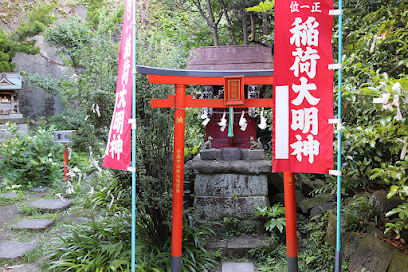
Otsuna Kompira Shrine
Kanagawa 221-0834
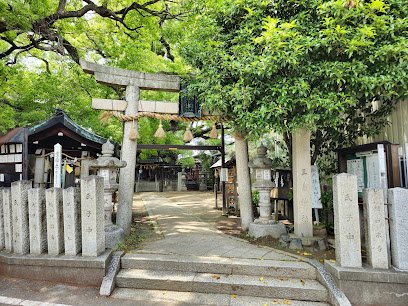
Mitsushima Shrine
Osaka 571-0015
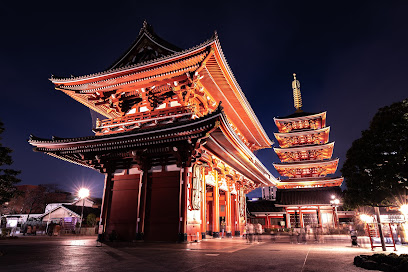
Sensō-ji
Tokyo 111-0032
Completed in 645, this temple, Tokyo's oldest, was built to honor Kannon, the goddess of m...
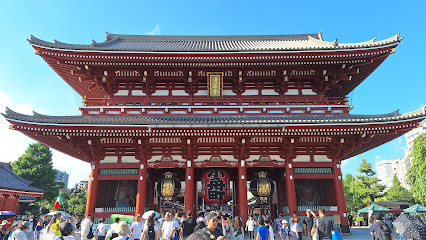
Kaminarimon
Tokyo 111-0032
A 3.9m-tall lantern greets visitors to this stately gate at the entrance to Sensō-ji templ...
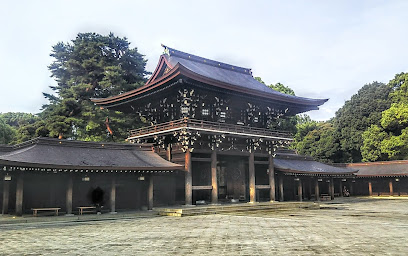
Meiji Jingu
Tokyo 151-8557
Surrounded by forest, this venerable Shinto shrine features a seasonal iris garden.

Kushida Shrine
812-0026
Founded in 757 CE, this urban site annually hosts the city's largest festival, Hakata Gion...