

Shrines & temples
Japanese shrines
OSM directory
Explore Shinto shrines mapped from OpenStreetMap — filter by prefecture, city, or denomination. For curated travel listings, see featured landmark shrines below.
756 shrines
三嶋神社水天宮
三嶋神社水天宮
Kyoto
Sanesadake Utenamiya Shrine is a Shinto shrine located in Sanesadakemachi, Higashiyama-ku, Kyoto. Dedicated to the sea god Susanoo no Mikoto and Amaterasu, the primary kami enshrined are Susanoo and Amaterasu. The shrine's architecture reflects its historical period, with elements from the Kamakura and Edo periods. Visitors can participate in traditional festivals such as the Star Festival, which honors the gods and celebrates the coming of autumn.
水無月神社
水無月神社
Kyoto
Water Moon Shrine, located in Kyoto, is a Shinto shrine dedicated to the kami of the moon and fertility. The shrine's architecture reflects its association with the lunar cycle, featuring a vermilion torii gate and wooden shichen that resemble crescent moons. Visitors can explore the shrine's grounds, which include a tranquil pond reflecting the beauty of nature.
冨持神社
冨持神社
Kyoto
Futoshinisha Shrine, located in the heart of Kyoto, is dedicated to the enshrined deity Fujin, the god of wind and storms. The shrine's architecture reflects its Heian-era origins, with a main hall constructed from local cypress wood and adorned with traditional red roof tiles. Visitors can explore the serene gardens and observe the vibrant cherry blossoms during springtime.
浦嶋神社
浦嶋神社
Kyoto
Pursugahama Shrine, located in the heart of Kyoto, is a sacred Shinto site dedicated to the sea god and goddess of fertility, known as Sōmen no Okami and Ōsazae no Okami respectively. The shrine's architecture reflects its role as a protective deity for fishermen and the maritime community. Its beautiful gardens and serene atmosphere provide a tranquil escape from the bustling city.
熊野神社
熊野神社
Kyoto
Kumano Shrine is a Shinto shrine located in Kumano, a valley region of western Japan, and not Kyoto. While the shrine shares the same name, they are separate entities. The original shrine was built in 725 CE at Hiraizumi in Iwate Prefecture, but a replica was constructed at Kumano in 1875. Kumano Shrine is renowned for its connections to the mythology of the Kumano region and its role as a Shinto pilgrimage site. It is one of Japan's most sacred sites, attracting millions of visitors each year.
六所神社
六所神社
Kyoto
Six Temples Shrine is a Shinto temple dedicated to the kami of agriculture and fertility, with its origins dating back to the Heian period (794-1185 CE). Located in the heart of Kyoto, the shrine is known for its beautiful gardens and historic architecture. Visitors can experience the serene atmosphere of the shrine by walking through the carefully manicured grounds, surrounded by traditional Japanese trees and flowers.
離宮八幡宮
離宮八幡宮
Kyoto
Located in the heart of Kyoto, Ryomyo-jinja Shrine is a Shinto shrine dedicated to the deity Amaterasu Ōmikami, the sun goddess. The shrine's name, meaning 'the palace of Amaterasu,' reflects its connection to the divine. As one of the oldest shrines in Japan, Ryomyo-jinja has played an important role in Kyoto's history and culture.
亀之森住吉神社
亀之森住吉神社
Kyoto
Kamegawa no Mori Sumiyoshi Jinja is a Shinto shrine located in the Kamegawa River valley, known for its stunning natural surroundings and historic significance. The shrine was built to honor the kami of the river and the surrounding forest, believed to have been founded during the Heian period (794-1185 CE). Visitors can explore the shrine's traditional architecture, which features a distinctive tiled roof and a beautiful garden.
十二神社
十二神社
Kyoto
The twelve shrines of Kyoto are a collection of Shinto shrines dedicated to the twelve kami, or gods, associated with the city. The shrine in question is one of these twelve shrines and is believed to be an important center for worship and offerings to the kami. Located in the heart of Kyoto, this shrine offers visitors a glimpse into the rich cultural heritage of Japan's Shinto tradition.
秋葉神社
秋葉神社
Kyoto
Autumn Leaves Shrine, located in the heart of Kyoto's historic district, is dedicated to the Shinto god of autumn leaves and nature. The shrine's architecture reflects the traditional Japanese style of the Edo period, with a tranquil garden featuring maple trees that turn brilliant shades of orange and red during autumn. Visitors can admire the vibrant fall foliage while enjoying traditional tea and sweets at the shrine's tea house.
愛宕神社
愛宕神社
Kyoto
Located in the heart of Kyoto,爱宕神社 (Beppu-ya Shrine) is a Shinto shrine dedicated to the god of fire and medicine, Beppu-yama Okami. The shrine's architecture reflects the Heian period style, with a wooden torii gate and tiled roofs dating back to 888. Visitors can explore the shrine's inner grounds, which include several buildings, including the main hall and a museum showcasing Shinto art and artifacts. In the spring, the shrine is surrounded by beautiful cherry blossoms, adding to its natural beauty.
秋葉大権現
秋葉大権現
Kyoto
Autumn Leaf Grand Shrine, dedicated to the Shinto god of rice and fertility, is a revered site in Kyoto. Established during the Heian period (794-1185), it has played host to numerous festivals throughout its history. The shrine's unique architecture, which includes the Haiden main hall and the Chumon gate, has been influenced by the region's distinct Kamakura-style design. Each autumn, visitors can witness a spectacular display of vibrant fall foliage surrounding the shrine.
愛宕大神
愛宕大神
Kyoto
Love and Fidelity Shrine, dedicated to the Shinto god of love, fertility, and war, Amaterasu is one of Japan's most famous shrines. Built on the site where Queen Kōshōnaka no Iratsume was buried in the Heian period, it has been a significant cultural landmark for centuries.
保食稲荷神社
保食稲荷神社
Kyoto
Located in the heart of Kyoto, Takeko Shrine is dedicated to Inari Okami, the Shinto deity revered as the patron of rice, fertility, and prosperity. The shrine is famous for its thousands of vermilion torii gates that form a tunnel up the mountain, symbolizing the abundance of food in Japanese culture. Visitors can walk through this gate forest and pray for good luck, health, and fertility.
意布伎神社
意布伎神社
Kyoto
意布伎神社 is a Shinto shrine located in Kyoto, dedicated to the kami of wisdom and knowledge. The shrine's name, Imabari, translates to 'the place where one can gain insight,' reflecting its connection to the pursuit of understanding and enlightenment. Visitors can explore the shrine's tranquil grounds, featuring traditional Japanese landscaping and architecture, which embodies the harmonious balance between nature and human existence.
金峰神社奥宮
金峰神社奥宮
Kyoto
Located in the heart of Kyoto, Kinkaku-ji's adjacent shrine, the Okunoin Shinsho, is a lesser-known Shinto site dedicated to the god of gold and treasure, Kinokami. The shrine's name 'Kin' meaning 'gold,' reflects its association with wealth and prosperity. Its tranquil atmosphere and beautiful gardens make it an ideal destination for those seeking serenity amidst nature.
大江山稲荷神社遙拝所
大江山稲荷神社遙拝所
Kyoto
Located in the heart of Kyoto, Ōji-san Inari Shrine is a revered Shinto site dedicated to the kami of fertility and prosperity. As one of Japan's most famous rice paddy shrines, Ōji-san Inari is renowned for its impressive vermilion torii gates and ornate shrine buildings. The shrine's tranquil atmosphere is punctuated by the soft chirping of birds and the gentle rustle of autumn leaves. Visitors can explore the serene grounds, adorned with beautifully crafted stone lanterns and vibrant fall foliage.
八田神社
八田神社
Kyoto
Located in the heart of Kyoto, Eight Saints Shrine is a revered Shinto site dedicated to the eight saints who are said to have protected a family during the Heian period. The shrine's architecture and grounds reflect the traditional style of Japanese temples, with a main hall and several smaller shrines. The shrine complex also includes a beautiful garden and a statue of the Buddha.
天神神社
天神神社
Kyoto
Located in the heart of Kyoto, Tenjin Shrine is a Shinto shrine dedicated to the god Susanoo no Okami and later became a shrine for the god Benzaiten. As one of the most famous shrines in Japan, it attracts millions of visitors each year. The shrine's iconic five-story pagoda is a symbol of its importance.
吉川八幡神社
吉川八幡神社
Kyoto
Located in the heart of Kyoto, Gion Hachiman Shrine is dedicated to the Shinto deity Hachiman, a patron kami of war and messenger of the gods. The shrine's architecture reflects its historical significance as one of Japan's oldest shrines, with structures dating back to the 8th century. Visitors can explore the main hall, where a large statue of Hachiman stands tall, surrounded by intricately carved wooden pillars.
服部神社
服部神社
Kyoto
Futsu Inari Shrine, located in the heart of Kyoto, is a revered Shinto shrine dedicated to the worship of Futsu Inari, the kami of fertility and prosperity. The shrine's architecture reflects its historical significance as a major center for the textile industry during the Edo period. Visitors can explore the shrine's traditional Japanese gardens and purchase handmade textiles at the adjacent market stalls.
粟鹿神社
粟鹿神社
Kyoto
粟鹿神社 is a Shinto shrine located in Kyoto, dedicated to the deity of rice and prosperity. Built during the Heian period, the shrine's architecture reflects traditional Japanese design, with a main hall featuring a tiled roof and a wooden torii gate. The shrine is known for its beautiful gardens and tranquil atmosphere, making it a popular destination for those seeking peace and relaxation.
出雲大神宮
出雲大神宮
Kyoto
Outū daijin'yā, meaning 'Great Shrine of the Sun Goddess', is a Shinto shrine located in Kyoto Prefecture, dedicated to the sun goddess Amaterasu Ōmikami. The shrine's architecture reflects the Heian period style, with a wooden hall and a vermilion torii gate. It is one of the most important shrines in Japan, serving as a gateway between the city of Kyoto and the nearby mountains.
八王子神社
八王子神社
Kyoto
Located in the heart of Kyoto, Eight Kings Shrine (Hachiman-dera) is one of Japan's most revered Shinto shrines. Dedicated to the enshrined deity Hachiman Okami, a kami believed to be the god of war and patron of samurai warriors, this shrine has played a significant role in Japanese history dating back to the 8th century. The shrine complex features a sprawling temple grounds, stunning wooden architecture, and numerous sculptures depicting mythological scenes from ancient Japan.
Curated shrine listings
Hand-picked shrines and temples from our landmark guide.
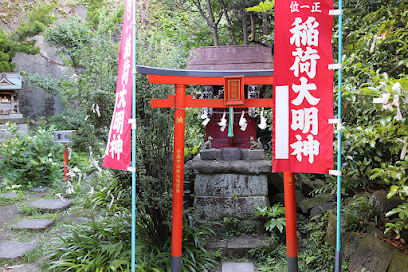
Otsuna Kompira Shrine
Kanagawa 221-0834
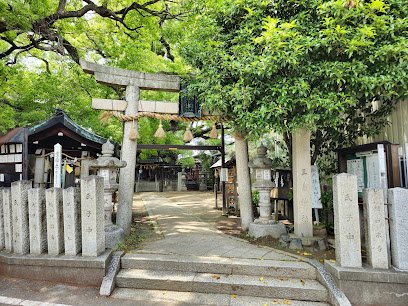
Mitsushima Shrine
Osaka 571-0015
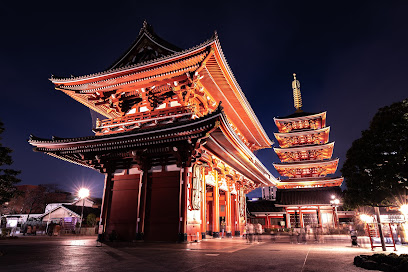
Sensō-ji
Tokyo 111-0032
Completed in 645, this temple, Tokyo's oldest, was built to honor Kannon, the goddess of m...
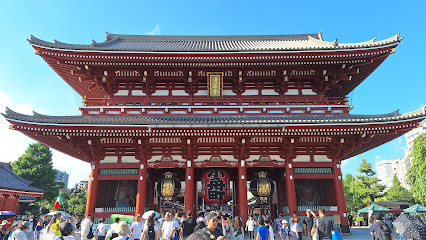
Kaminarimon
Tokyo 111-0032
A 3.9m-tall lantern greets visitors to this stately gate at the entrance to Sensō-ji templ...
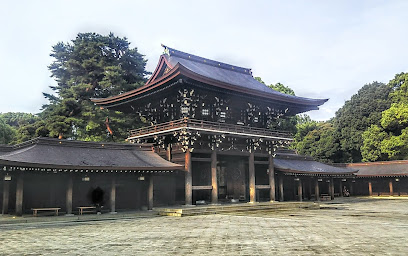
Meiji Jingu
Tokyo 151-8557
Surrounded by forest, this venerable Shinto shrine features a seasonal iris garden.

Kushida Shrine
812-0026
Founded in 757 CE, this urban site annually hosts the city's largest festival, Hakata Gion...