

Shrines & temples
Japanese shrines
OSM directory
Explore Shinto shrines mapped from OpenStreetMap — filter by prefecture, city, or denomination. For curated travel listings, see featured landmark shrines below.
861 shrines
熊野神社
熊野神社
Niigata
Nestled in the heart of Japan's rugged north, Kusatsu Onsen Shrine is a revered Shinto site located in Niigata Prefecture. Dedicated to the worship of Zao Hachiman-gami, the shrine is renowned for its beautiful architecture and serene atmosphere, drawing visitors from across the country. This sacred space has played host to numerous spiritual gatherings and ceremonies over the centuries.
金刀比羅神社
金刀比羅神社
Niigata
Kinhō Hiryū-jinja is a Shinto shrine located in the heart of Niigata City, dedicated to the god of swordsmiths and martial arts. The shrine's architecture reflects its historical significance as a hub for samurai training and the production of high-quality swords. Visitors can explore the shrine's museum, which showcases exhibits on the history of Japanese swordsmanship and the shrine's own cultural heritage.
大山祇神社
大山祇神社
Niigata
Located in the city of Kashiwazaki, Niigata Prefecture, Daizan Inari Taisha is a Shinto shrine dedicated to Inari Okami, the kami of rice, fertility, and prosperity. As one of the most important Inari shrines in Japan, it attracts numerous pilgrims and tourists alike. The shrine's architecture reflects its historical significance, with a unique blend of traditional and modern elements. Visitors can explore the shrine's many halls, altars, and gardens, each filled with offerings and treasures dedicated to Inari Okami.
八幡宮
八幡宮
Niigata
Located in the city of Agano, Niigata Prefecture, Hachiman Shrine is a Shinto temple dedicated to the god of war and justice, known as Hachiman. The shrine is famous for its striking vermilion torii gate and traditional wooden architecture. According to legend, the shrine was established by Prince Shotoku in 607 AD, during the Asuka period, and has since been rebuilt several times due to natural disasters. Today, the shrine is a popular tourist destination and an important cultural landmark in Niigata Prefecture.
風宮神社
風宮神社
Niigata
Wind Temple Shrine, located in the heart of Niigata Prefecture, is dedicated to Fujin, the Shinto god of wind and storms. The shrine's architecture reflects its regional style, with a distinctive black roof resembling a wave. Visitors can experience the shrine's unique charm by participating in the annual Wind Festival, where they can try their hand at kite-making and watch traditional performances.
戸河神社
戸河神社
Niigata
Hōtetsu Shrine is a Shinto shrine located in the town of Iwano, Niigata Prefecture, dedicated to the god of rivers and fishing. The shrine's architecture reflects its coastal location, with a traditional Japanese-style temple building surrounded by gardens and a serene river view. Visitors can enjoy the peaceful atmosphere and take part in local festivals, such as the Shichi-Go-San (Seijin no Hi) festival, which honors children at age 5, 7, and 9.
熱串彦神社
熱串彦神社
Niigata
Located in the heart of Niigata Prefecture, 熱串彦神社 is a revered Shinto shrine dedicated to Hikoboshi, a kami associated with the Milky Way. The shrine's architecture reflects traditional Japanese design, featuring a tiled roof and wooden torii gate. Visitors can explore the shrine grounds, which include a beautiful garden and a museum showcasing local art and artifacts.
牛尾神社
牛尾神社
Niigata
Located in the city of Sanjo, Niigata Prefecture, 牛尾神社 is a small Shinto shrine dedicated to Kūtsukuni Okami, the kami of prosperity and good harvests. The shrine's architecture reflects traditional Japanese design, with a simple wooden torii gate and a rectangular main hall. Visitors can explore the shrine grounds, which feature several ancient trees and a tranquil garden.
新町大神宮
新町大神宮
Niigata
新町大神宮は、長谷川が流れる中越地方に立つ老舗の神社です。この神社は、江戸時代の新町村から始まりました。新町大神宮では、地元の里親(地元の氏子)と「まさかぜ(太陽)」を祈る活動を行っています。神社内の「たまごやき」(お盆の式) では、里親は新町大神宮の大神に大きな木材を捧げて、夏の長日を願っています。 新町大神宮は、地元の中越地方の伝統的な文化と、江戸時代の都市計画の遺産を表しています。神社の正面には「長良川」が流れる川の名を冠した大きな gate があります。 神社の近くには新町村の歴史的建造物や、神社に捧げられた「おもどり(大神の石)」があります。この「おもどり」は、神社が信仰を保ち続けるための重要な遺産です。 訪問者は、神社の正面の gate を通って、神社内の様々な建物や庭園に進むことができます。神社内には、新町大神宮の歴史と文化に関する展示会が行われています。
總社神社
總社神社
Niigata
總社神社 is a Shinto shrine located in the town of Sado, Niigata Prefecture. The shrine's name '総社' roughly translates to 'total field' or 'all under one roof,' reflecting its role as a gathering place for local residents and farmers. With its rich history dating back to the Heian period (794-1185 CE), the shrine has been an important center of worship and community activity in the region.
八幡若宮社
八幡若宮社
Niigata
Located in the town of Kurokawa, Niigata Prefecture, Eight Horseshoe Shrine is a Shinto shrine dedicated to the god Susanoo-no-Mikoto, known as the 'goddess' of the sea and storms. The shrine's primary enshrined deity is Susanoo, often depicted as a powerful storm god. The name 'Eight Horseshoe' refers to the eight curved roofs that resemble horseshoes, which are believed to ward off evil spirits.
穴地十二大明神
穴地十二大明神
Niigata
Located in the city of Niigata, Shichigahama Shrine is dedicated to the twelve major deities, known as 'Jūkai Daimyōjin'. The shrine is situated on a scenic coastal road and offers stunning views of the Pacific Ocean. Shikigahama's unique architecture features a combination of traditional Japanese styles, including a pagoda and an octagonal torii gate.
金峯神社
金峯神社
Niigata
Gold Summit Shrine, located in the heart of Japan's snow-capped mountains, is a sacred Shinto site dedicated to the worship of the kami. As one of the oldest shrines in Niigata Prefecture, it dates back to the Edo period and boasts traditional architecture with a unique blend of regional characteristics. The shrine's name "Gold Summit" originates from its location on the summit of Mount Kosaka, which is often shrouded in mist and snow, giving it an otherworldly beauty.
八海山尊神社
八海山尊神社
Niigata
Located in the town of Anzukuri, Niigata Prefecture, Eight Seas Mountain Shrine is dedicated to Isumi no Kami, a Shinto deity associated with water and fertility. The shrine is situated near the coast and features traditional architectural elements typical of Niigata's Hachiman-style shrines. Its name, which translates to 'Eight Seas Mountain Shrine,' reflects its proximity to the sea. The shrine has played an important role in the local community for centuries.
両所大神宮
両所大神宮
Niigata
Located in the city of Yuzawa, Niigata Prefecture, Double Shrine is a Shinto shrine dedicated to the deity Hachiman Okami, who is revered as the god of war and patron deity of travelers and messengers. The shrine's name, 'Double,' refers to its twin shrines: Hachiman Shrine and Utsugune Shrine, both located within the same compound. The Double Shrine complex is notable for its well-preserved historic buildings and traditional architecture.
天満宮
天満宮
Niigata
Tenshukaku Shrine, located in the heart of Niigata City, is a prominent Shinto shrine dedicated to the kami of agriculture and prosperity. The shrine's name roughly translates to 'Heavenly Abundance Shrine' and reflects its role as a source of good fortune for local farmers and residents. With its rich history dating back to 1870, Tenshukaku Shrine has become an important cultural landmark in Niigata.
旭神社
旭神社
Niigata
Located in the city of Niigata, Revatsumi Shrine is a Shinto shrine dedicated to the god of the sea and storms, known as Hagoromo-no-Mikoto. The shrine's architecture reflects the region's unique cultural heritage, with a distinctive 'tsukubai' stone basin that visitors must drink from before entering the main hall. The shrine's primary kami is Revatsumi, but it also enshrines local spirits such as Kami of the Sea and the River. Visitors can experience the shrine's festive atmosphere during the annual Hakamori Matsuri festival in May.
居多神社
居多神社
Niigata
Izumigahara Shrine, located in the town of Minamiyashiro, Niigata Prefecture, is a Shinto shrine that honors the kami of Izumigahara, a mountain pass through the Yuzawa Mountains. The shrine's primary deity is Hachiman, the god of war and patron of warriors. In addition to Hachiman, the shrine also enshrines Izumi-no-Mikoto, the god of fertility and prosperity.
十二神社
十二神社
Niigata
The Twelve Shōen Shrine, located in the city of Niigata, is a historic Shinto shrine dedicated to the kami of the Twelve Shōen, a feudal domain that once encompassed much of modern-day Niigata Prefecture. The shrine is known for its elegant vermilion torii gate and serene garden, reflecting the tranquil atmosphere often associated with rural Japan. Visitors can explore the adjacent museum to learn more about the history and significance of the Twelve Shōen, as well as the kami enshrined here.
神明社
神明社
Niigata
Located in the city of Joetsu, Niigata Prefecture, Godai Shrine is a historic Shinto shrine dedicated to Amaterasu Omikami, the sun goddess and deified ancestor of the Japanese imperial family. As one of Japan's most iconic and influential shrines, Godai Shrine has played a significant role in shaping regional culture and traditions.
諏訪神社
諏訪神社
Niigata
Located in the city of Tokama, Niigata Prefecture, Tonbo Shrine is a Shinto shrine dedicated to the kami of rice and grain. The shrine's name, 'Tonbo', literally translates to 'rice field'. The shrine is believed to have been founded during the Edo period (1603-1867), and its architectural style reflects this era, with a characteristic hippon (main hall) and several smaller shrines. Tonbo Shrine is famous for its annual festival, which takes place in October, where visitors can experience traditional Shinto rituals and participate in a ritual to ensure bountiful harvests.
秋葉神社
秋葉神社
Niigata
Located in the heart of Niigata, Akizuya Shrine honors the Shinto kami associated with autumn leaves and prosperity. The shrine's name, Akizuya, translates to 'autumn leaf palace.' This Shinto sanctuary has been an important site for centuries, attracting visitors from all over Japan seeking blessings for a bountiful harvest and protection from natural disasters.
二荒山神社
二荒山神社
Niigata
Located in the snowy mountains of Niigata Prefecture, 二荒山神社 is a Shinto shrine dedicated to Yamabiko-zukami, the kami of Mt. Haku. The shrine's architecture reflects the region's unique cultural heritage, with traditional wooden structures and a peaceful garden. Visitors can experience the tranquility of nature and connect with the local spirit at this hidden gem.
田端稲荷神社
田端稲荷神社
Niigata
Tanda Inari Shrine, located in the heart of Niigata Prefecture, is a revered Shinto site dedicated to the worship of Inari Okami, the god of fertility, prosperity, and rice. As one of Japan's oldest shrines, Tanda Inari has been an integral part of the local community for centuries, with its rich history deeply rooted in the region's agricultural traditions.
Curated shrine listings
Hand-picked shrines and temples from our landmark guide.
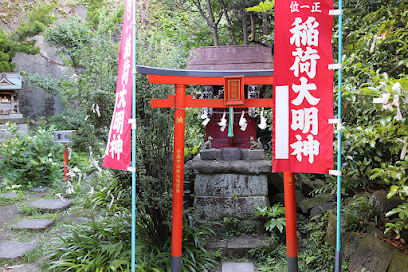
Otsuna Kompira Shrine
Kanagawa 221-0834
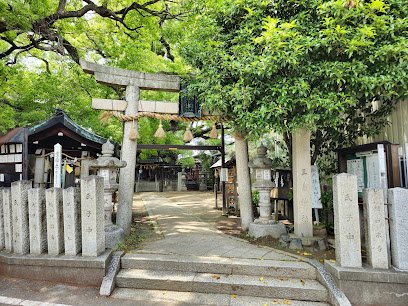
Mitsushima Shrine
Osaka 571-0015
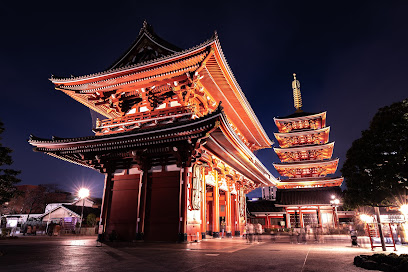
Sensō-ji
Tokyo 111-0032
Completed in 645, this temple, Tokyo's oldest, was built to honor Kannon, the goddess of m...
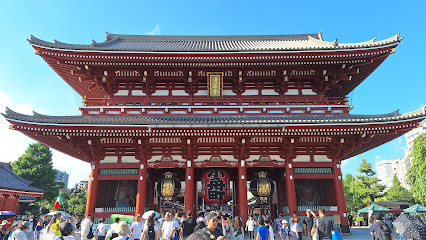
Kaminarimon
Tokyo 111-0032
A 3.9m-tall lantern greets visitors to this stately gate at the entrance to Sensō-ji templ...
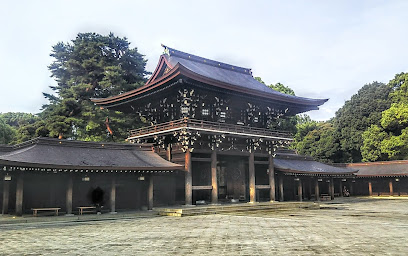
Meiji Jingu
Tokyo 151-8557
Surrounded by forest, this venerable Shinto shrine features a seasonal iris garden.

Kushida Shrine
812-0026
Founded in 757 CE, this urban site annually hosts the city's largest festival, Hakata Gion...