

Shrines & temples
Japanese shrines
OSM directory
Explore Shinto shrines mapped from OpenStreetMap — filter by prefecture, city, or denomination. For curated travel listings, see featured landmark shrines below.
245 shrines
七宝稲荷神社
七宝稲荷神社
Kagawa
Seven Treasures Rice Shrine, located in Kagawa Prefecture, is a Shinto shrine dedicated to the god of rice and prosperity. The shrine's name, 'Shichibukai', roughly translates to 'seven treasures,' which refers to the seven virtues of Buddhism: generosity, moral integrity, patience, effort, determination, perseverance, and wisdom. The shrine's architecture is typical of those found in the Sanuki region, with a large torii gate and a hall dedicated to the god Inari.Visitors can enjoy the beautiful gardens and traditional Japanese architecture, making it a popular destination for those looking to experience rural Japan.
履脱八幡神社
履脱八幡神社
Kagawa
Lying Down Hachiman Shrine, located in the scenic town of Takamatsu, is a sacred Shinto site dedicated to the god of war and justice, Hachiman. The shrine's name reflects its unique feature of allowing visitors to lie down on special mats during their visit. This unusual practice is said to have originated from the 17th-century legend that the shrine's founder had an affliction that could only be cured by lying down in a sacred space.
名部戸天満宮
名部戸天満宮
Kagawa
Located in the Kagawa Prefecture, Name Department Shrine is a Shinto temple dedicated to the spirit of the local lord, who protected the inhabitants from invading forces. The shrine's architecture reflects the Heian period's elegance and simplicity. The main hall features a vermilion gate adorned with gold leaf and an impressive wooden torii gate. Visitors can walk through the forested grounds along the Kotohira River, enjoying scenic views and peaceful atmosphere.
荒魂神社
荒魂神社
Kagawa
Located in the beautiful Seto Inland Sea region of Kagawa Prefecture, Shinto shrine 'Arabon Shinsha' honors the ancestral spirits of the region's inhabitants. The shrine's main deity is Omonoshin, a kami associated with fertility and prosperity. Visitors can experience the shrine's tranquil atmosphere and connect with nature during their visit.
大松神社
大松神社
Kagawa
Located in the heart of Takamatsu, Kagawa Prefecture, Daishogatsu-jinja is a Shinto shrine dedicated to the god of learning and culture. The shrine's architecture reflects its historical significance as a center for Buddhist studies during the Heian period. Its main hall features an imposing wooden torii gate adorned with intricate carvings and a majestic lantern. Visitors can walk along the tranquil pathways surrounding the shrine, taking in the serene atmosphere and admiring the carefully maintained traditional gardens.
福の宮神社
福の宮神社
Kagawa
Fukutomiya Shrine in Takamatsu, Kagawa Prefecture is a Shinto shrine dedicated to the god of fortune and prosperity. Dedicated to the god Fukutomi, who is revered as a patron deity of commerce, industry, and maritime trade. The shrine is located on the site where the Tokugawa shogunate's naval fleet was repaired and supplied during the Edo period.
安倉八幡神社
安倉八幡神社
Kagawa
Anurakura Hachiman Shrine is a Shinto shrine located in the city of Ton, Kagawa Prefecture. The shrine is dedicated to Hachiman, the god of war and patron deity of warriors, as well as Otsutsugi Inari, the kami of commerce and prosperity. The shrine's architecture reflects its Kamakura period origins, with a distinctive wooden torii gate and a hall dedicated to Hachiman. Visitors can explore the shrine grounds, which feature several smaller shrines and a museum showcasing the history and mythology of the area.
黒松神社
黒松神社
Kagawa
Black Pine Shrine, located in the beautiful Seto Inland Sea region of Kagawa Prefecture, is a revered Shinto site dedicated to the kami (spirits) associated with agriculture and fertility. The shrine's unique architecture reflects its rich history, with a blend of traditional and modern elements. Visitors can experience the serene atmosphere of the shrine's gardens and take in stunning views of the nearby mountains.
住吉神社
住吉神社
Kagawa
The Ōkuni-Ichi Shrine, located in Takamatsu, Kagawa Prefecture, is one of the most famous Shinto shrines dedicated to the sun goddess Amaterasu. However, the shrine in question, 住吉神社 (Tokorogi-sha), takes its name from the mythological sun-god Ōkuninushi no Kami and is celebrated for its unique architecture and historical significance as a sacred site of purification. The shrine's architecture blends traditional Japanese styles with elements of Chinese design, reflecting its long history of cultural exchange between Japan and China.
塩崎神社
塩崎神社
Kagawa
Located in the town of Zentsuji in Kagawa Prefecture, 塩崎神社 is a Shinto shrine dedicated to Inari Okami, the god of rice and fertility. The shrine's architecture reflects its historical significance as one of the oldest Shinto shrines in Japan, dating back to the Heian period (794-1185 CE). Visitors can explore the shrine's traditional torii gate and historic main hall, which feature intricate carvings and ornate woodwork. The shrine is also known for its beautiful gardens and peaceful atmosphere.
八幡神社
八幡神社
Kagawa
Located in the city of Takamatsu, Kagawa Prefecture, Eight Horses Temple Shrine (Hachimangu) is one of Japan's most famous Shinto shrines. Dedicated to Hachiman, the god of war and patron deity of samurai warriors, the shrine has a rich history dating back to the 8th century. The temple complex features an impressive wooden torii gate and several beautiful gardens, making it a popular destination for tourists and locals alike.
八坂神社
八坂神社
Kagawa
Located in the scenic Seto Inland Sea region of Kagawa Prefecture, Eightfold Temple Shrine (Hakusan Jinja) is a Shinto sanctuary dedicated to the enshrined deities of Mimasaka no Okami and Hikoshimizu. Founded during the Nara period, this ancient shrine boasts traditional architecture reflecting Heian and Kamakura styles, blending simplicity with intricate designs. The shrine's unique characteristic is its 8-tiered pagoda, built in the 16th century to commemorate the eight generations of shrine leaders who contributed to its growth. Visitors can experience a serene atmosphere within the serene gardens, offering a tranquil escape from modern life.
八坂神社御旅所
八坂神社御旅所
Kagawa
Located in the city of Takamatsu, Kagawa Prefecture, Eighteen Stage Shrine is a Shinto shrine dedicated to the god Inari Okami. The shrine is famous for its beautiful gardens and traditional architecture. According to legend, the shrine was originally built as a stopping point for travelers crossing the Kiso River during the Heian period, with the name 'Eighteen Stage' referring to the eight stages of the journey from Takamatsu to Kyoto. The shrine has undergone several renovations over the centuries, with the current structure dating back to the Edo period.
平石井神社
平石井神社
Kagawa
Located in the town of Zao in Kagawa Prefecture, Hyotetsu Inari Shrine is a Shinto shrine dedicated to Inari Okami, the Shinto god of rice, fertility, and prosperity. The shrine is known for its beautiful gardens and traditional architecture, including a five-story pagoda and several stone lanterns. Visitors can participate in a unique ceremony by offering silver coins to the gods at designated spots throughout the shrine grounds.
春日神社
春日神社
Kagawa
located in the city of Takamatsu, Kagawa Prefecture, Spring Day Shrine is a Shinto temple dedicated to the sun goddess Amaterasu and the god of war Susanoo. The shrine is famous for its beautiful garden, traditional architecture, and vibrant autumn foliage. Visitors can experience the shrine's unique culture by participating in traditional festivals and ceremonies.
琴平神社
琴平神社
Kagawa
琴平神社 is a Shinto shrine located in the town of Ayutaga, Kagawa Prefecture, known for its association with the mythical figure of Amanogawa-no-kami, a kami said to reside in the waters of the Asahi River. The shrine's architecture and layout reflect traditional Japanese design, with a large torii gate and an intricate vermilion-painted torii that serves as a symbol of the shrine. Visitors can explore the shrine grounds, which include several shrines dedicated to various deities, including Amanogawa-no-kami and its consort, Kashinago-no-Ōkami.
加麻良神社
加麻良神社
Kagawa
This Shinto shrine, dedicated to the kami of Nagatani, is located in the Awa Odoshi region of Kagawa Prefecture. The shrine's architectural style reflects the traditional Japanese design with its curved roof and wooden posts. Visitors can experience the serene atmosphere of the shrine while surrounded by lush greenery.
春日神社
春日神社
Kagawa
Spring Day Shrine in Kagawa is a Shinto temple dedicated to the sun goddess Amaterasu Omikami, and is one of the oldest shrines on the island of Shikoku. The shrine was established in 733 AD during the Nara period, making it a significant cultural landmark in Japan's history. Its traditional architectural style is characteristic of San'ei-zukuri, with a main hall constructed using cedar wood and a tiled roof.
恵比寿神社
恵比寿神社
Kagawa
Hieizan Shrine, located in Hiedanihara, Takamatsu City, Kagawa Prefecture, is dedicated to the Shinto deity Ebisu, the god of prosperity and good fortune. The shrine is famous for its beautiful gardens and traditional architecture, which date back to the Edo period. Visitors can enjoy the vibrant atmosphere of the shrine's festivals, particularly the Hie Matsuri, a three-day celebration held in September.
荒神社
荒神社
Kagawa
Located in the Seto Inland Sea, Iwakura Shrine, or Ara Kamiya is believed to be dedicated to Inari Okami, the kami of rice and fertility. The shrine has a history dating back to the Nara period, with evidence suggesting that it was an important center for Shinto rituals during this time. Today, visitors can explore the shrine's traditional architecture, including the main hall and torii gate, while also learning about its unique history and cultural significance.
白山神社
白山神社
Kagawa
Located in the city of Takamatsu, Shikoku, White Mountain Shrine is a revered Shinto shrine dedicated to Okuninushi no kami, a prominent deity from Japanese mythology. The shrine's architecture is characterized by traditional Shikoku-style buildings, with a distinctive vermilion torii gate and ornate wooden carvings. Visitors can explore the shrine grounds, which include several scenic walking paths, gardens, and a small museum featuring exhibits on the shrine's history and significance.
荒神社
荒神社
Kagawa
Located in Kagawa Prefecture, Arashina Shrine is a Shinto shrine dedicated to the kami of the forest and nature. The shrine is situated at the foot of Mount Zao, a scenic spot known for its cherry blossom trees. Visitors can explore the shrine's tranquil grounds, which feature a pond with koi fish and walking paths surrounded by lush greenery.
浜弁天
浜弁天
Kagawa
Located in the city of Takamatsu, Takamatsu Benkei Shrine is a Shinto shrine dedicated to the legendary warrior Benkei, who was said to have fought alongside Minamoto no Yoshitsune during the Genpei War. The shrine's architecture reflects its history as a site of conflict, with a wooden main hall featuring a distinctive curved roof and a series of stone walls protecting it from fire.
荒多大明神
荒多大明神
Kagawa
Located in the city of Takamatsu, Shikibu-ku, in the Kagawa Prefecture, the Aratami Daimingan Shrine is dedicated to the god of rice and agriculture. The shrine's architecture reflects traditional Japanese designs with a tiled roof and sliding doors. The deity enshrined here is Kamado-gami, the god of agriculture and fertility. The shrine is said to be especially revered by farmers in the region for its ability to bring bountiful harvests.
Curated shrine listings
Hand-picked shrines and temples from our landmark guide.
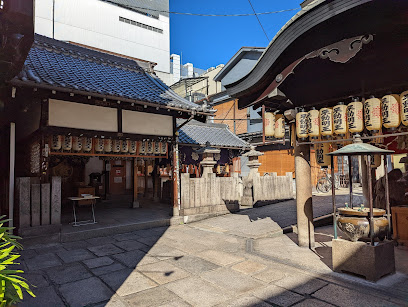
Hozen-ji Temple
542-0076
Intimate Buddhist temple along a quaint alley, with a moss-covered statue of the deity Fud...
Warabi Baitun Noor Cultural Center
Central
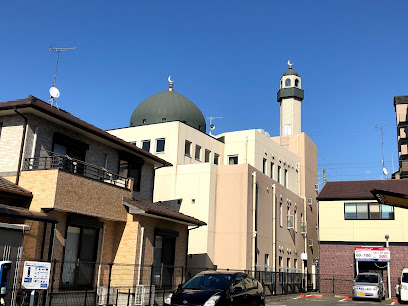
Fukuoka Masjid Al Nour Islamic Culture Center
812-0053
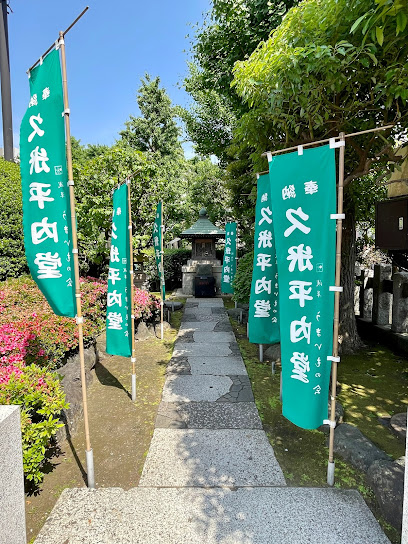
Kume no Heinai-dō
Tokyo 111-0032
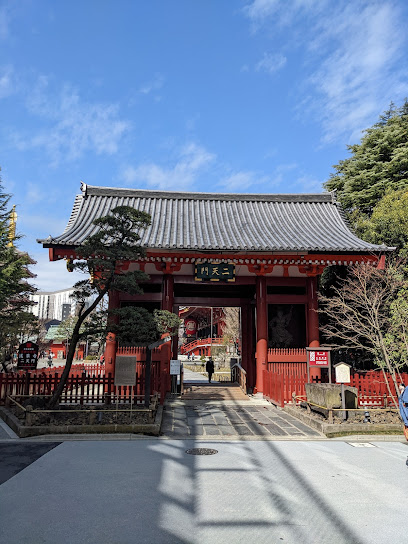
Nitenmon Gate
Tokyo 111-0032
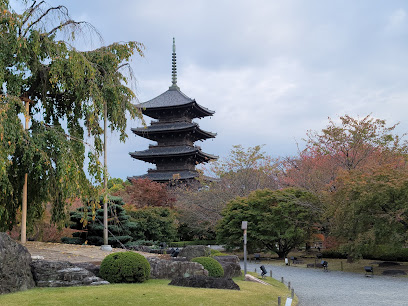
Tōji Temple
601-8473
Historic Buddhist temple with a 5-story wooden pagoda & sculptures of deities from the 8th...