

Shrines & temples
Japanese shrines
OSM directory
Explore Shinto shrines mapped from OpenStreetMap — filter by prefecture, city, or denomination. For curated travel listings, see featured landmark shrines below.
1,875 shrines
柏たなか病院の神社
柏たなか病院の神社
Ibaraki
Beratanaka Hospital Shrine, located in the heart of Ibaraki Prefecture, is a Shinto shrine dedicated to the kami responsible for protecting patients and healing. The shrine's history dates back to the Edo period, with its current structure believed to have been built during the late Heian era. Its unique architectural style blends traditional Japanese design with modern amenities.
両社稲荷神社
両社稲荷神社
Ibaraki
Located in the town of Hitachi, Ibaraki Prefecture, Two-Souling Inari Shrine is one of Japan's oldest Shinto shrines, with a history dating back to the 7th century. Dedicated to the god of rice and fertility, the shrine's name reflects its two main shrines: One-Hooded Inari and Two-Hooded Inari. The shrine complex features beautiful gardens, traditional Japanese architecture, and stunning autumn foliage. Visitors can explore the various paths leading to the shrines, offering a serene and spiritual experience.
神変大菩薩
神変大菩薩
Ibaraki
The Shinden-ji Shinmei Shrine in Ibaraki Prefecture is dedicated to the deity Baiten, a Buddhist Buddha associated with the region. While not traditionally a Shinto shrine, it has been maintained as a site of historical and cultural significance. Its name roughly translates to 'Great Buddha's Divine Majesty.' The shrine's design reflects traditional Japanese architecture, with a central hall surrounded by wooden pillars.
地蔵菩薩
地蔵菩薩
Ibaraki
Located in the heart of Japan's scenic coastal town, the Chozu-ji temple is dedicated to the revered Buddhist deity, Guanyin (also known as Kannon in Japanese). As one of the few Shinto shrines in Ibaraki Prefecture, this unique site honors both Shinto and Buddhist traditions. The shrine's architecture reflects a blend of Eastern and Western influences, with a distinctive pagoda-style structure that stands out among its surroundings.
三峯神社
三峯神社
Ibaraki
Located in the scenic town of Daigo, Ibaraki Prefecture, Sanmei-jinja Shrine is a Shinto temple dedicated to the storm god Susanoo-no-Mikoto and the sea goddess Okuninushi-no-Kami. The shrine's architecture reflects its historical significance, with a main hall dating back to the Edo period. Visitors can explore the tranquil gardens and enjoy the picturesque views of the surrounding mountains.
馬場子育稲荷大明神
馬場子育稲荷大明神
Ibaraki
Located in the town of Kamakura, Ibaraki Prefecture, Maraba Subiyodaiin Ryoshin is a Shinto shrine dedicated to the god of fertility and prosperity, Ryoshin. The shrine's architecture reflects its origins as a rural temple built during the Heian period, featuring traditional Japanese garden designs and a wooden torii gate. While it may not be as famous as some other shrines in Japan, Maraba Subiyodaiin Ryoshin remains an important local landmark and a testament to the region's rich cultural heritage.
飯塚氷川神社
飯塚氷川神社
Ibaraki
Futsuka-kuwa Shrine in Ibaraki Prefecture is dedicated to the Shinto god of water and agriculture, and is said to have been founded in the 7th century. The shrine's main hall is a classical example of a haiden style temple, featuring a tiled roof and a large vermillion torii gate. In summer, visitors can enjoy a festival honoring the shrine's patron deity, while in autumn, they can participate in a harvest festival to ensure good crops.
相馬神社
相馬神社
Ibaraki
Located in the city of Hitachino, Ibaraki Prefecture, Hitachino Shrine is a Shinto shrine dedicated to Kuniyamato no Okami, a kami associated with rice fields and agriculture. The shrine's name, 'Hitachino', refers to its proximity to the former Hitachi Province. In terms of architectural style, the shrine features a traditional Japanese-style temple (torii) entrance, flanked by shrines dedicated to Kuniyamato no Okami and other local deities. Visitors can see a unique torii gate adorned with paper lanterns and cherry blossoms during spring, which is said to be especially beautiful at night.
成田ゆめ牧場 福禄寿
成田ゆめ牧場 福禄寿
Ibaraki
Established in 1874, the Fuku-Rō-ju Shrine is a Shinto temple located in the town of Tomioka, Ibaraki Prefecture, dedicated to Fudo Myōo, a Buddhist deity revered in Japan as a guardian of the sea and a bringer of good fortune. The shrine's name, meaning 'Prosperity, Prudence, and Longevity,' reflects its historical role in protecting fishermen and maritime trade in the region.
星宮神社
星宮神社
Ibaraki
Star Shrine, located in Ibaraki Prefecture, is a Shinto shrine dedicated to the worship of the star deity, Hikoboshi. The shrine's architecture reflects traditional Japanese design, with a main hall, shrine halls, and a torii gate. Visitors can explore the shrine grounds, which include a forested area and a pond. According to legend, Hikoboshi is said to travel across the Milky Way River at night, accompanied by his beloved, Yuzurenagatsuma. The shrine's annual Star Festival (Tanabata) celebration is held in July, where visitors write wishes on tanzaku papers and hang them on bamboo stalks.
側高神社
側高神社
Ibaraki
Tosayama Shrine, located in the town of Toshima in Ibaraki Prefecture, is a Shinto shrine dedicated to the deity of the forest, trees, and nature. The shrine's name, 側高神社, roughly translates to 'the side of high god' or 'the high side of the god,' suggesting its connection to the natural world. Despite its age, with records dating back to 1456, very little is known about this shrine's history or significance.
須賀神社
須賀神社
Ibaraki
Located in the city of Hitachi, Ibaraki Prefecture, 須賀神社 is a Shinto shrine dedicated to the kami Ō-no-miya Tsukuyomi-gami, a major deity associated with the moon and fishing. The shrine's architecture reflects its Heian-period origins, with a simple yet elegant design that has been preserved over time. Visitors can explore the shrine's traditional torii gate, sacred ponds, and beautifully landscaped gardens. The shrine is also famous for its annual Moon Viewing Festival, which takes place in November.
冨士浅間神社
冨士浅間神社
Ibaraki
Fujisawa Shrine is a Shinto shrine dedicated to Fujisai, the kami of Mt. Fuji and its surrounding areas. Located in Ibaraki Prefecture, it is one of the oldest shrines in Japan, with records dating back to the 16th century. The shrine's architecture reflects traditional Japanese design, with a simple but elegant style characteristic of rural Shinto shrines. Visitors can experience the serene atmosphere of the shrine grounds, surrounded by nature and peaceful gardens.
八坂神社
八坂神社
Ibaraki
Located in the scenic town of Ibaraki, Eight Horseshoe Shrine is a lesser-known yet charming Shinto site dedicated to the kami Enma. This shrine's unique architecture and historical significance make it an intriguing destination for those seeking a glimpse into Japan's rich spiritual heritage.
大徳稲荷神社
大徳稲荷神社
Ibaraki
Located in the heart of Ibaraki Prefecture, Daiyokoyashiro Inari Shrine is a historic Shinto temple dedicated to the god of rice and fertility. The shrine is known for its stunning architecture and picturesque surroundings. As one of the oldest shrines in Japan, it has been an important cultural and spiritual center for centuries.
北向地蔵尊
北向地蔵尊
Ibaraki
Located in the city of Hitachino, Ibaraki Prefecture, North Direction Site Cavern Shrine honors Kofuku-no-Kami, a Shinto deity believed to have created Japan's capital city and protected its inhabitants. The shrine is famous for its unique architecture, featuring a large cavern with three distinct entrances. Visitors can explore the shrine's grounds, which include several other shrines dedicated to various regional deities.
地蔵菩薩立像
地蔵菩薩立像
Ibaraki
Located in the prefecture of Ibaraki, the Shrine of the seated Buddha (地蔵菩薩立像) is a Shinto shrine dedicated to the Buddhist deity Fudo Myo-o, who is revered as the founder of the Ibaraki region. The shrine's architecture reflects its historical roots in Buddhism, with a wooden hall housing a large stone statue of the seated Buddha. Despite being a Shinto shrine, it has strong connections to local folklore and traditions.
日枝社
日枝社
Ibaraki
Located in the city of Hitachi, Ibaraki Prefecture, Dayo Shrine is a Shinto shrine dedicated to the goddess of fertility and prosperity, and also enshrines the god of agriculture, Kamado-no-Oyamatsumi. The shrine's architecture reflects the typical style of Ibaraki Province, with a main hall featuring a thatched roof and wooden pillars. Visitors can observe the beautiful gardens and traditional Japanese landscaping surrounding the shrine.
乾徳稲荷神社
乾徳稲荷神社
Ibaraki
Located in the city of Hitachi, Ibaraki Prefecture, Kogan-Do-ko Inari Shrine is a Shinto shrine dedicated to Inari Okami, the kami of rice and fertility. The shrine's name 'Kogan-Do-ko' roughly translates to 'rice fields' or 'fields of abundance'. It is believed that the shrine was built to ensure a bountiful harvest and good fortune for farmers and fishermen in the region. Visitors can admire the shrine's traditional Japanese architecture, including a five-story pagoda, while exploring the surrounding rice paddies.
奥社
奥社
Ibaraki
The Ōsaka Shrine in Ibaraki Prefecture is a Shinto shrine dedicated to the kami of sake and wine production, specifically to the god of rice, Ōsaka, and his son, Kōtsū, as well as Inari, the patron deity of breweries. The shrine's architecture reflects its role in facilitating trade and commerce in the region. Founded during the Heian period, it has played a significant role in promoting the local industry.
四本木稲荷神社
四本木稲荷神社
Ibaraki
Fourmound Inari Shrine, located in the Ibaraki prefecture, is one of Japan's most ancient shrines, with a history dating back to the Heian period (794-1185 CE). The shrine's unique structure features four square-shaped temples aligned with the cardinal directions. According to local legend, the shrine was built by a local chieftain in order to appease his deities and ensure bountiful harvests. Today, the shrine remains an important cultural site in Japan, attracting visitors from all over the world.
建御雷神社
建御雷神社
Ibaraki
建御雷神社 is a Shinto shrine located in Ibaraki Prefecture, dedicated to the kami of lightning, protection, and good fortune. The shrine's architecture reflects its role as a guardian of the local community, with a distinctive rectangular tower resembling a giant lantern. Visitors can experience the shrine's unique charm by performing the traditional 'tsutsuji-miya' ritual at dawn or dusk, when the wind blows through the lantern-shaped roof.
鳩ヶ谷氷川神社
鳩ヶ谷氷川神社
Ibaraki
Located in the town of Kamakura, Ibaraki Prefecture, Hiraizumi River Shrine is dedicated to Tsukuyomi, one of the Shinto sun gods and brother of Amaterasu. The shrine's name refers to its location on a river with a bird's nesting site, 'Hiraka'. The shrine complex includes multiple shrines, including the main tsukiyomi shrine, as well as a shrine for the local Kami, 'Tobira no kami', which is revered by locals for protection of roads and paths.
東本郷氷川神社
東本郷氷川神社
Ibaraki
East Ibaraki's oldest Shinto shrine, dedicated to the god of rice and prosperity, is a must-visit destination in the town of Namie. The shrine's traditional architecture and serene gardens offer a peaceful escape from urban life. Visitors can explore the main hall, shrines, and museum to learn more about the history and significance of the shrine.
Curated shrine listings
Hand-picked shrines and temples from our landmark guide.
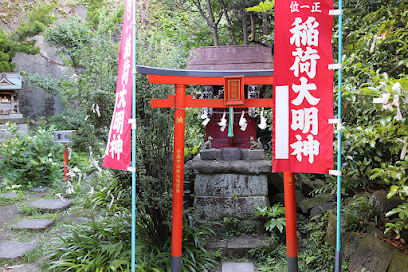
Otsuna Kompira Shrine
Kanagawa 221-0834
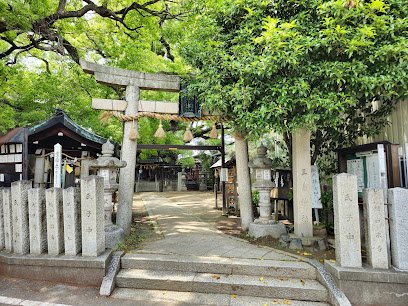
Mitsushima Shrine
Osaka 571-0015
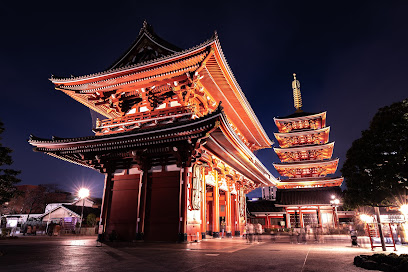
Sensō-ji
Tokyo 111-0032
Completed in 645, this temple, Tokyo's oldest, was built to honor Kannon, the goddess of m...
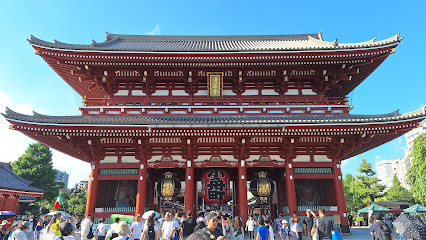
Kaminarimon
Tokyo 111-0032
A 3.9m-tall lantern greets visitors to this stately gate at the entrance to Sensō-ji templ...
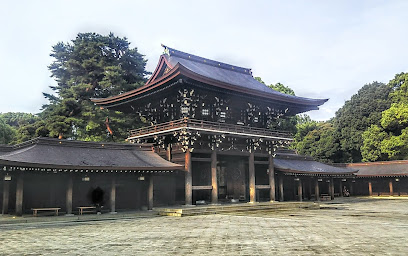
Meiji Jingu
Tokyo 151-8557
Surrounded by forest, this venerable Shinto shrine features a seasonal iris garden.

Kushida Shrine
812-0026
Founded in 757 CE, this urban site annually hosts the city's largest festival, Hakata Gion...