
Shrines & temples
Japanese shrines
OSM directory
Explore Shinto shrines mapped from OpenStreetMap — filter by prefecture, city, or denomination. For curated travel listings, see featured landmark shrines below.
44 shrines
稲荷神社
稲荷神社
山形県 · 酒田市本町
The Indra Shrine in Yamagata City, Yamagata Prefecture, is one of Japan's oldest Shinto shrines and a UNESCO World Heritage Site. Dedicated to the sun goddess Amaterasu, the shrine is also famous for its impressive architecture and beautiful gardens. The shrine was originally built during the Nara period (710-794 CE), but it has undergone numerous renovations over the centuries. Today, visitors can experience the serene atmosphere of the shrine's main hall, the honden, surrounded by lush greenery and vibrant cherry blossoms in spring.
稲荷神社
稲荷神社
山形県 · 酒田市
Indra Shrine in Yamagata Prefecture is dedicated to the Shinto god Indra, known for his control over storms and fertility. This shrine, located in Yuzawa, Fukushima Prefecture, was originally built during the Heian period (794-1185) but has been relocated three times due to natural disasters. The current structure dates back to 1653 and is notable for its impressive vermilion torii gate.
皇大神社
皇大神社
山形県 · 酒田市日吉町2丁目24-8
Located in the city of Daito, Yamagata prefecture, Ryōgū-jinja Shrine is a Shinto shrine dedicated to the legendary goddess Ryūgū, also known as Ryūgū-jin or Takemikazuchi. The shrine is famous for its striking architecture and beautiful gardens. Ryōgū-jinja Shrine has played an important role in local history and culture, particularly during the Edo period. Visitors can explore the shrine's main hall, which features a beautiful wooden torii gate, as well as its peaceful garden with stunning views of Mt. Zao.
八幡社
八幡社
山形県 · 酒田市
Located in the heart of Akita Prefecture, Eighteen Hands Shrine is dedicated to the Shinto kami of wind and storms. The shrine's name 'Hachimantai' roughly translates to 'Eighteen Arms' which refers to the eight provinces of Japan that were destroyed by a massive typhoon in 1297. The current shrine was rebuilt in 1638, during the Edo period. As one of the many Hachiman shrines throughout Japan, this shrine honors the deity who is often invoked for protection and good luck.
浅間神社
浅間神社
山形県 · 酒田市
Tama Shinden-ji is a Shinto shrine located in Iwate Prefecture, Japan, dedicated to the deities of the sea and rice. The shrine is also known as Tama no Okami Shrine, honoring the goddess of the deep sea and the god of the land. Visitors can pray for good fortune and prosperity in their lives.
下日枝神社本堂
下日枝神社本堂
山形県 · 酒田市
Located in the heart of Yamagata Prefecture, 下日枝神社本堂 is a historic Shinto shrine dedicated to the kami, Fujimata no Mikoto. Dating back to the 16th century, the shrine boasts a traditional architectural style reminiscent of the Kamakura period. Visitors can explore the serene gardens and tranquil grounds, adorned with sacred trees and beautifully crafted wooden structures.
古峯神社
古峯神社
山形県 · 酒田市
Located in the city of Zao, Yamagata Prefecture, Ancient Crest Shrine is a Shinto shrine dedicated to the deity Ryūgū Jinmu, also known as the 'Ancient Crest God'. The shrine is renowned for its beautiful architecture and stunning natural surroundings, featuring towering mountains and scenic hiking trails. Visitors can experience the serene atmosphere of this ancient shrine while taking in breathtaking views of the Japanese Alps.
招魂祭殿
招魂祭殿
山形県 · 酒田市
The Zakuro-sa Shrine in Yuzawa, Sakata City, Fukushima Prefecture is believed to have originated during the Heian period (794-1185 CE). The shrine's name Zakuro translates to 'spirit summoning hall'. It enshrines several kami including Zakuro no Kami and Fujin. Visitors can explore traditional Japanese architecture, shrines grounds, and the surrounding scenic area.
天満宮
天満宮
山形県 · 酒田市中町
Tennan-mya, or Heaven's Abundance Shrine, is a Shinto shrine located in the heart of Yuzawa-cho, a small district within the city of Yuzawa in Yamagata Prefecture. The shrine is dedicated to the kami of rice and fertility, reflecting the region's historical reliance on agriculture. As one of the oldest shrines in the area, Tennan-mya has maintained its traditional architecture and spiritual practices. Visitors can experience the serene atmosphere of the shrine grounds, adorned with beautiful autumn foliage.
薬師神社
薬師神社
山形県 · 酒田市二番町
The藥師神社, located in 酒田市, is a Shinto shrine dedicated to the kami of medicine and healing. The shrine is situated near the Ibari River, which was believed to have healing properties by the ancient inhabitants of the region. Visitors can explore the traditional Japanese architecture and grounds, including a tranquil garden and a museum showcasing local medical history.
愛宕神社
愛宕神社
山形県 · 酒田市二番町
愛宕神社 is a Shinto shrine located in the heart of 酒田市's historic district, in the prefecture of 山形県. Dedicated to the deity Inari Okami, who is revered as the patron of rice fields and fertility, this shrine is one of the most iconic landmarks in the region. Its architecture reflects traditional Japanese styles, with a main hall built during the Edo period (17th-19th centuries).
愛染稲荷神社
愛染稲荷神社
山形県 · 鶴岡市
愛染稲荷神社 is a Shinto shrine located in鶴岡市,山形県. The shrine is dedicated to the kami of love and fertility, often associated with the Japanese rice goddess Inari Okami. Founded during the Edo period (17th century), the shrine has undergone several renovations, resulting in its current architectural style, which combines traditional and modern elements.
瀧山神社
瀧山神社
山形県 · 山形市
Located in the heart of Yamagata city, Tsukiyama Shrine is a Shinto sanctuary dedicated to the deity of fertility and prosperity. The shrine's name, 'Tsukiyama,' literally means 'moon mountain,' reflecting its majestic surroundings. Founded during the Heian period (794-1185 CE), the shrine has undergone significant transformations, with its current architecture showcasing influences from the Kamakura and Edo periods.
薬師神社
薬師神社
山形県 · 山形市
Kobushi no Mikasa Shrine, located in Yamagata City, is a Shinto shrine dedicated to the deity Mikasa-no-Kami, who is believed to have brought medicinal plants and herbs from the mountains to the town. The shrine's history dates back to the Edo period, during which it was an important stopover for travelers on the Nakasendō, one of the five major routes connecting Tokyo to Kyoto. Today, visitors can explore the shrine's traditional architecture and experience its rich cultural heritage.
日枝神社
日枝神社
山形県 · 遊佐町宮田堂地110番地
Dayrei Jinsha is a Shinto shrine located in Miyatandou, Yuzawa-cho, in the town of Yuza in Yamagata Prefecture. As one of the oldest shrines in the region, it has played an important role in local history and culture for centuries. The shrine is dedicated to the kami Enmei Okami, a deity associated with prosperity and good fortune.
Hot Spring Temple
温泉神社
山形県 · 鶴岡市
Located in the heart of Yamagata Prefecture, Hot Spring Temple is a Shinto shrine dedicated to the worship of local deities believed to be connected to the region's natural hot springs. The shrine's architecture reflects traditional Japanese styles, with a main hall constructed from cedar wood and tiled roofs. A tranquil atmosphere pervades the temple grounds, inviting visitors to relax and rejuvenate in harmony with nature.
Kotai Shrine
皇大神社
山形県 · 鶴岡市
Kotai Shrine, located in Yamagata Prefecture's Oshu region, is dedicated to the imperial deity Kotae no Okami. The shrine is renowned for its unique architectural style, which blends elements of Japanese and Chinese design. Founded during the Heian period (794-1185 CE), it has played a significant role in regional Shinto practices and cultural events. Visitors can experience traditional rituals and ceremonies while exploring the shrine's tranquil grounds.
Kumano Shrine
熊野神社
山形県 · 鶴岡市
Located in Shitennō-ji Temple's complex, the Kumano Shrine is one of Japan's most sacred Shinto shrines, honoring the deities of the Kumano region known as Sanzan. The shrine was originally built in the Heian period (794-1185 CE) and has since undergone numerous renovations and expansions, with its current structure dating back to the Edo period (1603-1867 CE). As a major pilgrimage site for Shugendo monks and devotees of Kumano-san, the shrine offers a glimpse into the rich history and culture of Japan's eastern regions.
Rokusho Temple
六所神社
山形県 · 鶴岡市
Rokusho Temple is a Shinto shrine located in Yamagata Prefecture, dedicated to the protection of travelers and the prevention of accidents. The shrine's name, Rokusho, literally translates to 'six places' or 'six roads,' suggesting its importance as a guardian of journey's end. The temple's architecture reflects the region's unique cultural heritage, with a distinctive red-tiled roof and ornate wooden carvings.
Sanno Hie Shire
山王日枝神社
山形県 · 鶴岡市
Located in the heart of Yamagata Prefecture, Sanno Hie Shrine is a revered Shinto shrine dedicated to the god of mountains and fertility, Sanno Hie no Kami. The shrine's name, 'Hie,' refers to the sacred mountain that the deity is believed to reside on. As one of Japan's oldest shrines, Sanno Hie Shrine has been an important spiritual center for local communities for centuries.
Curated shrine listings
Hand-picked shrines and temples from our landmark guide.
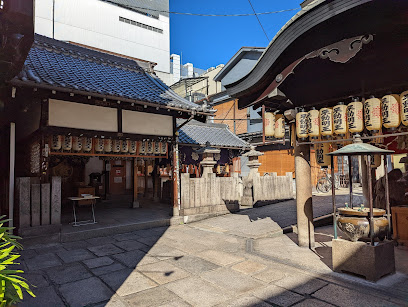
Hozen-ji Temple
542-0076
Intimate Buddhist temple along a quaint alley, with a moss-covered statue of the deity Fud...
Warabi Baitun Noor Cultural Center
Central
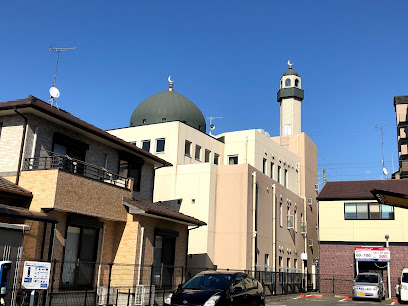
Fukuoka Masjid Al Nour Islamic Culture Center
812-0053
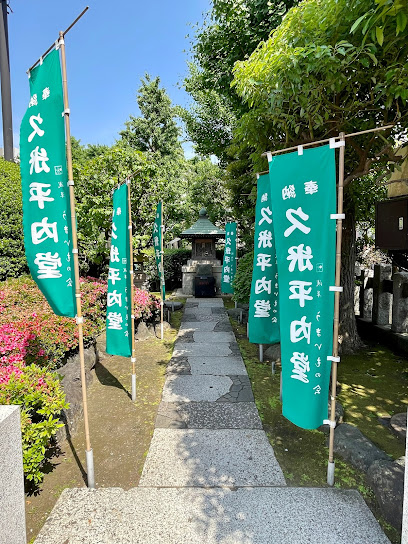
Kume no Heinai-dō
Tokyo 111-0032
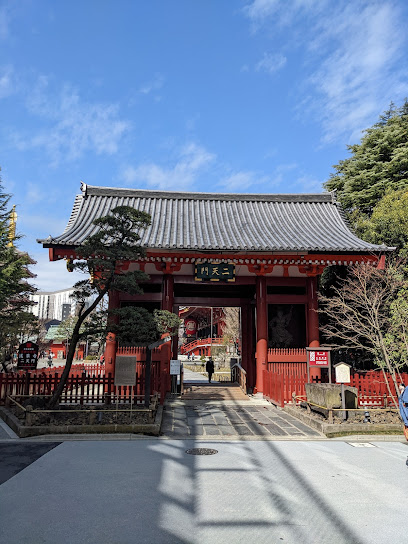
Nitenmon Gate
Tokyo 111-0032
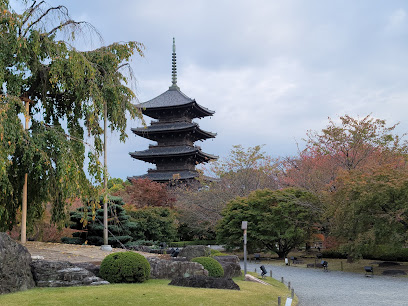
Tōji Temple
601-8473
Historic Buddhist temple with a 5-story wooden pagoda & sculptures of deities from the 8th...