
Shrines & temples
Japanese shrines
OSM directory
Explore Shinto shrines mapped from OpenStreetMap — filter by prefecture, city, or denomination. For curated travel listings, see featured landmark shrines below.
372 shrines
Haraigawa Shrine
祓川神社
Yamagata
Haraigawa Shrine, located in the heart of Yamagata Prefecture, is a revered Shinto site that honors the spirits of the Hara River and its surrounding landscape. The shrine's architecture reflects the traditional Japanese style, with a distinctive roof shape and wooden structures that have stood the test of time. Visitors can experience the serene atmosphere and rich history of this shrine by walking through its peaceful gardens and observing the changing seasons.
Hayama-jinja Shrine
葉山神社
Yamagata
Hayama-jinja Shrine, located in the scenic Yamagata Prefecture, is a serene Shinto temple dedicated to the kami of the Hayama region. The shrine's architecture reflects traditional Japanese design, with a main hall and several smaller shrines. While the primary deity enshrined here is not well-documented, local legend suggests it may be related to the regional yamaba-tsuchi kami, associated with rice fields and agriculture.
Inari Shrine
稲荷神社
Yamagata
Inari Shrine, located in the heart of Yamagata Prefecture, is one of Japan's most famous and revered Shinto shrines. Dedicated to the Shinto deity Inari Okami, who is often depicted with a fox, this shrine is renowned for its stunning architecture, vibrant torii gates, and lively festivals. Visitors can explore the shrine's labyrinthine corridors, adorned with thousands of vermilion lanterns, and observe the sacred rituals performed by priestesses at the main shrine.
Kagoyamainari-jinja Shrine
賀篭山稲荷神社
Yamagata
Located in the heart of Yamagata, Kagoyamainari-jinja Shrine is a historic Shinto site dedicated to the worship of Inari Okami, the kami associated with rice, agriculture, and fertility. The shrine's name 'Kagoyama' translates to 'rice paddy field' in English, reflecting its historical significance as a major agricultural center. With a history dating back over 500 years, this shrine has played an essential role in the local community, particularly during the Edo period.
Kinpō Shrine
金峯神社
Yamagata
Kinpō Shrine is a Shinto shrine located in the mountains of Yamagata Prefecture, Japan. Dedicated to the kami of the mountain peak Kinpō, the shrine is renowned for its breathtaking views and sacred springs. The shrine's architecture reflects the traditional style of Japanese temples, with a distinctive five-story pagoda and intricately carved wooden doors. Visitors can enjoy the shrine's serene atmosphere, take in the stunning views, and purify themselves at the sacred spring.
Reisha
霊社
Yamagata
Located in the mountains of Yamagata Prefecture, Reisha Shrine is a serene Shinto sanctuary dedicated to the worship of the Tsukunami-no-Kami, a deity revered by fishermen and those affected by tsunamis. The shrine's architecture reflects its mountainous surroundings, with a main hall constructed from local cedar wood and a unique torii gate made from a single cedar trunk. Visitors can enjoy the peaceful atmosphere and stunning views of the surrounding mountains.
Sanshin Gosaiden
出羽三山神社(三神合祭殿)
Yamagata
Sanshin Gosaiden is a Shinto shrine dedicated to the three gods of the Japanese Alps, Sanzan. Located in Yamagata Prefecture, the shrine is known for its unique architecture and rich cultural heritage. The shrine complex features a large hall called the 'Sanzen no Ma,' which serves as a grand hall for ceremonies and rituals. The site also boasts beautiful natural scenery, with the surrounding mountains offering stunning views.
Sugio Jinja
椙尾神社
Yamagata
Located in the heart of Yamagata Prefecture, Sugio Jinja Shrine is a revered Shinto site dedicated to the kami Sugio-no-kami, an ancient deity believed to protect travelers and traders. The shrine's architecture reflects traditional Japanese styles, with a wooden torii gate and tiled roof. Visitors can explore the shrine grounds, which feature several historic structures and a tranquil natural setting.
Toshoji
東昌寺
Yamagata
Toshoji Shrine is a historic Shinto temple located in the heart of Yamagata City, dedicated to the worship of the god of learning and culture, Ōno Imahashi-Okami. The shrine's name, Toshoji, literally means 'Temple of Learning'. With its unique architectural style blending Japanese and Chinese influences, Toshoji is a must-visit destination for anyone interested in exploring Yamagata's rich cultural heritage. The shrine's beautiful gardens and tranquil atmosphere make it an ideal spot to relax and unwind.
Uesugi Shrine
上杉神社
Yamagata
Uesugi Shrine, located in Yamagata Prefecture, is dedicated to the deified spirits of the Uesugi clan, prominent daimyos who played a significant role in Japanese history. The shrine's primary deity is Kosumo no Kami, also known as Kosunomaru, and is enshrined along with several other kami. The shrine's architecture reflects its historical significance, featuring traditional Japanese-style buildings, including the haiden and honden. Visitors can experience the shrine's tranquil atmosphere and cultural heritage by participating in traditional rituals and ceremonies, such as the autumn leaf viewing event.
Yoshimamesauri Temple
由豆佐売神社
Yamagata
Yoshimamesauri Temple, located in the Yamagata Prefecture, is a Shinto shrine dedicated to the kami of the same name. The temple's history dates back to the Heian period, making it one of the oldest shrines in the region. With its traditional architecture and serene surroundings, Yoshimamesauri Temple offers a tranquil oasis for visitors seeking connection with nature and the divine.
Yudonosan Main Shrine
湯殿山神社本宮 御神体(御本尊)
Yamagata
Yudonosan Main Shrine is a Shinto shrine located in the town of Yuzawa, Yamagata Prefecture, renowned for its ancient beauty and historical significance. The shrine is dedicated to the kami of Mount Yudono, one of Japan's three sacred mountains, and is known for its impressive architecture and stunning natural surroundings. Visitors can explore the shrine's traditional buildings, including the main hall and the torii gate, while taking in the picturesque views of the surrounding mountains.
Curated shrine listings
Hand-picked shrines and temples from our landmark guide.
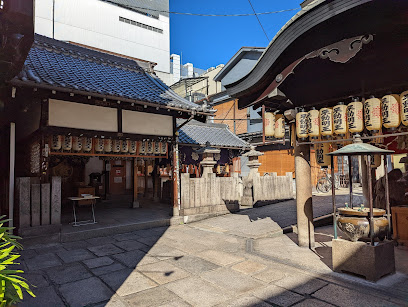
Hozen-ji Temple
542-0076
Intimate Buddhist temple along a quaint alley, with a moss-covered statue of the deity Fud...
Warabi Baitun Noor Cultural Center
Central
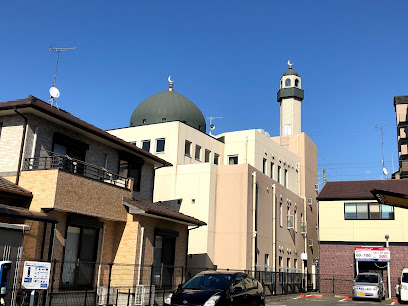
Fukuoka Masjid Al Nour Islamic Culture Center
812-0053
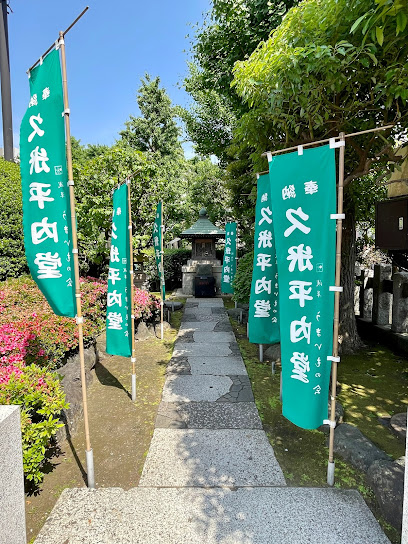
Kume no Heinai-dō
Tokyo 111-0032
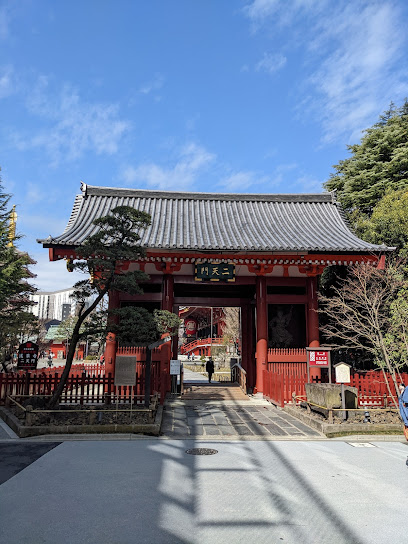
Nitenmon Gate
Tokyo 111-0032
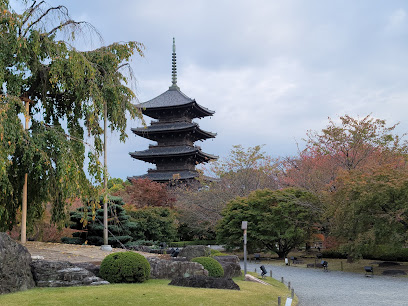
Tōji Temple
601-8473
Historic Buddhist temple with a 5-story wooden pagoda & sculptures of deities from the 8th...