

Shrines & temples
Japanese shrines
OSM directory
Explore Shinto shrines mapped from OpenStreetMap — filter by prefecture, city, or denomination. For curated travel listings, see featured landmark shrines below.
661 shrines
Gozu Tenno Shrine
牛頭天王
Kochi
A shrine dedicated to Gozu Tenno, a syncretic deity combining Buddhist and Shinto elements who became associated with Susanoo-no-Mikoto in Japanese religious tradition. Gozu Tenno is particularly revered as a protector against disease and pestilence.
Gunzu Shrine
郡頭神社
Kochi
A Shinto shrine located in Kochi Prefecture that serves as a local spiritual center for the surrounding community. The shrine maintains traditional architectural elements and hosts seasonal festivals that reflect the agricultural heritage of the region.
Gyozan Shrine
行山神社
Kochi
Hachiman Shrine
八幡神社
Kochi
Hachiman Shrine
八幡神社
Kochi
A Hachiman shrine in Kochi Prefecture dedicated to the syncretic Shinto-Buddhist deity Hachiman, revered as a protector deity and god of war. Hachiman shrines are among the most common in Japan, typically enshrining the deified Emperor Ojin along with his mother Empress Jingu and the goddess Hime-gami.
Hachiman Shrine
八幡宮
Kochi
A Hachiman shrine in Kochi Prefecture dedicated to the deified Emperor Ojin and associated with divine protection, military prowess, and national defense. Hachiman shrines are among the most numerous in Japan, serving as important centers of worship for both samurai and common people throughout history.
Hachiman Shrine
八幡神社
Kochi
A Hachiman shrine in Kochi Prefecture dedicated to the deified Emperor Ojin, revered as the god of war, culture, and divine protection. Hachiman shrines are among the most numerous in Japan, serving local communities as centers of worship and cultural activities.
Hachiman Shrine
八幡神社
Kochi
Hachiman Shrine
八幡神社
Kochi
A Hachiman shrine in Kochi Prefecture dedicated to the worship of Hachiman, the Shinto god of war, culture, and divine protection. Hachiman shrines are among the most numerous in Japan, serving local communities as centers of spiritual protection and cultural preservation.
Hachiman Shrine
八幡神社
Kochi
A Hachiman shrine located in Kochi Prefecture dedicated to the deified Emperor Ojin. Hachiman shrines are among the most common types of Shinto shrines throughout Japan, traditionally associated with divine protection, particularly for warriors and the nation.
Hachimangu Shrine
八幡宮
Kochi
A Hachiman shrine in Kochi Prefecture dedicated to the deified Emperor Ojin, revered as the god of war, culture, and divine protection. Hachiman shrines are among the most numerous in Japan, serving as important centers for community worship and cultural preservation.
Hachimangu Shrine
八幡宮
Kochi
Hachimanguu Daijin Shrine
八幡宮大神
Kochi
A Hachiman shrine in Kochi Prefecture dedicated to the deified Emperor Ojin, revered as a deity of war, culture, and divine protection. Hachiman shrines are among the most numerous in Japan, serving local communities as centers of worship and cultural activity.
Hachioji Shrine
八王子宮
Kochi
Hachioji Shrine is a Hachiman shrine located in Kochi Prefecture that venerates Hachiman, the Shinto deity of war, culture, and divine protection. The name 'Hachioji' refers to the eight princes associated with Hachiman worship, reflecting the shrine's connection to this important martial deity tradition.
Hachisho Kawachi Shrine
八所河内神社
Kochi
A Shinto shrine located in Kochi Prefecture, known locally as Hachisho Kawachi Shrine. The name suggests it may have historical connections to multiple deities or sacred locations, as 'hachisho' refers to eight places or shrines.
Haidaka Shrine
拝高神社
Kochi
A local Shinto shrine located in Kochi Prefecture, serving the spiritual needs of the surrounding community through traditional worship and seasonal festivals.
Hakuo Shrine
白王神社
Kochi
A local Shinto shrine in Kochi Prefecture dedicated to regional protective deities. The name Hakuo, meaning 'White King,' suggests a connection to protective spiritual forces or local legendary figures.
Hakuo Shrine
白王神社
Kochi
Hakuo Shrine is a local Shinto shrine located in Kochi Prefecture. The name Hakuo, meaning 'White King,' suggests the shrine may be dedicated to a powerful local protective deity or spirit associated with purity and authority in the regional folklore.
Hakuo Shrine
白王神社
Kochi
A Shinto shrine located in Kochi Prefecture, dedicated to local kami and serving the spiritual needs of the surrounding community.
Hakusan Shrine
白山神社
Kochi
Hakusan Shrine is a Shinto shrine in Kochi Prefecture dedicated to Shirayama-hime-no-mikoto, the principal deity of Mount Hakusan. As part of the extensive Hakusan shrine network throughout Japan, it serves the local community while maintaining connections to the sacred mountain tradition that originated in Ishikawa Prefecture.
Hakusan Shrine
白山神社
Kochi
A Hakusan shrine in Kochi Prefecture dedicated to the mountain deity Shirayamahime-no-Mikoto. Hakusan shrines form a network of sacred sites throughout Japan connected to the worship of Mount Hakusan, one of Japan's three sacred mountains. The shrine serves the local community while maintaining the spiritual traditions associated with mountain worship and purification.
Hakusan Shrine
白山神社
Kochi
A Hakusan shrine in Kochi Prefecture dedicated to the mountain deity Shirayama-hime-no-Mikoto. Hakusan shrines form a network of sacred sites connected to Mount Hakusan, one of Japan's three sacred mountains, and are known for their association with purification, agriculture, and protection from natural disasters.
Hamabe Shrine
浜辺神社
Kochi
A coastal shrine in Kochi Prefecture dedicated to maritime safety and fishing prosperity. The shrine serves the local fishing community and visitors seeking protection during sea voyages.
Hata Shrine
秦神社
Kochi
Hata Shrine is a Shinto shrine in Kochi Prefecture dedicated to Emperor Ojin as Hachiman, the deity of war and culture. The shrine serves the local community and maintains traditional Shinto practices in the region.
Curated shrine listings
Hand-picked shrines and temples from our landmark guide.
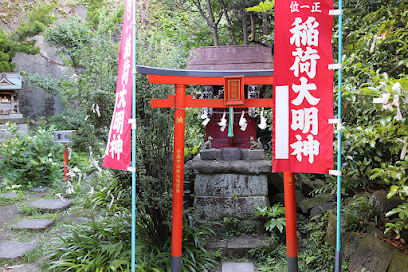
Otsuna Kompira Shrine
Kanagawa 221-0834
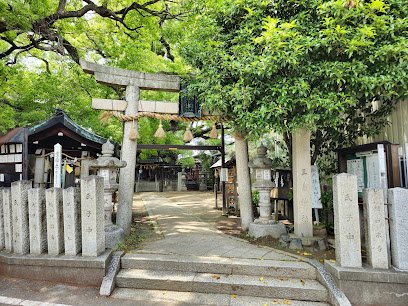
Mitsushima Shrine
Osaka 571-0015
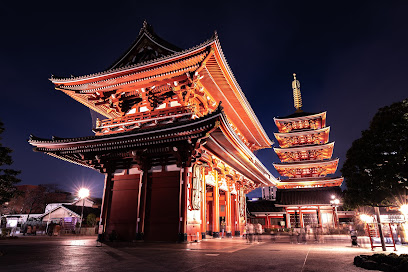
Sensō-ji
Tokyo 111-0032
Completed in 645, this temple, Tokyo's oldest, was built to honor Kannon, the goddess of m...
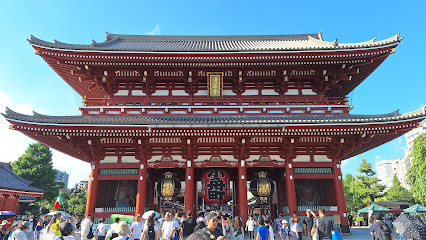
Kaminarimon
Tokyo 111-0032
A 3.9m-tall lantern greets visitors to this stately gate at the entrance to Sensō-ji templ...
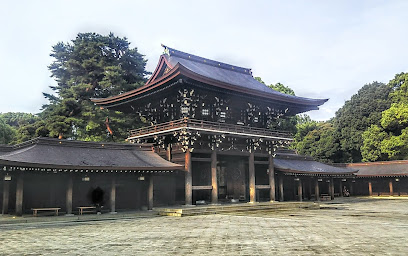
Meiji Jingu
Tokyo 151-8557
Surrounded by forest, this venerable Shinto shrine features a seasonal iris garden.

Kushida Shrine
812-0026
Founded in 757 CE, this urban site annually hosts the city's largest festival, Hakata Gion...