

Shrines & temples
Japanese shrines
OSM directory
Explore Shinto shrines mapped from OpenStreetMap — filter by prefecture, city, or denomination. For curated travel listings, see featured landmark shrines below.
756 shrines
新屋神社遥拝所
新屋神社遥拝所
Kyoto
New House Shrine is a Shinto shrine in Kyoto dedicated to the god of fertility and prosperity, Ryujin. The shrine's main hall was built during the Kamakura period (1185-1333), while the five-story pagoda was constructed in the Heian period (794-1185). Visitors can admire traditional architecture and scenic gardens.
垂箕山大明神
垂箕山大明神
Kyoto
Located in the Toshodai-ji temple precincts of Kyoto,垂箕山大明神 Shrine is dedicated to the kami of literature and poetry. The shrine's name refers to a legendary poet named Sadatoshi who was said to have lived on the mountain. As one of the few remaining shrines in Japan that enshrine a single deity, 大明神 (Taishōgun) is believed to be the protector of scholars and poets.
三島鴨神社
三島鴨神社
Kyoto
Located on the scenic island of Shikoku in western Japan, Mikasa Bird Shrine is a serene Shinto sanctuary dedicated to Mikasa, the enshrined bird deity. As one of the oldest shrines in Kyoto Prefecture, it has witnessed centuries of tranquility and growth. The shrine's architecture reflects traditional Heian-style design, with carefully crafted wooden beams and tranquil gardens. Visitors can enjoy peaceful strolls around the grounds, admiring the vibrant foliage and serene atmosphere.
天満宮
天満宮
Kyoto
Tennmangu Shrine, located in Kyoto's Nishikijo district, is a renowned Shinto shrine dedicated to the god of learning and culture, Sugawara no Michizane. As one of Japan's most famous shrines, Tennmangu has been an important site for scholars and intellectuals since its founding in 747. Its beautiful architecture and serene gardens make it a must-visit destination for anyone interested in Japanese history and culture.
田中稲荷大明神
田中稲荷大明神
Kyoto
Located in the heart of Kyoto, the Shrine of Takamatsu Inari Taishikan is a revered Shinto site dedicated to the god of rice and fertility, Inari Okami. The shrine's architecture reflects its role as a major transportation hub during the Edo period, with two gates representing the entrance and exit of merchants' caravans.
ムクノキ大明神
ムクノキ大明神
Kyoto
Mukonoki Taishaso, a Shinto shrine in Kyoto, is dedicated to the god of wisdom and prosperity, Mukonoki no Kami. The shrine's architecture reflects the traditional Japanese style, with a hexagonal main hall and several smaller shrines. According to legend, Mukonoki was the son of the sun goddess Amaterasu and played a significant role in the mythology of the Heian period. Today, visitors can explore the shrine grounds, which include a beautiful garden and a museum showcasing traditional Japanese art and artifacts.
上桂御霊神社
上桂御霊神社
Kyoto
Above the entrance of the shrine lies a large cedar tree, symbolizing longevity and strength. Inside the shrine, visitors can see the main shrine hall with a vermilion torii gate, while a small hall dedicated to Osumi Okami serves as a secondary shrine. In the grounds surrounding the shrine is a large plum tree said to have been planted during the Edo period by Hachiman Okami, a Shinto deity revered for protecting travelers and warriors.
鴨神社
鴨神社
Kyoto
The 鴨神社, located in Kyoto Prefecture, is a revered Shinto shrine dedicated to the enshrined kami of Tsurugi-yama no Okami, an ancient deity associated with the myth of the legendary bird, Ryūgū. The shrine's architecture reflects traditional Japanese design, featuring a majestic torii gate and a serene garden. Visitors can experience the tranquil atmosphere of this historic site, which has been an important cultural center for centuries.
安川神社
安川神社
Kyoto
Anakawa Shrine is a Shinto shrine dedicated to Inari Okami, located in the heart of Kyoto. The shrine's architecture reflects the traditional Japanese style, with a vermilion torii gate and a rectangular shrine hall. According to local legend, the shrine was founded by Emperor Kanmu in 787 CE.
女九神社
女九神社
Kyoto
Kujikami Shrine in Kyoto is dedicated to the Kujaku-no-kami, a benevolent spirit from Buddhist mythology who serves as an intermediary between humans and the gods. Built during the Edo period (1603-1868), the shrine's current structure reflects the traditional Japanese architectural style of ryokan-zukuri, with a main hall featuring sliding doors made of cypress wood. The shrine is famous for its beautiful garden and tranquil atmosphere, making it a popular destination for locals and tourists alike.
八坂神社
八坂神社
Kyoto
Located in the heart of Kyoto, Eighty-eight Staircases Shrine is a Shinto temple dedicated to Fudo Myoo, a powerful Buddhist deity often associated with Shinto shrines. The shrine's architecture reflects its unique blend of Japanese and Chinese influences. Visitors can walk up the iconic eighty-eight wooden staircases, which symbolize the eightfold path, offering breathtaking views of Kyoto's cityscape.
闘鶏野神社
闘鶏野神社
Kyoto
Dōbutsuenji Shrine is a Shinto shrine located in Ukyo-ku, Kyoto. Dedicated to the kami Dōbutsu no Kami, it is believed to have been established during the Heian period (794-1185 CE). The shrine's architecture and art are characterized by its elegant simplicity, reflecting the classic style of Japanese temples from this era.
八幡大神宮
八幡大神宮
Kyoto
Located in Kyoto, Eight Horses Temple Shrine (Hachi-ju-no-ma) is an ancient Shinto shrine dedicated to a powerful deity known as Yata no Karu, the god of good fortune and prosperity, as well as the eight mythical horse spirits. The shrine complex boasts a unique architectural style with multiple courtyards, gates, and halls, showcasing the region's rich cultural heritage.
水天宮
水天宮
Kyoto
Water and Heaven Temple, a Shinto shrine located in the heart of Kyoto Prefecture, is dedicated to the worship of the kami Ryujin, the dragon god of water and storms. The temple's architecture reflects its history as a sacred site, with wooden structures dating back to the Heian period (794-1185 CE). Visitors can explore the shrine's serene gardens, adorned with lotus flowers and other aquatic plants, which are said to bring good fortune and prosperity.
水天宮遥拝所
水天宮遥拝所
Kyoto
Located in the heart of Kyoto, Waterfall Temple Hall Shrine is a serene oasis dedicated to the Shinto deity Susanoo-no-Mikoto, known as 'the great stormer'. The shrine's tranquil grounds feature a stunning waterfall, which is said to have been created by Susanoo-no-Mikoto himself. Visitors can walk along the winding path that surrounds the temple and enjoy the natural beauty of the surrounding area.
白山神社
白山神社
Kyoto
White Mountain Shrine, located in the heart of Kyoto, is a Shinto temple dedicated to the god of Mt. White, the highest peak in Japan's Arashiyama region. The shrine was founded during the Heian period (794-1185 CE) and has undergone several transformations throughout its history. The current main hall was built in the 17th century, with an impressive wooden structure that reflects traditional Japanese architecture.
素盞嗚尊神社
素盞嗚尊神社
Kyoto
Located in the Kiyomizu-dera complex, Sōbō-no-jinjja Shinto shrine is dedicated to the deity of a small stream running through the area. The shrine's architecture reflects its connection to the natural surroundings and the local kami. Visitors can admire the serene garden and take in the stunning views of Kyoto.
楠水龍王之地
楠水龍王之地
Kyoto
Nanazono Shrine is a Shinto shrine dedicated to the water deity Ryujin, located in the heart of Kyoto's Nanzen-ji Temple complex. The shrine's name, Nanazono, translates to 'Castle Water,' reflecting its historical connection to the temple's origins as a castle's moat. Visitors can explore the shrine's peaceful gardens and traditional architecture while experiencing the serene atmosphere of this revered Shinto site.
春日神社御旅所
春日神社御旅所
Kyoto
Spring Day Shrine, located in Kyoto Prefecture, is a Shinto shrine dedicated to the god of spring and new beginnings. The shrine's name, 'Karyūjinsha', translates to 'Traveler's Rest' or 'Inn for Travelers'. This reflects its historical role as a stopping point for travelers on their way to the nearby Kinkaku-ji Temple. The shrine is known for its beautiful garden, which features several stone lanterns and a tranquil pond.
岩本神社
岩本神社
Kyoto
Kurama Shrine is a Shinto shrine located in the Kurama district of Kyoto, dedicated to the deity Susanoo-no-Mikoto and the god of agriculture, Inari Okami. The shrine's architecture reflects the traditional Japanese style, with a majestic torii gate and a serene garden. The shrine's historic significance dates back to 725 CE, when it was established as a temple during the Nara period. Over time, the shrine has evolved into its current form, influenced by Heian and Kamakura architectural styles.
産霊神社
産霊神社
Kyoto
Sango Taisha Shrine is dedicated to the kami of soil and plants, playing a crucial role in agricultural prosperity in the region. Located in Kyoto, it has been an important site for centuries, particularly during the Heian period. The shrine's architecture reflects the local style, with traditional buildings and gardens that showcase its significance in Shintoism.
御出石神社
御出石神社
Kyoto
Located in the heart of Kyoto, Ōkuri Iwai Jinsha is a Shinto shrine dedicated to Okuribi no kami, a god associated with the spirit of the mountains and the protection of travelers. The shrine's history dates back to the Heian period (794-1185 CE), when it was a humble torii gate erected along the ancient route connecting Kyoto to Nara. Over time, the shrine has evolved into its current form, featuring a distinctive five-story pagoda and an elegant stone lantern.
若一王子神社
若一王子神社
Kyoto
Located in the heart of Kyoto, Ifukuji Shrine is a Shinto shrine dedicated to the god Hachiman, known as the patron deity of the samurai class. The shrine's origins date back to the 7th century, during the Nara period, and has since become one of Kyoto's most famous landmarks. Visitors can explore the beautiful gardens, tranquil ponds, and historic structures, including the iconic five-story pagoda.
稲荷大神
稲荷大神
Kyoto
The Inari Okunoin Shrine in Kyoto is dedicated to the Shinto kami of rice, agriculture, and industry. This complex shrine system, consisting of thousands of shrines throughout Japan, is said to be the largest network of Shinto shrines in the world. The shrine's architecture and decor reflect its connection to the kami, with intricately carved wooden gates and a vibrant vermilion color scheme.
Curated shrine listings
Hand-picked shrines and temples from our landmark guide.
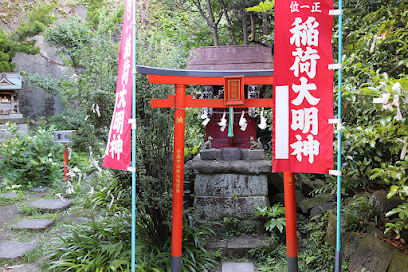
Otsuna Kompira Shrine
Kanagawa 221-0834
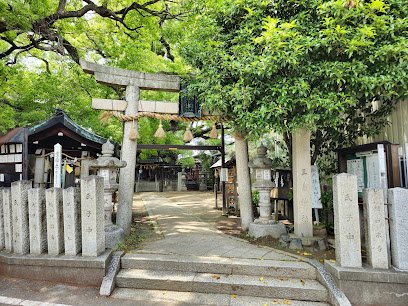
Mitsushima Shrine
Osaka 571-0015
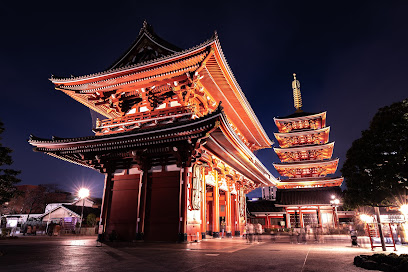
Sensō-ji
Tokyo 111-0032
Completed in 645, this temple, Tokyo's oldest, was built to honor Kannon, the goddess of m...
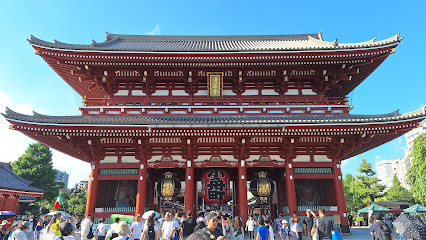
Kaminarimon
Tokyo 111-0032
A 3.9m-tall lantern greets visitors to this stately gate at the entrance to Sensō-ji templ...
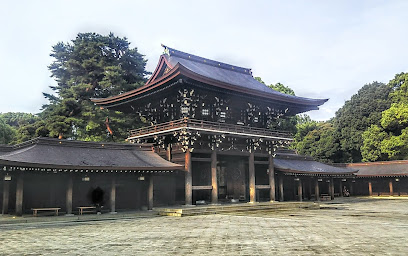
Meiji Jingu
Tokyo 151-8557
Surrounded by forest, this venerable Shinto shrine features a seasonal iris garden.

Kushida Shrine
812-0026
Founded in 757 CE, this urban site annually hosts the city's largest festival, Hakata Gion...