

Shrines & temples
Japanese shrines
OSM directory
Explore Shinto shrines mapped from OpenStreetMap — filter by prefecture, city, or denomination. For curated travel listings, see featured landmark shrines below.
413 shrines
Otomiya Shrine
乙宮神社
Kumamoto
A Shinto shrine located in Kumamoto Prefecture, serving as an important local spiritual center for the surrounding community.
Otsuka Shrine
大塚神社
Kumamoto
Ritsuganji Onsen Inari Shrine
立願寺温泉稲荷神社
Kumamoto
A local Inari shrine associated with the Ritsuganji hot springs area in Kumamoto Prefecture. As an Inari shrine, it is dedicated to the deity of rice, prosperity, and good fortune.
Ryu Shrine
龍神社
Kumamoto
A Shinto shrine in Kumamoto Prefecture dedicated to dragon deities, reflecting the deep connection between Japanese spirituality and dragon mythology. Dragon shrines are often associated with water, rainfall, and protection from natural disasters.
Ryujin Shrine
龍神宮
Kumamoto
A Shinto shrine in Kumamoto Prefecture dedicated to Ryujin, the dragon deity of the sea and water. Dragon shrines like this are often established near water sources or coastal areas and are visited by those seeking protection from natural disasters, safe sea voyages, and abundant rainfall for agriculture.
Sadahiro Daimyojin Shrine
貞廣大明神
Kumamoto
A Shinto shrine in Kumamoto Prefecture dedicated to Sadahiro Daimyojin, likely honoring a deified historical figure or local spiritual protector who achieved divine status through exceptional deeds or spiritual power.
Sae Shrine
塞神社
Kumamoto
A shrine dedicated to Sae no Kami, protective deities associated with boundaries, crossroads, and warding off evil spirits. These shrines traditionally serve as spiritual guardians at village entrances and important pathways.
Sagara Shrine
相良神社
Kumamoto
A shrine in Kumamoto Prefecture dedicated to the Sagara clan, the feudal lords who ruled the Hitoyoshi domain for over 700 years. The shrine serves as a memorial to the Sagara family ancestors and reflects the deep connection between local governance and Shinto spiritual traditions in southern Kyushu.
Saisei-gu Shrine
歳星宮
Kumamoto
Saisei-gu is a Myoken shrine dedicated to the worship of stellar deities, particularly the North Star. The name 'Saisei' refers to celestial bodies and stellar worship, reflecting the shrine's connection to astronomical observation and star-based religious practices that were important in ancient Japan.
Sakamoto Suijin Shrine
坂本の水神宮
Kumamoto
A local water deity shrine in Kumamoto Prefecture dedicated to the spiritual protection of water sources and agricultural irrigation. Suijin shrines like this one serve as important centers for community prayers related to water abundance, flood prevention, and successful rice cultivation.
Saki Shrine
佐岐神社
Kumamoto
Saki Shrine is a local Shinto shrine located in Kumamoto Prefecture, serving as a spiritual center for the surrounding community. The shrine maintains traditional architectural elements and provides a peaceful setting for worship and seasonal festivals.
Samata Aso Shrine
佐俣阿蘇神社
Kumamoto · 下益城郡美里町佐俣
Sanjingu Shrine
三神宮
Kumamoto
A Shinto shrine in Kumamoto Prefecture whose name literally means 'Three Deities Shrine,' suggesting it enshrines three important kami. The shrine serves the local community as a place of worship and spiritual guidance.
Sankai Onsen Shrine
三会温泉神社
Kumamoto
A local Shinto shrine located in Kumamoto Prefecture, associated with hot spring waters as indicated by its name containing 'onsen' (hot spring).
Sanmiya Shrine
三宮社
Kumamoto
A Shinto shrine located in Kumamoto Prefecture. The name 'Sanmiya' meaning 'third shrine' suggests it may have been the third-ranking shrine in a regional shrine hierarchy or part of a group of associated shrines.
Sannomiya Shrine
三宮社
Kumamoto
A local Shinto shrine in Kumamoto Prefecture dedicated to regional kami. The name 'Sannomiya' indicates it may be the third-ranking shrine in a historical hierarchy of local shrines.
Satomiya Shrine
里宮神社
Kumamoto
A local Shinto shrine in Kumamoto Prefecture serving as a spiritual center for the surrounding community. The name 'Satomiya' literally means 'village shrine,' indicating its role as a neighborhood guardian deity sanctuary.
Shiga Shrine
志賀神社
Kumamoto
Shiga Shrine is a Shinto shrine in Kumamoto Prefecture dedicated to sea deities. The shrine serves the local community with traditional Shinto practices and seasonal festivals, maintaining the spiritual connection between the people and the maritime kami.
Shimada Tenman Shrine
島田天満宮
Kumamoto
Shimako Hachimangu Shrine
島子八幡宮
Kumamoto
Shimako Hachimangu is a Hachiman shrine located in Kumamoto Prefecture dedicated to the deified Emperor Ojin. As a Hachiman shrine, it serves as a center for worship of the god of war, culture, and divine protection, playing an important role in the local community's spiritual and cultural life.
Shimotsuura Suwa Shrine
下津浦諏訪神社
Kumamoto
A local Suwa shrine in Kumamoto Prefecture dedicated to the warrior deity Takeminakata-no-Mikoto. As part of the Suwa shrine network, it serves the spiritual needs of the Shimotsuura community while maintaining connections to the main Suwa Taisha in Nagano Prefecture.
Shioi Shrine
潮井神社
Kumamoto
Shioi Shrine is a Hachiman shrine located in Kumamoto Prefecture, dedicated to Emperor Ojin and associated deities. The shrine serves as an important local spiritual center and represents the widespread veneration of Hachiman, the deified Emperor Ojin who is revered as a deity of war, culture, and divine protection.
Shioya Hachimangu Shrine
塩屋八幡宮
Kumamoto
Shioya Hachimangu is a Hachiman shrine in Kumamoto Prefecture dedicated to the deified Emperor Ojin and associated deities. Like other Hachiman shrines, it serves as a center for worship of the god of war, culture, and divine protection, playing an important role in the local community's spiritual and cultural life.
Shirahige Daimyojin Shrine
白髭大明神
Kumamoto
A Shirahige shrine in Kumamoto Prefecture dedicated to Sarutahiko no Okami, the deity of guidance and safe passage. Shirahige shrines are typically associated with longevity and protection, with the white beard symbolizing wisdom and age.
Curated shrine listings
Hand-picked shrines and temples from our landmark guide.
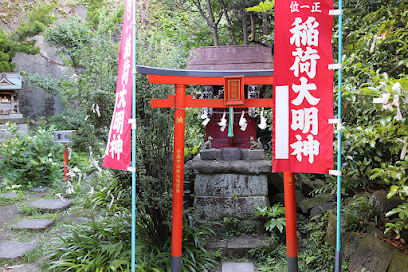
Otsuna Kompira Shrine
Kanagawa 221-0834
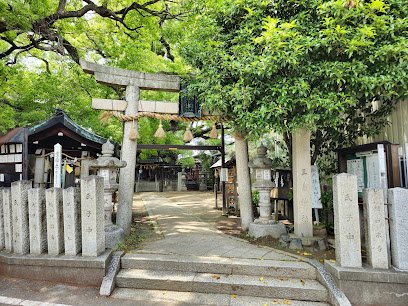
Mitsushima Shrine
Osaka 571-0015
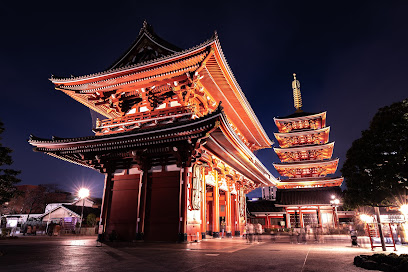
Sensō-ji
Tokyo 111-0032
Completed in 645, this temple, Tokyo's oldest, was built to honor Kannon, the goddess of m...
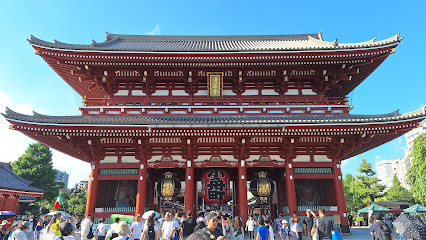
Kaminarimon
Tokyo 111-0032
A 3.9m-tall lantern greets visitors to this stately gate at the entrance to Sensō-ji templ...
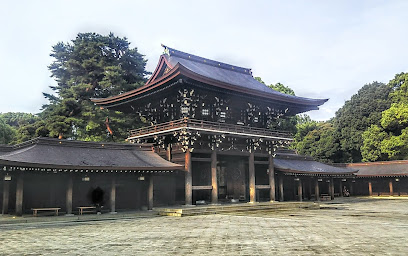
Meiji Jingu
Tokyo 151-8557
Surrounded by forest, this venerable Shinto shrine features a seasonal iris garden.

Kushida Shrine
812-0026
Founded in 757 CE, this urban site annually hosts the city's largest festival, Hakata Gion...