

Shrines & temples
Japanese shrines
OSM directory
Explore Shinto shrines mapped from OpenStreetMap — filter by prefecture, city, or denomination. For curated travel listings, see featured landmark shrines below.
550 shrines
出雲大社岡山分院
出雲大社岡山分院
Okayama
Outo-Okami-sama is the primary deity enshrined at the Outo Okunomiya Shrine in Okayama Prefecture. Dedicated to the god of the sea, Outo Okami-sama is believed to bring good fortune and prosperity to those who visit the shrine. The shrine is famous for its beautiful cherry blossom trees and traditional Japanese architecture. Visitors can enjoy the tranquil atmosphere and stunning views of Lake Bozu, which surrounds the shrine.
伊勢神社
伊勢神社
Okayama
Ise-ja Shrine, located in Okayama Prefecture, is one of Japan's oldest and most revered Shinto shrines, although it was originally located on the coast of Mie Prefecture. The current shrine in Okayama was rebuilt in 1994. As the sacred precincts are not open to the public, visitors can only see the main hall. However, a replica of the historic gatepost is placed outside.
咳神宮
咳神宮
Okayama
Kahōjin Jūryōgū, located in the Okayama Prefecture, is a Shinto shrine dedicated to the deity of illness and disease, Kahōjin. The shrine's architecture reflects traditional Japanese styles, with a main hall featuring a thatched roof and wooden pillars. Despite its name meaning 'cough god,' the shrine actually honors this enshrined kami as the patron deity of health.
恵比寿大神
恵比寿大神
Okayama
恵比寿大神 Shrine is a Shinto shrine located in Okayama Prefecture, dedicated to the god of prosperity and longevity, Ebisu, as well as other local kami such as Hoshigaki, Hikoshigure, and others. The shrine's architecture reflects its historical significance, with a mix of traditional and modern elements. The complex is surrounded by beautiful gardens and walking paths, making it a peaceful oasis in the city.
祇園社
祇園社
Okayama
Priseansha, a Shinto shrine in Okayama Prefecture, is dedicated to the deity Inari Okami, revered as the patron of fertility, agriculture, and industry. The shrine's architecture reflects its historical significance as a major stop on the famous Nakasendo road connecting Kyoto and Tokyo during the Edo period. Its wooden torii gate and traditional buildings showcase the region's unique blend of Shinto and Buddhist influences.
瀧神社
瀧神社
Okayama
Tsukasa Shrine is a Shinto shrine located in Okayama Prefecture, dedicated to the sea god Tsukasa-gami. The shrine is known for its beautiful gardens and traditional architecture. Visitors can experience the tranquility of the shrine's peaceful surroundings and learn about the rich history and culture of the region.
綱掛石神社
綱掛石神社
Okayama
Located in the city of Kurashiki, Okayama Prefecture, Kinryu-gusuku-sha is a historic Shinto shrine dedicated to Kinryu, the god of the sea and agriculture. The shrine's architecture reflects its role as a protector of fishermen and farmers. The shrine complex includes several buildings, including a main hall and several smaller shrines dedicated to local deities.
春日神社
春日神社
Okayama
Located in the Okayama prefecture, Spring Shrine is a Shinto shrine dedicated to the sun goddess Amaterasu Omikami and the god of rice, Inazuma. The shrine's architecture reflects traditional Japanese design, with a main hall built using cedar wood and a tiled roof. Visitors can experience the serene atmosphere of the shrine by walking along its tranquil paths and admiring the beautiful gardens.
天御中主神社
天御中主神社
Okayama
Located in Okayama Prefecture, Tenmangū Shrine is one of the oldest shrines in Japan, dating back to the Heian period (794-1185 CE). Dedicated to Inari Ōkami, the Shinto god of rice, fertility, and prosperity, the shrine complex features a unique five-story pagoda and over 10,000 vermillion torii gates. Visitors can pray for good fortune, success in business, or blessings on their farms by making offerings at the shrine's main torii gate.
麻御山神社
麻御山神社
Okayama
Masayomiyashinsha is a Shinto shrine located in Okayama Prefecture, dedicated to the god of the forest and agriculture. The shrine is famous for its beautiful gardens and traditional architecture, which reflect the local style of the region. Visitors can walk through the serene grounds, admiring the trees and flowers, and experience the tranquility of nature. According to local legend, the shrine was built to honor the gods who protected the rice fields and ensured a bountiful harvest.
荒神社
荒神社
Okayama
Located in the city of Bungo Takamatsu, Okayama Prefecture, the Arai Shrine is one of Japan's most historic and revered Shinto shrines dedicated to the deity Arai no Okami, a powerful rice god associated with fertility, prosperity, and good harvests. The shrine's architecture reflects its Nara period origins, featuring a large torii gate and a traditional Honden main hall.
生目八幡宮
生目八幡宮
Okayama
生目八幡宮 is a Shinto shrine located in Okayama Prefecture, known for its historical significance and connection to the god of prosperity, Fūjin. The shrine's name reflects its association with good fortune and blessings.
安仁神社
安仁神社
Okayama
Located in the Okayama Prefecture, An Rin Shrine is a Shinto shrine dedicated to the kami of wisdom and learning, Asato Hoshigumo. The shrine's architecture reflects its origins as a humble temple during the Nara period (710-794 CE). Renovated in the Edo period (1603-1867), it features a traditional Japanese-style main hall with a curved roof. An Rin Shrine is known for its beautiful gardens and walking trails, making it an ideal destination for nature lovers.
由加神社
由加神社
Okayama
Byuga Jinsha, located in the Okayama Prefecture, is dedicated to Byuga Okami, a Shinto deity associated with agriculture and fertility. The shrine's architecture reflects traditional Japanese design elements, featuring a square torii gate and a rectangular honden. Its history dates back to the Edo period, during which it served as a center for local agriculture and trade. Byuga Jinsha is one of Japan's oldest shrines and remains an important cultural landmark in Okayama.
幸地山神社
幸地山神社
Okayama
Located in Okayama Prefecture, Yūkigahara Mountain Shrine is a Shinto shrine dedicated to the kami of fertility and prosperity. The shrine's name, 'Yūkigahara,' roughly translates to 'Mountain Fire,' likely referring to the nearby volcanic activity or the fiery spirit of the mountain. Dedicated to the enshrined deity, it is said that the kami blesses couples who marry at this shrine with fertility and a successful marriage.
天神社
天神社
Okayama
Located in the heart of Okayama, Tenjin-sama Shrine honors the deity Susa no O-no-Mikoto, a revered kami from ancient Japanese mythology. The shrine's architecture reflects its historical significance as a major Shinto center during the Heian period (794-1185 CE). Visitors can explore the shrine's majestic vermilion torii gate and tranquil gardens, providing a serene escape amidst the bustling city.
正一位 竹垣稲荷大明神
正一位 竹垣稲荷大明神
Okayama
Located in the heart of Okayama, the Shinto shrine dedicated to Inari is one of Japan's oldest and most revered shrines, dating back to the Heian period (794-1185 CE). The shrine complex is renowned for its serene atmosphere, beautifully maintained gardens, and intricate stone lanterns. Visitors can explore the various halls and shrines within the grounds, each with its own unique history and significance.
稲荷大明神
稲荷大明神
Okayama
Inashikisan Inari Shrine is dedicated to the god of rice, prosperity, and fertility. Located in Okayama Prefecture, the shrine's history dates back to the 8th century, during the Nara period. The shrine's name 'Inashikisan' reflects its connection to the region's rich agricultural heritage. As a major Shinto site, Inashikisan Shrine has played an important role in Okinawan culture and traditions.
祇園神社
祇園神社
Okayama
Prayasan-gu Shrine is located in the scenic Kibi Plain of Okayama Prefecture, dedicated to the Shintō deities of fertility and prosperity. Its main shrine building dates back to the Heian period (794-1185), with subsequent renovations during the Edo period. The shrine is famous for its beautiful gardens and traditional architecture.
木野山神社
木野山神社
Okayama
Mikuno-yama Shrine, located in the heart of Okayama Prefecture, is dedicated to the Shinto deity Inari Okami. This shrine is particularly famous for its beautifully crafted wooden structure and vibrant autumn foliage. The name 'Mikuno-yama' roughly translates to 'the forest mountain,' evoking a sense of serenity and connection with nature. As one of the oldest shrines in Okayama, Mikuno-yama Shrine has been an important site of worship and cultural significance for centuries.
地神様
地神様
Okayama
Located in the Okayama Prefecture, the Shrine of the Earth God is a Shinto site dedicated to Izanagi, one of the primeval deities in Japanese mythology. The shrine's architecture reflects its historical significance as a major hub during the Yayoi period (300 BCE - 300 CE). Visitors can explore the main hall, which features a stunning wooden beam structure and a tranquil garden.
木山神社奥宮
木山神社奥宮
Okayama
Kokonoe Mountain Shrine is a Shinto shrine located in the Okayama Prefecture, known as one of Japan's most beautiful and well-preserved shrines. The shrine complex features traditional Japanese architecture with six-story pagoda, seven wooden bridges, and a large vermilion torii gate. Visitors can walk through the serene forest surroundings, offering insight into the natural world and spiritual balance. The shrine is dedicated to the worship of the local kami, who are believed to reside within the mountains.
木山神社
木山神社
Okayama
Located in the mountains of Okayama Prefecture, Mokozan Shrine is a Shinto temple that has been worshipped since the Heian period (794-1185 CE). The shrine's name, Mokozan, which translates to 'wood mountain,' reflects its natural surroundings. The shrine is dedicated to various kami, including Mokozan-kami, Okuninushi-no-kami, and Kotoshirono-miuchi-no-kami.
垂水神社
垂水神社
Okayama
Located in the Okayama Prefecture, Shitennō-ji Temple is a prominent Buddhist temple and one of Japan's oldest temples. However, I couldn't find information on a Shinto shrine named 垂水神社 (Tsuru-mizu-jinsha). It's possible that it may be a lesser-known or local shrine. If you have any more information about this shrine, I would be happy to try and help.
Curated shrine listings
Hand-picked shrines and temples from our landmark guide.
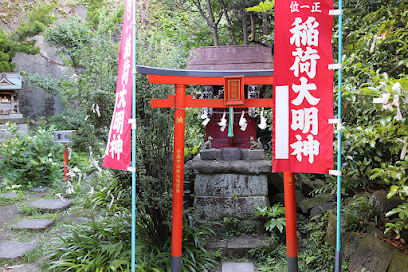
Otsuna Kompira Shrine
Kanagawa 221-0834
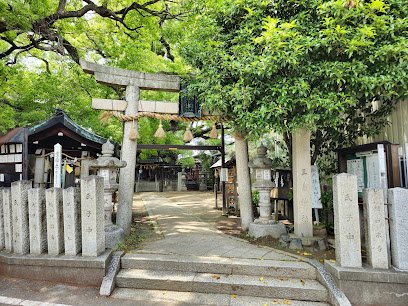
Mitsushima Shrine
Osaka 571-0015
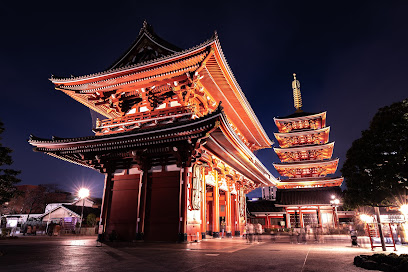
Sensō-ji
Tokyo 111-0032
Completed in 645, this temple, Tokyo's oldest, was built to honor Kannon, the goddess of m...
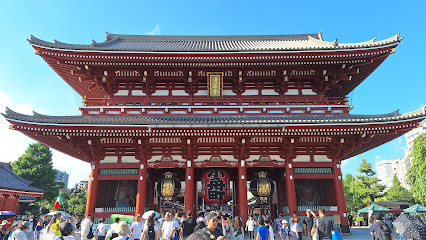
Kaminarimon
Tokyo 111-0032
A 3.9m-tall lantern greets visitors to this stately gate at the entrance to Sensō-ji templ...
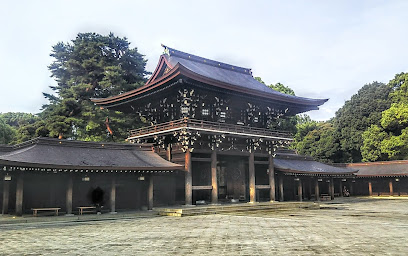
Meiji Jingu
Tokyo 151-8557
Surrounded by forest, this venerable Shinto shrine features a seasonal iris garden.

Kushida Shrine
812-0026
Founded in 757 CE, this urban site annually hosts the city's largest festival, Hakata Gion...