

Shrines & temples
Japanese shrines
OSM directory
Explore Shinto shrines mapped from OpenStreetMap — filter by prefecture, city, or denomination. For curated travel listings, see featured landmark shrines below.
554 shrines
若津神社
若津神社
Fukuoka
Located in Fukuoka Prefecture, Ifuku-cho, Ifuku-machi, Ifuku-gun, the shrine of Wakatsu-jinja is dedicated to the Shinto deity, Hachiman, and has a history dating back to the Heian period (794-1185). As a site of worship for locals, visitors can experience the tranquility of traditional Japanese architecture and engage with local customs. The shrine's tranquil atmosphere invites contemplation and reflection.
堀江神社
堀江神社
Fukuoka
Located in the heart of Fukuoka Prefecture, HORIJEIGAN-SHA is a sacred Shinto site dedicated to the worship of various kami, including Inari Okami and Kushinaga Hachiman. The shrine's historic architecture reflects its roots in the Heian period (794-1185 CE), with a main hall constructed from local cedar wood. Visitors can explore the serene gardens and traditional torii gate while paying respects to the shrine's enshrined deities.
天満神社
天満神社
Fukuoka
Tenman Shrine, located in Fukuoka Prefecture, is a revered Shinto site dedicated to the deity of good fortune and prosperity. The shrine's architecture reflects its historical significance as a key stop during the famous Kumano Kodo pilgrimage route. Visitors can explore the tranquil grounds, adorned with traditional Shinto motifs and beautifully landscaped gardens.
佐谷神社
佐谷神社
Fukuoka
佐谷神社 is a Shinto shrine located in Fukuoka, Japan, dedicated to the kami Enmei. The shrine is situated at the foot of Mount Sakuragahara and features a traditional Japanese architectural style with a tiled roof and wooden torii gate. Founded during the Heian period (794-1185 CE), the shrine has undergone several renovations and expansions over the centuries. Visitors can explore the shrine's main hall, which houses a large vermilion lacquer screen depicting Enmei, as well as a peaceful garden with walking paths and cherry blossom trees.
地禄天神社
地禄天神社
Fukuoka
Located in the heart of Dazaifu, Fukuoka Prefecture, Kanku-tenjin Shrine is a revered Shinto site dedicated to the god of learning and wisdom. Built during the Heian period (794-1185 CE), this ancient shrine has been an important center of culture and education for centuries. The shrine's majestic torii gate and intricately designed wooden structures evoke a sense of serenity and peace, inviting visitors to immerse themselves in its rich history and spiritual energy.
老松神社
老松神社
Fukuoka
Located in Fukuoka, Old Oak Shrine is a revered Shinto site dedicated to the kami of fertility and prosperity. The shrine's name, 'Old Oak', reflects its association with a ancient tree that stood at the shrine's original site. Over time, the tree was relocated to the present location, where it remains as a symbol of the shrine's enduring connection to the natural world.
天満宮
天満宮
Fukuoka
Located in Fukuoka Prefecture, Tenman-kyo is a Shinto shrine that serves as the ancestral temple of the Imperial Family and the birthplace of Emperor Kotoku. Dedicated to the deity Susanoo-no-Mikoto, the shrine's name literally translates to 'Heavenly Abode of Heaven', symbolizing its role in connecting humans with the divine realm. Visitors can explore the shrine's serene gardens, ornate architecture, and tranquil atmosphere.
天満宮
天満宮
Fukuoka
Located in Fukuoka Prefecture, Tenman-ji is one of Japan's most famous Shinto shrines dedicated to the deity Susanoo-no-Mikoto. Known as the 'Deity of Heaven' and 'God of Wind', Susanoo is revered for his role in separating land from sea. The shrine complex features a stunning five-story pagoda, a National Treasure of Japan, built during the Heian period (794-1185 CE). Visitors can walk through the peaceful forested grounds, reflecting on the serene beauty of nature and the significance of Tenman-ji's sacred deity.
恵比須神社
恵比須神社
Fukuoka
This historic Shinto shrine in Fukuoka, Japan is dedicated to Ebisu, the god of prosperity and good fortune. The shrine's main hall was built during the Edo period (1603-1868) and features a unique gabled roof style characteristic of Hakata-style temples. Visitors can pray for success in their endeavors and receive blessings from Ebisu.
年塚宮
年塚宮
Fukuoka
Year塚 Shrine, located in the heart of Dazaifu City, Fukuoka Prefecture, is a revered Shinto site that honors the gods of rice and agriculture. The shrine's name, 'year塚,' refers to its historic association with rice farming and the importance of the 'tsuka' (rice paddy) for the local economy. Visitors can experience the serene atmosphere and tranquil beauty of the shrine's gardens, which are particularly famous for their cherry blossoms in spring.
正現稲荷神社
正現稲荷神社
Fukuoka
Located in the heart of Fukuoka, the Jogen Inari Shrine is a sacred site dedicated to the rice goddess Inari Okami. The shrine is renowned for its stunning vermilion torii gate and picturesque surroundings, which evoke the tranquil atmosphere of the Inari mountains. Visitors can explore the serene gardens and temples on the grounds, taking in the unique blend of Shinto and Buddhist architecture.
中尾恵比寿神社
中尾恵比寿神社
Fukuoka
Located in Fukuoka Prefecture, 中尾恵比寿神社 is a Shinto shrine dedicated to Benzaiten, the goddess of beauty and prosperity. The shrine's main hall, torii gate, and beautiful gardens are notable features. Visitors can explore the peaceful grounds, admire the traditional architecture, and experience local culture.
櫛田神社浜宮
櫛田神社浜宮
Fukuoka
Mitsuda Shrine, located in Fukuoka Prefecture, is a Shinto shrine dedicated to the deity of prosperity and good luck. The shrine is situated on the coast of Kanagawa Bay, near the city of Toyokawa. Its architecture reflects the Heian period, with a main hall featuring a curved tile roof and a wooden torii gate. Visitors can experience the beauty of nature at the shrine's gardens, which are especially lovely during cherry blossom season.
甘南備神社
甘南備神社
Fukuoka
Gan Nanbei Jinja is a Shinto shrine located in Fukuoka, Japan, dedicated to the kami of the sea, particularly the god of fishing and navigation. The shrine's architecture reflects the regional style of Kyushu, with a unique curved roof design characteristic of the area. Visitors can explore the shrine's adjacent fishing harbor, which showcases traditional fishing boats and offers stunning views of the Dazaifu Bay.
大日堂
大日堂
Fukuoka
Located in the heart of Dazaifu, Fukuoka Prefecture, the Daikandō Shrine is a revered Shinto site dedicated to the sun goddess Amaterasu Ōmikami. As one of the most important shrines in Japan, it has played a significant role in Japanese history and culture for centuries. The shrine's architecture is characterized by its unique tile-roofed structure, which dates back to the 17th century, showcasing traditional Fukuoka craftsmanship.
愛宕神社
愛宕神社
Fukuoka
Love and War Shrine in Fukuoka, dedicated to the sun goddess Amaterasu, as well as Fūjin, god of wind and storms, and Ryujin, dragon deity, are also enshrined here.
金立神社 奥の院
金立神社 奥の院
Fukuoka
Located in the heart of Dazaifu, Fukuoka Prefecture, Kokubunji, is a historic Shinto shrine dedicated to the god of learning and literature. As one of Japan's most famous and influential shrines, it has been an important center for education and culture for centuries. The shrine complex includes several temples and schools, including the famous Daitoku-ji temple, which dates back to the 9th century.
春日神社
春日神社
Fukuoka
Spring Day Shrine, located in Dazaifu, Fukuoka Prefecture, is one of Japan's most famous Shinto shrines and a key site for the Setsubun festival. Dedicated to the kami of rice and fertility, the shrine attracts visitors from all over Japan seeking good luck and prosperity. Built during the Heian period (794-1185 CE), its current main hall dates back to the 16th century, featuring traditional Japanese architecture with a distinctive tiled roof. Visitors can explore the shrine grounds, which include beautiful gardens and a tranquil pond.
曰佐住吉神社
曰佐住吉神社
Fukuoka
Saysu Shrine, located in Dazaifu, Fukuoka Prefecture, is dedicated to the sun goddess Amaterasu. The shrine is famous for its beautiful gardens and traditional architecture, which reflects the Heian period style. Visitors can enjoy the tranquil atmosphere and scenic views of the surrounding area.
正一位稲荷大明神
正一位稲荷大明神
Fukuoka
Located in Fukuoka, the Jogyo-ji Shrine is dedicated to the Shinto deity Inari Okami, revered as the patron of rice, industry, and fertility. As one of the oldest shrines in Japan, it dates back to 711 AD during the Nara period. Visitors can explore the impressive vermillion torii gate, which is adorned with a vermilion umbrella, symbolizing the unity of heaven and earth.
恵比寿神社
恵比寿神社
Fukuoka
恵比寿神社, located in Fukuoka, is dedicated to the Shinto deity Ebisu, known as the god of prosperity and good fortune. The shrine's architecture reflects its origins during the Nara period (710-794 CE), with a simple yet elegant design that has been preserved over the centuries. Visitors can experience traditional Japanese culture by participating in rituals and ceremonies at the shrine, such as the daily purification ritual, known as 'misogi'.
竜宮神社
竜宮神社
Fukuoka
Located in Fukuoka, the Ryūgū-jinsha Shrine is a Shinto temple dedicated to the Dragon God. As one of the oldest shrines in Japan, it has been worshipped for over 1,000 years. The shrine's architecture reflects its history, with a mix of Heian and Kamakura styles. Visitors can explore the shrine's main hall, gardens, and scenic paths while surrounded by the tranquil atmosphere of Fukuoka.
三隅神社
三隅神社
Fukuoka
Located in the heart of Dazaifu, Fukuoka Prefecture, Spiny Shrine is a Shinto temple dedicated to the worship of Inari Okami, the god of fertility and rice. The shrine's unique architecture reflects its role as a major producer and consumer of rice, with several buildings resembling grains of rice. Visitors can walk through the 'rice field' path and experience the tranquil atmosphere.
金毘羅宮
金毘羅宮
Fukuoka
Located in Fukuoka Prefecture, Kinroku-ji Shrine is a Shinto shrine dedicated to the kami of the iron industry and prosperity. The shrine's architecture reflects its historical significance as a major center for iron production during the Edo period. Visitors can experience the shrine's unique atmosphere by ringing the large iron bell, symbolizing good luck and fortune.
Curated shrine listings
Hand-picked shrines and temples from our landmark guide.
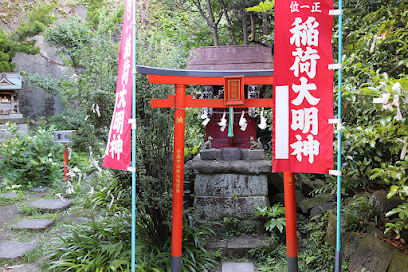
Otsuna Kompira Shrine
Kanagawa 221-0834
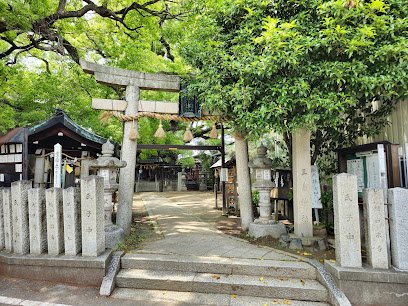
Mitsushima Shrine
Osaka 571-0015
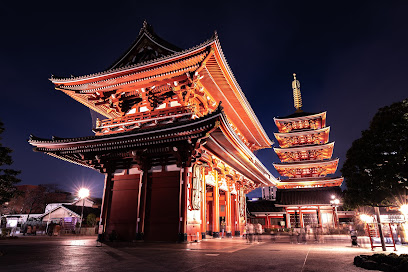
Sensō-ji
Tokyo 111-0032
Completed in 645, this temple, Tokyo's oldest, was built to honor Kannon, the goddess of m...
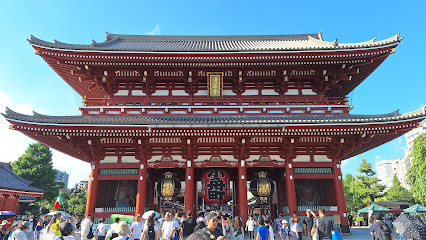
Kaminarimon
Tokyo 111-0032
A 3.9m-tall lantern greets visitors to this stately gate at the entrance to Sensō-ji templ...
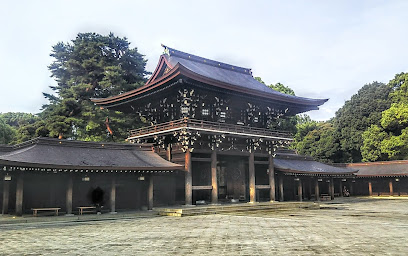
Meiji Jingu
Tokyo 151-8557
Surrounded by forest, this venerable Shinto shrine features a seasonal iris garden.

Kushida Shrine
812-0026
Founded in 757 CE, this urban site annually hosts the city's largest festival, Hakata Gion...