

Shrines & temples
Japanese shrines
OSM directory
Explore Shinto shrines mapped from OpenStreetMap — filter by prefecture, city, or denomination. For curated travel listings, see featured landmark shrines below.
732 shrines
三吉神社
三吉神社
Aomori
Located in the heart of Aomori Prefecture, Sanagi-jinsha Shrine is a lesser-known Shinto shrine dedicated to the protection and prosperity of fishermen and sailors. The shrine's architecture reflects the traditional Japanese style, with a tiled roof and wooden structures. Visitors can explore the peaceful grounds, which feature several stone lanterns and walking paths along the coast.
稲荷神社
稲荷神社
Aomori
Ishihara Shrine, located in Aomori Prefecture, is dedicated to the Shinto deity Inari Okami, known as the god of rice and fertility. The shrine is famous for its beautiful gardens, traditional architecture, and vibrant autumn foliage. Visitors can explore the shrine's grounds, which include a sacred spring, a hall of thousand lanterns, and numerous shrines dedicated to various kami.
石碑
石碑
Aomori
Located in the heart of Aomori City, Shrine of the Stone Monument is a historic Shinto shrine dedicated to the worship of various kami. The shrine's stone monument, or 'ishi,' is said to have been placed here by the local Ainu people, and its presence is still believed to bring good fortune and protection to the community.
十和田神社
十和田神社
Aomori
Located in the city of Hachinohe, Aomori Prefecture, Tenmoku-ji Shrine is one of Japan's oldest and most sacred Shinto shrines dedicated to the sea goddess Amaterasu, specifically revered for its role as a water source and its historical significance during the Edo period. The shrine's architecture reflects various historical periods, with the main hall dating back to 1693 and featuring traditional Japanese design elements such as tiled roofs and sliding doors.
胸肩神社
胸肩神社
Aomori
Located in the heart of Aomori Prefecture,胸肩神社 is a serene Shinto shrine dedicated to the worship of Amaterasu Omikami, the goddess of the sun and sky. The shrine's architecture reflects its humble origins as a small village shrine, with a simple yet elegant design that blends seamlessly into the surrounding landscape. Visitors can explore the shrine's tranquil grounds, which feature a beautiful torii gate and a serene pond.
切田八幡宮
切田八幡宮
Aomori
Located in the heart of Aomori City, 切田八幡宮 is a historic Shinto shrine dedicated to Amaterasu Omikami, the sun goddess and ancestral deity of the Imperial Family. The shrine is situated on the site where a samurai warrior named Kiyoharu no Mochi, who served as a vassal of the Aomori domain, sacrificed himself in 1334 during the Nanboku-chō period. Today, 切田八幡宮 is a popular tourist destination and a testament to Japan's rich cultural heritage.
柳町新道稲荷神社
柳町新道稲荷神社
Aomori
Located in the heart of Aomori city, 柳町新道稲荷神社 is a historic Shinto shrine dedicated to the god of rice and fertility, Inari Okami. The shrine's current structure dates back to the 17th century, although it is believed that the site has been used for religious purposes since the Nara period. Visitors can admire the shrine's traditional architecture, featuring a five-story pagoda and several wooden structures. On the first Saturday of every May, locals gather at the shrine for a festive rice-throwing ceremony, known as 'tsukimi no tsuru,' to celebrate the arrival of spring.
今木神社
今木神社
Aomori
Imonogi Shrine, located in Aomori Prefecture, is a Shinto shrine dedicated to the kami of forests and woods. Its name, 'Imonogi,' refers to the tree spirit. The shrine's architecture reflects the region's unique cultural heritage, with a distinctive style blending traditional and natural elements. Visitors can experience the serene atmosphere of the shrine's forested surroundings, surrounded by towering trees and serene gardens.
鎧神社
鎧神社
Aomori
The Akakawa Shrine, dedicated to the sea god Ryujin's subordinate, Akakawa no Kami, is located in Aomori Prefecture and serves as a significant cultural and spiritual hub for the local community. The shrine's name, Akakawa no Jinja, translates to 'the shrine of the red river,' referring to its proximity to the Akakawa River, which flows into the Sea of Japan. Visitors can explore the shrine's traditional torii gate, vermilion-colored buildings, and tranquil gardens, which reflect the rich cultural heritage of Aomori Prefecture.
神馬像
神馬像
Aomori
Located in the heart of Aomori, Shinto shrine 'god cow image' is a humble yet significant site dedicated to the reverence of a local deity. Founded during the Heian period, this enshrinement reflects the importance of livestock in rural Japanese society. The shrine's architecture showcases traditional norito-style buildings, symbolizing the harmony between humans and nature. Visit during autumn for vibrant fall foliage.
薬師神社
薬師神社
Aomori
Koyasan Temple, located in the heart of Aomori Prefecture, is dedicated to the vengeful spirit of a samurai who was betrayed by his lord during the Sengoku period. The temple's architecture reflects its origins as a simple hermitage, with wooden buildings and steep roofs. The current structure dates back to 1897 and features a unique blend of traditional and modern elements. Visitors can explore the temple grounds, which include several shrines and a museum showcasing local art and history.
大湯稲荷神社
大湯稲荷神社
Aomori
Located in the heart of Aomori city, Daito Inari Shrine is a revered Shinto site dedicated to the worship of Inari Okami, the kami of rice and fertility. As one of Japan's most sacred shrines, it is believed to have been built during the Nara period (710-794 CE) in honor of Inari's influence on agriculture. Visitors can marvel at the stunning vermilion torii gate and explore the complex network of paths and shrines within the shrine grounds.
大湯神明社
大湯神明社
Aomori
Big Hot Spring Shrine in Aomori is dedicated to the Shinto kami of the same name, believed to reside in the nearby hot springs. The shrine's architecture reflects regional styles, with a wooden main hall and a distinctive tiled roof. Its history dates back to the Edo period, when it was rebuilt after being destroyed by a typhoon. The shrine offers a peaceful retreat from the city, allowing visitors to soak in its natural hot springs while honoring the local kami.
白山神社
白山神社
Aomori
The white mountain shrine, dedicated to Shinto deities, is a lesser-known but fascinating site located in the city of Aomori. The shrine's name refers to its association with Mount Iwaki, a nearby mountain, and symbolizes purification and protection.
月山神社
月山神社
Aomori
Moon Mountain Shrine is a Shinto temple located in the Aomori Prefecture, known for its serene natural surroundings and rich history dating back to the Edo period. Dedicated to the Shimenokami kami, the shrine is dedicated to the guardian spirits of the mountains and forests. Visitors can experience the tranquil atmosphere and beautiful scenery of the surrounding mountains.
稲荷神社
稲荷神社
Aomori
Located in the city of Hirosaki, Aomori Prefecture, 稲荷神社 is one of Japan's most revered Shinto shrines, dedicated to the worship of Inari Okami, the god of rice and prosperity. This majestic shrine is renowned for its stunning architecture, beautiful gardens, and rich cultural heritage. As a symbol of the region's gratitude for the fertile land and bountiful harvests, 稲荷神社 serves as a testament to the enduring bond between nature and humanity.
月山神社
月山神社
Aomori
Located in the scenic Aomori Prefecture, the Tsukisato Shrine is dedicated to the Shinto god of the moon, Tsukiyomi, and the storm god, Ryujin. Visitors can enjoy stunning views of the surrounding mountains and sea while exploring the shrine's tranquil atmosphere.
太平山碑
太平山碑
Aomori
Located in the heart of Aomori City, Taiping-san Ibuki Shrine is a Shinto shrine dedicated to the god of agriculture and fertility, Ebisu. The shrine's architecture reflects traditional Japanese design, with a main hall (honden) covered in vermilion and a torii gate made from local cedar wood. Visitors can walk through the tranquil gardens and enjoy the stunning views of Taiping-san, a mountain peak located nearby. The shrine is also famous for its unique 'yosemi' stone lanterns, which are arranged along the winding paths of the gardens.
太平山
太平山
Aomori
Located in the heart of Aomori Prefecture, Taipo-san Shrine is a tranquil Shinto sanctuary dedicated to the kami of Mt. Iwaki. This shrine is situated at the foot of Mt. Taipo, which offers breathtaking views of the surrounding mountains and sea. Founded during the Edo period (1603-1867), the shrine has been an integral part of the local community for centuries.
金精様
金精様
Aomori
The Kinryu-ji shrine in Aomori Prefecture is dedicated to the Shinto god of the sea, Ryujin, and the god of harvests, Inari. Located on a scenic coastline, the shrine offers stunning views of the Pacific Ocean. Visitors can explore the surrounding forest and enjoy traditional Japanese tea ceremonies.
木曽吉山 三吉神社
木曽吉山 三吉神社
Aomori
Located in the Tatsugi District of Aomori Prefecture, Shintojiyamasan Sanjishinsha is a lesser-known but fascinating temple dedicated to the kami Sanji and his brothers. The shrine's architecture reflects its rural setting, with a wooden torii gate and a traditional Japanese garden. Visitors can explore the shrine grounds, which feature several ancient trees and a pond with a beautiful koi fish pond.
太平山
太平山
Aomori
Located in the beautiful Aomori prefecture, Taiping-zan Shrine is a sacred site nestled within the Taiping-zan mountain range. Dedicated to the Shinto god of agriculture and fertility, Oodama-san, this shrine honors the region's rich history and cultural heritage. The shrine complex features traditional Japanese architecture with a unique blend of modern amenities.
白峯宮
白峯宮
Aomori
Whitewater Temple Shrine, located in Aomori Prefecture, is dedicated to the worship of Fujin, the Shinto god of wind and storms. This shrine is known for its striking architecture and beautiful gardens, reflecting the region's unique blend of natural beauty and cultural heritage. Visitors can explore the tranquil atmosphere, adorned with traditional Japanese elements and stunning mountain views.
田代山
田代山
Aomori
Tadayama Shrine, located in Aomori Prefecture, is a Shinto shrine dedicated to the kami of fertility and prosperity. The shrine's architecture reflects the traditional style of northern Japanese Shintoism, with a distinctive curved roofline and a wooden torii gate. The shrine complex includes a main hall, several smaller shrines, and a pond with a scenic walking path. Visitors can participate in the annual 'Matsuri' festival, which honors the shrine's patron deity and features traditional dances, music, and food.
Curated shrine listings
Hand-picked shrines and temples from our landmark guide.
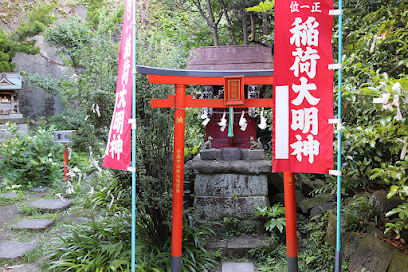
Otsuna Kompira Shrine
Kanagawa 221-0834
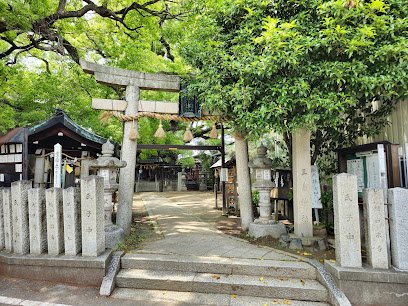
Mitsushima Shrine
Osaka 571-0015
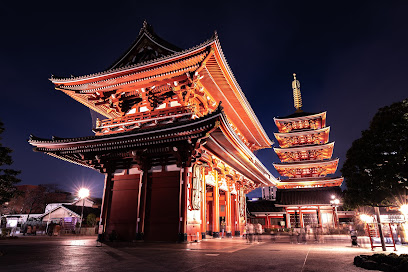
Sensō-ji
Tokyo 111-0032
Completed in 645, this temple, Tokyo's oldest, was built to honor Kannon, the goddess of m...
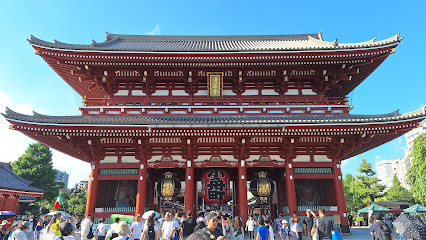
Kaminarimon
Tokyo 111-0032
A 3.9m-tall lantern greets visitors to this stately gate at the entrance to Sensō-ji templ...
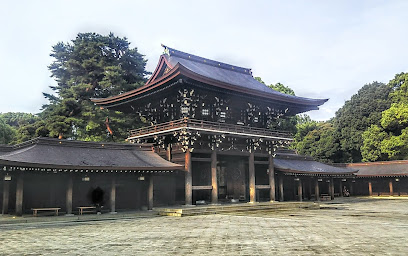
Meiji Jingu
Tokyo 151-8557
Surrounded by forest, this venerable Shinto shrine features a seasonal iris garden.

Kushida Shrine
812-0026
Founded in 757 CE, this urban site annually hosts the city's largest festival, Hakata Gion...