

Shrines & temples
Japanese shrines
OSM directory
Explore Shinto shrines mapped from OpenStreetMap — filter by prefecture, city, or denomination. For curated travel listings, see featured landmark shrines below.
30,440 shrines
Tategyouji Inari Jinja shrine
立行事稲荷神社
Niigata
Located in the city of Kitaibaraki, Niigata Prefecture, Tategyouji Inari Jinja is a Shinto shrine dedicated to Inari Okami, the kami of rice, industry, and fertility. The shrine's name, meaning 'the path of great deeds,' reflects its significance as a site for ritual performances and ceremonial dances that honor the power of the kami.
Tategyouji Inari Jinja shrine
立行事稲荷神社拝殿
Niigata
Tategyouji Inari Jinja shrine is a Shinto shrine located in the town of Kashiwabara, Niigata Prefecture. The shrine is famous for its beautiful architecture and historic significance as the place where the legendary heroine of Japanese folklore, Oe no Imokawa, was buried. The shrine's main hall is dedicated to Inari Okami, the god of rice and fertility, who is often depicted with multiple foxes. Visitors can explore the shrine grounds, which include a pond, walking paths, and a replica of the original shrine from the 17th century. The shrine is particularly known for its beautiful autumn foliage and winter illuminations.
TATEHAMA INARI Shrine
館浜稲荷神社
北海道 · 松前町
Tatehama Inari Shrine is a Shinto shrine located in the remote town of Matsue, Hokkaido's northernmost island. Dedicated to the worship of Inari Okami, the Shinto goddess of rice and fertility, this shrine reflects the region's strong agricultural heritage. The shrine's unique architecture, blending traditional Japanese designs with regional elements, creates a distinctive atmosphere that invites visitors to explore its serene surroundings.
TATEHAMA INARI Shrine
館浜稲荷神社
北海道 · 松前町
Tatehama Inari Shrine is a Shinto shrine located in the town of Matsumae, northern Hokkaido. Dedicated to the kami Inari Okami, it is one of the oldest and most respected shrines in the region. The shrine's architecture reflects traditional Japanese styles, with a main hall featuring a stunning hinoki cypress roof. Visitors can participate in the annual matsuri festival, which honors the goddess of rice, fertility, and prosperity.
Tateishi Myojin Shrine
立石明神
Kochi
A local Shinto shrine in Kochi Prefecture dedicated to a kami associated with standing stones or rock formations, reflecting the common Japanese practice of venerating natural geological features as divine manifestations.
Tateishi Shrine
立石神社
Tateishi Shrine is a Shinto shrine whose name translates to 'Standing Stone Shrine,' typically indicating the presence of a sacred stone or rock formation that serves as the object of worship. These shrines often represent some of Japan's oldest forms of spiritual practice, where natural stone formations were revered as dwelling places of kami.
Tateri Kojin-ja
荒神社
Nara
Tatsugoyama Kotohiragu
龍籠山金刀比羅宮
Tokyo
Tatsugoyama Kotohiragu Shrine is a Shinto temple located in the heart of Tokyo, dedicated to the deity Kotohiragu, who is revered as a protector of the city and its people. The shrine's name, Tatsugoyama, translates to 'Dragon's Temple Mountain', and its unique architecture reflects the region's rich history and cultural heritage. The shrine's interior features traditional Shinto designs, including sliding doors made from Japanese cypress, while the exterior boasts a striking stone dragon statue that guards the entrance.
Tatsuichi Shrine
辰市神社
Nara
A local Shinto shrine located in the historic Kashihara area of Nara Prefecture, serving the spiritual needs of the surrounding community. The shrine maintains traditional architectural elements and seasonal festivals that connect local residents to their cultural heritage.
Tatsumi Daimyojin Shrine
辰巳大明神
Kumamoto
A local Shinto shrine in Kumamoto Prefecture dedicated to Tatsumi Daimyojin, a protective deity associated with the southeast direction according to traditional Japanese cosmology and feng shui principles.
Tatsumi Daimyoujin Shrine
辰巳大明神
Shiga
Located in the city of Ehime, Shiga Prefecture's Tatsumi Daimyoujin Shrine is a lesser-known yet fascinating Shinto site dedicated to the deity Daimyōjin, revered as the patron of merchants and traders. The shrine's architecture reflects traditional Japanese design, featuring a rectangular prayer hall (hinba) covered by a tiled roof. Although not much is known about its historical founding, the shrine's proximity to Lake Biwa, Japan's largest freshwater lake, has made it an important site for local worship and cultural events. Visitors can explore the shrine grounds, which include a tranquil garden and walking paths along the lake's edge.
tatsuta Shrine
立田神社
Osaka
Tatsuta Shrine, located in Osaka Prefecture, is one of Japan's oldest and most revered Shinto shrines. Dedicated to the goddess Susanoo, a powerful kami associated with storms, fertility, and prosperity, the shrine has been an important cultural and spiritual center for over 1,300 years. The shrine's architecture reflects its rich history, with a main hall built in the Heian period and several other structures dating back to the Edo era.
Tazuru Shinmei Shrine
田鶴神明神社
Gifu
Tazuru Shinmei Shrine is a Shinmei-style shrine in Gifu Prefecture dedicated to Amaterasu Omikami, the sun goddess and supreme deity of the Shinto pantheon. As indicated by its Shinmei designation, the shrine follows the architectural and ritual traditions associated with Ise Grand Shrine.
Tebori Shrine
手掘神社
Saga
Tebori Shrine, located in Saga Prefecture, is a historic Shinto shrine dedicated to the kami of agriculture and fertility. The shrine's name, 'tebori,' roughly translates to 'hand-plowing' or 'digging by hand.' This refers to the traditional practice of hand-plowing rice fields, an essential aspect of Japan's agricultural history. Built during the Heian period (794-1185 CE), the shrine has undergone several renovations and expansions over the centuries.
Tedori-Suwa Jinja Shrine
手取諏訪神社
石川県 · 白山市
Located in the city of Katsuragi, Wakayama Prefecture, Tedori-Suwa Jinja Shrine is a Shinto shrine dedicated to the kami of the river and the forest. The shrine's name is derived from the nearby Tedori River and Suwa, which is believed to be a sacred name for water deities in Shintoism.
Tekona-myojin Shrine
手古奈明神
Ibaraki
Located in the scenic town of Nihonmatsu, Ibaraki Prefecture, Tekona-myojin Shrine is dedicated to the kami of fertility and agriculture. The shrine's architecture reflects its historical significance as a major stop on the ancient trade route known as the Nakasendo, which connected Edo with Kyoto. Visitors can experience the rich cultural heritage of this region by exploring the shrine's traditional gardens and observing the changing seasons.
Temman-jinja Shrine
天満神社
Fukuoka
Temman-jinja Shrine is a Shinto temple located in the heart of Fukuoka, dedicated to the enshrined deity Temman Okami, a local kami believed to have been worshipped by the ancient Bungo people. The shrine's architecture reflects the traditional Japanese style with its tiled roof and wooden gate, while its interior features intricately carved wooden pillars and Shoin-style main hall. Visitors can enjoy the serene atmosphere of the surrounding gardens, which are particularly beautiful during cherry blossom season.
Temmangū
天満宮
Miyagi
Temmangū Shrine, located in the prefecture of Miyagi, is dedicated to the Shinto deity Susanoo-no-Mikoto, known for his mischievous nature and association with storms. The shrine's architecture reflects its historical significance as a site where Susanoo-no-Mikoto is said to have created the ocean. Visitors can observe the intricate carvings on the torii gate, which tell stories of the kami's actions.
temple
今熊神社
Tokyo
Today, the Imanoura Shrine in Saitama Prefecture is often mistakenly referred to as 'Imanoura Bear Shrine'. However, it is more accurately known as a Shinto shrine dedicated to Imamatsuri-no-kami, a kami associated with fertility and prosperity. The current temple building dates back to 1722, but the area has been considered sacred for over 1000 years. In its early days, the shrine was involved in local rituals and ceremonies. Today, visitors can explore the tranquil gardens and shrines located within the Imanoura Shrine grounds.
Ten Shrine
天神社
Yamanashi
Ten Shrine, located in the heart of Yamanashi Prefecture, is a revered Shinto site dedicated to the worship of the celestial spirits, particularly the god of the heavens, Amaterasu. This beautiful shrine is nestled among lush forests and rolling hills, embodying the serene essence of rural Japan. With its elegant architecture and tranquil surroundings, Ten Shrine offers a unique glimpse into the country's rich cultural heritage.
Ten Shrine
山角天神社
神奈川県 · 小田原市
Located in the city of Odawara, Kanagawa Prefecture, Ten Shrine is a Shinto shrine dedicated to the deity Amaterasu Ōmikami, one of the most important deities in Japanese mythology. The shrine is known for its unique architectural style and historical significance as a site of imperial visitation during the Edo period. Visitors can explore the shrine's tranquil gardens and traditional buildings, including the Haiden main hall.
Ten Shrine
天神社
Saitama
Located in the heart of Saitama, Ten Shrine is one of Japan's oldest Shinto shrines, dating back to the Heian period (794-1185 CE). This shrine is dedicated to Amaterasu, the sun goddess and primary deity of the Japanese imperial family. The shrine complex features a traditional Japanese architecture style with a large torii gate and several smaller shrines, including those for other regional kami such as Saitama's patron kami, Sōjōin.
Ten Shrine
天神社
Gifu
Ten-jinja Shrine
天神社
Osaka
Located in the heart of Osaka, Ten-jinja Shrine is a historic Shinto temple dedicated to the god of heaven and earth, Takamagahara no Kamigami. The shrine's architecture reflects the traditional Japanese style of Heian-period temples, with a distinctive vermilion torii gate and a serene garden surrounded by moss-covered stones. As one of the oldest shrines in Osaka, Ten-jinja Shrine has played a significant role in the city's cultural heritage for centuries.
Curated shrine listings
Hand-picked shrines and temples from our landmark guide.
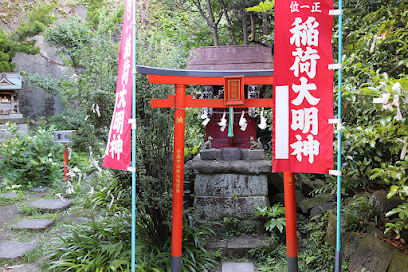
Otsuna Kompira Shrine
Kanagawa 221-0834
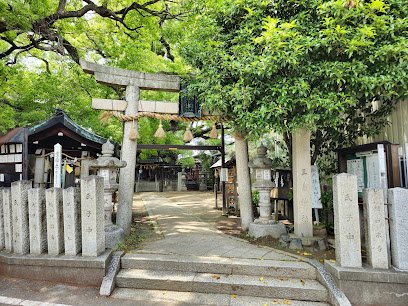
Mitsushima Shrine
Osaka 571-0015
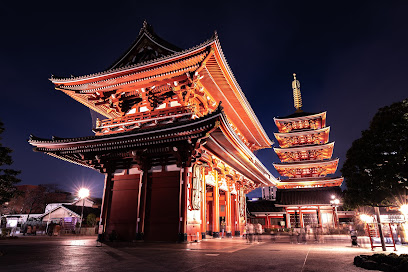
Sensō-ji
Tokyo 111-0032
Completed in 645, this temple, Tokyo's oldest, was built to honor Kannon, the goddess of m...
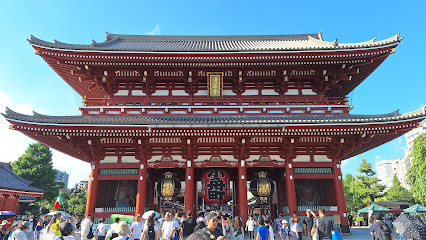
Kaminarimon
Tokyo 111-0032
A 3.9m-tall lantern greets visitors to this stately gate at the entrance to Sensō-ji templ...
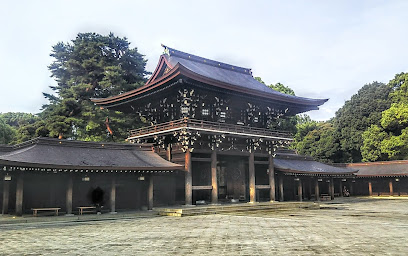
Meiji Jingu
Tokyo 151-8557
Surrounded by forest, this venerable Shinto shrine features a seasonal iris garden.

Kushida Shrine
812-0026
Founded in 757 CE, this urban site annually hosts the city's largest festival, Hakata Gion...