

Shrines & temples
Japanese shrines
OSM directory
Explore Shinto shrines mapped from OpenStreetMap — filter by prefecture, city, or denomination. For curated travel listings, see featured landmark shrines below.
835 shrines
銀世界稲荷大明神
銀世界稲荷大明神
Tokyo
The Silver World Rice Shrine, located in the heart of Tokyo, is a sacred site dedicated to the worship of Fujin Ryujin Okami, the god of wind and storms, as well as the Shinto deity Inari, patron of rice and industry. The shrine's name reflects its association with the abundant harvests of the region. While little is known about its founding era, the Silver World Rice Shrine has maintained its significance as a cultural and spiritual hub for centuries.
十二社熊野神社
十二社熊野神社
Tokyo
Located in the heart of Tokyo, Twelve Shrine Ueno Yamateya Shinto is dedicated to the kami of the twelve gods from Japanese mythology who are said to reside at Mount Yamate in Aomori Prefecture. This unique shrine is a blend of traditional and modern architecture, showcasing the rich cultural heritage of Japan.
疱瘡神社
疱瘡神社
Tokyo
Ishibashi Shrine is a Shinto shrine located in the Shibuya ward of Tokyo, dedicated to the god of boils and skin eruptions, Ishibashi no Okami, as well as other regional kami such as Tsukimaru and Hachiman. The shrine's architecture reflects traditional Japanese styles, with a unique tile-roofed hall called an 'Urushi-dō'.
稲荷神社
稲荷神社
Tokyo
The Inari Shrine in Tokyo is one of Japan's most famous Shinto shrines, dedicated to the kami Inari Okami. This shrine is renowned for its thousands of vermillion torii gates that form a tunnel up the mountain, symbolizing the god's love of rice. Visitors can explore the grounds and worship at the many shrines and altars dedicated to various aspects of Inari's domain.
落合白山神社
落合白山神社
Tokyo
Fallen Oak White Mountain Shrine, located in Setagaya Ward of Tokyo, is dedicated to the Shinto god of agriculture and fertility, Hachiman, as well as other kami including Fujin, the wind god, and Inari, the rice god. The shrine's architecture reflects traditional Japanese style with a wooden torii gate and a vermilion lantern. Established in 1889 during the Meiji period, it is one of the most notable shrines in Setagaya Ward. Visitors can experience the shrine's tranquil atmosphere by strolling through its beautiful gardens.
正一位伏見稲荷大明神
正一位伏見稲荷大明神
Tokyo
Located in the heart of Tokyo, Fushimi Inari Shrine is one of Japan's most iconic Shinto shrines, dedicated to the god of rice and fertility, Inari Okami. This vermilion torii gate-lined shrine is famous for its thousands of vermilion gates, donated by individuals and organizations, which form a tunnel up the mountain. Visitors can hike through this 'sea of red' and make wishes at the many shrines along the way.
西守稲荷神社
西守稲荷神社
Tokyo
Located in the heart of Setagaya, Tokyo, Nishi-shudo Inari Shrine is a revered Shinto site dedicated to the worship of Inari Okami, the god of rice and prosperity. As one of Japan's oldest shrines, dating back to the Edo period, Nishi-shudo Inari Shrine has played a significant role in the lives of local residents and travelers alike. The shrine's tranquil atmosphere and stunning architecture make it an ideal destination for those seeking spiritual connection with nature.
東稲荷神社
東稲荷神社
Tokyo
Located in the heart of Tokyo, Toshōdai Shrine is one of Japan's oldest and most revered Shinto shrines, dedicated to the god Susanoo-no-Mikoto and Amaterasu-no-Mikoto. The shrine's architecture is inspired by the Heian period, with a majestic five-story pagoda and a large hall for rituals. Visitors can explore the serene gardens, take part in traditional festivals such as the Sanja Matsuri, and learn about the history of Japanese mythology.
伏見稲荷神社
伏見稲荷神社
Tokyo
Fushimi Inari Shrine, located in Fuchu, Tokyo, is one of Japan's most famous Shinto shrines. Dedicated to the god of rice and prosperity, Inari Okami, the shrine is renowned for its thousands of vermilion torii gates that form a winding path up the mountain. Visitors can follow this iconic path, known as the orange torii road, to the shrine's main hall and enjoy stunning views of the surrounding mountains.
藤森福寿稲荷
藤森福寿稲荷
Tokyo
藤森福寿稲荷 Shrine is a Shinto temple located in the heart of Setagaya Ward, Tokyo. Dedicated to the god of rice and fertility, Fujimori no Kami, as well as other kami such as Tsukiyomi and Suijin, this shrine is known for its serene gardens and tranquil atmosphere. Visitors can walk through the beautiful forested grounds, admire the traditional architecture, and enjoy a variety of festivals throughout the year.
航空神社
航空神社
Tokyo
Located in the heart of Tokyo, Takebashi Aviation Shrine is a unique Shinto shrine dedicated to the deity of aviation, Shukubi no Kami. The shrine's name, which roughly translates to 'aviation god's altar,' reflects its focus on this modern aspect of Japanese culture. Visitors can pay their respects at the shrine's entrance, where a large stone pedestal bears an image of an airplane.
日枝神社
日枝神社
Tokyo
Dayo Shrine is a Shinto shrine dedicated to Fujin, the god of wind and storm. Located in the heart of Tokyo's Minato ward, the shrine has been an important cultural and spiritual center for centuries. The shrine's unique architecture features a distinctive five-story pagoda and a large torii gate adorned with wind chimes and other offerings. Visitors can experience the tranquility of the shrine's gardens and admire the beautiful autumn foliage.
菅原社
菅原社
Tokyo
Located in the heart of Tokyo,菅原社 is a Shinto shrine dedicated to the god of fertility and prosperity, Fujin, as well as the god of agriculture and fertility, Inazumanokami. The shrine's architecture reflects traditional Japanese styles, with a tiled roof and a wooden torii gate. Visitors can explore the shrine's beautiful gardens and learn about its rich history at the on-site museum.
山王神社
山王神社
Tokyo
Located in the heart of Saitama Prefecture, not Tokyo, mountain king god Shinmei Shrine honors the Shinto deity Okuninushi no Kami, a kami of agriculture and fertility. The shrine's architecture reflects traditional Heian period designs with a combination of tiled roofs and wooden structures. Its tranquil atmosphere invites visitors to experience the serene beauty of Japan's rich cultural heritage.
菅原神社
菅原神社
Tokyo
菅原神社 is a Shinto shrine located in the Kita District of Tokyo, dedicated to the kami of rice and fertility. The shrine's history dates back to the Edo period, with records indicating its founding in 1623 during the time of Tokugawa Iemitsu, the third shogun of the Tokugawa dynasty. Over the centuries, the shrine has been rebuilt and renovated several times, with its current structure dating back to the late Meiji period.
諏訪神社
諏訪神社
Tokyo
Located in the heart of Setagaya, Tokyo, Temmangawa Inari Shrine is one of the most famous Shinto shrines dedicated to Inari Okami, the kami of rice, industry, and fertility. With a long history dating back to the Edo period, this shrine has been an important center for prayer and worship for artisans, farmers, and merchants. Visitors can marvel at the vibrant orange torii gates that symbolize the many entrances to the shrine, representing the many paths to enlightenment.
熊野神社
熊野神社
Tokyo
Kumano Shrine, located in the heart of Tokyo, is a Shinto shrine dedicated to Kumano Okappan, a local deity revered by the ancient Kumano region's inhabitants. The shrine's architecture reflects its Edo-era (1603-1867) design, with a distinctive tiled roof and sliding doors.
用賀神社
用賀神社
Tokyo
Ugega Shrine, located in the heart of Setagaya, Tokyo, is a Shinto shrine dedicated to the kami of the same name. The shrine's history dates back to the Edo period, with its primary purpose as a guardian deity for the city. Over time, it has become a significant cultural and historical landmark in the region.
杉山神社
杉山神社
Tokyo
Located in the heart of Setagaya, Tokyo, Sugiyama Shrine is a revered Shinto shrine dedicated to the deity Sugiyama Okami. The shrine's architecture reflects its historical significance as a major stop on the historic Koshunji pilgrimage route, which connects Edo (modern-day Tokyo) with Kamakura. Visitors can explore the tranquil gardens and admire the beautiful vermilion torii gate.
神木天満宮
神木天満宮
Tokyo
Takahashi Shrine, located in the Setagaya ward of Tokyo, is dedicated to Takahatsu no Okami, a Shinto deity associated with forestry and wood products. The shrine's architecture reflects its historical significance as a key location during the Edo period, with a unique roof structure resembling a wooden chest. Visitors can explore the adjacent forest and learn about the importance of forestry in Japanese culture.
村社諏訪神社
村社諏訪神社
Tokyo
Tonosho Inari Shrine is a Shinto shrine dedicated to the god of rice, prosperity, and good fortune. Located in the heart of Mitaka, Tokyo, the shrine is known for its stunning architecture and peaceful atmosphere. Visitors can explore the main hall, the torii gate, and the beautiful garden, which features several ponds and walking paths.
熊野宮
熊野宮
Tokyo
Ko-no-yama-miya Shrine, located in Tokyo's Setagaya ward, is one of Japan's oldest and most sacred Shinto shrines dedicated to the Sun Goddess Amaterasu. The shrine's architecture reflects a blend of traditional and modern elements, with its main hall, or hondo, adorned with traditional wooden decorations and a distinctive red tile roof. Visitors can explore the beautiful gardens, including a stunning bonsai tree collection.
龍蔵神社
龍蔵神社
Tokyo
Located in the heart of Tokyo, Ryuzo Shrine is a serene oasis nestled among the bustling streets of the city. Dedicated to the worship of Ryujin, the Japanese dragon god, the shrine's architecture and traditions reflect its rich history as a Shinto sacred site. Built in 1633 during the Edo period, the shrine has undergone several renovations while maintaining its original charm.
稲荷神社
稲荷神社
Tokyo
Izumo Taisha, a Shinto shrine dedicated to the storm god Susanoo, is located in Shimane Prefecture on the mainland of Japan. However, the Shirakami Shrine in Aomori Prefecture is not directly related to our topic, the 。稲荷神社 , which is the main Shinto deity in Japanese mythology associated with rice fertility and prosperity. The shrine's main enshrined deities are Amaterasu Ōmikami, Susanoo no Mikoto, and Tsukuyomi no Kami. These kami are revered for their roles as gods of the sun, storms, and fishing respectively. The shrine is particularly famous for its beautiful gardens and traditional Japanese architecture.
Curated shrine listings
Hand-picked shrines and temples from our landmark guide.
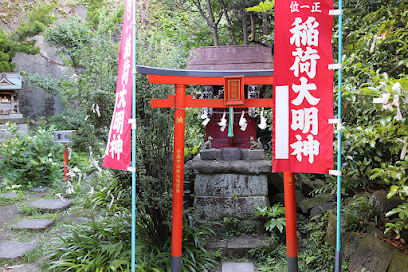
Otsuna Kompira Shrine
Kanagawa 221-0834
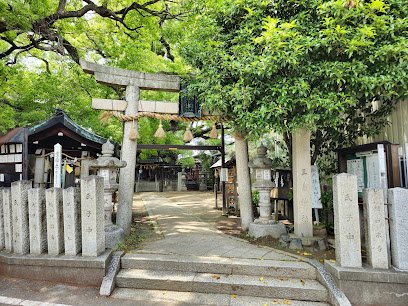
Mitsushima Shrine
Osaka 571-0015
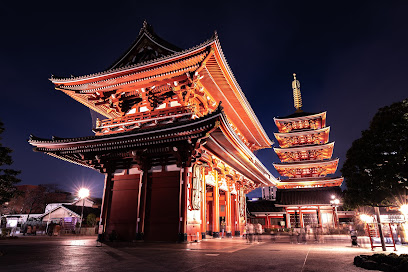
Sensō-ji
Tokyo 111-0032
Completed in 645, this temple, Tokyo's oldest, was built to honor Kannon, the goddess of m...
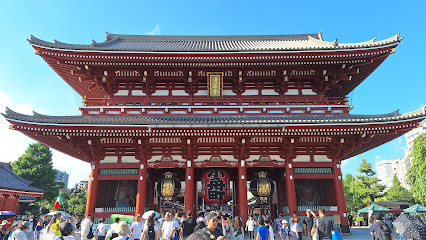
Kaminarimon
Tokyo 111-0032
A 3.9m-tall lantern greets visitors to this stately gate at the entrance to Sensō-ji templ...
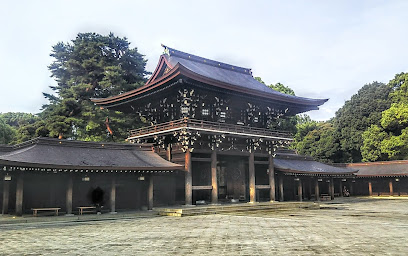
Meiji Jingu
Tokyo 151-8557
Surrounded by forest, this venerable Shinto shrine features a seasonal iris garden.

Kushida Shrine
812-0026
Founded in 757 CE, this urban site annually hosts the city's largest festival, Hakata Gion...