

Shrines & temples
Japanese shrines
OSM directory
Explore Shinto shrines mapped from OpenStreetMap — filter by prefecture, city, or denomination. For curated travel listings, see featured landmark shrines below.
861 shrines
十二大明神
十二大明神
Niigata
The Twelve Great Deities Shrine in Niigata is dedicated to the Shinto god of agriculture, water, and fertility, as well as other deities associated with good fortune and prosperity. The shrine's architecture reflects its rural setting, with a simple yet elegant design that blends seamlessly into the surrounding landscape. Visitors can explore the shrine grounds, which feature several temples and shrines, including the main hall dedicated to the god of agriculture.
建駒稲荷神社
建駒稲荷神社
Niigata
Built in 1671, Jiten-ko Inari Taisha is a Shinto shrine located in Niigata Prefecture, dedicated to the deity of prosperity and good fortune, particularly associated with sake breweries. The shrine complex features traditional Japanese architecture and beautiful gardens.
塩殿神社
塩殿神社
Niigata
Located in the city of Kashiwazaki, the Salt Shrine is a Shinto shrine dedicated to the kami of salt, fishing, and agriculture. The shrine's architecture reflects its importance as a hub for the region's salt production industry. Visitors can explore the shrine's main hall, which features a traditional thatched roof, and the surrounding saltworks, where they can learn about the history of salt harvesting in Niigata.
諏訪神社
諏訪神社
Niigata
The shrine of Ōnuma, located in the city of Shibakawa in Niigata Prefecture, is dedicated to the Shinto god of rice, Ōnuma-Okami, and the sea deity Himiko-tsuchi. It was built in 1888 and features a unique architectural style, blending traditional Japanese design with Western influences. The shrine's main hall, the haiden, is dedicated to Ōnuma-Okami, while the smaller torii gate is dedicated to Himiko-tsuchi.
川西天満宮
川西天満宮
Niigata
Kawasaka Tenman Shrine, located in the town of Minami-Kawauchi in Niigata Prefecture, is dedicated to the god Tenman no Okami and serves as a major pilgrimage site during the Tenman Festival held every seven years. The shrine is renowned for its stunning architecture and beautiful gardens, which reflect the region's unique cultural heritage. Visitors can experience the tranquil atmosphere of this sacred space by walking through the serene paths surrounded by natural scenery.
萬城稲荷神社
萬城稲荷神社
Niigata
Located in the city of Kariya, Niigata Prefecture, Man'yō-jō Inari Shrine is a Shinto temple dedicated to the worship of Inari Okami, the kami of rice and prosperity. The shrine's architecture reflects its historical significance as a center of rice trade and commerce during the Edo period. Its iconic five-story pagoda, known as 'man'yō-jō,' is said to have been built by the founder of the shrine in the 18th century.
十二神社
十二神社
Niigata
Located in the town of Aikawa, Niigata Prefecture, the Twelve Gods Shrine is a historic Shinto site dedicated to the worship of the twelve Shinto deities that originated from the Chinese mythology of the twelve gods of the sun and moon. The shrine is known for its stunning architecture and beautiful gardens, showcasing traditional Japanese designs and landscaping.
諏訪神社
諏訪神社
Niigata
Temple of the god of rice, prosperity, and fertility, located in the city center of Joetsu in Niigata Prefecture. The shrine is famous for its beautiful gardens and traditional architecture. Visitors can experience a unique atmosphere amidst ancient trees and tranquil ponds.
八海社
八海社
Niigata
Located in the scenic coastal town of Nagaoka, Niigata Prefecture, Eight Seas Shrine honors the powerful spirit of the sea and its bounty. As one of Japan's oldest shrines, it is said to have been founded over 1,000 years ago during the Heian period. The shrine's architecture reflects its seaside location, with a large torii gate situated on a small peninsula jutting out into Dōgo Bay.
寺山不動尊 火産霊神社
寺山不動尊 火産霊神社
Niigata
Located in the heart of Niigata Prefecture, Temple Mountain Unmoving Venerable God Shrine Fire Production Spirit Shrine is a historic Shinto shrine dedicated to the kami of fire production and industry. The shrine's architecture reflects its role as a major producer of fireworks, with traditional Japanese buildings adorned with vermilion paint and lacquerwork. As one of Japan's oldest fire temples, it has played an essential part in local festivals and celebrations for centuries.
北谷内稲荷神社
北谷内稲荷神社
Niigata
北谷内稲荷神社 is a Shinto shrine located in the valley of northern Niigata, Japan. The shrine's primary deity, Raijin, is revered as the god of thunder and storms. Visitors can explore the shrine's traditional Japanese architecture, including its wooden torii gate and ornate tiled roof. The shrine also hosts an annual Summer Festival, celebrating the beginning of summer with traditional dances and performances.
神明社
神明社
Niigata
神明社, located in Niigata Prefecture, is a Shinto shrine dedicated to the kami of wisdom and education. The shrine's architecture reflects its historical significance as a center for learning and culture during the Edo period. Visitors can explore the shrine's traditional Japanese garden, which features beautifully arranged stone lanterns and tranquil water features.
桃山神明社
桃山神明社
Niigata
Located in the city of Joetsu, Niigata Prefecture, Tamagayashinmei Shrine is a Shinto shrine dedicated to the sun goddess Amaterasu and the god of fire, Hachiman. The shrine's architecture reflects its Heian-era origins, with a main hall made from pine wood and tiled roof. Visitors can explore the shrine's peaceful gardens and admire the beautiful autumn foliage.
神明神社
神明神社
Niigata
The Godai-jingu shrine, dedicated to the god of rice and prosperity, is a historic Shinto site in Niigata Prefecture. Located in the heart of Echigo, the shrine attracts visitors from across Japan seeking blessings for bountiful harvests and good fortune. Its serene atmosphere, adorned with traditional vermilion torii gates and intricately carved wooden structures, makes it an ideal destination for those looking to connect with nature and honor the kami.
神明社
神明社
Niigata
The Godai Shrine, located in the scenic town of Minami-Niigata, is a Shinto shrine dedicated to the kami Godai, revered as the patron deity of the region. The shrine's architecture reflects its Kamakura period origins, with a majestic torii gate and simple yet elegant Main Hall. Visitors can explore the surrounding forest, believed to be inhabited by various local kami, including the enshrined gods. In addition to traditional Shinto rituals, the shrine is also known for its unique festival, the Godai Matsuri, which honors the arrival of autumn with lanterns and offerings.
諏訪神社
諏訪神社
Niigata
Toshosai Shrine, also known as the Toshogu Shrine of Niigata, is a Shinto shrine dedicated to the kami (spirits) of the region's ancestors. Located in the heart of Niigata City, the shrine is famous for its beautiful gardens and traditional architecture. The shrine complex includes several smaller shrines and ceremonial buildings, reflecting the region's rich cultural heritage.
諏訪神社
諏訪神社
Niigata
諏訪神社 is a Shinto shrine located in the city of Kuroda, Niigata Prefecture. Dedicated to the kami Inari Okami, it is one of the most important shrines in Japan known for its beautiful architecture and historic significance.
諏訪神社
諏訪神社
Niigata
The Tomioka Inari Shrine, located in the town of Tomioka in Niigata Prefecture, is a Shinto shrine dedicated to the deity Inari Okami. The shrine's primary enshrined kami is Inari, known for his association with rice, fertility, and prosperity. Visitors can explore the shrine's beautiful gardens and grounds, featuring numerous vermilion torii gates and shrines. The Tomioka Inari Shrine is particularly famous for its intricate stone lanterns and traditional architecture.
石動神社
石動神社
Niigata
Located in the heart of Niigata Prefecture, Kurodahonji Shrine is a tranquil Shinto shrine dedicated to the god of fertility and agriculture, Ryujin. The shrine's name, Kurodahonji, translates to 'Black Dragon Temple,' reflecting its association with the serpent-like creature in Japanese mythology. While not as well-known as some other shrines, Kurodahonji Shrine remains an important cultural landmark for locals and a popular destination for those seeking spiritual renewal.
神明宮
神明宮
Niigata
神明宮 is a Shinto shrine dedicated to the kami of wisdom and enlightenment, located in the heart of Niigata Prefecture. Built during the Heian period (794-1185 CE), the shrine's architecture reflects the traditional Japanese style, with a large torii gate and a five-story pagoda. The shrine is also famous for its beautiful gardens and autumn foliage. In Niigata, the deity Enmei O-no-mikoto is enshrined here.
薬師神社
薬師神社
Niigata
Located in the Japanese prefecture of Niigata, 薬師神社 is a Shinto shrine dedicated to the god of medicine and healing, Yuji, as well as the patron deity of pharmacists. The shrine's architecture reflects its historical significance as a major center for traditional medicine in Japan.
稲荷神社
稲荷神社
Niigata
Located in Niigata, the Inari Shrine is one of Japan's oldest and most famous Shinto shrines, dedicated to the god of rice, Inari Okami. The shrine is renowned for its thousands of vermilion torii gates, which symbolize the connection between heaven and earth. Visitors can explore the many trails that wind through the forested grounds, offering a serene escape from urban life. The shrine's architecture reflects its historical significance, with several ancient buildings still standing today.
神明宮
神明宮
Niigata
Located in the heart of Niigata City, Godai Shrine is a sacred Shinto site dedicated to the kami of the region's ancestral spirits and natural phenomena. The shrine's architecture reflects its history as an imperial palace, with a distinctive curved roofline and intricately carved wooden doors. Visitors can explore the shrine's serene gardens and traditional buildings, offering a glimpse into Japan's rich cultural heritage.
羽黒神社
羽黒神社
Niigata
Located in the prefecture of Niigata, Haku black god shrine is a Shinto temple dedicated to the kami of the sea and storms. It is situated on the coast of the Sea of Japan, where fishermen and sailors have long revered its power. The shrine's architecture reflects its coastal location, with a wooden torii gate and a large stone statue of a mythical creature said to be a representation of the Haku black god.
Curated shrine listings
Hand-picked shrines and temples from our landmark guide.
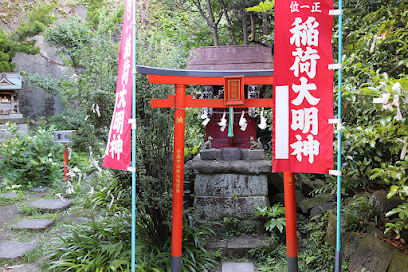
Otsuna Kompira Shrine
Kanagawa 221-0834
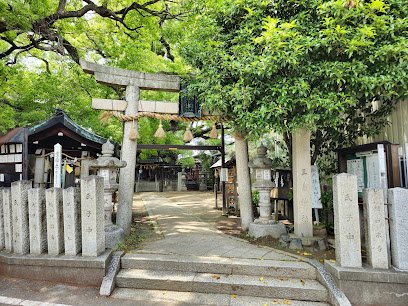
Mitsushima Shrine
Osaka 571-0015
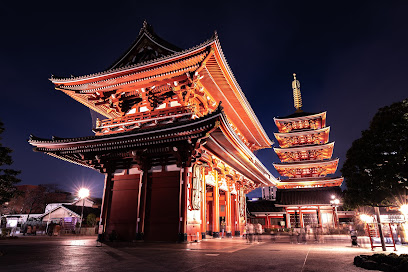
Sensō-ji
Tokyo 111-0032
Completed in 645, this temple, Tokyo's oldest, was built to honor Kannon, the goddess of m...
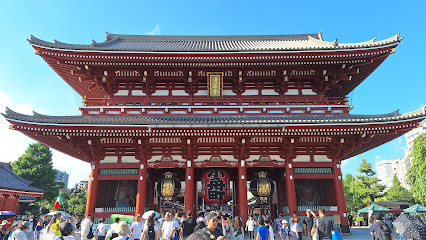
Kaminarimon
Tokyo 111-0032
A 3.9m-tall lantern greets visitors to this stately gate at the entrance to Sensō-ji templ...
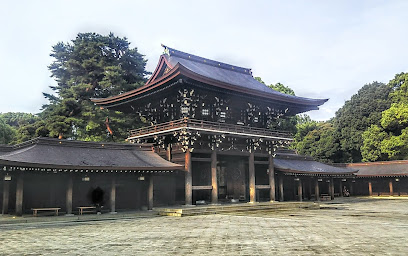
Meiji Jingu
Tokyo 151-8557
Surrounded by forest, this venerable Shinto shrine features a seasonal iris garden.

Kushida Shrine
812-0026
Founded in 757 CE, this urban site annually hosts the city's largest festival, Hakata Gion...