

Shrines & temples
Japanese shrines
OSM directory
Explore Shinto shrines mapped from OpenStreetMap — filter by prefecture, city, or denomination. For curated travel listings, see featured landmark shrines below.
321 shrines
Kasuga Shrine
春日神社
千葉県 · 君津市
Located in the city of Kiyosu, Chiba Prefecture, Kasuga Shrine is one of Japan's most famous Shinto shrines and a UNESCO World Heritage Site. Built on a hill overlooking the Pacific Ocean, the shrine complex is renowned for its majestic main hall and numerous torii gates. Visitors can walk through the beautiful gardens and explore the many smaller shrines and temples that make up the Kasuga Shrine compound.
Kasuga Shrine
春日神社(小山野神社)
千葉県 · 君津市
Kasuga Shrine, located in Izu City, Shizuoka Prefecture, is one of Japan's most famous and historically significant shrines. Dedicated to the god Kasuganeko, a minor kami associated with fertility, prosperity, and good fortune, the shrine was originally built during the Nara period (710-794 CE) but has undergone several reconstructions over the centuries. In 1869, it was designated as a national treasure by the Meiji government, recognizing its cultural and historical importance.
Kibune Shrine
貴布禰神社
千葉県 · 鋸南町
Kibune Shrine, located in Iwaki City, Fukushima Prefecture, is one of Japan's oldest shrines, with a history dating back to the 8th century. Dedicated to the god of the sea, Kibune-san is believed to have been enshrined by the legendary Emperor Jimmu, who is said to have arrived on land at this very spot. The shrine's name, 'Kibune,' roughly translates to 'god of the ferryman.' Visitors can still see ancient artifacts and relics from the Heian period (794-1185 CE) within the shrine grounds.
Kippo Hachiman Shrine
吉保八幡神社
千葉県 · 鴨川市
Located in Chiba Prefecture, Kippo Hachiman Shrine is a historic Shinto shrine dedicated to the deity Hachiman, patron god of war and education. The shrine's name "Kippo" is derived from its proximity to the Kawagoe River, which once flowed through the area. With its unique architecture and rich history, Kippo Hachiman Shrine offers a glimpse into Japan's ancient past.
Kominato Shrine
小湊神社
千葉県 · 鴨川市
Kominato Shrine is a Shinto shrine located in Chiba Prefecture, dedicated to the kami of the same name. As a coastal shrine, it is believed to have been established to protect the local community from natural disasters and ensure safe passage for fishermen. The shrine's architecture reflects its Edo-period (1603-1867) design, with a distinctive wooden torii gate. Visitors can explore the shrine grounds, which feature traditional Shinto shrines and a beautiful garden.
Konpira Shrine
金毘羅宮
千葉県 · 東庄町
Konpira Shrine, located in Chiba Prefecture, is a Shinto shrine dedicated to the god of prosperity and good fortune, Konpira. The shrine's history dates back to the 17th century, during the Edo period, when it was established as a regional shrine by local daimyo. Over time, the shrine has gained popularity among pilgrims seeking blessings for success and protection from harm.
Konpira Shrine
金毘羅神社
千葉県 · 君津市
Konpira Shrine is a Shinto shrine located in Kinu City, Chiba Prefecture, dedicated to the god of prosperity and good fortune, Konpira Hoshikawa-no-Kami. The shrine is renowned for its beautiful gardens, historic architecture, and stunning views of Tokyo Bay.
Kotoshironushi Shrine
事代主神社
千葉県 · 君津市
Kotoshironushi Shrine is a Shinto shrine located in Kinu City, Chiba Prefecture, dedicated to the kami Kotoshironushi. The shrine is situated on a hill overlooking the mouth of the Katsurao River and is famous for its beautiful gardens and traditional architecture. According to local legend, the shrine was originally built as a sacred site for the worship of the sea god. Visitors can enjoy the scenic views of the surrounding area and explore the shrine's various shrines and torii gates.
Koyasu Shrine
子安神社
千葉県 · 君津市
Koyasu Shrine, located in Jinnan City, Chiba Prefecture, is a Shinto shrine dedicated to the protection of children and families. The shrine's name 'Koyasu' roughly translates to 'quiet sleep', symbolizing a peaceful slumber for the well-being of its visitors. Visitors can explore the shrine's tranquil atmosphere, adorned with traditional Japanese architecture and beautifully landscaped gardens.
Kumano Shrine
熊野神社
千葉県 · 君津市
Located in Kinugasa, a district of Katsuura, Kumano Shrine is one of the most famous Shinto shrines in Japan, dedicated to the mythical figure of Kumano okami, a powerful goddess of fertility and prosperity. The shrine's history dates back to the Nara period (794-1185 CE), when it was first built as a sacred site for the local people. Over time, the shrine has undergone several renovations and expansions, with its current structure dating back to the Kamakura period (1185-1333 CE). The shrine is also famous for being one of the few Shinto shrines in Japan that still maintains its original 7th-century architecture.
Kumano Shrine
熊野神社
千葉県 · 君津市
Kumano Shrine, located in Kinokawa City, Wakayama Prefecture, is one of the most revered Shinto shrines in Japan. As a major pilgrimage site on the Kumano Kodo trail, it has been an important cultural and spiritual center for centuries. The shrine complex is dedicated to the deity Susanoo no Mikoto, who is believed to have created the Kumano River and its tributaries.
Kumano-jinja Shrine
熊野神社
千葉県 · 南房総市
Kumano-jinja Shrine is a Shinto temple located in Katsuura, south of Tokyo, that serves as the head shrine of the Kumano region's seven major shrines and claims to be the oldest Shinto shrine in Japan, with its main hall believed to have been built in 727 CE. Dedicated to the deities of Kumano Sanzan, including the sun goddess Amaterasu and the storm god Susanoo, the shrine has played a significant role in Japanese mythology and history.
Matsudo Shrine
松戸神社
千葉県 · 松戸市
Matsudo Shrine is a Shinto shrine located in the heart of Matsudo City, Chiba Prefecture. Dedicated to the kami, Ryūjin (Dragon God), the shrine is famous for its ancient wooden temple and beautiful gardens. The shrine's architecture reflects its historical significance as a major stopping point for travelers on the old Edo Road.
Merasaki Shrine
布良崎神社
千葉県 · 館山市
Located in the scenic city of Chiba, Merasaki Shrine is a historic Shinto shrine dedicated to the kami Inari Okami, revered as the patron deity of the local community and agricultural prosperity. The shrine's architecture reflects traditional Japanese design, with a rectangular main hall and ornate torii gate. Visitors can explore the shrine grounds, which feature a picturesque pond and scenic walking paths.
Mihashira Shrine
三柱神社
千葉県 · 富津市
Mihashira Shrine is a Shinto shrine located in Fujita-cho, Fujitsu-machi, Richi, Chiba Prefecture. Dedicated to the three kami (deities) of Fujita-jo Castle, the shrine serves as a symbol of the city's history and cultural heritage. Visitors can explore the shrine grounds, which include a museum showcasing artifacts from the castle's past.
Mihono Inari Shrine
三保野稲荷
千葉県 · 君津市
Mihono Inari Shrine is a Shinto temple located in Kominato, Chiba Prefecture, dedicated to the kami of rice and fertility. The shrine's name, 'Mihono', literally means 'middle road' or 'central path', reflecting its significance as a crossroads between the provinces of Shimousa and Mito. The shrine's architecture reflects the Heian period, with a wooden torii gate dating back to 1715. Visitors can explore the shrine's many temples and shrines, each dedicated to a specific aspect of rice production and fertility.
Mishima Shrine
三島神社
千葉県 · 君津市
Mishima Shrine, located in Chiba Prefecture's Mimasa District, is dedicated to the Shinto deity Inari Okami, revered as the god of rice, agriculture, and fertility. The shrine complex features a large torii gate and several shrines within its grounds, including the main hall for Inari Okami. Visitors can explore the various shrines, participate in festivals, and enjoy traditional Japanese architecture.
Mishima Shrine
三嶋神社
千葉県 · 南房総市
Mishima Shrine, located in southern Chiba Prefecture, is dedicated to the Shinto deity Fujin, the god of wind and storms. The shrine is situated on a hill overlooking the surrounding countryside, offering panoramic views of the region. According to local legend, Fujin was born at this very location, and his statue can still be seen standing proudly in front of the main hall.
Mitachi Shrine
御太刀神社
千葉県 · 君津市
Located in the city of Minamiashihara, Shizuoka Prefecture was once the former village of Mitachi, from which it derives its name. The shrine is one of the few remaining Shinto shrines in the region and plays a significant role in the local community's cultural heritage.
Mitake Shrine
御嶽神社
千葉県 · 君津市
Mitake Shrine is a Shinto shrine located in the town of Kimitsu, Chiba Prefecture, Japan. The shrine is dedicated to the kami of Mount Mitake, which is said to be inhabited by various deities, including Inari Okami and Kamo Tsukuyomi. Visitors can experience the tranquility of the surrounding forest and enjoy traditional Japanese culture. The shrine is particularly famous for its historic architecture, dating back to the 8th century.
Mokushi Hachiman Shrine
杢師八幡神社
千葉県 · 君津市
Mokushi Hachiman Shrine is a Shinto shrine located in Kinutsu City, Chiba Prefecture. Dedicated to the deity Hachiman, the shrine is known for its distinctive architecture and historical significance. The shrine's current structure dates back to the Edo period, although its origins can be traced back to the Heian era.
Mute Hachiman Shrine
六手八幡神社
千葉県 · 君津市
Mute Hachiman Shrine is a Shinto shrine located in Inzai, Chiba Prefecture, dedicated to the deified spirit of Minamoto no Yoritomo, a famous Japanese samurai and the founder of the Kamakura shogunate. The shrine is famous for its impressive main hall with five-story pagoda and numerous shrines enshrined various kami, including Hachiman, the god of war and prosperity.
Nagao-jinja Shrine
長尾神社
千葉県 · 南房総市
Located in the town of Shirako, Chiba Prefecture, Nagao-jinja Shrine is a Shinto shrine dedicated to the gods of rice, fertility, and prosperity. The shrine's architecture reflects traditional Japanese designs, with a main hall (honden) made of wood and adorned with vermillion roofing tiles (gaki). Dedicated to the deities Otsukimi-no-Kami and Futsu-no-Kami, this shrine is an important part of local folklore.
Ōido Suwa Shrine
大井戸諏訪神社
千葉県 · 君津市
Ōido Suwa Shrine is a Shinto shrine located in Inzai, Chiba Prefecture, dedicated to the deity of the Ōedo River and the Suwa clan. The shrine's architecture reflects the traditional style of Edo-period Shinto shrines, with a wooden torii gate and a large hall for the main shrine. Visitors can enjoy scenic views of the surrounding rice fields and forested areas.
Curated shrine listings
Hand-picked shrines and temples from our landmark guide.
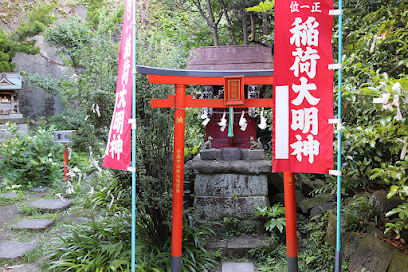
Otsuna Kompira Shrine
Kanagawa 221-0834
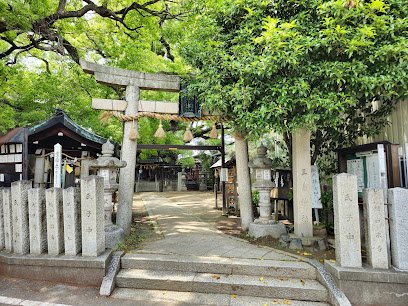
Mitsushima Shrine
Osaka 571-0015
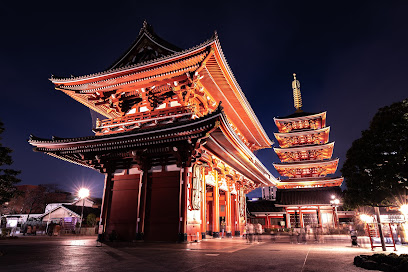
Sensō-ji
Tokyo 111-0032
Completed in 645, this temple, Tokyo's oldest, was built to honor Kannon, the goddess of m...
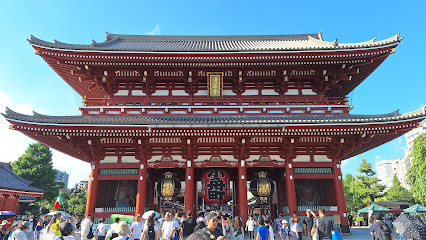
Kaminarimon
Tokyo 111-0032
A 3.9m-tall lantern greets visitors to this stately gate at the entrance to Sensō-ji templ...
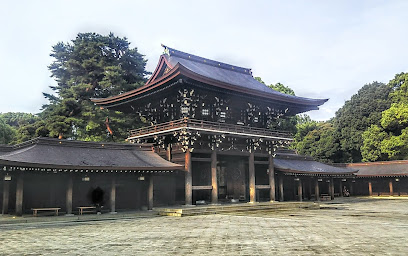
Meiji Jingu
Tokyo 151-8557
Surrounded by forest, this venerable Shinto shrine features a seasonal iris garden.

Kushida Shrine
812-0026
Founded in 757 CE, this urban site annually hosts the city's largest festival, Hakata Gion...