

Shrines & temples
Japanese shrines
OSM directory
Explore Shinto shrines mapped from OpenStreetMap — filter by prefecture, city, or denomination. For curated travel listings, see featured landmark shrines below.
554 shrines
伊野天照皇太神宮
伊野天照皇太神宮
Fukuoka
Isonoe Tenmu no Kami Taishogu Shrine is a Shinto shrine located in Fukuoka Prefecture, dedicated to the sun goddess Amaterasu Omikami, and her grandson, the Storm God Susanoo. The shrine is situated on the shores of Isonoe Bay, which was once an important location for the ancient Bungo region's maritime trade and fishing activities. The shrine's architecture reflects a mix of traditional Japanese styles, with a distinctive thatched-roof gatehouse (torii) and a rectangular main hall (honden).
若八幡宮
若八幡宮
Fukuoka
Located in the heart of Fukuoka, ifukyu Shrine is a Shinto shrine dedicated to Amaterasu Omikami, the Sun Goddess. The shrine's name 'ifukyu' roughly translates to 'getting into the wind', reflecting its historical connection with the Fukuoka area's strong winds. This beautiful shrine boasts a tranquil atmosphere, surrounded by lush greenery and featuring traditional Japanese architecture. Visitors can explore the serene grounds, adorned with vibrant autumn colors during the fall season.
乙宮
乙宮
Fukuoka
Located in Fukuoka, 乙宮 Shrine is dedicated to the sun goddess Amaterasu. As one of Japan's oldest shrines, it has played a significant role in Shinto history and culture. The shrine is famous for its stunning architecture, including the iconic tsukubai stone basin, which is believed to have been used as a ritual water source since the Heian period.
須賀神社
須賀神社
Fukuoka
Located in the heart of Fukuoka, Futsuugushinsha Shrine is a Shinto shrine dedicated to the god of fortune and prosperity, Futsuu-gusunaga-no-kami. The shrine's architecture reflects its history as an important center for trade and commerce in ancient Japan. The main hall features a traditional Japanese-style roof with a distinctive curved eave, while the vermilion-colored torii gate is adorned with intricate carvings. Visitors can explore the shrine grounds, which include several historic buildings and a beautiful garden.
木寄神社
木寄神社
Fukuoka
Located in the Fukuoka Prefecture, Mikado-jinja Shrine is a Shinto shrine dedicated to the worship of Emperor Sujin and Empress Sugetusa, who are believed to have established the city of Dazaifu. The shrine's main hall, the Honden, is adorned with a vermilion torii gate, symbolizing the connection between heaven and earth. Visitors can explore the surrounding gardens and historic buildings, including the Nakatani-kaisha residence, which dates back to the 17th century.
城神社天満宮
城神社天満宮
Fukuoka
The castle town of Dazaifu, located in the heart of Kyushu, is home to this Shinto shrine dedicated to Tenman-gū, a deity revered as the patron of learning and literature. Established during the Nara period (710-794 CE), the shrine has played a significant role in promoting education and culture throughout its history. Today, visitors can explore the shrine's tranquil grounds, admire its elegant architecture, and experience the rich cultural heritage of Japan's ancient capital.
放光寺天満宮
放光寺天満宮
Fukuoka
Located in Fukuoka, Futsuin Shrine is a Shinto shrine dedicated to the god of agriculture and fertility, Tenjin, as well as the deities of the sea, Ryujin and Namahime. The shrine's name, which translates to 'Temple of Radiant Light', reflects its history as a center for Buddhist teachings and its current role as a Shinto shrine. The shrine's architecture is characterized by a mix of traditional Japanese and Chinese styles, with a five-story pagoda at the entrance and a large torii gate. Visitors can explore the shrine's grounds, which include a scenic garden and a museum showcasing the history of the shrine.
高椋天満宮
高椋天満宮
Fukuoka
高椋天滿宮 is a Shinto shrine located in the town of Yashima, Fukuoka Prefecture. The shrine's name '高椋' translates to 'high-pitched pine tree', likely referencing the distinctive shape of the trees surrounding the site. Founded during the Heian period (794-1185 CE), the shrine has been an important regional center for Shinto worship and community gatherings. Today, visitors can enjoy traditional architecture, scenic grounds, and festive events celebrating the shrine's patron deity.
日吉神社
日吉神社
Fukuoka
Dayo-jinja is a Shinto shrine located in Fukuoka, dedicated to the deity Dayo, believed to be associated with good fortune and prosperity. The shrine dates back to the 7th century, during the Asuka period. Visitors can admire its traditional wooden torii gate and unique San-no-mi hall, which features a roofless design with lanterns supporting the structure.
熊野神社
熊野神社
Fukuoka
Narita-san Shinshō-ji is a Shinto shrine located in Fukuoka, dedicated to the kami of Mount Aso and the Aso region. It is one of the most revered shrines in Kyushu, attracting visitors from all over Japan. The shrine's main hall was built during the Heian period and features a unique architectural style that reflects the regional traditions of the area.
恵美須神社
恵美須神社
Fukuoka
Located in the heart of Dazaifu, Fukuoka Prefecture, Eimeiusu-shinsha is a Shinto shrine dedicated to Eimei no Okami, a kami believed to protect travelers and merchants. The shrine's architecture reflects its historical ties to the Nara period, with a rectangular entrance hall and a honden built in the Kamakura style.
安居野天満神社
安居野天満神社
Fukuoka
An'okiyamo Tenmangū-sha is a Shinto shrine located in the heart of Fukuoka, dedicated to the worship of the god Tenjin, who is revered as the patron deity of literature, education, and technology. The shrine's architecture reflects its historical significance during the Heian period (794-1185 CE), with a unique blend of Japanese and Chinese influences. The shrine complex includes several wooden buildings, including the famous 'yagura' tower, which houses the sacred mirror of Tenjin.
宮地嶽三柱大神
宮地嶽三柱大神
Fukuoka
Miyajidake-san is a Shinto shrine located in the city of Fukuoka, dedicated to the worship of three primary kami: Ryujin (Dragon God), Susanoo-no-kami (Storm God), and Inari Okami (Rice Goddess). Founded during the Heian period (794-1185 CE), this shrine has played a significant role in local history and culture. Visitors can explore the traditional vermilion torii gate, shrines, and garden, offering insight into ancient Japanese architecture.
伯楽天殿
伯楽天殿
Fukuoka
The Borkaku-den is a Shinto shrine located in the heart of Dazaifu, Fukuoka Prefecture, dedicated to Bokurasu Mikoto, a kami believed to possess magical powers. The shrine's architecture reflects the Heian period style, with a wooden torii gate and a traditional Japanese garden.
道祖神社
道祖神社
Fukuoka
Dōzōjinsha is a Shinto shrine dedicated to the god of health and medicine, located in Dazaifu, Fukuoka Prefecture. The shrine's architecture reflects its historical ties to the region's prominent medical institution, the Dazaifu Hospital. Built in 1888, the shrine's main hall features a unique roof design inspired by traditional Japanese medicine. Visitors can explore the shrine grounds and learn about the history of Japanese healthcare.
味水御井神社
味水御井神社
Fukuoka
Hitsuizan Main Shrine is a Shinto shrine located in the heart of Dazaifu, Fukuoka Prefecture. The shrine was originally built during the Nara period and has been well-maintained over the centuries. It enshrines Hatsu no kami, a deity believed to be associated with the abundance of water and fertility.
紅姫稲荷神社
紅姫稲荷神社
Fukuoka
Located in Fukuoka, 紅姫稲荷神社 is a Shinto shrine dedicated to the enshrined deity, Hachiman Ō-no-mikoto, as well as other local kami such as Oya no Kami and Tsuchinoki no Okami. The shrine is known for its unique vermilion torii gate and traditional Fukuoka-style architecture. It is a popular destination for visitors looking to experience the rich cultural heritage of Kyushu.
御霊神社
御霊神社
Fukuoka
Located in the heart of Fukuoka,御霊神社 is a revered Shinto shrine dedicated to the worship of the gods of the heavenly and earthy realms. With its roots dating back to the Heian period, the shrine has undergone numerous transformations over the centuries while maintaining its spiritual essence. Visitors can explore the beautiful gardens, tranquil ponds, and intricately designed torii gates, immersing themselves in a serene atmosphere that embodies the harmony between nature and humanity.
須賀神社
須賀神社
Fukuoka
Mustuga Shrine, located in the heart of Fukuoka City, is a historic Shinto shrine dedicated to the god of agriculture and fertility, Mustuga Okami. The shrine's architecture reflects the Heian period style, with a wooden torii gate and a traditional Japanese garden. According to local legend, the shrine was built on the site of an ancient sacred grove where the local deity once resided.
十六神社
十六神社
Fukuoka
Located in the heart of Fukuoka, the sixteen-god shrine is a beautiful example of traditional Japanese architecture and Shintoism. Dedicated to the kami (spirits) associated with the gods of the heavens, earth, sea, and fire, this shrine is a popular destination for locals and tourists alike.
塩釜神社
塩釜神社
Fukuoka
Located in Fukuoka Prefecture, Salt Kettle Shrine is a historic Shinto site dedicated to the enshrined deity of the sea and salt production. The shrine's architecture reflects its origins as an important port area, with wooden buildings and traditional Japanese gardens. Visitors can explore the shrine's museum and learn about its rich history and cultural significance.
古賀神社
古賀神社
Fukuoka
Located in the heart of Fukuoka,古賀神社 is a serene Shinto shrine dedicated to the kami Inari Okami. The shrine's architecture reflects its historical significance, with a unique blend of traditional and modern elements. As one of the oldest shrines in Fukuoka, it has played a crucial role in preserving the region's cultural heritage.
上津天満宮
上津天満宮
Fukuoka
Located in the heart of Fukuoka, Upper Heaven Shinto Shrine is a revered site honoring the kami of good fortune and prosperity. Dedicated to the Shinto deities of the heavenly realm, the shrine is particularly famous for its role as a sacred space for the local community's harvest celebrations.
葛城神社
葛城神社
Fukuoka
Gekido Shrine, located in Fukuoka Prefecture, is a Shinto temple dedicated to the sun goddess Amaterasu. The shrine's architecture reflects its historical significance as a major stopping point on the route from Kyoto to Fukuoka. A distinctive feature of the shrine is its large torii gate, which serves as a symbol of the connection between heaven and earth. Visitors can experience the tranquil atmosphere of the shrine by walking through the gardens and taking in the stunning views of the surrounding area.
Curated shrine listings
Hand-picked shrines and temples from our landmark guide.
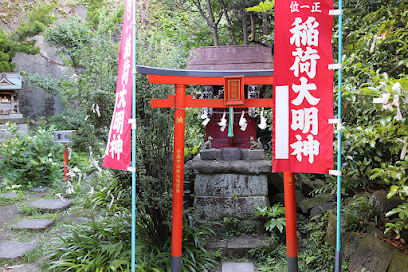
Otsuna Kompira Shrine
Kanagawa 221-0834
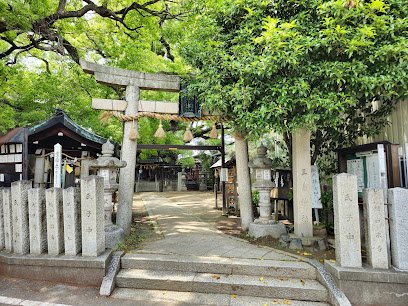
Mitsushima Shrine
Osaka 571-0015
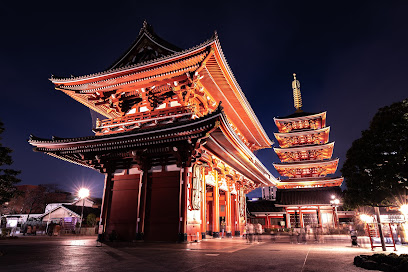
Sensō-ji
Tokyo 111-0032
Completed in 645, this temple, Tokyo's oldest, was built to honor Kannon, the goddess of m...
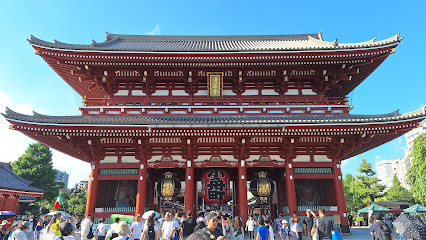
Kaminarimon
Tokyo 111-0032
A 3.9m-tall lantern greets visitors to this stately gate at the entrance to Sensō-ji templ...
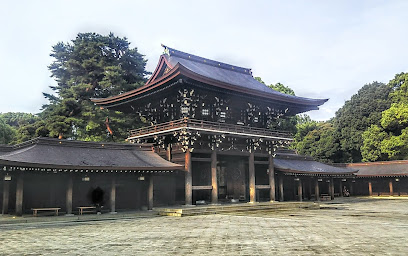
Meiji Jingu
Tokyo 151-8557
Surrounded by forest, this venerable Shinto shrine features a seasonal iris garden.

Kushida Shrine
812-0026
Founded in 757 CE, this urban site annually hosts the city's largest festival, Hakata Gion...