

Name Meaning
Overview
Hiderigami (日照り神) literally means “Drought God” in Japanese and refers to a yokai or deity blamed for severe dry weather that devastates crops and causes hardship.
- Hideri (日照り) = drought or dry weather
- Gami/Kami (神) = god or spirit
Origin
- Described in various folklore as a malicious deity who appears during prolonged dry seasons.
- Worshipped or appeased with rituals in hopes of rain.
- Some legends say it flies across the sky like a meteor or fiery serpent.
Appearance
- Depicted as a gaunt, winged creature with a fiery or sun-scorched appearance.
- Some versions resemble a monstrous weasel or bat.
- Other forms include spirit-like figures in clouds or heat haze.

Behavior & Myths
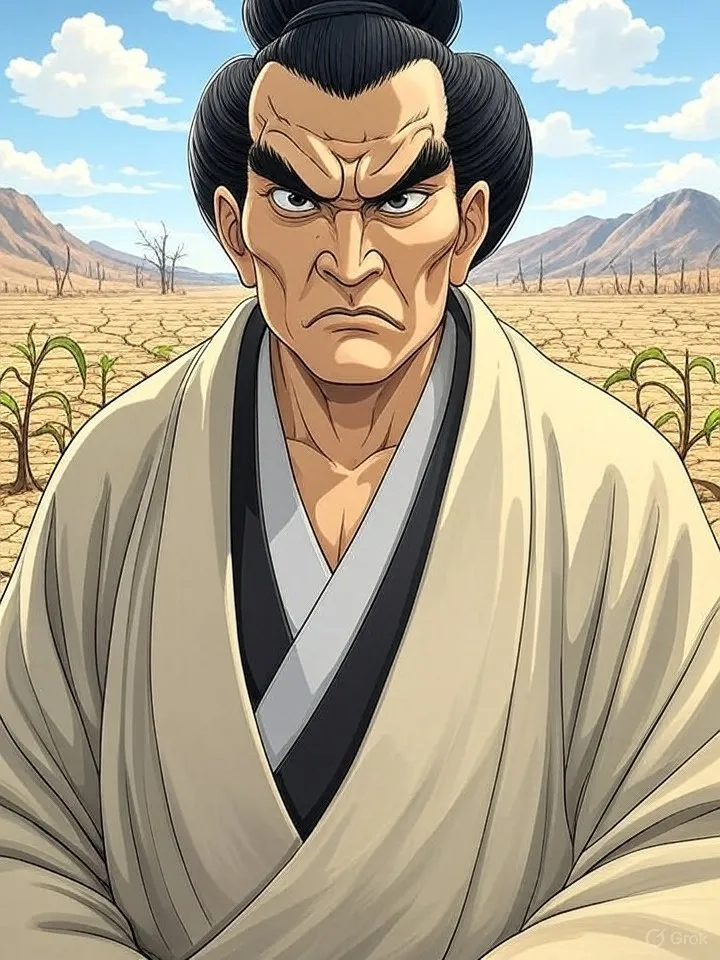
- Wherever it goes, rain ceases and fields dry up.
- Farmers would offer sacrifices or hold ceremonies to drive it away.
- Sometimes appears as a punishment for human arrogance or neglect of the gods.
Symbolism
- Embodies the fear of famine and agricultural collapse.
- Represents nature's wrath and divine punishment.
- Highlights the importance of seasonal balance in Japanese agrarian society.
Illustrated folktale
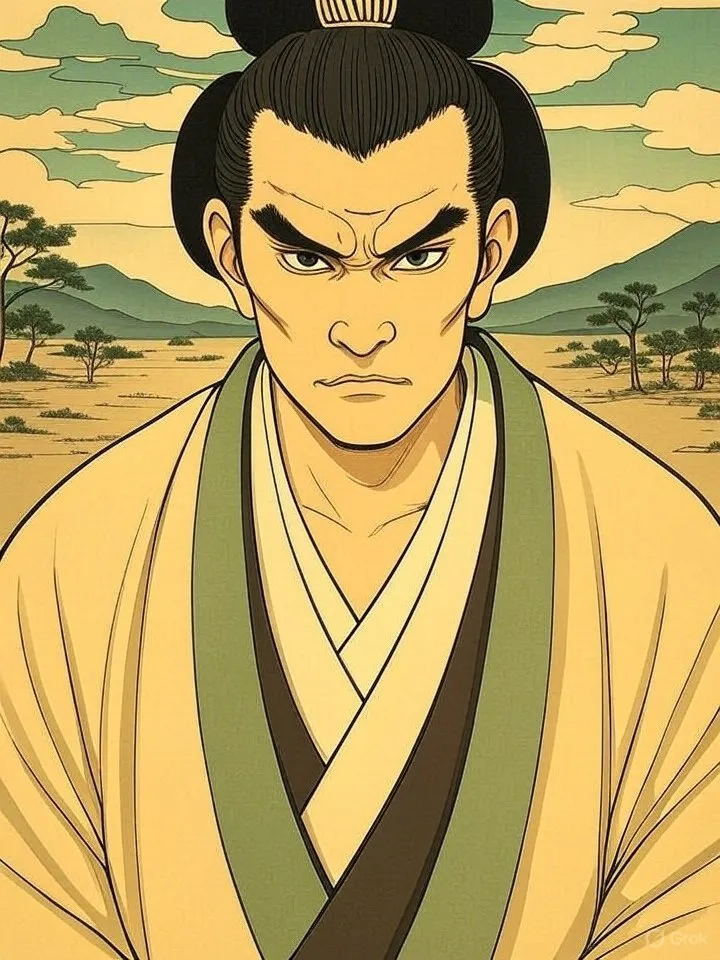
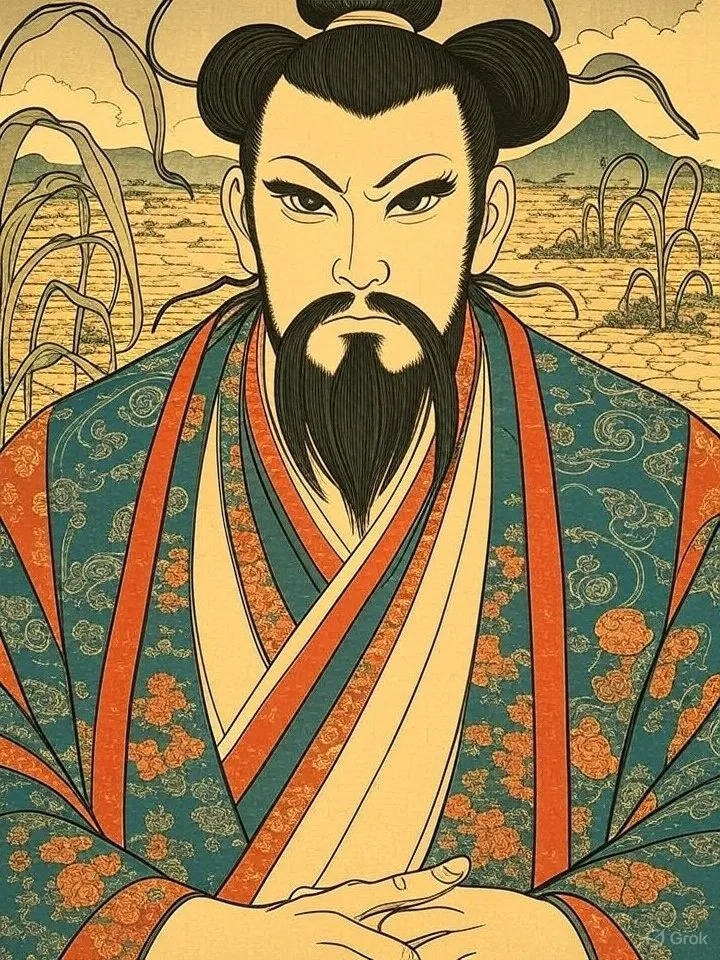
The tale of Hiderigami

In a small village nestled between two great mountains, the rice fields lay parched and barren. The sun beat down relentlessly, sucking the life from the earth. The villagers, usually robust and full of laughter, now walked with bowed heads and whispering voices.
It was said that Hiderigami, the god of the scorching skies, had come to exact revenge upon the village for their neglect of the ancient rituals. Farmers, once diligent in their offerings to the gods, had grown complacent, believing the seasons would forever be kind to them.
Kazuko, a young woman with skin as pale as the moon, felt the weight of her family's guilt most deeply. Her father, the village elder, had long been remiss in his duties, ignoring the whispers of the wind and the warnings of the old women who tended the rice paddies.
One sweltering evening, as the sun dipped into the mountains, Kazuko set out to pray for relief from Hiderigami's wrath. She walked alone, her bare feet carrying her across the dry earth to the sacred cedar tree that stood sentinel over the village. There, she lit a small fire and offered incense to the spirits of the land.
As she prayed, the air began to vibrate with an otherworldly energy. The wind stilled, and the stars above seemed to quiver in their orbits. A fiery light burst forth from the east, and Kazuko felt Hiderigami's presence settle upon her like a shroud.
The villagers, sensing the god's arrival, cowered in their homes, afraid to look out into the sky. But Kazuko stood tall, her eyes fixed upon the inferno that had descended upon them. She remembered the words of her grandmother: "When Hiderigami comes, we must not show fear, but instead offer our gratitude for its warning."
As if summoned by Kazuko's defiance, a gust of wind erupted from the cedar tree, driving before it a dark, winged form that had been coiled within the heat haze. The creature's eyes blazed like hot coals as it soared overhead, leaving behind a trail of scorching air.
The villagers, emboldened by Kazuko's courage, emerged from their homes to join in the ritual. They chanted and danced beneath the fiery sky, offering prayers for forgiveness and blessings for the coming rains. As they did so, the winds began to shift, bearing with them the scent of distant thunderstorms.
And when the storms finally broke, bringing life-giving rain to the parched fields, the villagers rejoiced, knowing that Hiderigami had been appeased, its wrath turned away by their collective humility and Kazuko's bravery. From that day on, the village elder ensured that the ancient rituals were observed once more, and the balance of nature was restored.
As for Kazuko, her name became synonymous with courage in the face of divine retribution. And though she never forgot the lessons of Hiderigami, she walked through life with a quiet confidence, knowing that even in the darkest skies, there is always hope for renewal.